
Does RO Water Have No Minerals? What You Really Need to Know According to Science (and How to Fix It)
There's a persistent myth floating around water treatment circles: "RO water has no minerals." While this isn't technically accurate, it's close enough to the truth that it deserves serious scientific examination. Reverse osmosis systems remove 92-99% of beneficial minerals like calcium and magnesium, leaving water with extremely low mineral content that raises legitimate health concerns.
Let's dive into what the science actually says about RO water, minerals, and what you can do to optimize your drinking water for health.
What Reverse Osmosis Actually Does to Minerals
Reverse osmosis filtration works by forcing water through a semipermeable membrane with microscopic pores (approximately 0.0001 microns). These pores are so small that they block virtually everything except pure water molecules: including both contaminants and beneficial minerals.
The process removes 94-98% of calcium and magnesium specifically, along with most trace minerals that naturally occur in water. This occurs because mineral ions are simply too large to pass through the RO membrane. The result is water that's technically not "mineral-free," but contains such low concentrations that it's functionally similar to distilled water.

The WHO Report That Changed Everything
The World Health Organization's 2005 report on the health risks of drinking demineralized water provided crucial insights that many water treatment discussions ignore. The WHO found that very low-mineral water can actually leach minerals from your body and recommended that drinking water contain minimum levels of essential minerals.
Specifically, the WHO recommends:
- At least 100 mg/L of total dissolved solids
- 30 mg/L of calcium
- 10 mg/L of magnesium
- 30 mg/L of bicarbonate ion
Most RO water falls far below these recommendations, often containing less than 10 mg/L total dissolved solids.
The Food vs. Water Mineral Debate
A common argument suggests that since we get most minerals from food, water minerals don't matter. While it's true that food provides the majority of our mineral intake, this oversimplifies the issue for several important reasons.
Water minerals are absorbed differently than food minerals. Minerals in water exist in ionic form and are readily bioavailable, while minerals in food may be bound to organic compounds that require digestion to release. This means water minerals can contribute more significantly to daily intake than their concentration suggests.
More importantly, modern dietary patterns mean many people aren't getting optimal mineral intake from food sources. Processed foods, fast food diets, and soil mineral depletion have reduced the mineral content of many foods compared to previous generations.
Why Modern Diets Make Remineralization Smarter
The reality is that dietary habits today make water minerals more important than ever. Consider these factors:
Soil Mineral Depletion: Agricultural soil has been depleted of trace minerals over decades of intensive farming. Vegetables and fruits contain fewer minerals today than they did 50 years ago.
Processed Food Dominance: The average American diet consists of 60% processed foods, which are typically stripped of natural minerals during manufacturing.
Fast Food Frequency: Regular consumption of fast food and convenience meals provides calories but limited mineral density.
Geographic Variability: Areas with naturally hard water show lower rates of cardiovascular disease, suggesting that water minerals provide health benefits beyond basic nutrition.
For people with these dietary patterns, remineralizing RO water becomes a simple way to ensure adequate mineral intake without dramatically changing eating habits.
The Problems with Completely Demineralized Water
Beyond simply lacking minerals, demineralized water creates several physiological challenges:
Aggressive Water Properties: Demineralized water becomes "aggressive," meaning it actively seeks to achieve mineral equilibrium by leaching minerals from whatever it contacts. This includes your body tissues and plumbing systems.
Electrolyte Dilution: Consuming large amounts of mineral-free water can dilute electrolytes in your bloodstream, potentially affecting cellular function and hydration status.
Mineral Loss Through Urine: Studies show that drinking demineralized water increases mineral excretion through urine, creating a net loss of essential minerals.
Cooking Complications: When demineralized water is used for cooking, it extracts minerals from food. Research shows losses of up to 60% for magnesium and calcium, and even higher percentages for trace elements like copper, manganese, and cobalt.

Scientific Solutions for Remineralization
Several methods exist to restore minerals to RO water, each with different advantages:
Himalayan Salt: Adding a pinch of high-quality salt can provide trace minerals, but the WHO notes that achieving meaningful mineral levels would require exceeding recommended daily sodium intake.
Lemon Juice: Contains small amounts of minerals and organic acids that may improve absorption, but mineral content is limited.
Mineral Filters: Post-RO mineral cartridges can add back specific minerals, but may not provide the full spectrum of trace elements found in natural water.
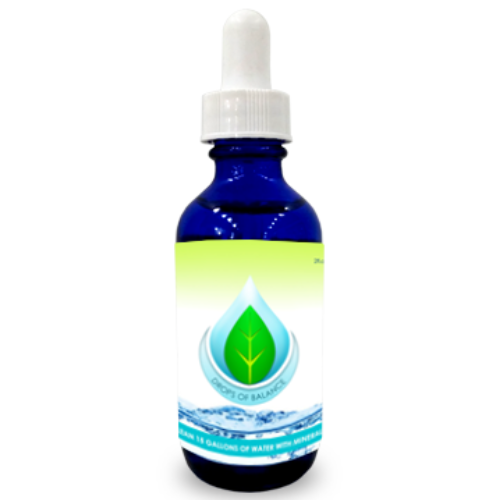
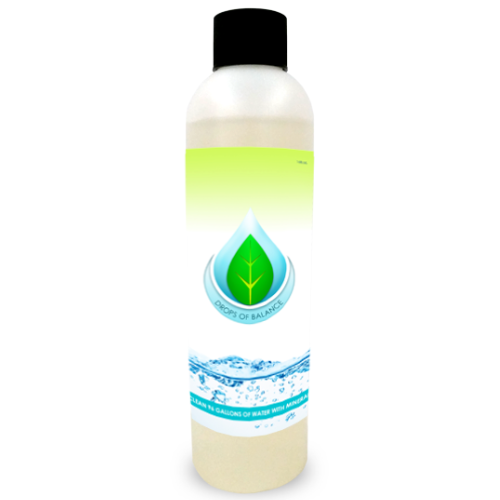
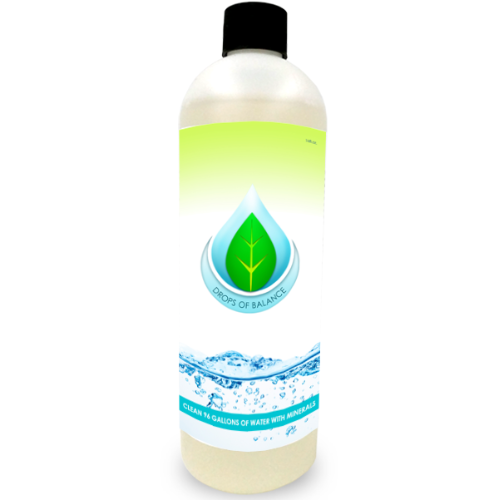
Liquid Mineral Concentrates: Products like Drops of Balance offer the most comprehensive and consistent solution. These concentrated mineral solutions restore the full spectrum of trace minerals that RO removes while maintaining precise dosing control.
Why Drops of Balance Offers the Optimal Solution
Unlike simple salt or lemon additions, Drops of Balance provides a scientifically formulated blend of trace minerals that mimics the mineral profile of healthy natural water sources. The concentrate removes harmful chemicals like fluoride and chlorine while adding essential trace minerals in bioavailable forms.
Key advantages include:
Consistent Dosing: Unlike salt or lemon, which provide variable mineral content, Drops of Balance delivers precise, consistent mineralization.
Full Spectrum Minerals: Contains the complete range of trace minerals that RO removes, not just the major ones like calcium and magnesium.
Dual Function: Beyond remineralizing RO water, it can also treat tap water by removing contaminants while adding minerals.
Scalable Solutions: Available in sizes from 2oz bottles for personal use to 5-gallon concentrates for larger applications.
The Plant Connection
Interestingly, the same mineral principles apply to plant nutrition. RO water used for watering plants often requires remineralization to support healthy growth. Plants need trace minerals for photosynthesis, enzyme function, and disease resistance: the same biological processes that require minerals in human physiology.
Drops of Balance can be used for both drinking water and plant watering, providing a comprehensive solution for both human and plant health needs.
Practical Implementation
For most people using RO systems, adding a remineralizing step is straightforward:
- Start Small: Begin with the manufacturer's recommended dosage and adjust based on taste preferences
- Test Regularly: Use TDS meters to monitor mineral levels and ensure they fall within WHO recommendations
- Consider Diet: People with mineral-rich diets may need less supplementation than those eating processed foods
- Monitor Health Markers: Pay attention to energy levels, muscle function, and overall well-being
The Bottom Line: Balance Is Key
The science is clear that completely demineralized water poses potential health risks, especially with long-term consumption. While the "RO water has no minerals" statement isn't literally true, it's functionally accurate enough to warrant attention.
Remineralizing RO water represents a simple, science-based approach to optimizing hydration. For people with less-than-perfect diets: which describes most of us: adding minerals back to RO water provides an easy way to support mineral intake without dramatic lifestyle changes.
The key is choosing a remineralization method that provides consistent, comprehensive mineral replacement. While salt and lemon can help, concentrated mineral solutions like Drops of Balance offer the most reliable way to restore the full spectrum of trace minerals that make water truly healthy.
Remember: the goal isn't perfect water, but balanced water that supports your body's mineral needs while removing the contaminants that RO systems excel at eliminating.