
RO Water vs. Mineralized Tap: Which Is Better For Your Organic Garden?
For the dedicated organic gardener, water is more than just a means to prevent wilting; it is the primary delivery system for life. As we approach the peak heat of late July, the efficiency of that delivery system becomes a matter of survival for your crops.
In the quest for the "cleanest" possible input, many growers turn to Reverse Osmosis (RO) systems. On paper, RO water looks perfect: it is a blank slate, devoid of the contaminants found in municipal supplies. However, from a biological and mineralogical perspective, RO water is often described as "dead water." Conversely, untreated tap water is frequently "toxic water," laden with chemicals that decimate the very soil microbes you’ve worked all season to cultivate.
To achieve a truly thriving organic garden, we must move beyond the binary choice of "pure vs. polluted" and understand the science of mineralized, structured water.
The Chemistry of Reverse Osmosis: Why "Pure" Can Be Problematic
Reverse Osmosis works by forcing water through a semi-permeable membrane that catches almost everything: lead, arsenic, and fluoride, but also essential minerals like calcium, magnesium, and potassium. The resulting liquid is nearly pure H2O.
While this sounds ideal for laboratory settings, it presents a significant challenge in organic soil. In chemistry, water is known as the "universal solvent." When water is stripped of its mineral content, it becomes chemically aggressive. This is often referred to as "hungry water." Because it lacks a mineral load, RO water will actively seek to achieve equilibrium by leaching minerals out of whatever it touches.
In an organic garden, this means that RO water can actually pull mobile nutrients out of the plant’s root zone and the soil matrix. This creates a physiological stressor for the plant, which must then expend energy to recapture those lost minerals rather than focusing on fruit production or heat resistance.

The Tap Water Dilemma: Chlorine, Fluoride, and the Soil Microbiome
If RO water is too empty, municipal tap water is often too full: of the wrong things. Most city water is treated with chlorine or chloramines to prevent bacterial growth in the pipes. While effective for sanitation, these chemicals are non-discriminatory; they kill the beneficial bacteria, fungi, and protozoa that make organic gardening possible.
Furthermore, tap water often contains high levels of:
- Fluoride: A persistent toxin that can accumulate in plant tissues, leading to leaf necrosis.
- Heavy Metals: Such as lead, mercury, and arsenic, which can be taken up by edible crops.
- Dissolved Solids: Large-molecule minerals that are not "bio-available," meaning the plant cannot easily absorb them, leading to salt buildup in the soil.
When you water your garden with untreated tap water, you are essentially applying a mild pesticide to your soil’s microbial community every single day.
Bridging the Gap: The Mineralized Solution
The goal for a high-performance organic garden is water that is free from toxic chemicals but rich in bio-available trace minerals. This is where Drops of Balance transforms the equation.
Instead of stripping the water bare like an RO system, Drops of Balance utilizes a concentrated solution of ionic sulfate minerals. When added to tap water, a fascinating chemical reaction occurs. The sulfate minerals act as a catalyst, causing dissolved contaminants like fluoride, chlorine, and heavy metals to become insoluble. They "precipitate" out of the solution, turning into inert solids that no longer interact with the plant's biology.
Simultaneously, the water is infused with over 70 trace minerals in a sulfate form. Unlike the inorganic minerals found in hard tap water, these are in a state that the plant can immediately utilize for enzymatic functions and structural growth.
Why Trace Minerals Matter in Late July
As we reach the hottest part of the summer, plants face extreme oxidative stress. Photosynthesis begins to slow down when temperatures exceed 90°F (32°C). To combat this, plants require specific trace minerals: such as manganese, zinc, and copper: to produce the enzymes necessary for heat tolerance and repair.
- Enzymatic Catalysts: Almost every metabolic process in a plant requires a mineral cofactor. If your water is "dead" (RO) or "toxic" (Tap), these processes stall.
- Osmotic Pressure: Mineralized water helps maintain cell turgor. This prevents the "wilting point" from being reached as quickly during high-heat afternoons.
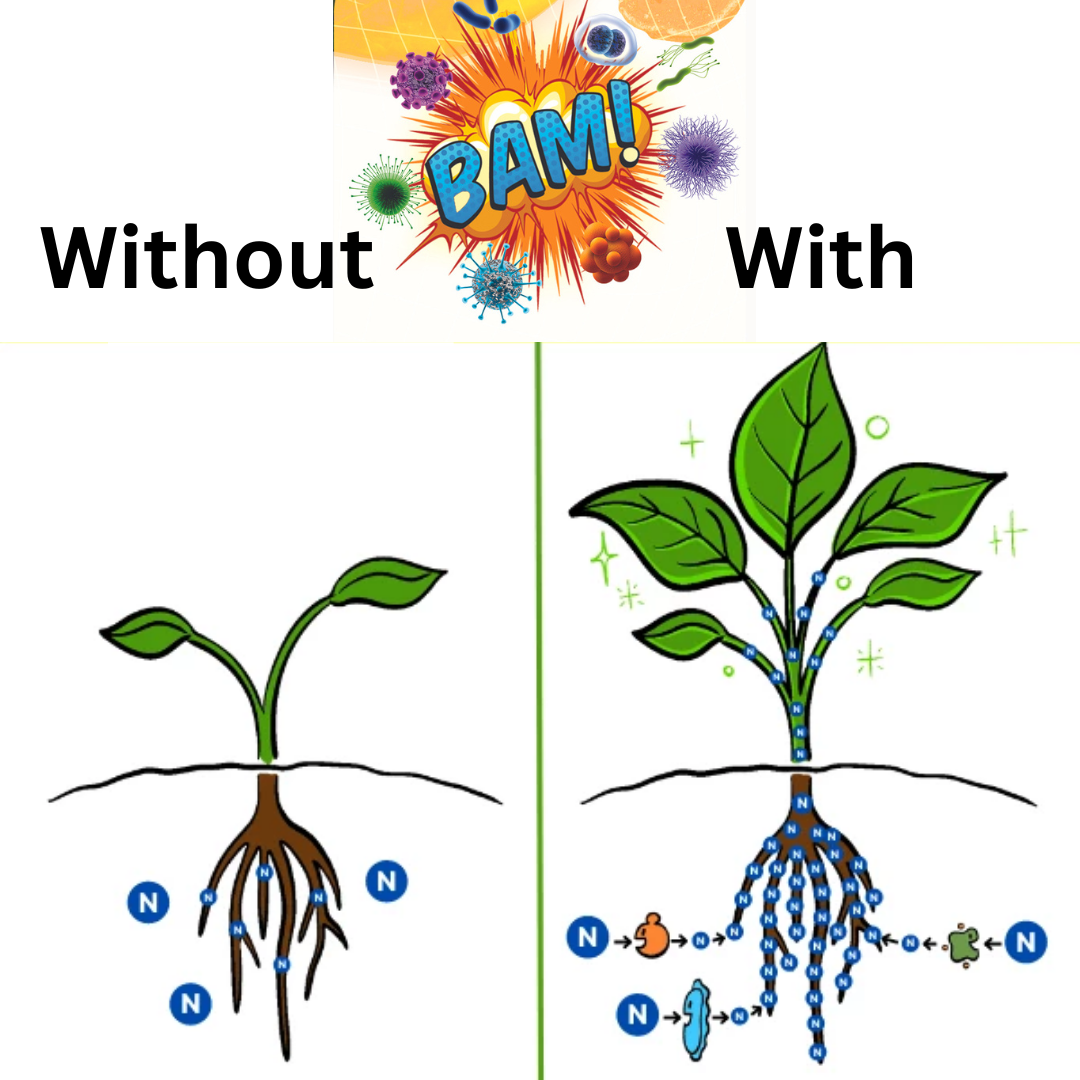
- Microbial Support: Beneficial microbes, such as those found in BAM (Beneficial Anaerobic Microbes), thrive in an environment rich in mineral diversity. These microbes, in turn, help the plant access nutrients that would otherwise be locked in the soil.

RO Water vs. Mineralized Tap: The Verdict
If you currently use an RO system, you don't necessarily need to throw it away, but you must re-mineralize the water before it hits your soil. Using RO water without adding minerals back in is a recipe for nutrient deficiencies and pH swings.
However, for most gardeners, treating tap water with a mineral concentrate is both more efficient and more ecologically sound. RO systems are notoriously wasteful, often discarding 4 to 10 gallons of "reject" water for every 1 gallon of purified water produced. By treating your tap water with Drops of Balance, you eliminate the waste while ensuring your plants receive the "living" water they need.
Usage Rates for Garden Success
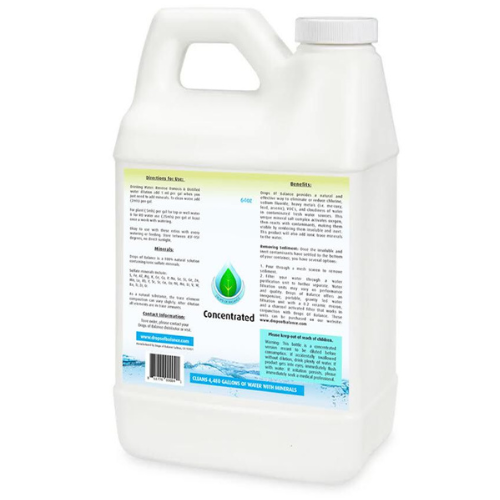
Understanding the concentration is key to maintaining the balance of your soil. Because our solutions are highly concentrated, a small amount goes a long way in neutralizing toxins and boosting mineral content.
The Human Connection: What’s Good for the Garden is Good for the Gardener
It is important to remember that the same physiological principles apply to us. Just as plants struggle with "hungry" RO water, the human body can experience mineral leaching when consuming demineralized water over long periods.
By treating your household water, you aren't just protecting your tomatoes; you are ensuring that your own hydration is contributing to your mineral health. Our safety testing ensures that the water you provide for your family and your garden meets the highest standards of purity and mineral density.

Action Steps for Your July Garden
As you move through the final weeks of July, consider these three steps to optimize your garden's hydration:
- Test Your Source: Understand what is in your tap water. Most municipal reports are available online and will list chlorine and fluoride levels.
- Neutralize the Toxins: Use a mineral-based treatment to ensure that chlorine isn't killing your soil life.
- Foliar Feed: During heat waves, plants often struggle to pull water through their roots fast enough. Applying a mineralized foliar spray (at a rate of 2ml per gallon) early in the morning can provide an immediate boost of hydration and trace elements directly through the leaves.
In the debate between RO and Tap, the winner is neither; it is Mineralized Water. By focusing on the biological needs of your plants and the chemical reality of your water, you can ensure a heavy harvest and a resilient garden, no matter how high the July mercury rises.
For more information on large-scale water treatment for farms or homesteads, explore our wholesale options or check out our FAQ page for technical specifications.