
Salinity Stress in Your Garden: 7 Water Treatment Mistakes That Kill Plant Growth (And the Simple Fix)
Salinity stress represents one of the most insidious threats to plant growth in modern gardens, yet most gardeners remain completely unaware of its presence. This abiotic stress factor affects over 800 million hectares of agricultural land globally and continues expanding into residential gardening systems through seemingly innocuous water treatment practices.
The physiological mechanisms behind salt damage are complex and multifaceted. When plants encounter elevated sodium chloride concentrations, they experience simultaneous ionic toxicity and osmotic stress, leading to disrupted cellular homeostasis and compromised metabolic processes. Understanding these scientific principles becomes crucial for identifying and correcting the seven critical water treatment mistakes that systematically destroy plant health.
Mistake #1: Using Salt-Based Water Softening Systems for Irrigation
The most prevalent error involves irrigating gardens with water processed through ion-exchange softening systems. These systems replace naturally occurring calcium and magnesium ions with sodium ions at concentrations averaging 20 mg per 8 fluid ounces. While this concentration appears negligible, it creates cumulative sodium accumulation that triggers severe physiological stress responses in glycophytic plants.
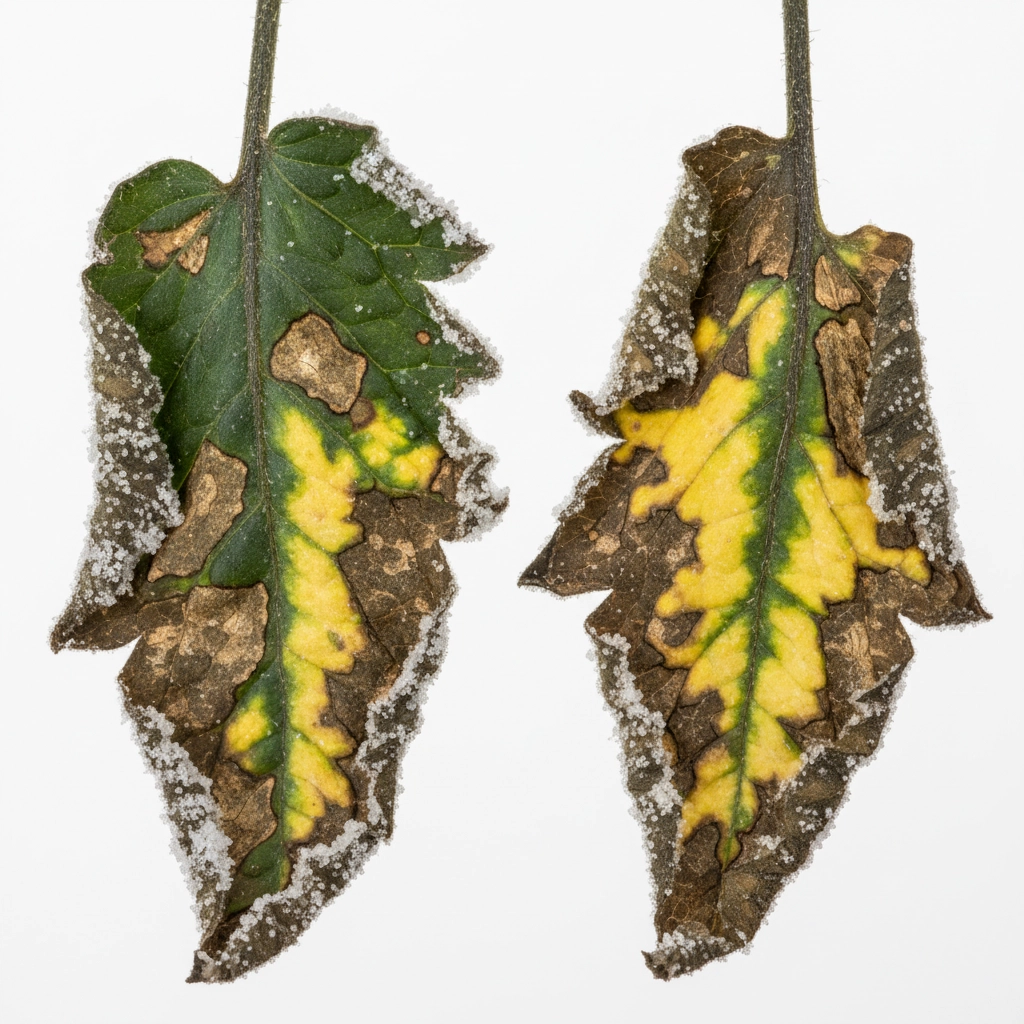
Salt-softened water disrupts the delicate ionic balance required for optimal nutrient uptake. Sodium ions compete with essential nutrients like potassium and calcium for transport proteins, effectively starving plants of critical minerals despite adequate fertilization. This competitive inhibition leads to characteristic symptoms including chlorosis, necrosis, and stunted growth patterns.
Mistake #2: Ignoring Osmotic Stress Mechanisms
Many gardeners fail to recognize that salinity stress operates through osmotic mechanisms that reduce water availability even in well-irrigated soils. Elevated salt concentrations in the soil solution create negative water potential gradients that force plants to expend additional metabolic energy to extract water from the rhizosphere.
This osmotic stress manifests as apparent drought symptoms despite adequate soil moisture content. Plants exhibit wilting, reduced turgor pressure, and decreased cell expansion rates. The physiological response includes stomatal closure to conserve water, which subsequently reduces photosynthetic capacity and overall biomass accumulation.
Mistake #3: Underestimating Ionic Toxicity Effects
Ionic toxicity occurs when sodium and chloride ions accumulate to levels that directly damage cellular structures and metabolic pathways. Excessive sodium interferes with protein synthesis, enzyme function, and membrane integrity. Chloride accumulation similarly disrupts photosynthetic processes and nitrogen metabolism.
The cellular damage extends to organellar dysfunction, particularly in chloroplasts where photosystem II becomes increasingly inefficient under salt stress conditions. This photosynthetic impairment reduces the plant's capacity to generate ATP and NADPH, limiting growth and reproductive success.
Mistake #4: Failing to Address Oxidative Stress Cascades
Salt stress induces the formation of reactive oxygen species (ROS) including superoxide radicals, hydrogen peroxide, and hydroxyl radicals. These highly reactive molecules cause lipid peroxidation, protein oxidation, and DNA damage throughout plant tissues.
The oxidative stress response overwhelms the plant's natural antioxidant defense systems, including catalase, superoxide dismutase, and ascorbate peroxidase enzymes. This imbalance leads to accelerated senescence, reduced stress tolerance, and compromised immune responses to other environmental stressors.
Mistake #5: Neglecting Long-Term Soil Salinization
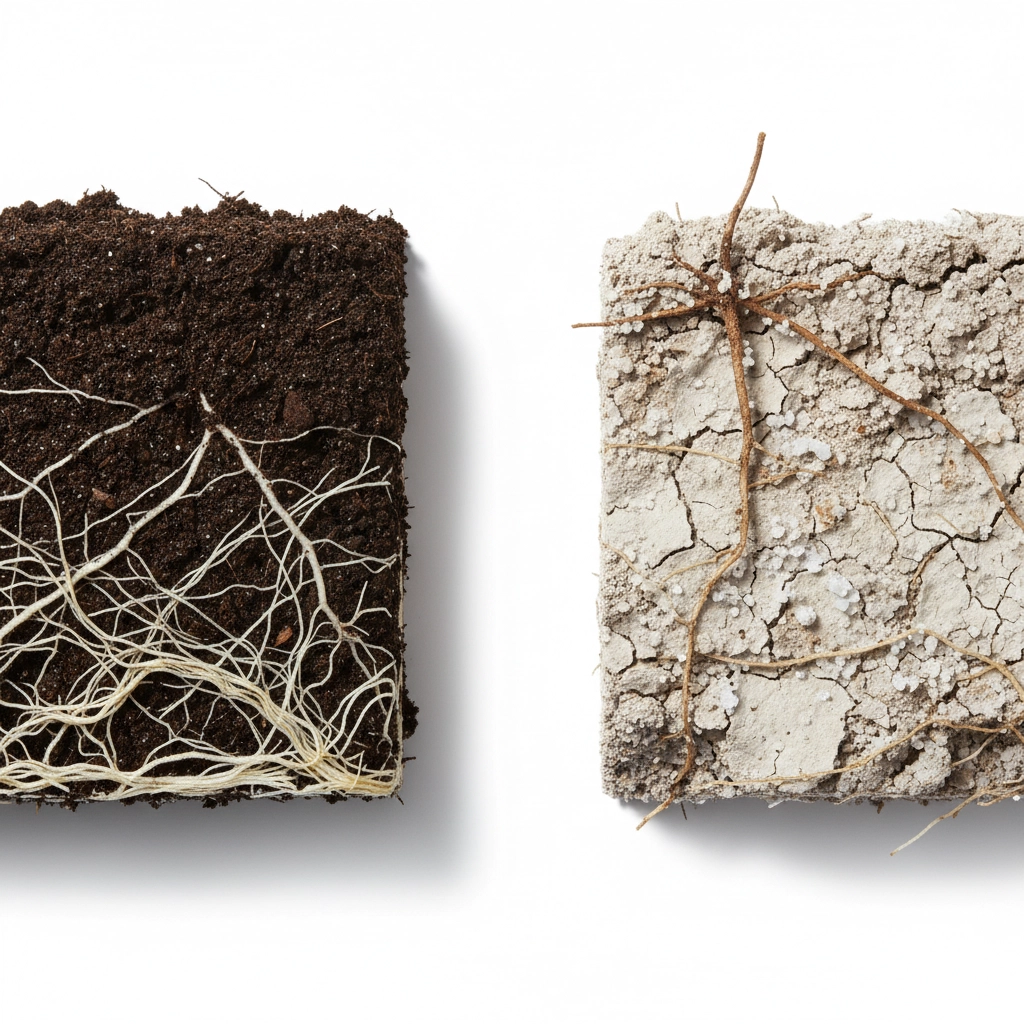
Continuous application of salt-containing irrigation water creates progressive soil salinization that persists long after treatment cessation. Sodium ions bind to clay particles and organic matter, altering soil structure and reducing porosity. This structural degradation impairs root penetration and limits oxygen availability in the rhizosphere.
Salinized soils exhibit increased bulk density and reduced aggregate stability, creating anaerobic conditions that favor pathogenic microorganisms. The altered soil chemistry also affects nutrient cycling, with particular impacts on nitrogen fixation and phosphorus availability.
Mistake #6: Inappropriate Irrigation Frequency and Volume
Conventional irrigation practices often exacerbate salt stress by allowing soil solution concentrations to increase between watering events. As soil moisture decreases through evapotranspiration, dissolved salts become increasingly concentrated, creating more severe stress conditions.
The solution involves frequent, light irrigation applications that maintain consistent soil moisture levels and prevent salt concentration spikes. This approach requires careful monitoring of soil electrical conductivity and adjustment of irrigation schedules based on environmental conditions and plant water requirements.
Mistake #7: Inadequate Plant Selection and Stress Mitigation
Most common garden plants (glycophytes) exhibit severe sensitivity to salinity stress, with growth reductions occurring at electrical conductivity levels as low as 2-4 dS/m. Gardeners often persist with salt-sensitive species in salinized environments rather than transitioning to halophytic or salt-tolerant varieties.
Proper plant selection should consider both absolute salt tolerance and relative productivity under stress conditions. Moderately halophytic species can maintain acceptable yields while providing ecosystem services in challenging environments.
The Scientific Solution: Comprehensive Salt Management
Effective salinity stress mitigation requires a multi-faceted approach based on understanding the underlying physiological and soil chemistry principles. The primary intervention involves eliminating sodium-containing water sources and implementing leaching protocols to remove accumulated salts from the root zone.
Soil leaching requires applying high-quality water at volumes exceeding evapotranspiration demands to create downward water movement that carries dissolved salts below the active root zone. This process typically requires 150-200% of normal irrigation volumes applied over several growing seasons for complete remediation.
Advanced Water Treatment Solutions
Modern water treatment technologies offer alternatives to traditional salt-based softening systems that eliminate sodium introduction while maintaining water quality improvements. Reverse osmosis systems, though energy-intensive, provide sodium-free water suitable for sensitive plant species.
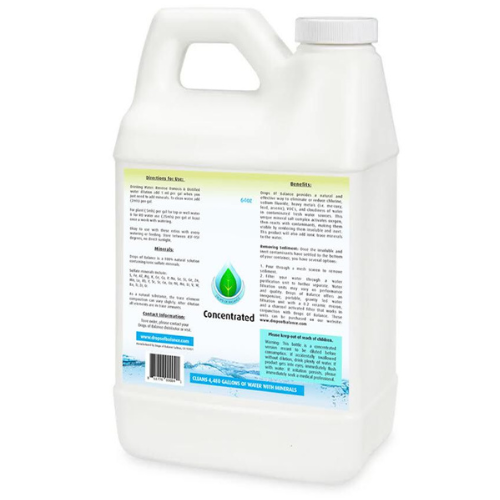
Mineral supplementation becomes crucial when using demineralized water sources, as plants require balanced nutrition including calcium, magnesium, and trace elements for optimal growth. Concentrated mineral solutions can restore essential nutrients while avoiding harmful sodium additions.
Monitoring and Prevention Protocols
Regular monitoring of soil electrical conductivity provides quantitative assessment of salinity levels and treatment effectiveness. Soil EC measurements should be conducted at multiple depths and locations to identify localized accumulation patterns.
Plant tissue analysis offers additional diagnostic information, particularly sodium and chloride concentrations in leaf tissue. Elevated tissue salt levels confirm uptake and transport, indicating the need for immediate intervention to prevent permanent damage.
Implementation Strategy
Successful salinity management requires systematic implementation beginning with water source evaluation and treatment system modification. Alternative water sources or treatment methods must be established before attempting soil remediation to prevent re-contamination during the leaching process.
The rehabilitation timeline extends over multiple growing seasons, requiring patience and consistent monitoring to achieve complete recovery. However, the long-term benefits include improved plant health, increased productivity, and enhanced soil quality that supports sustainable gardening practices.
Understanding these seven critical mistakes and their underlying scientific mechanisms empowers gardeners to make informed decisions about water treatment and irrigation practices. The investment in proper water treatment and soil management pays dividends through improved plant performance and reduced long-term maintenance requirements.