
Stop Wasting Money on Expensive Soil Amendments: How to Improve Soil Health with Water Treatment in 3 Steps
You've probably spent hundreds: maybe thousands: of dollars on fertilizers, compost, and soil amendments, only to watch your plants struggle. What if I told you the problem isn't your soil, but your water? Research shows that tap water contaminants and mineral deficiencies are sabotaging your garden's potential, making even the best organic fertilizer less effective.
The solution isn't buying more expensive products. It's treating your water first, then letting that treated water transform your soil naturally. Here's how to improve soil health in three scientifically-backed steps that cost a fraction of what you're currently spending on amendments.
The Hidden Problem with Your Garden Water
Most gardeners focus on what they put on their soil while ignoring what they put in it. Tap water contains chlorine, fluoride, and heavy metals that kill beneficial soil microbes: the very organisms that help plants absorb nutrients. Without healthy microbes, your expensive fertilizers can't do their job.
Additionally, modern municipal water treatment removes essential trace minerals that plants desperately need. This creates a double problem: harmful chemicals killing soil life while depriving plants of vital nutrition.
Studies demonstrate that water quality directly impacts soil microbial diversity and plant nutrient uptake. When you address water quality first, you create the foundation for healthy soil that requires fewer external inputs.
Step 1: Remove Tap Water Contaminants That Kill Soil Life
The first step in water treatment for plants involves neutralizing harmful chemicals in tap water. Chlorine, commonly used in municipal water systems, acts as a broad-spectrum biocide that eliminates both harmful and beneficial microorganisms. When you water your garden with chlorinated water, you're essentially sterilizing your soil with every irrigation.
Fluoride compounds present another challenge. Research indicates that fluoride can accumulate in plant tissues and interfere with enzyme function, reducing photosynthetic efficiency and overall plant vigor. Heavy metals like lead, copper, and aluminum further compound these issues by creating oxidative stress in plant cells.
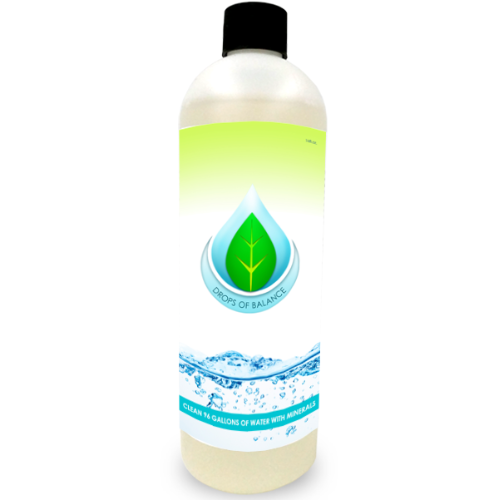
The solution involves using a concentrated mineral treatment that neutralizes these contaminants while preserving water's beneficial properties. Products like Drops of Balance work by binding to harmful chemicals and rendering them inactive, effectively removing fluoride from water while eliminating chlorine and heavy metals.
When you remove these contaminants, you immediately create an environment where beneficial soil microbes can thrive. This is crucial because these microorganisms are responsible for breaking down organic matter, cycling nutrients, and forming symbiotic relationships with plant roots.
Step 2: Add Essential Trace Minerals for Optimal Plant Nutrition
After removing contaminants, the next step involves replenishing trace minerals that municipal water treatment removes. Plants require over 70 different minerals for optimal growth, yet most fertilizers only provide three primary nutrients: nitrogen, phosphorus, and potassium.
Trace minerals for plants include zinc, manganese, iron, boron, molybdenum, and dozens of others that serve critical functions in plant metabolism. Zinc activates over 300 enzymes, iron is essential for chlorophyll synthesis, and boron facilitates calcium uptake and cell wall formation.
When you add these minerals through water treatment rather than soil amendments, they become immediately bioavailable to plants. Water-soluble minerals can be absorbed directly through root systems and foliage, bypassing the complex soil chemistry that often locks nutrients away from plants.
This approach is particularly effective for organic gardening because it provides natural nutrition without synthetic additives. The minerals come from concentrated sea water sources, delivering the same elemental profile that plants evolved with over millions of years.
For vegetable gardens, this trace mineral supplementation can dramatically improve both yield and nutritional content. Research shows that plants grown with complete mineral profiles contain higher levels of vitamins, antioxidants, and essential nutrients compared to those grown with conventional fertilizers.
Step 3: Feed and Activate Soil Microbes for Long-Term Health
The final step involves introducing and feeding beneficial soil microorganisms that form the foundation of healthy soil ecosystems. These microbes include bacteria, fungi, protozoa, and other organisms that create complex nutrient cycling systems.
Mycorrhizal fungi deserve special attention in this process. These beneficial fungi form symbiotic relationships with plant roots, extending the root system's reach and improving nutrient and water uptake by up to 1000%. They also help plants resist diseases and environmental stresses.
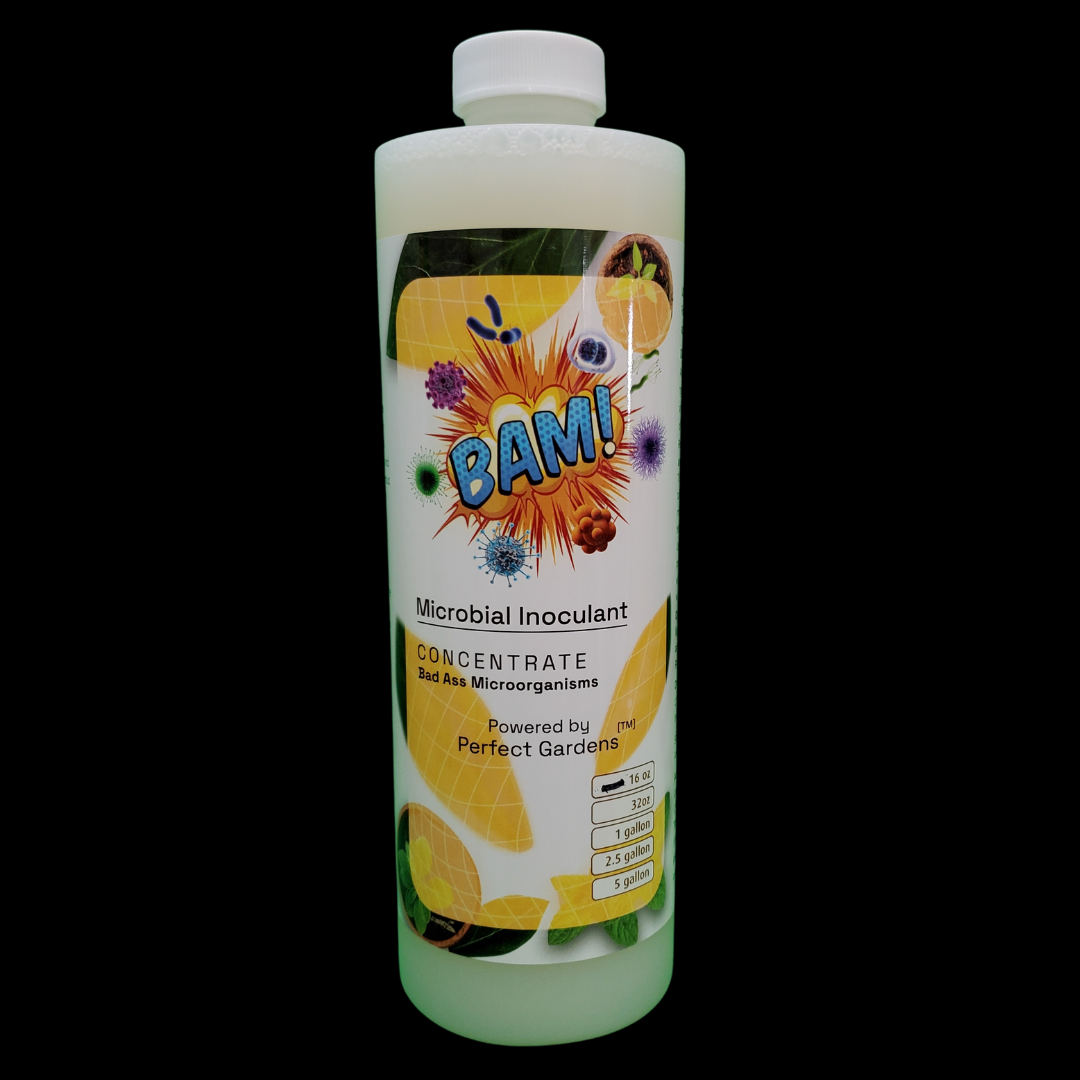
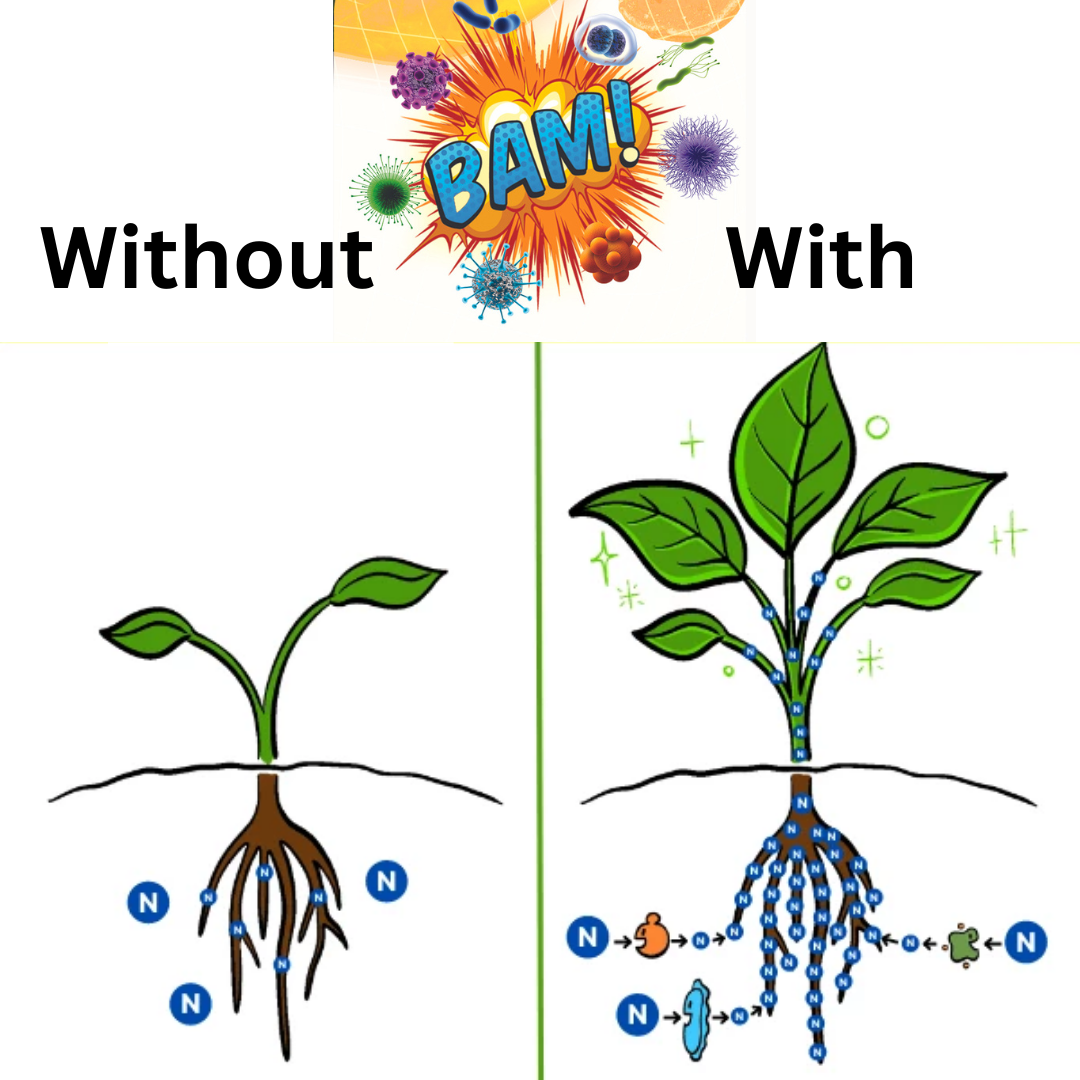
Beneficial bacteria perform equally important functions, including nitrogen fixation, phosphorus solubilization, and production of plant growth hormones. When you combine mineral-rich, contaminant-free water with microbial inoculants, you create ideal conditions for soil regeneration.
The key is providing these microorganisms with both proper hydration and nutrition. Treated water removes the chemicals that kill beneficial microbes while supplying trace minerals they need for reproduction and activity. This creates a positive feedback loop where healthy microbes improve soil structure, which improves water retention and nutrient cycling.
For best results, apply microbial inoculants through your irrigation system using the same treated water. This ensures maximum survival and establishment of beneficial organisms throughout your garden.
Real Results: From Struggling Gardens to Thriving Ecosystems
This water treatment approach works for all types of gardening applications. Whether you're growing tomatoes in containers, managing large vegetable gardens, or maintaining organic growing systems, addressing water quality first amplifies the effectiveness of all other inputs.
Tomato growers often see dramatic improvements because tomatoes are particularly sensitive to mineral deficiencies and chlorine exposure. When you provide optimal water nutrition, tomatoes develop stronger root systems, better disease resistance, and higher fruit quality.

The economic benefits become apparent quickly. Instead of purchasing multiple soil amendments, fertilizers, and plant foods throughout the growing season, you treat your water once and let that treatment improve everything you grow. A single bottle of concentrated mineral treatment can enhance hundreds of gallons of water, making it far more cost-effective than repeated soil amendments.
Scientific Evidence Supporting Water-Based Soil Improvement
Research in agricultural science consistently demonstrates the connection between water quality and soil health. Studies show that water-fertilizer coupling technology: the practice of optimizing both water and nutrient delivery simultaneously: significantly improves soil physicochemical properties while reducing the need for external inputs.
Fertigation systems, which deliver nutrients through irrigation water, achieve higher efficiency rates than traditional soil application methods. This precision approach reduces nutrient losses through leaching and volatilization while ensuring optimal plant uptake.
The microbial component receives strong scientific support as well. Soil microbiome research reveals that diverse microbial communities are essential for nutrient cycling, disease suppression, and soil structure development. When water treatment supports rather than inhibits these communities, soil health improves dramatically over time.
Getting Started with Water Treatment for Soil Health
Implementation requires minimal equipment and expertise. Start with a high-quality water treatment concentrate that addresses both contaminant removal and mineral supplementation. Calculate your garden's water needs and choose appropriate product sizes: most concentrated treatments handle 60+ gallons per ounce.
For ongoing soil health, incorporate microbial inoculants into your watering routine. These products work synergistically with treated water to establish thriving soil ecosystems that reduce dependence on external inputs.
Monitor your results through plant observation and soil testing. Healthy soil typically shows improved structure, increased organic matter content, and greater biological activity. Plants grown in properly treated soil exhibit stronger growth, better stress tolerance, and enhanced nutritional content.
The three-step water treatment approach: removing contaminants, adding trace minerals, and feeding soil microbes: offers a scientifically sound alternative to expensive soil amendments. By addressing the root cause of many garden problems, you can achieve better results while spending less money on inputs.
Your soil doesn't need more products; it needs better water. Make this simple change and watch your garden transform from the ground up.