
What Do Plants Really Need to Grow? The Soil Health Secret That Garden Centers Don't Want You to Know in 2026
Every spring, millions of gardeners spend hundreds of dollars on expensive soil amendments, fertilizers, and "miracle" growth products. Yet many still struggle with stunted plants, yellowing leaves, and disappointing harvests. What if I told you that the real problem isn't your soil: it's your water?
After decades of research into plant nutrition and soil health, scientists have uncovered a fundamental truth that garden centers prefer you don't know: the quality of your water determines how well your plants can access nutrients, regardless of how much you spend on soil amendments.
The 17 Essential Elements: What Plants Actually Need
Plants require exactly 17 essential nutrients to thrive. This isn't marketing hype: it's established plant science. These nutrients fall into three distinct categories:
Primary Macronutrients (needed in largest quantities):
- Nitrogen (N): Drives leafy growth and protein synthesis
- Phosphorus (P): Powers root development and energy transfer
- Potassium (K): Builds disease resistance and overall plant hardiness
Secondary Nutrients (moderate amounts required):
- Calcium, magnesium, and sulfur
Micronutrients (trace amounts essential):
- Iron, copper, boron, manganese, zinc, molybdenum, nickel, and chlorine
Here's the critical insight: most soils already contain sufficient quantities of calcium, magnesium, sulfur, and micronutrients. The problem isn't nutrient deficiency: it's nutrient availability.
The Soil Amendment Myth That's Costing You Money
Garden centers have built a billion-dollar industry convincing gardeners that more is better. Add bone meal for phosphorus! Mix in kelp meal for potassium! Layer on the compost for nitrogen!
But here's what they're not telling you: adding nutrients to soil that can't properly deliver them to plants is like pouring water into a bucket with holes.
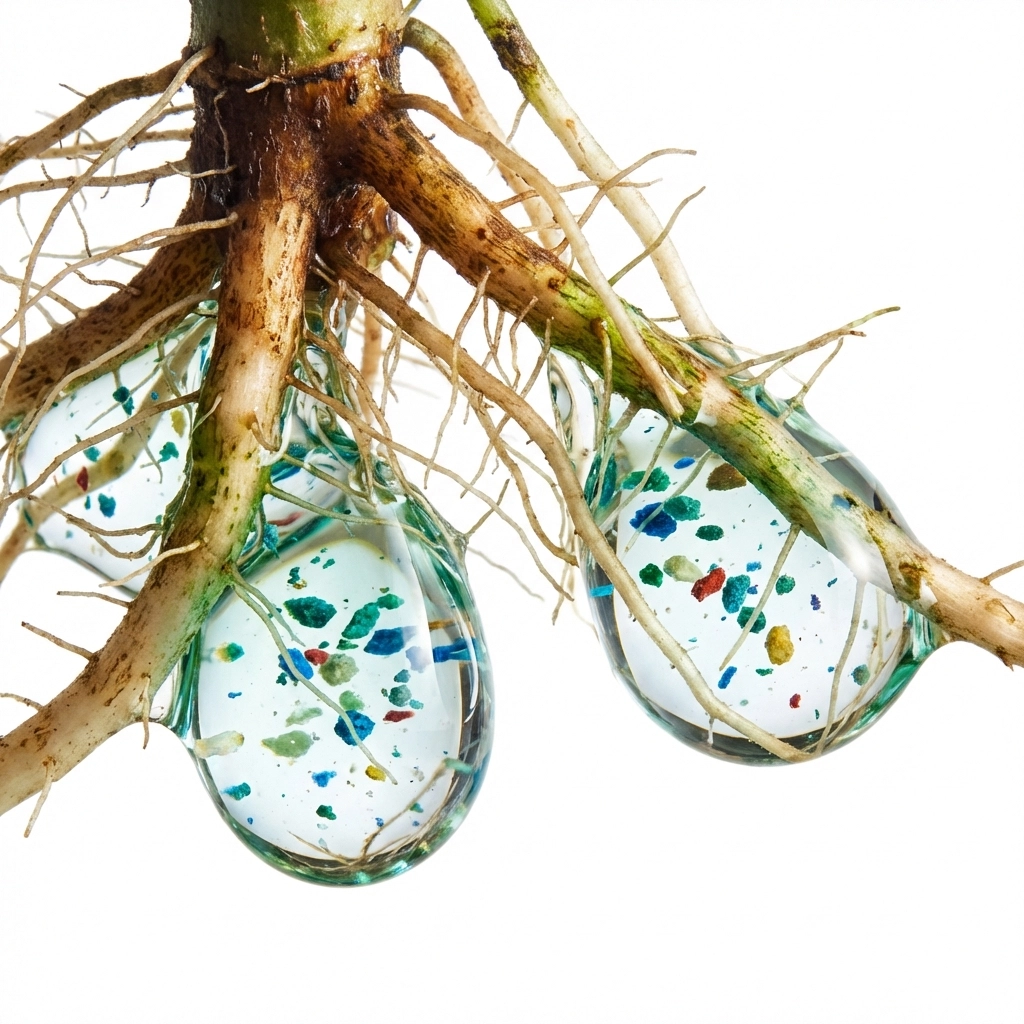
The real issue lies in soil chemistry and microbiology. When your irrigation water contains chlorine, fluoride, and other chemical contaminants: which virtually all municipal water does: these substances actively disrupt the delicate soil ecosystem that makes nutrients available to plants.
Chlorine, added to municipal water as a disinfectant, doesn't discriminate between harmful bacteria and beneficial soil microorganisms. A single watering with chlorinated tap water can destroy months of careful soil building. Fluoride compounds interfere with enzyme function in both soil microbes and plant roots, creating a cascade of nutritional problems that no amount of expensive amendments can fix.
The Hidden Water Quality Problem
Most gardeners focus obsessively on NPK ratios and organic matter percentages while completely ignoring the vehicle delivering these nutrients: water. This represents a fundamental misunderstanding of how plant nutrition actually works.
Water quality affects every aspect of nutrient uptake:
- Soil microbiology: Beneficial bacteria and fungi that convert nutrients into plant-available forms are decimated by chemical contaminants in tap water
- Root health: Chemical residues accumulate in soil, creating toxic conditions that damage root systems
- Nutrient transport: Contaminated water interferes with the plant's ability to move nutrients from roots to leaves
- pH balance: Chemical additives alter soil pH, locking up nutrients even when they're present in abundance
The Trace Mineral Connection
While nitrogen, phosphorus, and potassium get all the attention, trace minerals often represent the limiting factors in plant health. These micronutrients function as enzymatic cofactors, enabling hundreds of biochemical processes essential for growth, reproduction, and disease resistance.
The problem with conventional fertilizers is that they're designed for immediate NPK delivery, not long-term trace mineral availability. Plants watered with contaminated water develop what scientists call "hidden hunger": they appear to be growing normally but are actually starving for specific trace elements.
Common signs of trace mineral deficiency include:
- Weak disease resistance despite adequate NPK fertilization
- Poor fruit development and low yields
- Increased susceptibility to environmental stress
- Slow recovery from pruning or transplanting
The Science Behind Water Treatment for Plants
Recent agricultural research has revealed that water treatment can be more effective than soil amendments for improving plant health. When you remove chemical contaminants and add back essential trace minerals, you create optimal conditions for nutrient uptake: regardless of your existing soil composition.
Drops of Balance represents a paradigm shift in plant nutrition. Rather than adding more nutrients to soil, this concentrated mineral solution transforms your irrigation water into a delivery system for bioavailable trace elements while simultaneously removing the chemical contaminants that interfere with plant metabolism.
The process works through selective ion exchange and chelation. Chemical contaminants are bound and neutralized while essential minerals are released in forms that plant roots can immediately utilize. This creates a synergistic effect: better nutrient availability combined with reduced chemical stress.
Real-World Results: The Plant Comparison
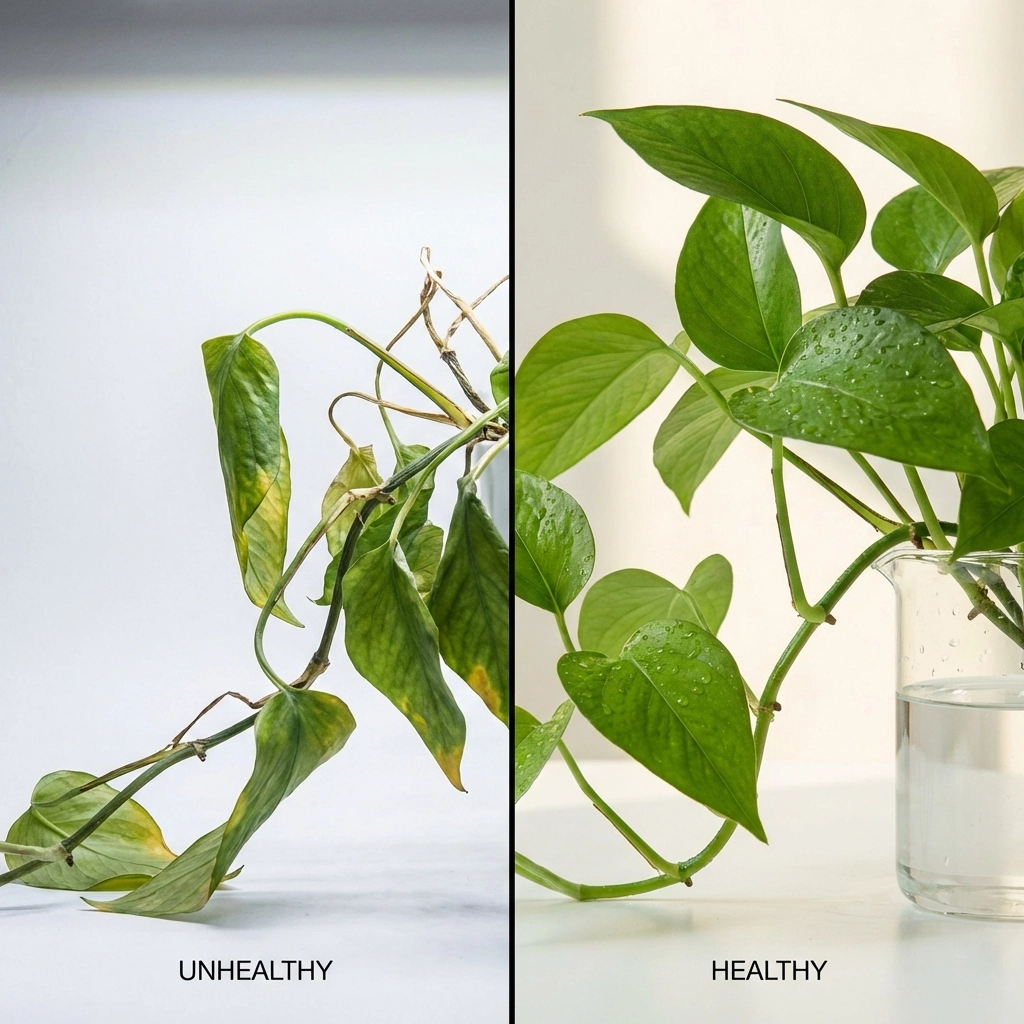
The difference is dramatic and measurable. Plants watered with treated water show:
- 30-50% larger root systems within 4-6 weeks
- Improved nutrient uptake efficiency across all 17 essential elements
- Enhanced soil microbiology with increased beneficial bacterial populations
- Better stress tolerance during drought, temperature extremes, and disease pressure
These aren't subjective observations: they're quantifiable improvements that gardeners document season after season.
Stop Wasting Money on Expensive Soil Amendments
Before you spend another dollar on soil amendments, consider this: a $20 bottle of water treatment can transform thousands of gallons of irrigation water, delivering consistent results that no amount of expensive soil additives can match.
The mathematics are compelling. Most soil amendments work for a single growing season and must be reapplied annually. Water treatment, conversely, continues working as long as you're watering your plants. The cost per gallon of treated water works out to mere pennies, making it the most economical approach to plant nutrition available.
Practical Application for 2026 Gardens
Implementing water treatment in your garden requires no special equipment or complicated procedures. The process takes less than five minutes per watering session:
- Add the recommended concentration to your watering container
- Allow 2-3 minutes for chemical neutralization to complete
- Water your plants as normal
For larger operations, concentrated formulations allow treatment of hundreds of gallons with minimal effort. Many commercial growers have completely eliminated soil amendment programs in favor of consistent water treatment protocols.
The transformation typically becomes visible within 2-3 weeks as new growth emerges with deeper green coloration and stronger structural development. Root zone improvements occur even faster, often measurable within the first week of treatment.
The Future of Plant Nutrition
As water quality continues to deteriorate due to industrial contamination and increased chemical treatment, water-based plant nutrition represents the logical evolution of gardening practice. Rather than fighting contaminated water with expensive soil additions, smart gardeners are addressing the root cause of nutritional problems.
This approach aligns with sustainable gardening principles by reducing dependence on resource-intensive soil amendments while maximizing the efficiency of existing nutrients. When plants can properly access the minerals already present in soil, additional fertilization becomes largely unnecessary.
The gardening industry is slowly recognizing this shift, but early adopters are already experiencing the benefits of science-based plant nutrition. As more gardeners discover that healthy water creates healthy plants more effectively than any soil amendment, we expect this approach to become the new standard for serious plant cultivation.
Your plants deserve water that nourishes rather than poisons. The choice is yours: continue spending money on soil band-aids, or address the fundamental issue that's been limiting your garden's potential all along.