
7 Mistakes You’re Making with Houseplant Water (and How to Fix Them)
For many plant enthusiasts, watering seems like the simplest task in the book: see dry soil, add water. However, if you’ve noticed yellowing leaves, stunted growth, or a mysterious "white crust" on your soil, your watering routine might be doing more harm than good.
To truly understand what do plants need to grow, we have to look beyond simple hydration. Plants require a complex balance of clean water, dissolved oxygen, and a spectrum of trace minerals to facilitate photosynthesis and nutrient uptake. When we use untreated tap water or improper techniques, we inadvertently introduce toxins and create physiological stress.
Here are the seven most common mistakes people make when watering houseplants and the scientific solutions to fix them.
1. The "Schedule" Trap: Overwatering by the Calendar
One of the most frequent errors is watering on a strict weekly schedule regardless of environmental conditions. Overwatering occurs when the soil remains saturated for too long, displacing the oxygen necessary for root respiration.
When oxygen is absent, the environment becomes anaerobic, leading to root rot (Pythium). Scientifically, the roots lose their ability to transport water to the leaves, which is why an overwatered plant often looks wilted, mimicking a thirsty plant.
The Fix: Use the "finger test" or a moisture meter. Most houseplants prefer the top one to two inches of soil to dry out before the next watering. For a deeper understanding of soil health, visit our FAQ page.
2. Shallow Watering and the "Dry Core"
Many people water just enough to dampen the surface of the soil. This encourages roots to grow upward toward the moisture rather than downward. Over time, the bottom of the root ball becomes hydrophobic (water-repellent) and the plant loses its stability and ability to access minerals deep in the pot.
The Fix: Water until you see liquid exiting the drainage holes at the bottom. This ensures the entire root system is hydrated and helps flush out excess salts that can accumulate from synthetic fertilizers.
3. Ignoring the Chemistry of Tap Water
This is perhaps the most significant mistake in modern plant care. Municipal tap water is treated with chlorine, chloramines, and fluoride to make it safe for human consumption. While effective for sanitation, these chemicals are biocides, they are designed to kill microorganisms.
In a plant’s ecosystem, beneficial soil microbes are essential for breaking down organic matter into bioavailable nutrients. When you water with untreated tap water, you are essentially "sanitizing" your soil, killing the very biology your plant relies on. Furthermore, fluoride can accumulate in leaf tips, causing the dreaded "tip burn" common in Spathiphyllum (Peace Lilies) and Dracaena.
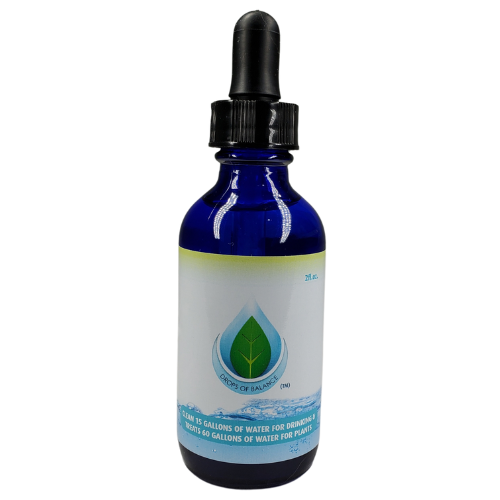
The Fix: Use a specialized water treatment for plants. Drops of Balance 2 oz uses a concentrated mineral solution to neutralize harmful chemicals like fluoride and chlorine through a process of precipitation and ion exchange. Just a few drops can transform toxic tap water into a mineral-rich solution that supports rather than hinders growth.
4. Cold Water Shock
Plants are sensitive to thermal changes. Using ice-cold water straight from the tap can cause "thermal shock" to the root hairs. This shock slows down metabolic processes and can cause the plant to drop leaves or stop growing for several weeks.
The Fix: Always water with room-temperature water. Let your water sit for a few minutes after treating it with Drops of Balance to ensure it reaches an ambient temperature that won't startle tropical species.
5. Forgetting Trace Minerals (The N-P-K Myth)
Most people believe that as long as they provide Nitrogen (N), Phosphorus (P), and Potassium (K), their plants have everything they need. However, what do plants need to grow effectively involves over 70 different trace minerals.
Trace minerals act as catalysts for enzymatic reactions within the plant. Without minerals like magnesium, iron, zinc, and manganese, the plant cannot properly utilize its primary fertilizers. This leads to "nutrient lockout," where the nutrients are present in the soil but the plant is biologically unable to absorb them.
The Fix: Re-mineralize your water. By adding a concentrated mineral solution, you provide the full spectrum of elements found in natural spring water, which mimics the plant's native environment.
6. Neglecting the Soil Microbiome
The soil is not just "dirt"; it is a living, breathing community. Many houseplant owners focus solely on the plant and forget about the microbes. Beneficial bacteria and fungi (mycorrhizae) form a symbiotic relationship with plant roots, extending the root's reach and protecting it from pathogens.
If you have been using tap water for years, your soil is likely biologically sterile. This makes the plant more susceptible to pests and diseases.
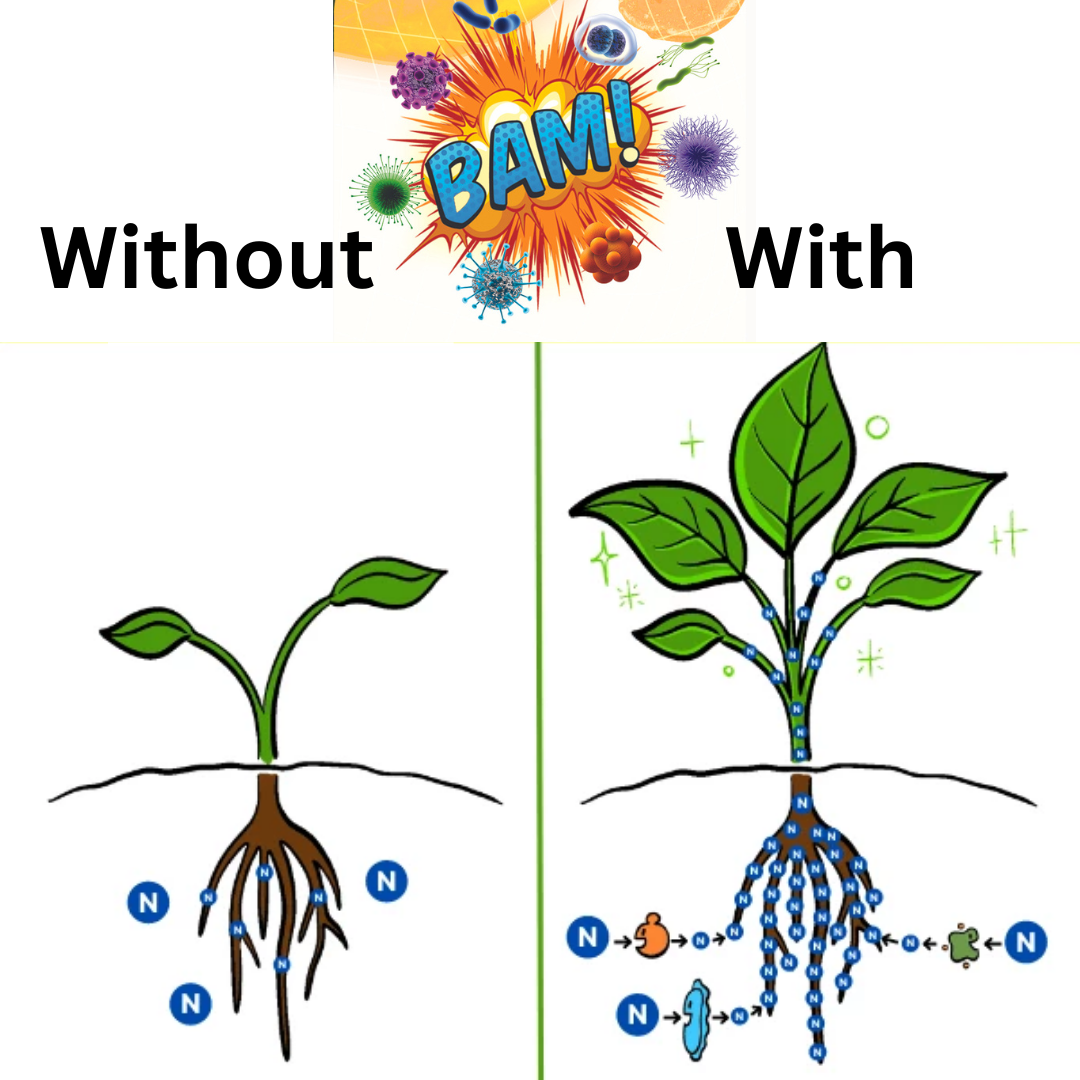
The Fix: Inoculate your soil with beneficial biology. Using a product like BAM! (Beneficial Adaptive Microbes) helps restore the natural balance of the soil. When combined with mineralized water, these microbes thrive and create a "nutrient highway" directly to your plant's roots.

You can find the BAM! 32oz concentrate here to jumpstart your soil’s biological activity.
7. Watering Based on Leaf Symptoms Alone
When a plant looks "sad," the universal reaction is to add more water. However, drooping can be caused by many things: light stress, temperature changes, or even root rot caused by too much water. If you keep adding water to a plant that is already struggling with root rot, you are accelerating its decline.
The Fix: Check the soil before reacting. If the soil is wet and the plant is drooping, it is likely a drainage or root health issue, not a thirst issue. In these cases, treating the soil with a mineral-rich solution and microbes can help "clean" the root zone and encourage the growth of new, healthy roots.
The Science of "Balanced" Water
At Drops of Balance, we focus on the fundamental science of water. Whether you are drinking it or giving it to your Fiddle Leaf Fig, the quality of the water dictates the health of the organism.
Standard water treatment for plants often stops at filtration, but filtration alone can strip water of its vital "life force": the minerals. Our sulfated trace mineral technology works by pulling contaminants out of suspension while simultaneously adding back the essential elements that have been depleted from modern topsoils and municipal supplies.
How to Implement a Proper Watering Protocol:
- Treat Your Water: Fill a watering can with tap water and add Drops of Balance according to the dosage instructions (usually 0.5 ml per gallon for plants). This neutralizes toxins and adds trace minerals.
- Add Microbes: Once a month, add BAM! to your mineralized water to maintain the soil's microbial health.
- Check Moisture: Ensure the plant actually needs water.
- Deep Soak: Water thoroughly until it drains, then discard any excess water in the saucer after 30 minutes to prevent "wet feet."
By shifting your focus from "watering" to "nourishing," you address the root cause of common plant failures. When you provide the minerals and microbial life that plants evolved with, you’ll see faster growth, more vibrant colors, and a higher resistance to pests.

For more information on how our mineral solutions support both human and plant health, explore our Safety Testing or learn more about Mineral Deficiencies in modern environments. Ready to upgrade your garden? Check out our Full Bundle Options to get everything you need for total water and soil optimization.