
Why Everyone Is Talking About PFAS in Hoses (And How It’s Impacting Your Soil Health)
You’ve done everything right. You bought the organic seeds, you’ve been composting like a pro, and you spend your weekends pulling weeds by hand. But there is a silent guest at your garden party that you probably didn't invite: PFAS. Specifically, the PFAS potentially leaching out of your standard garden hose every time you water your prize-winning tomatoes.
Lately, there’s been a lot of "hose talk" in the gardening and wellness communities. While we used to worry mostly about lead or BPA in plastics, the conversation has shifted toward a much more persistent group of chemicals. If you care about soil health and the quality of the food you’re growing, it’s time to take a look at what’s actually flowing through your tap and into your garden.
What Exactly Are PFAS?
PFAS, or per- and polyfluoroalkyl substances, are often called "forever chemicals." They earned this nickname because they don't break down easily in the environment, or in our bodies. They are a group of synthetic chemicals used since the 1940s to make products resistant to heat, water, and stains. You’ll find them in non-stick cookware, waterproof clothing, and, as it turns out, the linings of many garden hoses.
In the world of hoses, PFAS are often found in products featuring PTFE (Polytetrafluoroethylene), more commonly known as Teflon. Manufacturers use these linings because they make the hose durable and prevent kinking. While that's great for the lifespan of the hose, it’s not so great for the "lifespan" of your soil’s delicate ecosystem.

The Hidden Connection: Hoses and Soil Contamination
You might think, "It’s just a little bit of water passing through a plastic tube; how bad can it be?" The reality is that PFAS are highly mobile. Research has shown that these chemicals can migrate from the hose lining into the water, and once they hit your garden, they don’t just disappear.
When you use contaminated water, you aren't just hydrating your plants; you’re introducing substances that can alter the very foundation of your garden. Soil health is dependent on a complex web of chemistry and biology. PFAS have been shown to shift bacterial diversity in the dirt. Some "bad" bacteria might thrive, while the beneficial microbes, the ones that help your plants absorb nutrients, begin to die off.
Furthermore, PFAS can change the soil's pH balance and reduce water-soluble aggregates. This means your soil becomes less efficient at holding onto water and nutrients, leading to a downward spiral in plant vitality.
The Food Chain Flip: From Soil to Supper
The biggest concern for home gardeners is "uptake." Scientific studies have confirmed that PFAS don't just sit in the dirt; they move. They can be absorbed by the roots of crops like wheat, maize, and leafy greens. From there, they enter the plant tissue. If you’re growing a backyard salad to avoid the chemicals in grocery store produce, watering with PFAS-laden water through a cheap hose might be undoing your hard work.
In places like Maine, we’ve seen extreme examples where PFAS in the soil led to the contamination of dairy farms, impacting milk, hay, and the health of the animals. While your backyard garden is on a smaller scale, the principle remains the same: what goes into the soil goes into the plant, and what goes into the plant goes into you.
Why Standard Water Isn't Cutting It
Even if you replace your hose with a "lead-free" or "drinking water safe" version, you still have to deal with the water source itself. Most municipal tap water is treated with chlorine or chloramines to kill bacteria. While this makes the water safe to drink from a pathogen standpoint, it’s effectively an antibiotic for your soil.
Chlorine kills the beneficial microbes that your plants rely on. When you combine the chemical load of tap water (fluoride, chlorine, heavy metals) with the potential leaching of PFAS from your hose, your plants are essentially fighting a chemical war just to survive. This is where the concept of water treatment for plants becomes a game-changer.
How Drops of Balance Steps In
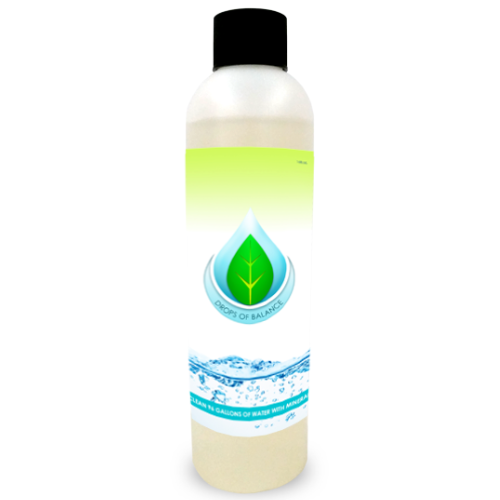
At Drops of Balance, we look at water through a scientific lens. We know that you can't just "filter" your way out of every problem, especially when you're watering a large garden. You need a solution that neutralizes toxins and restores the natural mineral balance that plants crave.
Our mineral solution uses a concentrated blend of sulfated minerals to trigger a process called "flocculation." When added to water, these minerals bind to contaminants, including heavy metals and other toxins, making them inert or causing them to settle out. While PFAS are notoriously difficult to remove completely without high-end industrial filtration, treating your water with Drops of Balance helps protect the soil's biological integrity. By neutralizing the chlorine and balancing the mineral profile, you’re giving the soil microbes a fighting chance to thrive despite the presence of environmental pollutants.
Restoring the "Microbial Internet" with BAM!
If PFAS and chlorine have already done a number on your garden, you need to do more than just clean the water. You need to "re-inoculate" the soil. Think of it like taking a probiotic after a round of antibiotics.
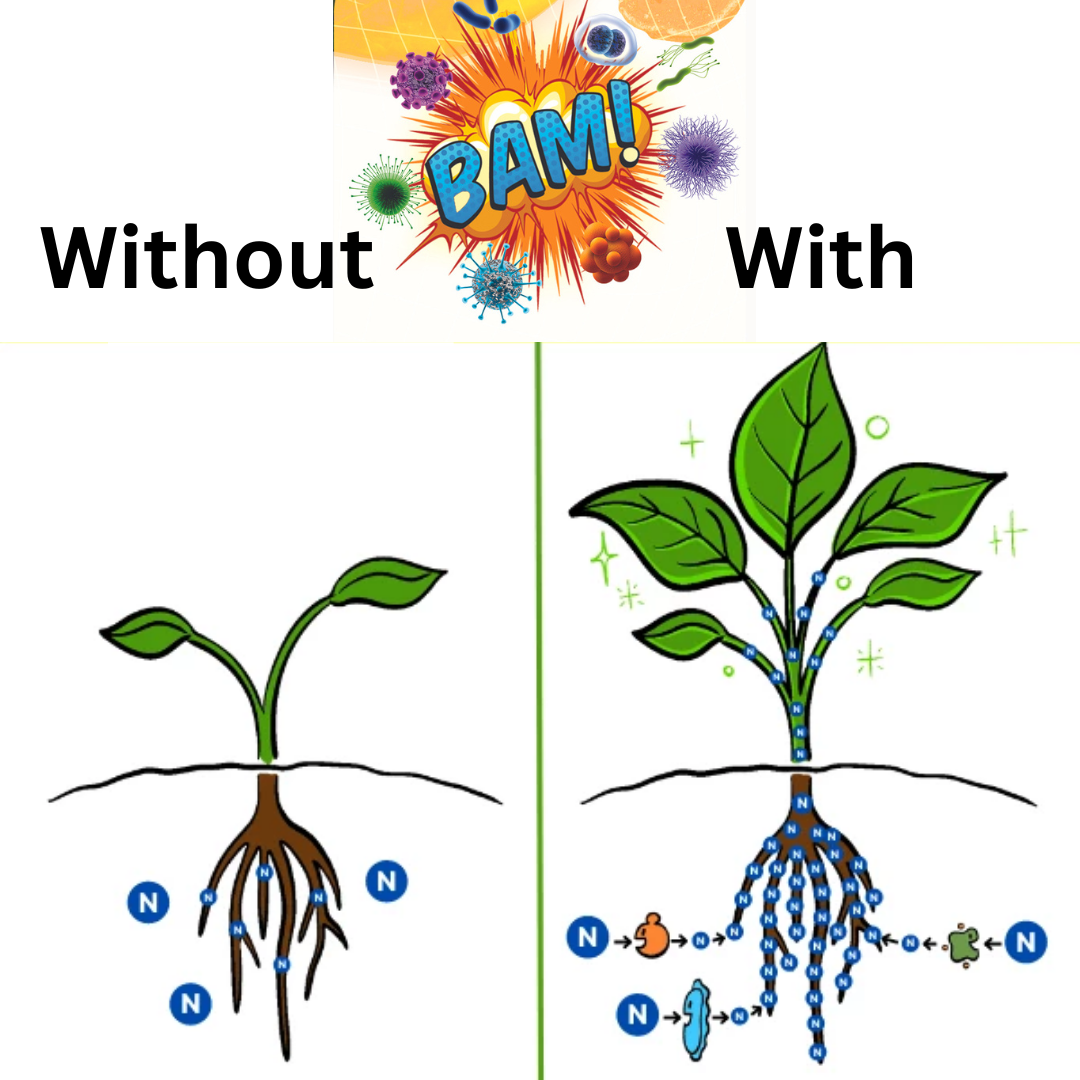
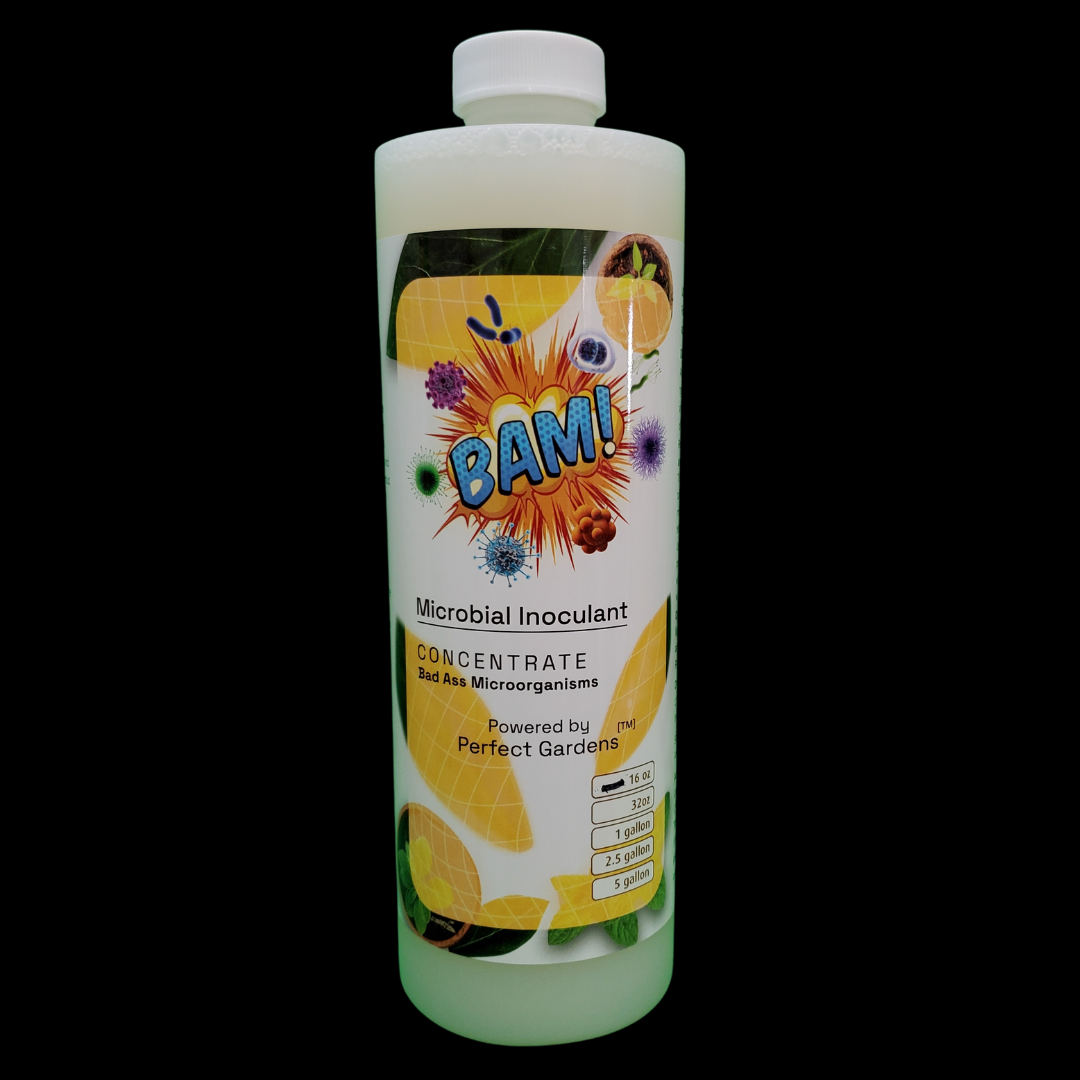
This is where our BAM! Microbial Inoculant comes into play. BAM! is a concentrated solution of beneficial microorganisms designed to jumpstart soil biology. These microbes work in tandem with the minerals in Drops of Balance to create a thriving environment where plants can maximize nutrient uptake.
When you use a high-quality microbial inoculant, you are essentially rebuilding the "microbial internet" beneath the surface. These microbes help break down organic matter, fix nitrogen, and even help the plant's roots bypass some of the stress caused by environmental toxins.
Actionable Steps for a Healthier Garden
So, what can you do today to protect your soil from the PFAS and toxin trap?
- Check Your Hose: Look for hoses labeled "PVC-Free" or "Polyurethane." Avoid hoses that boast about "Teflon" or "PTFE" linings.
- Flush the Line: If you have to use a standard hose, let the water run for a minute or two before pointing it at your plants. The highest concentration of leached chemicals is usually in the water that’s been sitting stagnant in the hose under the sun.
- Treat Your Water: Use a mineral concentrate like Drops of Balance to neutralize harmful additives in your tap water. This is the most effective form of water treatment for plants at the home-scale level.
- Boost Soil Resilience: High soil organic matter has been shown to bind to PFAS, slowing its movement into groundwater or plants. Use compost and microbial additives to keep your soil rich and biologically active.
- Test Your Water: If you're really concerned, look into safety testing for your well or tap water to see exactly what you’re dealing with.
The Big Picture: Science-Backed Gardening
Gardening is a science as much as it is an art. Understanding the chemical interactions between your hose, your water, and your soil is the first step toward a truly healthy harvest. PFAS are a challenge, yes, but they aren't an invincible one. By being intentional about the materials you use and the way you treat your water, you can mitigate the risks and ensure that your soil health stays at its peak.
For those looking to take a comprehensive approach to garden health, our 460-gallon Water and Soil Treatment Solutions Bundle offers everything you need to clean your water and supercharge your soil's microbial life.
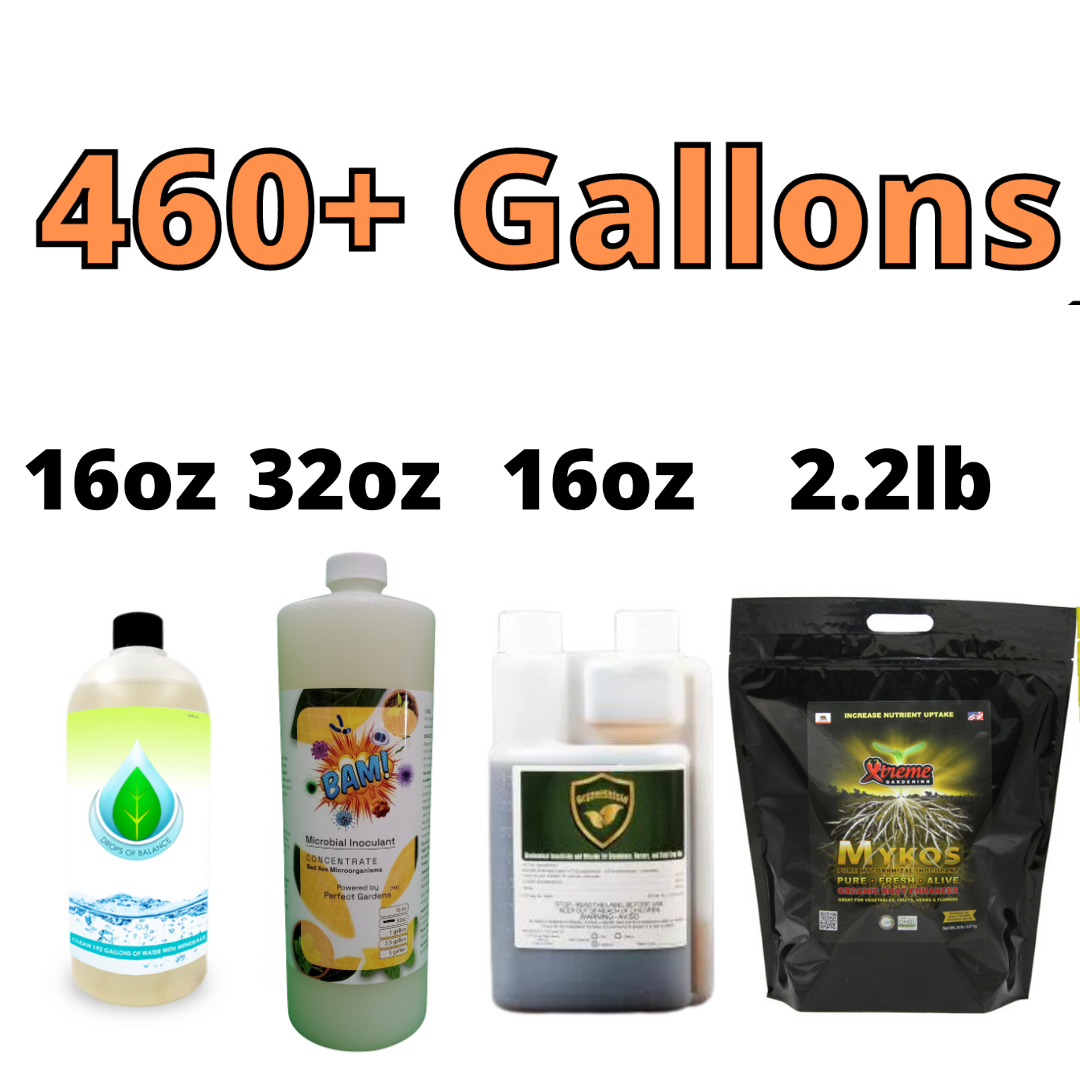
At the end of the day, we want our gardens to be a source of life, not a source of "forever chemicals." A little bit of knowledge and the right minerals can go a long way in keeping your backyard oasis exactly as nature intended: balanced.
For more information on how to optimize your water, check out our FAQ page or browse our full collection of treatment solutions. Let's keep the chemicals out and the minerals in!