

7 Mistakes You're Making with Fall Compost
Fall is the "golden hour" for gardeners. The harvest is winding down, the air is crisp, and the ground is covered in the best raw material nature provides: leaves. While most people see yard waste, a seasoned gardener sees the foundation of next year's organic fertilizer.
However, composting in the fall isn't as simple as piling up debris and walking away until April. Because the ambient temperature is dropping, the biological activity within your compost pile faces unique challenges. If you want to turn those autumn leaves into "black gold" for your soil health, you need to avoid these seven common pitfalls.
1. The "Set It and Forget It" Fallacy
The biggest mistake gardeners make in October and November is assuming the pile will take care of itself. In the summer, heat does a lot of the heavy lifting. In the fall, as the soil and air cool, the thermophilic (heat-loving) bacteria that drive decomposition begin to go dormant.
If you just toss leaves in a corner, they will sit there: cold, wet, and unchanged: until spring. This creates a "dead zone" in your garden cycle. To keep the process moving, you need to actively manage the pile's internal temperature by ensuring it has enough mass (at least 3x3x3 feet) to insulate itself against the coming frost.
2. Neglecting the Carbon-to-Nitrogen Ratio
In the fall, we are drowning in "browns" (carbon-rich materials like dried leaves, straw, and corn stalks). While carbon is essential for providing energy to microbes, a pile made of 100% leaves will decompose at a snail's pace.
Scientifically speaking, the ideal microbial diet requires a Carbon-to-Nitrogen (C:N) ratio of roughly 30:1. When you have too much carbon, the microbes lack the protein (nitrogen) they need to build their bodies and multiply. To fix this, you must aggressively add "greens" (nitrogen-rich materials). Since grass clippings are scarce in late fall, look to kitchen scraps, coffee grounds, or even a high-quality microbial booster to balance the scales.
3. Using Untreated Water (The "Chlorine" Problem)
Most gardeners know that a compost pile needs to stay moist: roughly the consistency of a wrung-out sponge. However, a major mistake is hydrating your pile with standard city tap water.
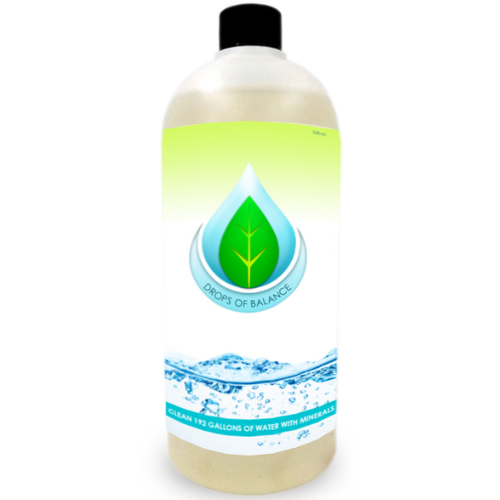
Tap water is treated with chlorine or chloramines, which are biocides designed specifically to kill microorganisms. When you douse your compost in chlorinated water, you are effectively nuking the very bacteria and fungi you’re trying to cultivate. For a truly effective garden soil amendment, you should use filtered or mineralized water.
Using a solution like Drops of Balance helps neutralize harmful contaminants while introducing ionic sulfate minerals that support microbial life rather than suppressing it.
4. Forgetting to Feed the Microbes Before the Freeze
As winter approaches, the microbes in your compost pile are preparing for a metabolic slowdown. One of the most common errors is failing to "inoculate" the pile with a fresh batch of beneficial biology before the ground freezes.
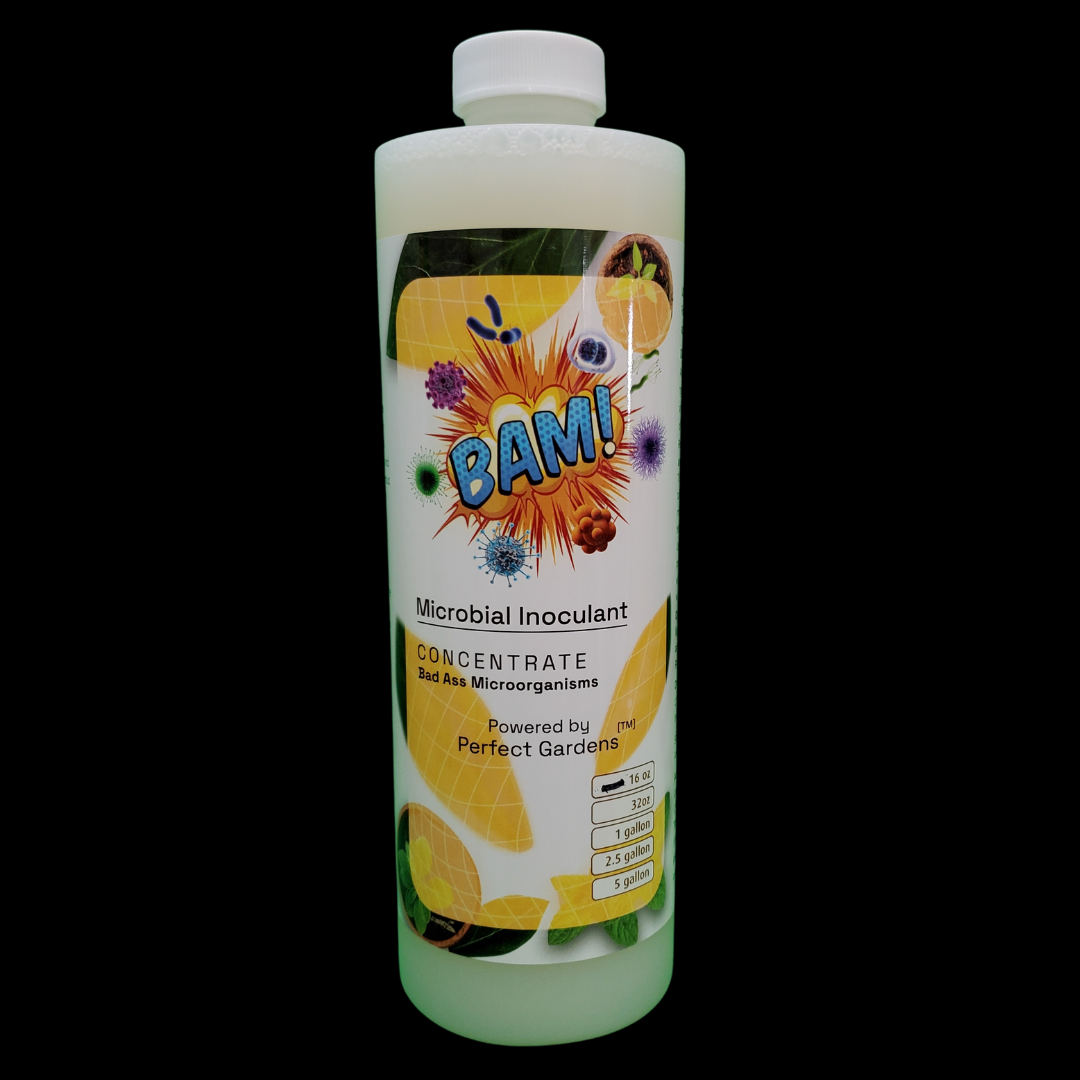
Think of your compost as a living engine. If the "battery" is low, it won't start in the spring. By adding a concentrated microbial inoculant in the fall, you ensure a diverse population of bacteria and fungi are present to break down tough cellulose and lignin throughout the winter months.
Products like BAM! Microbial Inoculant are perfect for this. They introduce a "Benign Alpha Microorganism" culture that can outcompete pathogens and keep the fermentation process alive even when the mercury drops.
5. Lack of Trace Minerals
We often focus on the "Big Three" (Nitrogen, Phosphorus, Potassium), but decomposition is a complex biochemical process that requires an array of trace minerals to act as catalysts. Enzymes: the proteins that actually break down organic matter: often require a metallic cofactor (like Zinc, Manganese, or Iron) to function.
If your soil is mineral-depleted, your compost will be too. Adding a mineral concentrate to your fall compost routine ensures that the resulting organic fertilizer is nutrient-dense. This isn't just about the plants; it's about the chemistry of decay. Without trace minerals, the microbial "machinery" literally grinds to a halt. You can find comprehensive mineral kits in our Recharge Collection to ensure your pile has everything it needs to thrive.
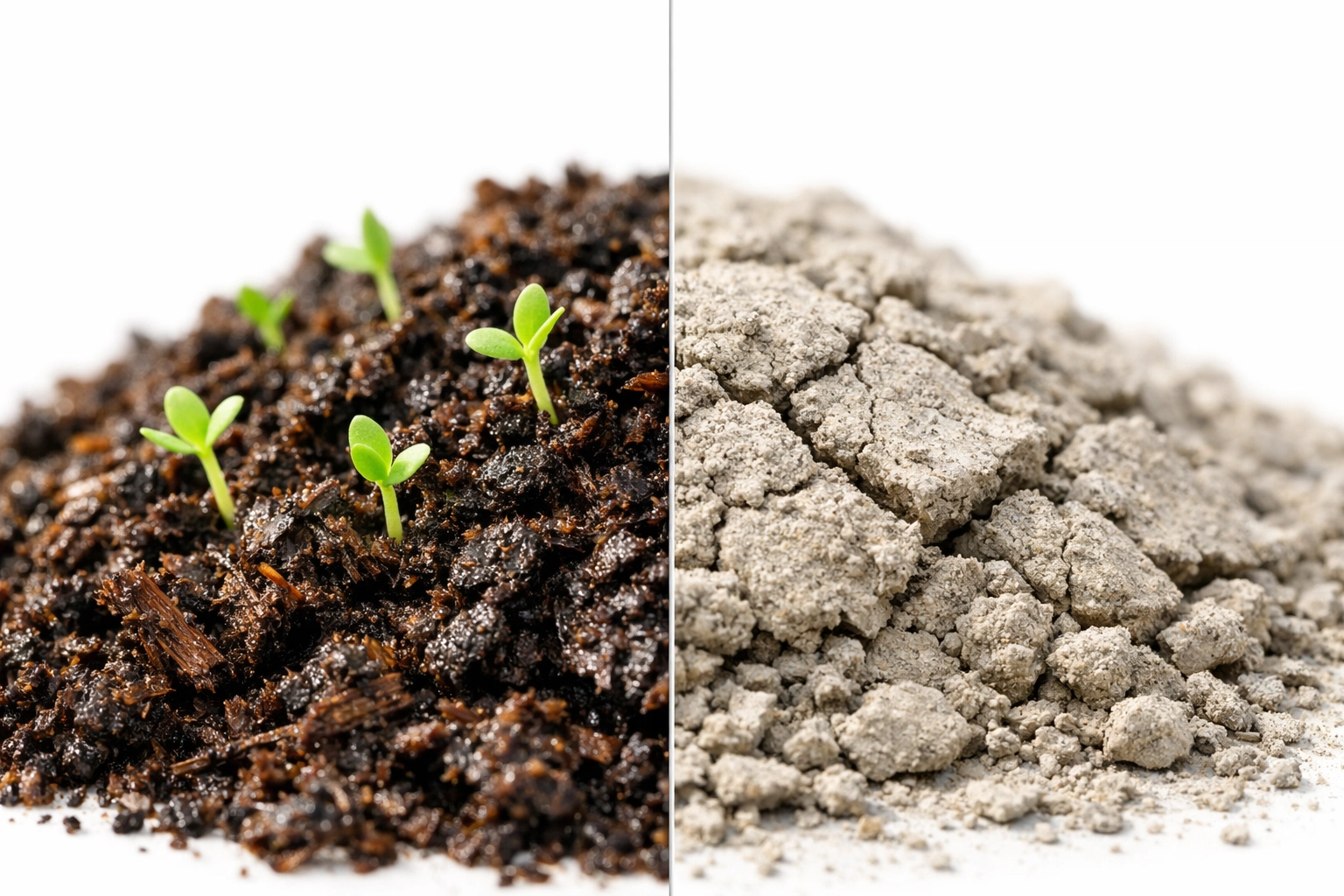
Caption: A microscopic view of mineral-rich soil versus depleted soil, showing the difference in microbial density.
6. Adding "Problem" Plants and Seed Heads
It’s tempting to do a "deep clean" of the garden and throw everything into the bin. However, home compost piles rarely reach the sustained temperatures (140°F–160°F) necessary to kill weed seeds or persistent pathogens.
If you add seed heads from late-season weeds or plants suffering from powdery mildew or late blight, you aren't disposing of them: you’re preserving them. Come spring, when you spread your "finished" compost, you’ll actually be replanting weeds and re-infecting your garden beds. Be selective. If a plant looks diseased, it belongs in the municipal waste bin, not your backyard pile.
7. Adding Large, Un-Shredded Materials
Surface area is the name of the game in composting. A whole oak leaf has a very small surface-area-to-volume ratio, making it difficult for microbes to gain a foothold. It can take two years for a whole leaf to break down completely.
One of the best things you can do for your soil health is to shred your fall materials. Run your lawnmower over your leaves a few times before adding them to the pile. By breaking the material into smaller bits, you provide thousands of tiny "entry points" for bacteria and fungi. This simple step can accelerate the decomposition process by 300% to 400%, ensuring you have usable material by the time your spring seeds are ready for the ground.
Putting It All Together: The Science of Fall Success
Composting is more than just a chore; it’s a biological investment. By avoiding these seven mistakes, you are ensuring that your garden has the best possible start for the next growing season.
Quick Checklist for Fall Composting:
- Shred everything: Increase surface area for faster decay.
- Balance your C:N: Add coffee grounds or kitchen scraps to those piles of leaves.
- Mineralize: Use Drops of Balance to add ionic minerals that act as enzymatic catalysts.
- Inoculate: Use BAM! to ensure the right microbes are in the driver's seat.
- Monitor Moisture: Keep it damp, but use treated, contaminant-free water to protect the biology.
If you’re looking to level up your garden's performance, check out our full range of Water and Soil Treatment Solutions. Whether you’re a hobbyist or a professional, the secret to a great harvest always starts with the health of the soil.
For more deep dives into the science of gardening and water purity, explore our Books Collection or read more on our blog. Happy composting!