
Mineral Magic: Why Your Soil Needs Trace Minerals Before the First Frost
As the days get shorter and that crisp autumn air starts to bite, most gardeners and farmers are busy winding down. We’re harvesting the last of the tomatoes, pulling up spent vines, and maybe thinking about a nice long winter nap. But here’s a secret the most successful growers know: next year’s record-breaking harvest starts right now.
While the surface of your garden might look like it’s going to sleep, the soil underneath is a bustling metropolis of biological and chemical activity. To set yourself up for a "BAM!" of a spring, you need to talk about the foundation of all plant life: trace minerals.
In this guide, we’re diving deep into the science of soil health, why trace minerals for soil are the ultimate organic fertilizer, and why getting them into the ground before the first frost is a total game-changer.
The "Silent Hunger": Why Our Soil is Depleted
It’s a hard truth to swallow, but much of the soil we work with today: whether it’s a small backyard plot or a large-scale farm: is "hungry." Decades of conventional farming and the use of synthetic fertilizers have focused heavily on the "Big Three" (Nitrogen, Phosphorus, and Potassium), often neglecting the dozens of micronutrients that actually make the engine run.
Research shows that some supermarket vegetables contain between 5% and 40% fewer micronutrients than the same varieties grown 50 years ago. This isn't just a loss of flavor; it’s a loss of biological function. When we harvest crops, we are essentially mining minerals out of the ground. If we don’t put them back, the soil becomes exhausted.
By focusing on soil health now, you aren't just feeding plants; you are restoring the geological balance of your land.
Trace Minerals: The Biological Catalysts
Think of trace minerals: like zinc, boron, copper, and molybdenum: as the "spark plugs" of your soil’s engine. A car can have a full tank of gas (Nitrogen), but if the spark plugs are fouled, you aren’t going anywhere.
These elements operate as catalysts. They trigger thousands of biochemical reactions within the plant and the soil microbiome. Here’s a breakdown of the heavy hitters:
- Zinc: This is the architect of growth. It is essential for forming auxins: the growth hormones that govern leaf size and stem length. Without enough zinc, your plants will have stunted "little leaf" syndrome, which drastically reduces their ability to photosynthesize.
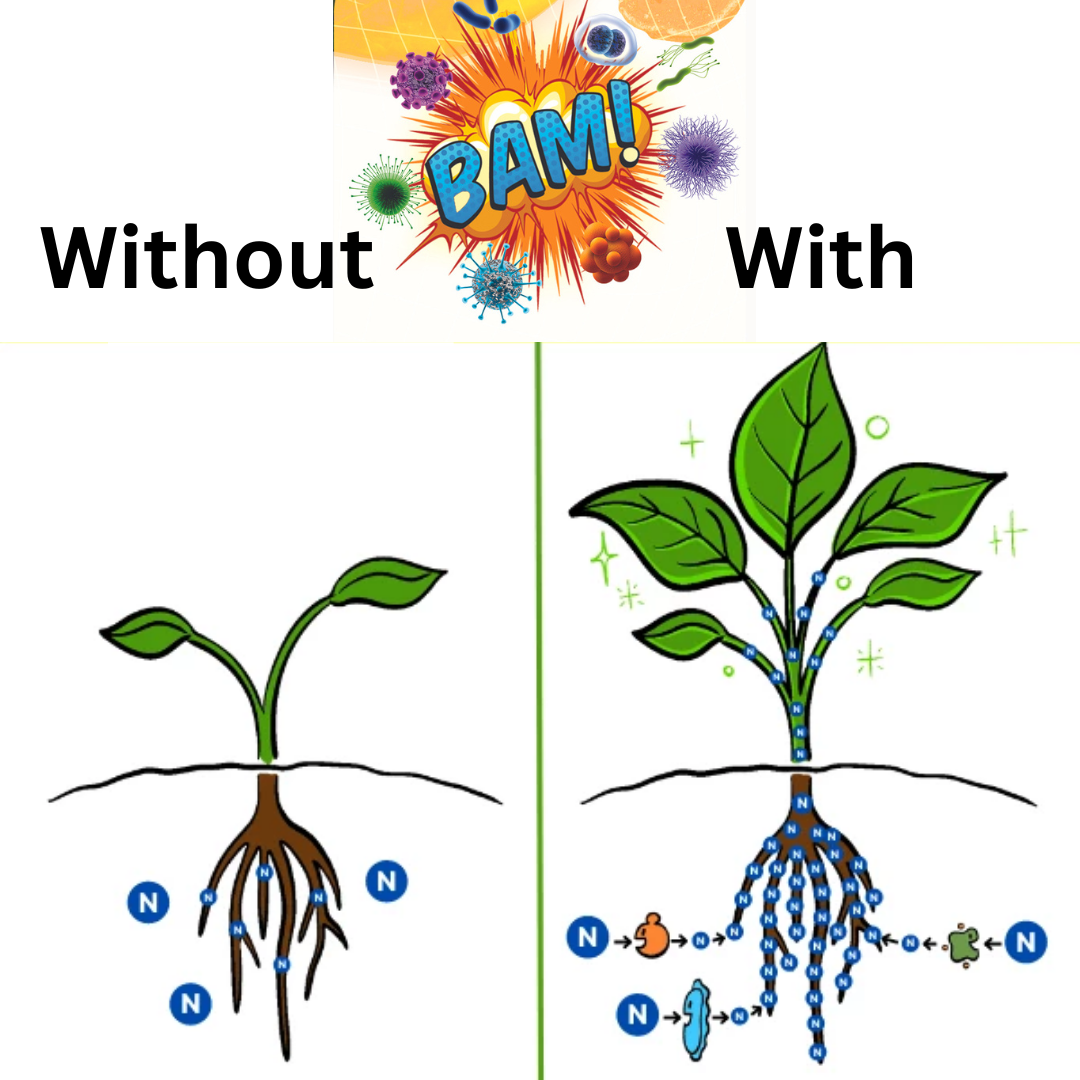
- Molybdenum: This is the unsung hero of nitrogen fixation. It allows plants to source nitrogen directly from the atmosphere. In molybdenum-deficient soils, adding this trace mineral has been shown to increase yields by anywhere from 40% to 600%.
- Boron: Crucial for cell wall strength and reproductive success (pollination and seed set).
- Copper: Essential for photosynthesis and the production of lignin, which keeps your plants standing tall against the wind.
Why Apply Before the First Frost?
You might be wondering, "Penny, why can't I just wait until spring?"
It all comes down to a process called mineralization.
Natural minerals, like the ones found in rock powders or concentrated mineral solutions, don't just "jump" into the plant. They need to be broken down into a bioavailable form. This happens through the hard work of soil microbes: fungal hyphae and root-associated bacteria. These tiny helpers excrete organic acids that slowly dissolve mineral surfaces, making the nutrients available in the root zone.
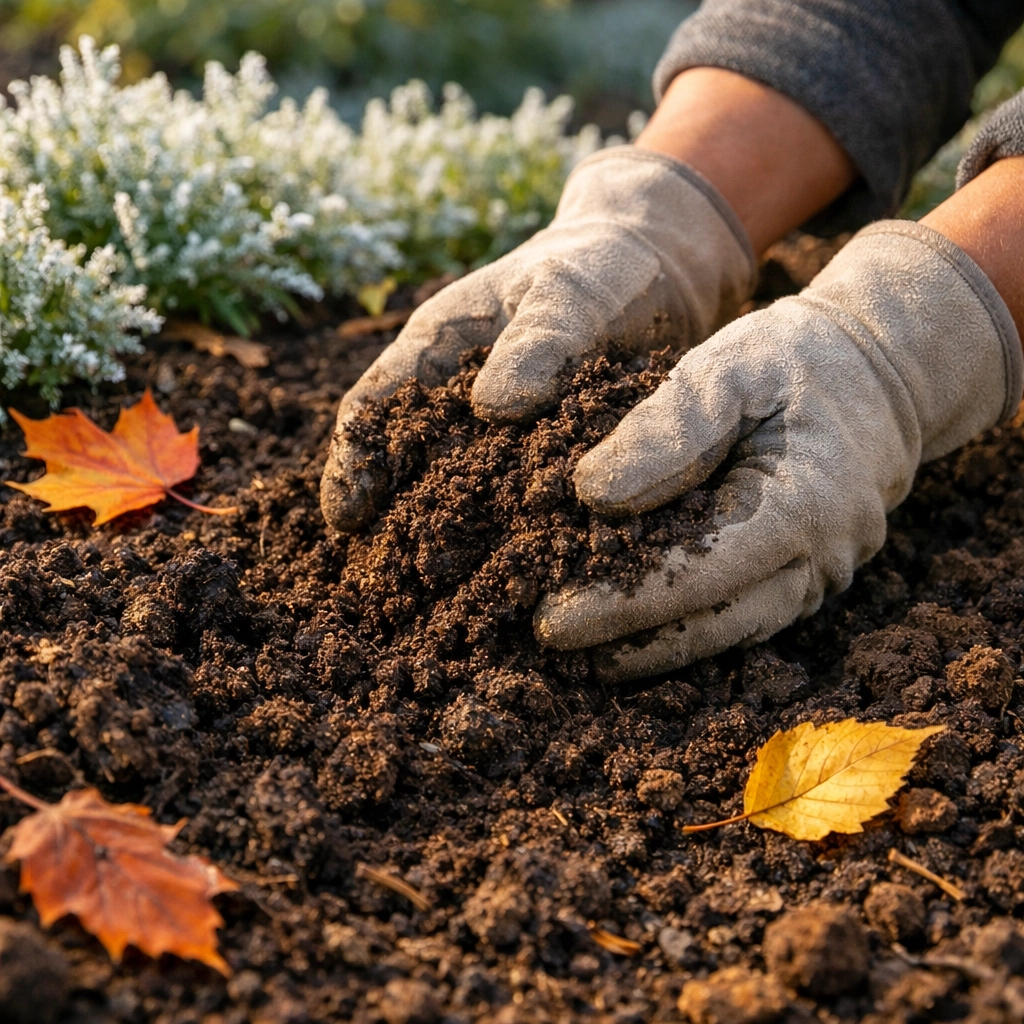
By applying trace minerals for soil in the early fall, you are giving this natural weathering process a head start. The moisture from fall rains helps carry the minerals deep into the soil profile. Even as the air cools, the ground remains warm enough for microbial activity to continue for several weeks.
When spring finally arrives and the ground thaws, your soil is already "pre-digested" and loaded with available nutrition. Your seedlings won't have to wait for the soil to wake up; the buffet is already served.
Boosting Immunity and Disease Resistance
Healthy soil creates healthy plants, and healthy plants are naturally resistant to pests and disease. This isn't just "feel-good" gardening; it’s science.
Trace elements enable plants to produce "complete metabolites." When a plant is mineral-deficient, it produces incomplete proteins and simple sugars that act like a dinner bell for pathogens and insects. A mineral-rich plant, however, has a robust immune system and a thicker cell wall, making it a much tougher target for the "monsters" of the garden.
By amending your soil with a high-quality organic fertilizer and mineral concentrate in the fall, you are essentially vaccinating your garden for the upcoming year.
The Drops of Balance Advantage: Liquid Mineral Power
While rock dust is great, it can take years to fully break down. If you want to see a difference in your next harvest, you need a delivery system that is more efficient. This is where Drops of Balance shines.
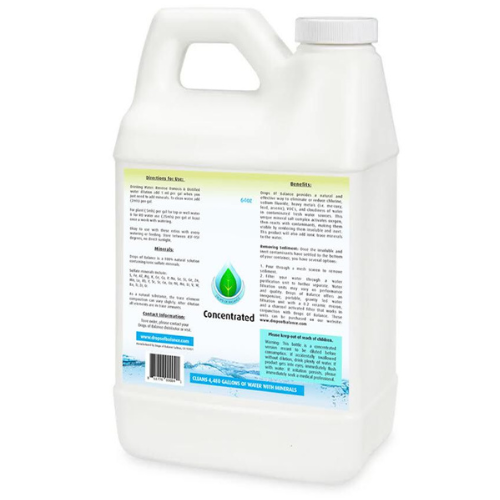
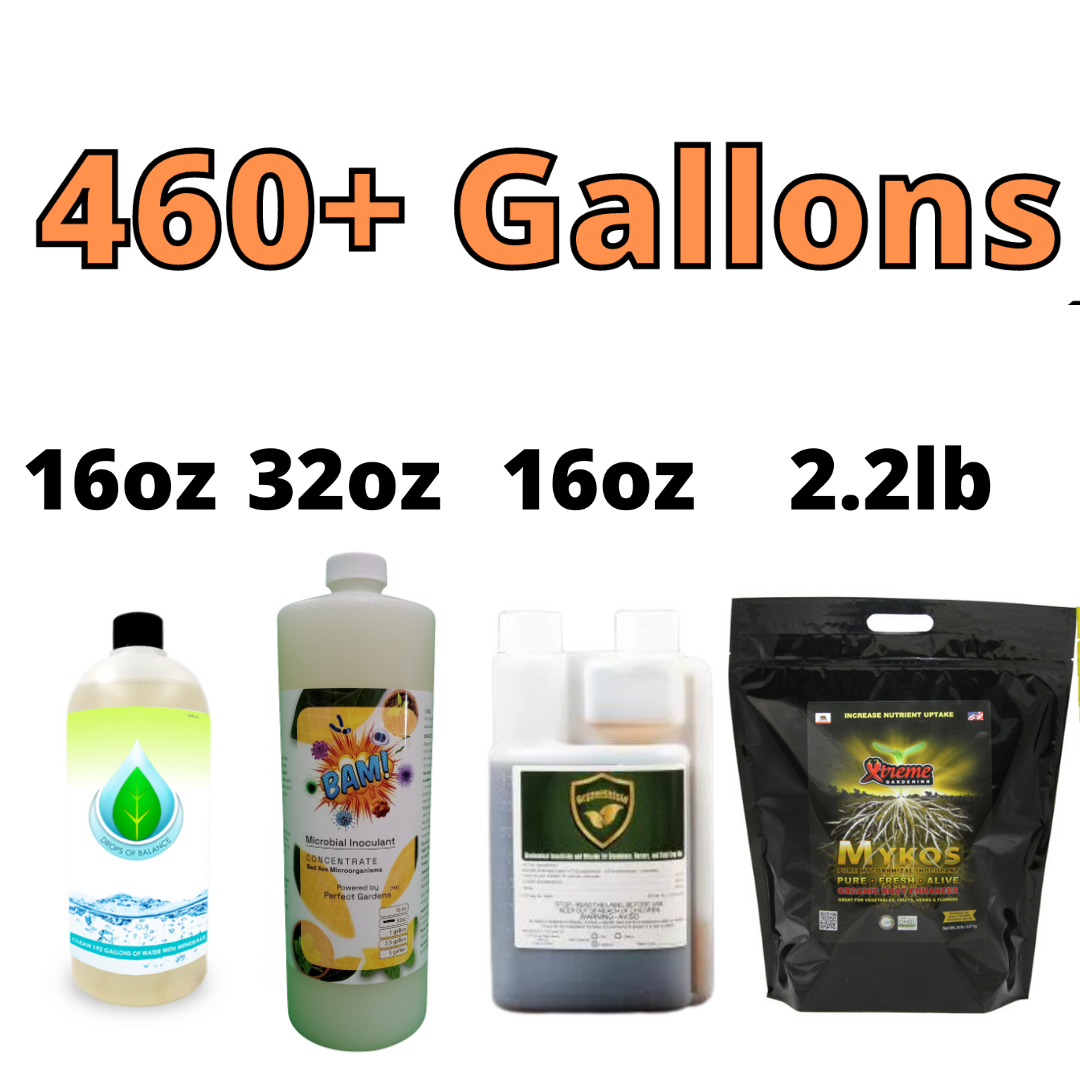
Our concentrated mineral solution provides a broad spectrum of sulfated trace minerals in a form that is incredibly easy for the soil to absorb. It doesn't just add minerals; it helps clean the water you use, removing harmful toxins like chlorine and fluoride that can actually kill the beneficial microbes you're trying to grow.
The Microbial Synergy (The BAM! Factor)
To maximize the impact of your fall mineral application, you need to invite the right guests to the party. Minerals provide the "food," but microbes are the "cooks."
Using a microbial inoculant like BAM! (Beneficial Adaptive Microbes) alongside your minerals ensures that the mineralization process is running at peak efficiency. These microbes work in tandem with the trace elements to build soil structure, increase drought tolerance, and lock in nutrients so they don't wash away during winter snowmelt.
A Simple Fall Checklist for Soil Success
Ready to give your soil the "Mineral Magic" treatment? Here’s your step-by-step guide:
- Clear the Debris: Remove any diseased plant material from the past season, but leave healthy organic matter (like mulched leaves) to protect the soil.
- Hydrate with Minerals: Mix your Drops of Balance concentrate into your watering system. For plants and soil, a little goes a long way: just 0.5 ml per gallon of tap water.
- Inoculate: Add a microbial boost like BAM! to jumpstart the decomposition of organic matter and the breakdown of minerals.
- Mulch: Cover your treated soil with a layer of straw, wood chips, or fallen leaves. This acts as a blanket, keeping the soil warmer for longer and protecting your microbial colonies from the first hard freeze.
- Rest: Let nature take over. While you're inside drinking cocoa, the minerals are migrating and the microbes are mining.
Final Thoughts: Farming for the Future
Winterizing your garden is about more than just putting things away; it’s about stewardship. By focusing on trace minerals and soil health now, you’re practicing a form of "slow gardening" that pays massive dividends in the form of nutrient-dense food, vibrant flowers, and a more resilient ecosystem.
Don't wait for the first frost to catch you off guard. Give your soil the minerals it craves this October, and get ready for the most productive spring of your life.
For more tips on mineralizing your world, check out our full collection of soil and water solutions. Let's grow something amazing together!