
Atrazine in Water: The Startling Truth (and How Drops of Balance Neutralizes 99.9%)
When we think about water safety, we often focus on the obvious culprits: bacteria, viruses, or heavy metals. But there's a silent threat flowing through millions of American taps that deserves urgent attention: atrazine, a widely used pesticide that's creating unprecedented biological changes in wildlife and raising serious questions about human health.
The Disturbing Discovery That Changed Everything
Recent scientific research has uncovered findings that should make every parent, gardener, and health-conscious individual take notice. In a controlled laboratory study, researchers introduced atrazine into a tank containing 40 male frogs. The concentration used was deliberately set below the exposure levels that the Environmental Protection Agency (EPA) considers acceptable for human consumption.
The results were nothing short of shocking. Of those 40 male frogs, 30 were chemically castrated by the atrazine exposure. Even more disturbing, four of the remaining frogs underwent complete sex reversal, transforming into functional females capable of producing fertile eggs. This wasn't a subtle hormonal shift: this was a complete biological transformation caused by a chemical present in concentrations deemed "safe" for human consumption.
This groundbreaking study reveals the profound endocrine-disrupting capabilities of atrazine, demonstrating that even at supposedly safe levels, this pesticide can fundamentally alter sexual development and reproductive function in vertebrate animals.

Atrazine: The Ubiquitous Water Contaminant
Atrazine is one of the most widely used herbicides in the United States, primarily applied to corn, sorghum, and sugarcane crops. Its extensive agricultural application means it inevitably finds its way into groundwater and surface water systems through runoff and leaching. The chemical's persistence in the environment ensures that once it enters water systems, it remains detectable for extended periods.
The compound's molecular structure allows it to disrupt hormonal pathways in living organisms. As an endocrine disruptor, atrazine interferes with the normal function of hormones, particularly those involved in sexual development and reproductive health. This mechanism of action explains why the frog study yielded such dramatic results: the chemical literally hijacked the animals' hormonal systems.
Real-World Evidence: Texas Water Crisis
The laboratory findings aren't isolated incidents confined to controlled environments. In November 2018, investigative reports revealed widespread atrazine contamination in Texas drinking water supplies. The report, titled "Toxic herbicide found in many Texans drinking water," documented the pervasive presence of this pesticide in municipal water systems across the state.
This discovery highlighted a critical gap between laboratory safety assessments and real-world exposure scenarios. While regulatory agencies establish maximum contaminant levels based on acute toxicity studies, the chronic, low-level exposure effects: particularly on developing organisms: remain poorly understood.

The Unknown Impact on Children
Perhaps the most concerning aspect of widespread atrazine exposure is its potential impact on children's sexual development. Growing bodies are particularly vulnerable to endocrine disruption during critical developmental windows. The hormonal systems that govern sexual maturation, reproductive capacity, and overall endocrine function are still developing throughout childhood and adolescence.
If atrazine can cause such dramatic changes in amphibian sexual development at supposedly safe concentrations, what might chronic exposure mean for human children? The scientific community acknowledges this knowledge gap, but the absence of definitive studies doesn't negate the potential risks. Instead, it underscores the need for precautionary approaches to water treatment and purification.
Current research suggests that endocrine disruptors like atrazine may contribute to various developmental issues, including early puberty, reproductive abnormalities, and altered hormone levels. However, establishing direct causation in human populations requires long-term epidemiological studies that are challenging to conduct and interpret.
The Regulatory Challenge
The EPA's current maximum contaminant level for atrazine in drinking water is 3 parts per billion (ppb), averaged over time. This standard was established based on traditional toxicological assessments that primarily consider acute health effects rather than subtle, long-term endocrine disruption.
However, the frog study demonstrates that significant biological effects can occur at concentrations below these regulatory thresholds. This discrepancy highlights the limitations of current water quality standards when dealing with endocrine-disrupting compounds that operate through different mechanisms than traditional toxins.

Beyond Human Health: Environmental and Agricultural Implications
For gardeners and those interested in sustainable agriculture, atrazine contamination presents additional challenges. The same endocrine-disrupting properties that affect human and animal health can also impact soil microorganisms and beneficial insects. Healthy soil ecosystems depend on complex microbial communities that can be disrupted by persistent pesticide residues.
Plants grown with atrazine-contaminated water may accumulate the chemical in their tissues, creating a pathway for continued exposure through food consumption. This bioaccumulation effect means that even trace levels in irrigation water can lead to measurable concentrations in crops and garden produce.
The Drops of Balance Solution
Recognizing the urgent need for effective atrazine removal, water treatment technologies have evolved to address this specific challenge. Drops of Balance has developed and tested a mineral-based water treatment solution that demonstrates remarkable effectiveness against atrazine contamination.
According to the company's official chemical reduction test report, available on their website under the safety and testing section, Drops of Balance neutralizes 99.9% of atrazine present in treated water. This level of removal effectiveness places the treated water well below detectable limits for this concerning contaminant.
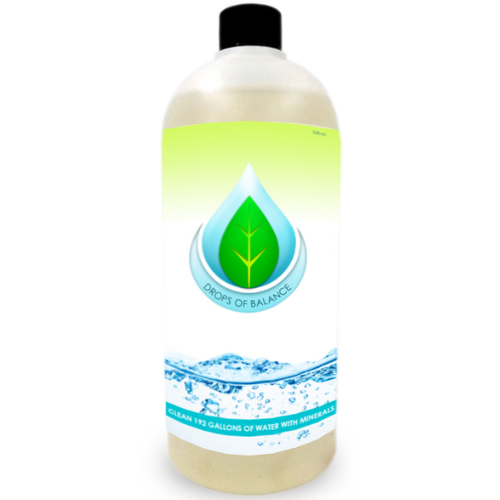
The treatment mechanism involves a carefully balanced mineral matrix that binds with atrazine molecules, effectively removing them from the water while simultaneously adding beneficial trace minerals. This dual-action approach addresses contamination concerns while enhancing water quality for both human consumption and plant health.
Beyond Atrazine: Comprehensive Water Treatment
While atrazine removal is crucial, comprehensive water treatment addresses multiple contaminants simultaneously. Drops of Balance's formula targets a broad spectrum of water quality issues, including fluoride, chlorine, heavy metals, and various organic compounds. This comprehensive approach ensures that treated water meets the highest standards for both human health and plant nutrition.
For gardeners and agricultural applications, the mineral enhancement aspect of Drops of Balance provides additional benefits. The trace minerals added during treatment support healthy soil microbiology and optimal plant nutrition, creating a synergistic effect that improves both water quality and growing conditions.
Verification and Transparency
The 99.9% atrazine neutralization claim isn't just marketing rhetoric: it's backed by independent laboratory testing documented in official reports. These test results provide transparency and scientific validation for the product's effectiveness. The availability of detailed testing documentation allows consumers to make informed decisions based on verified performance data.
This level of scientific documentation represents a crucial advancement in water treatment technology, moving beyond general claims to specific, measurable outcomes for individual contaminants of concern.
Taking Action for Your Family's Health
Given the documented risks associated with atrazine exposure and the unknown long-term effects on children's development, proactive water treatment becomes a logical health protection strategy. The combination of laboratory evidence, real-world contamination data, and effective treatment solutions creates a clear pathway for reducing exposure risks.
Whether you're concerned about your family's drinking water, want to optimize conditions for organic gardening, or simply seek peace of mind about water quality, addressing atrazine contamination represents a science-based approach to health protection.
The solution is clear, tested, and readily available. By choosing proven water treatment technologies like Drops of Balance, you can transform potentially harmful tap water into a safe, mineral-rich resource that supports both human health and environmental sustainability.
Don't let your family unknowingly consume water that could affect sexual development and reproductive health. Visit the Drops of Balance website, check their safety and testing documentation, and take control of your water quality today. Your children's future health may depend on the decisions you make now.