
Clean Water vs Balanced Water: What's the Difference?
When you turn on your tap or reach for a bottle of water, you might think all water is created equal. But here's something that might surprise you: there's a critical difference between water that's simply "clean" and water that's truly "balanced." Understanding this distinction could transform how you think about hydration, for both yourself and your plants.
What Exactly is Clean Water?
Clean water refers to H2O that has been purified to remove contaminants, toxins, and unwanted substances. This includes filtered tap water, distilled water, and reverse osmosis (RO) water. The primary goal of clean water treatment is elimination, removing chlorine, fluoride, heavy metals, bacteria, pesticides, and other harmful compounds that can negatively impact health.
Modern filtration systems excel at this task. They can strip away virtually every foreign substance, leaving behind what appears to be pristine, crystal-clear water with a neutral pH of around 7. From a safety standpoint, clean water achieves its objective: it won't poison you or introduce harmful chemicals into your system.
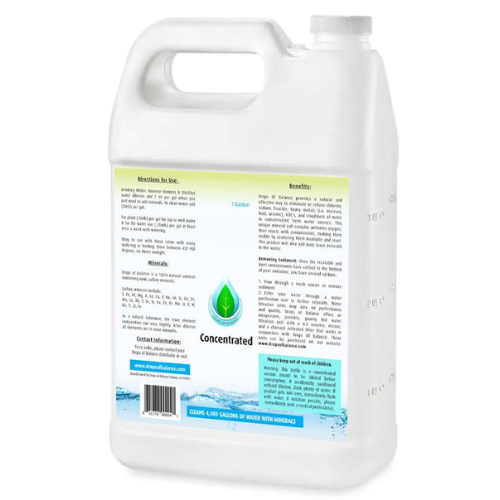
However, this purification process presents an unintended consequence. When water treatment removes the bad, it often removes the good as well. Essential minerals like calcium, magnesium, potassium, and trace elements that naturally occur in water get filtered out along with the contaminants. The result is water that's chemically pure but nutritionally empty.
Understanding Balanced Water
Balanced water takes a different approach. Rather than stopping at purification, balanced water combines contaminant removal with mineral restoration and pH optimization. This water contains essential trace minerals for plants and humans while maintaining an alkaline pH between 8 and 9.5.
The mineral content in balanced water isn't arbitrary, these elements serve specific biological functions. Calcium supports bone health and cellular processes, magnesium aids in enzyme function and muscle contraction, and potassium helps regulate blood pressure and fluid balance. For plants, these same minerals are fundamental building blocks for chlorophyll production, root development, and nutrient transport.
The Hidden Problem with Clean-Only Water
While clean water eliminates immediate health threats, long-term consumption of demineralized water can create subtle deficiencies. The World Health Organization has documented concerns about drinking demineralized water over extended periods, noting potential mineral deficiencies and increased risk of cardiovascular disease.
When you drink water lacking essential minerals, your body must source these nutrients from other reserves. This can gradually deplete your mineral stores, particularly if your diet doesn't compensate for the missing elements. The result may be decreased bone density, compromised immune function, and reduced metabolic efficiency.

Why Soil Health Demands Balanced Water
The difference between clean and balanced water becomes even more pronounced when considering plant nutrition and soil health. Plants require more than just hydrogen and oxygen to thrive, they need what do plants need to grow: a complex array of trace minerals and nutrients that support photosynthesis, enzyme activation, and cellular reproduction.
Clean water, while free from toxins that might harm plants, provides no nutritional value. When you water plants with demineralized water, you're essentially providing empty calories. The soil must supply all necessary nutrients without any supplementation from the water source. Over time, this can deplete soil mineral reserves and reduce the soil's capacity to support healthy plant growth.
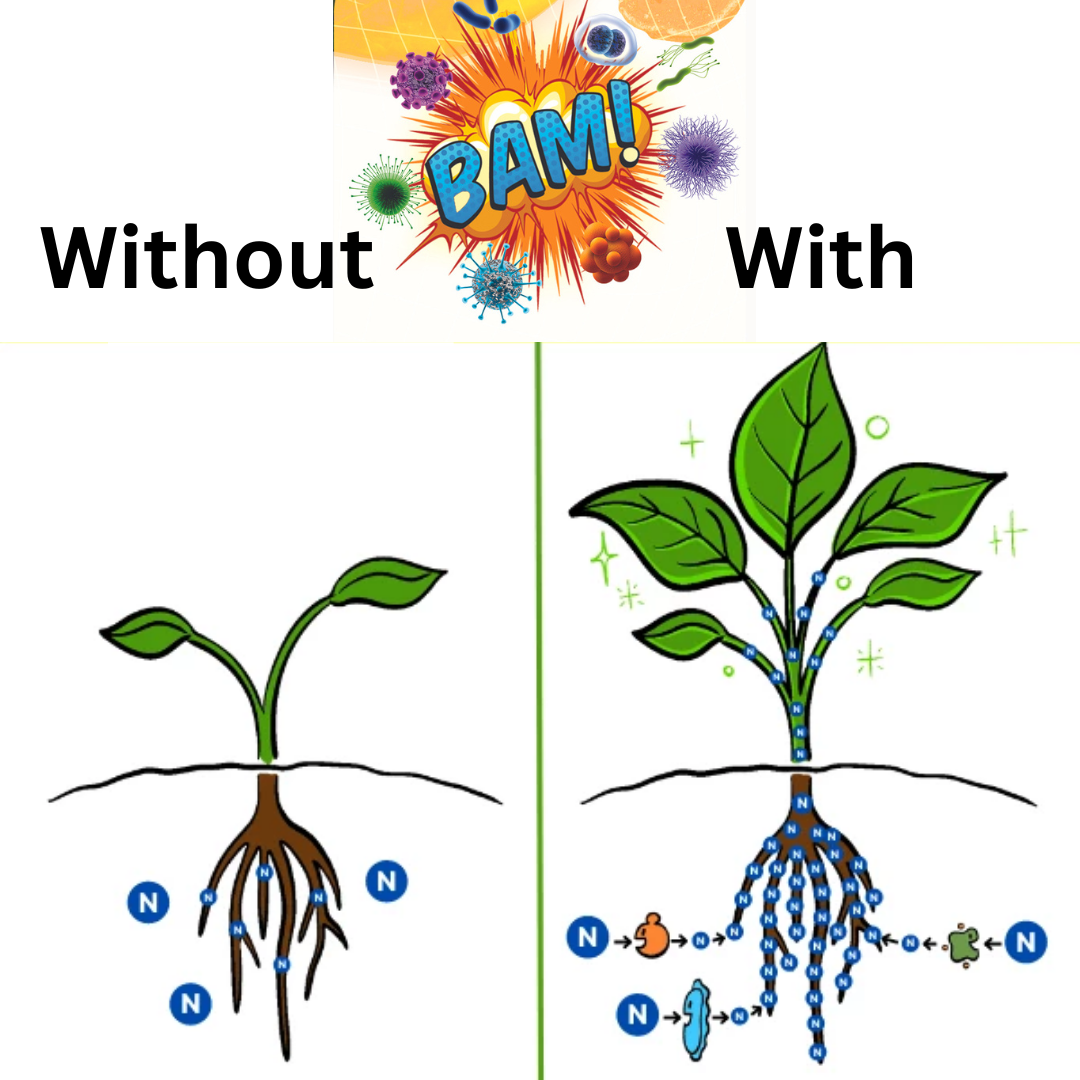
Balanced water, conversely, delivers both hydration and nutrition. Each watering session becomes a feeding opportunity, gradually building soil mineral content and supporting the microbial ecosystem that plants depend on for optimal nutrient uptake. This approach aligns with natural water cycles, where rainwater picks up minerals from rocks and soil as it moves through the environment.
The Science of Water Treatment for Plants
Research in agricultural science consistently demonstrates that the best plant food comes from a combination of proper hydration and mineral supplementation. When soil receives balanced water containing trace minerals, several beneficial processes occur:
Microbial activity increases as beneficial bacteria and fungi receive the mineral cofactors they need to break down organic matter and make nutrients plant-available. Root development improves as plants access calcium for cell wall strength and magnesium for chlorophyll production. Nutrient transport becomes more efficient when plants have access to the full spectrum of trace elements required for enzymatic processes.
The contrast becomes evident when comparing plants watered with clean versus balanced water. Plants receiving balanced water typically show improved growth rates, enhanced resistance to disease, and greater overall vitality compared to those watered with demineralized sources.
Creating Balanced Water: The Drops of Balance Solution
So how do you transform clean water into balanced water? This is where water treatment technology becomes sophisticated. The ideal approach involves a two-step process: first remove fluoride from water and other contaminants, then add back essential minerals in bioavailable forms.
Drops of Balance accomplishes both objectives simultaneously. This concentrated mineral solution removes harmful substances like chlorine, fluoride, and heavy metals while introducing over 70 trace minerals in sulfated forms that both plants and humans can readily absorb. The result is water that's both safe and nutritionally complete.
The sulfated mineral forms used in Drops of Balance are particularly significant. Unlike simple mineral salts that may not be fully bioavailable, sulfated minerals are pre-chelated, meaning they're already in a form that biological systems can easily recognize and utilize. This enhances absorption and reduces the risk of mineral interactions that can occur with less refined supplement forms.
The Broader Impact of Water Balance
The implications of choosing balanced over merely clean water extend beyond individual health and plant growth. When soil receives balanced water consistently, it develops improved structure, better water retention capacity, and increased biological diversity. This creates a positive feedback loop where healthier soil supports more robust plant growth, which in turn contributes to environmental stability.
From a human health perspective, balanced water supports optimal hydration at the cellular level. The presence of electrolytes helps regulate fluid balance more effectively than pure water alone, potentially improving energy levels, cognitive function, and overall well-being.

Making the Transition to Balanced Water
Converting from clean to balanced water doesn't require dramatic changes to existing systems. Whether you're using municipal tap water, well water, or already filtered water, adding a mineral concentrate like Drops of Balance can instantly upgrade your water quality. The process is scalable, working equally well for individual water bottles or large-scale agricultural applications.
For drinking water, the recommended dosage provides optimal mineral content without altering taste or creating excessive alkalinity. For plants, the concentration can be adjusted based on soil conditions and plant requirements, making it suitable for everything from houseplants to commercial crop production.
The beauty of this approach lies in its simplicity and effectiveness. Rather than requiring expensive equipment or complex installation, balanced water can be achieved through precise mineral addition to any clean water source.
The Future of Water Treatment
As our understanding of water quality evolves, the distinction between clean and balanced water becomes increasingly important. Clean water addresses immediate safety concerns, but balanced water promotes long-term health and vitality for both humans and plants.
The next generation of water treatment focuses on this comprehensive approach: removing what shouldn't be there while ensuring what should be there remains present in optimal concentrations. This represents a shift from purely defensive water treatment to proactive nutritional enhancement.
By choosing balanced water, you're not just avoiding harm: you're actively supporting health, growth, and vitality in every glass you drink and every plant you water. In a world where mineral depletion in soil and food sources is an increasing concern, balanced water offers a simple yet powerful solution for maintaining optimal nutrition at the most fundamental level.
The choice between clean and balanced water ultimately comes down to your goals: do you want water that simply won't hurt you, or water that actively helps you thrive?