
Back-to-School Hydration: Why Clean Water Matters for Focus
As the summer heat begins to fade and the "Back-to-School" season arrives, parents often find themselves overwhelmed with checklists: new notebooks, sturdy backpacks, and the latest tech gadgets. However, there is one critical tool for academic success that is frequently overlooked or oversimplified: cellular hydration.
While most parents understand that children need to "drink more water," the quality and composition of that water play a far more significant role in cognitive function than many realize. In the context of a demanding school day: where focus, memory retention, and emotional regulation are paramount: simply drinking "tap water" may not be enough. In fact, due to the presence of common environmental contaminants and the lack of essential trace minerals in municipal supplies, standard hydration might actually be hindering a child's potential.
The Biochemistry of the "Hydrated Brain"
To understand why water quality matters, we must first look at the brain's biological requirements. The human brain is approximately 75% water. It relies on a delicate electrochemical balance to facilitate communication between neurons. This process, known as neurotransmission, depends heavily on the presence of electrolytes and trace minerals to conduct electrical impulses.
Research indicates that even mild dehydration: as little as 1% to 2% loss of body weight in fluids: can impair cognitive performance. This impairment manifests as:
- Reduced short-term memory capacity.
- Diminished visual-perceptual abilities.
- Decreased attention span and focus.
- Increased irritability and fatigue.
For a student sitting in a classroom, these physiological changes translate directly into lower test scores and a harder time grasping complex new concepts. When a child is properly hydrated with mineralized water, the brain can maintain its temperature, efficiently remove metabolic waste products, and ensure that nutrients are delivered to the cells that need them most.

The Hidden Obstacles in School Water Systems
While schools are required to provide access to drinking water, the quality of that water is often a cause for concern. Older school buildings frequently utilize plumbing systems that contain lead or copper components. According to the EPA, there is no safe level of lead exposure for children, as it is a potent neurotoxin that can lead to developmental delays and learning disabilities.
Beyond heavy metals, most municipal water supplies are treated with chlorine and fluoride. While these additives are intended for public health (disinfection and dental health, respectively), their impact on the developing brain is a subject of ongoing scientific scrutiny. High levels of chlorine can disrupt the delicate gut microbiome: the "second brain": which is responsible for producing many of the neurotransmitters used in cognitive function. Furthermore, recent longitudinal studies have raised questions regarding the neurotoxic potential of fluoride exposure during critical periods of brain development.
For a deeper dive into how these contaminants affect biological systems, you can visit our Safety Testing page to see how we evaluate water purity.
Why Trace Minerals are the "Missing Link"
Clean water is only half of the equation. In nature, water is rarely just H2O; it is a solution containing a spectrum of dissolved minerals gathered from rocks and soil. These minerals: magnesium, potassium, calcium, and dozens of trace elements: are biological catalysts.
Modern water treatment processes, such as Reverse Osmosis (RO) or intensive distillation, are excellent at removing toxins, but they also "strip" the water of these vital elements. Drinking demineralized water can lead to a process called "leaching," where the water actually pulls minerals out of the body to reach an equilibrium. For a growing child, this can result in sub-optimal mineral status, further impacting their ability to focus.
This is where Drops of Balance becomes an essential part of the back-to-school kit. Our mineral solution is designed to mimic the complexity of natural, mineral-rich water. By adding concentrated ionic minerals to your child’s water bottle, you are not just providing "wetness": you are providing the conductive elements necessary for peak neurological performance.
How Drops of Balance Supports Student Health
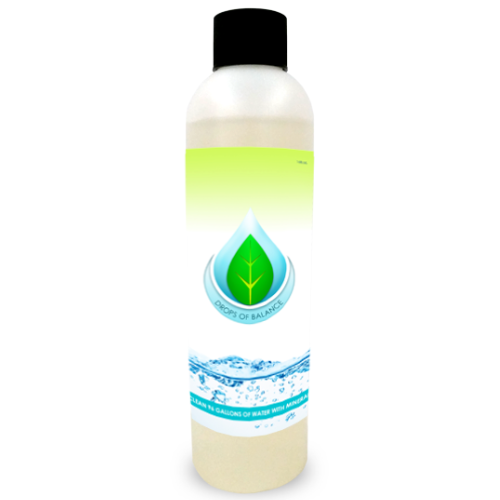
Drops of Balance utilizes a unique sulfate-based mineral complex that serves two primary functions: purification and mineralization.
- Contaminant Precipitation: When added to tap water, the solution reacts with dissolved contaminants like chlorine, fluoride, and heavy metals. It causes these toxins to "clump" together (a process called flocculation), rendering them inert and insoluble. This ensures that the water your child drinks is significantly cleaner than what comes directly out of a school water fountain.
- Ionic Remineralization: Once the contaminants are neutralized, the solution provides over 70 trace minerals in an ionic form. Ionic minerals are highly bioavailable, meaning the body (and the brain) can absorb and utilize them immediately.
By incorporating this into a daily routine, parents can ensure their children are drinking "living water" that supports their physiological needs throughout the school day.
Practical Strategies for Back-to-School Hydration
Transitioning to a better hydration routine doesn't have to be complicated. Here are a few scientific and practical tips to ensure your child is optimized for the classroom:
1. The Morning "Brain Flush"
Encourage your child to drink 8–12 ounces of mineralized water immediately upon waking. After 8 hours of sleep, the body is naturally dehydrated. Rehydrating before the first bell rings ensures the brain is "online" and ready for the first lesson of the day.
2. Choose the Right Vessel
Avoid single-use plastic bottles, which can leach endocrine-disrupting chemicals (EDCs) like BPA and phthalates into the water, especially if left in a warm backpack or car. Opt for high-quality stainless steel or glass bottles.
3. The 16oz Solution
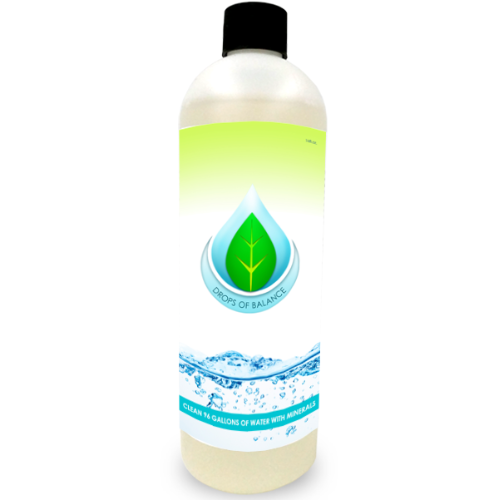
A 16oz bottle is often the "sweet spot" for students. It’s light enough to carry but provides enough volume for a significant portion of the day. For a 16oz bottle, adding just a few drops of the Drops of Balance solution can transform the water quality.
4. Consistent Intake vs. "Chugging"
The body can only absorb a certain amount of water at once. Encourage your child to take small sips throughout the day rather than drinking a whole bottle during lunch. This maintains a steady state of hydration and prevents the "brain fog" that occurs when the body is trying to process a sudden influx of fluid.
The Long-Term Impact of Quality Hydration
The benefits of clean, mineralized water extend beyond just the next math test. Proper hydration supports the immune system, reducing the number of sick days a student might take during the school year. It also helps regulate the endocrine system, which can assist in stabilizing the moods and energy levels of teenagers navigating the stresses of middle and high school.
At Drops of Balance, we believe that health begins at the molecular level. Whether you are looking to improve your soil health or optimize your family's drinking water, the principles remain the same: remove the harmful, and restore the essential.
Conclusion: Investing in the Future
As you prepare for the 2026 school year, consider the biological foundation upon which your child’s education is built. We spend hundreds of dollars on extracurriculars and tutors, yet the simplest building block of life: water: is often the most neglected.
By choosing a solution like Drops of Balance, you are taking a proactive step in protecting your child from environmental toxins and fueling their brain with the minerals it evolved to require. Clean water isn't just a convenience; it is a fundamental requirement for a focused, healthy, and successful student.
If you have questions about how to use our products or want to learn more about our mineral profiles, feel free to visit our FAQ or Contact Us directly. Let’s make this school year the most focused one yet.

To learn more about the science of water and trace minerals, explore our full library of educational articles at the Drops of Balance News Blog.