
Beat the Heat Spike: Protecting Soil Microbes from Late-Summer Burnout
As we roll into the dog days of August, most gardeners are focused on one thing: keeping their plants from wilting. We see the drooping leaves of the squash, the scorched edges of the hydrangeas, and the tomato plants that seem to be holding their breath until sunset. But while we’re busy hovering over the foliage with a garden hose, there’s a much more quiet, invisible crisis happening right beneath our feet.
I’m talking about soil burnout.
In the heat of late summer, the soil temperature can easily soar past 100°F, especially in raised beds or container gardens. When the ground bakes, the microscopic city living in your dirt, the bacteria, fungi, and protozoa that make organic gardening possible, starts to shut down. If we don't protect these tiny allies, your soil health will plummet, leaving your plants vulnerable to pests, disease, and nutrient deficiencies just as they should be finishing their peak season.
The Secret Life of Soil: Why Microbes Matter
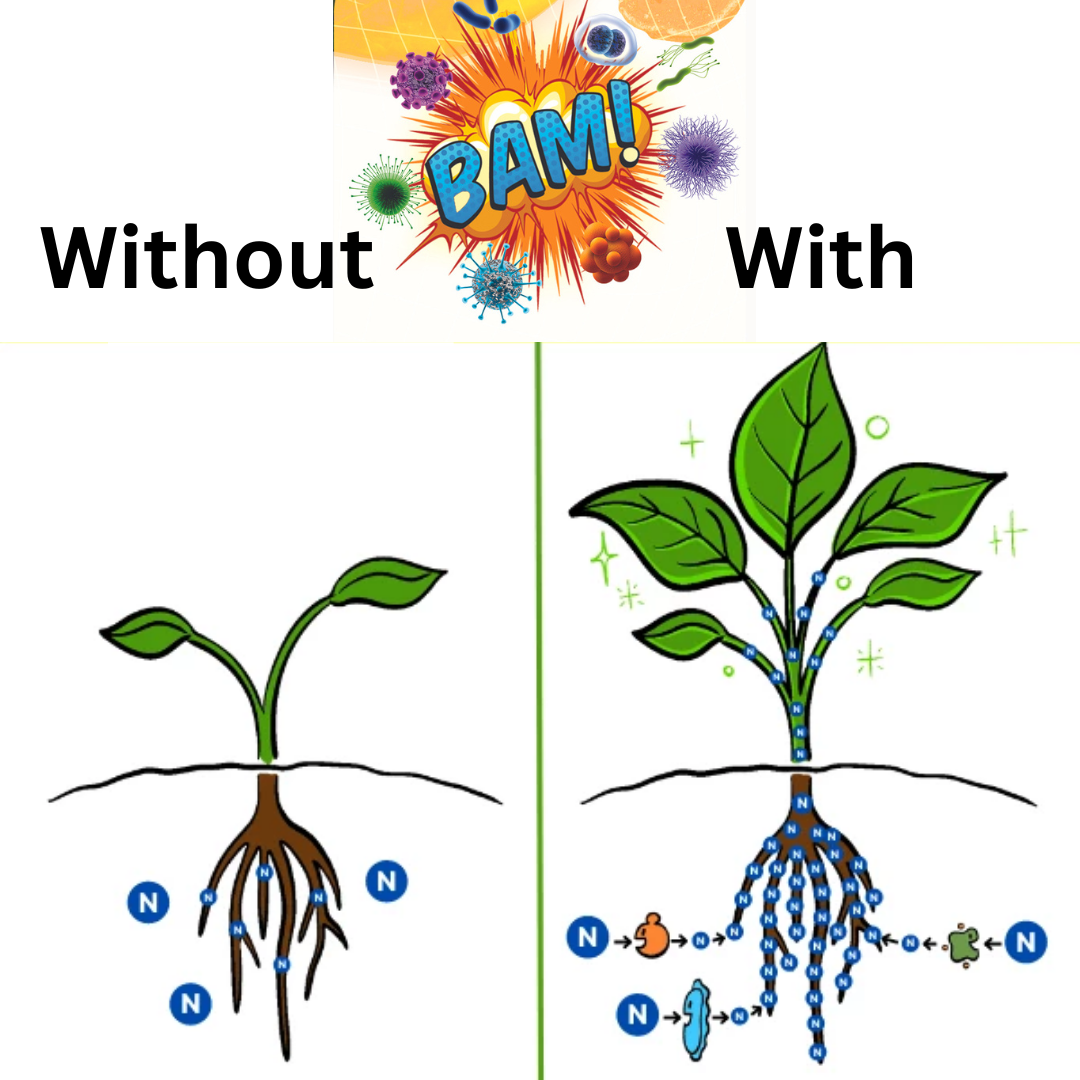
To understand how to improve soil, we first have to appreciate what’s actually in it. Healthy soil isn't just "dirt"; it’s a living biological matrix. These microbes are the heavy lifters of the garden. They decompose organic matter, fix nitrogen, and, most importantly, act as a delivery service, transporting minerals from the soil directly to the plant roots.
When a heat spike hits, this delivery service goes on strike.
Research shows that different microbes handle heat differently. Fungi and actinomycetes are particularly sensitive; in some studies, they show nearly 100% inhibition when temperatures reach extreme levels. Bacteria are a bit tougher, with certain species like Bacillus and Paenibacillus retaining over 60% survival rates because they can produce resistant endospores, basically tiny "escape pods" that allow them to go dormant until conditions improve.
However, just because they survive doesn't mean they are thriving. A dormant microbe isn't feeding your plants. If the "burnout" lasts too long, the biological engine of your garden stalls out.
 A microscopic view of beneficial soil bacteria and fungi interacting with plant roots in a healthy, moist environment.]
The "Double Whammy": Heat and Tap Water
When the sun is beating down, our first instinct is to water, water, and water some more. But here is the catch-22 for many organic gardeners: most municipal tap water is treated with chlorine or chloramine.
These chemicals are added to our water for a specific reason, to kill bacteria so our drinking water is safe. While that’s great for the pipes, it’s a disaster for the soil. When you pour chlorinated water onto a heat-stressed garden, you are essentially "sanitizing" your soil. The heat has already weakened the microbial community, and the chlorine finishes the job.
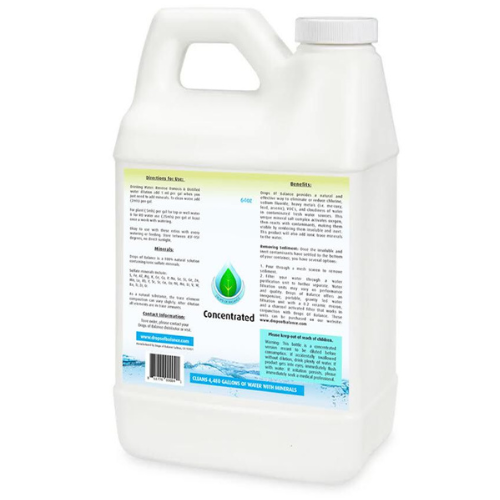
This is where Drops of Balance becomes a game-changer for late-summer gardening. By using a mineral-based water treatment, you can neutralize these harmful biocides while simultaneously introducing ionic sulfate minerals that support microbial resilience.
When you remove the chemical stress from your water, your microbes don't have to fight two battles at once. They can focus on surviving the heat rather than surviving the "clean" water you're giving them.
Strategy 1: Reinoculate with BAM!
If you feel like your garden has already hit the wall this summer, you don't have to wait until next spring to fix it. You can "re-boot" the system by introducing a fresh army of beneficial microorganisms.
Since we know that certain bacteria are more heat-tolerant than others, the goal is to introduce species that can handle the stress. Our BAM! Microbial Inoculant is designed exactly for this. It contains a diverse spectrum of beneficial microbes that help rebuild the soil's biological structure.
Think of it like taking a probiotic after a round of antibiotics. If the summer heat and chlorinated water have acted as the "antibiotic" for your soil, BAM! is the probiotic that brings the life back.
Strategy 2: Mineralization for Heat Tolerance
Did you know that minerals actually help plants and microbes regulate their "body temperature"? Just like humans need electrolytes to stay hydrated in the heat, plants and soil microbes rely on mineral salts to maintain osmotic pressure. This pressure is what keeps cells from collapsing when water is scarce.
When you treat your water with Drops of Balance, you aren't just cleaning it; you’re mineralizing it. These minerals act as a buffer. By providing the soil with a rich array of trace elements, you’re giving the microbes the tools they need to produce osmolytes: special compounds that protect their cellular machinery from heat damage.
If you’re serious about how to improve soil during a heatwave, you need to look at the quality of the water as much as the quantity. Pure, mineral-rich water allows for better nutrient solubility, meaning the plant can actually drink what it needs without working twice as hard.
Strategy 3: Protecting the Surface
While we’re fixing the chemistry and biology of the soil, we can’t forget the physics. If the sun is hitting bare dirt, that soil can reach temperatures that literally cook the roots.
- Mulch is Mandatory: A thick layer of straw, wood chips, or even shredded leaves can drop soil temperatures by 10 to 20 degrees. This creates a "basement effect" where microbes can retreat to the cooler, moister layers of the soil.
- Use Better Substrates: If you are gardening in containers, the type of "dirt" you use matters. Products like PittMoss are incredible for heat management because they have superior water retention and air space, preventing the soil from becoming a solid, baked brick.
- Deep Watering: Instead of a light sprinkle every day, do a deep soak every few days. This encourages roots and microbes to move deeper into the earth where the temperature is more stable.

Looking Ahead: The Fall Transition
Protecting your microbes in August isn't just about saving your August harvest; it’s about prepping for September and October.
If your soil biology dies off in the summer, you’ll be starting from zero when it’s time to plant your fall greens. By maintaining a healthy microbial population now, you ensure that the nitrogen and phosphorus needed for cool-weather crops are already being processed and made available.
We often see a "second wind" in gardens treated with the Complete Enzyme Package or the Detox Package. When the temperature finally drops in late August, these gardens explode with growth because the microbial "infrastructure" stayed intact during the heat spike.
Summary Checklist for Late-Summer Soil Health:
- Clean Your Water: Use Drops of Balance to remove chlorine and fluoride that kill beneficial bacteria.
- Add "The Good Guys": Apply BAM! to replenish heat-stressed microbial communities.
- Mineralize: Ensure your plants have the trace minerals needed for cellular heat protection.
- Mulch Heavily: Keep the sun off the soil surface to prevent "cooking" your underground allies.
- Monitor Moisture: Don't let the soil completely dry out, as many microbes cannot survive total desiccation.
Organic gardening is a partnership between you and the millions of organisms in the soil. When the heat gets turned up, they need you to be a good partner. By focusing on clean, mineralized water and consistent microbial support, you can beat the heat spike and keep your garden thriving well into the autumn harvest.
If you have questions about how to use Drops of Balance in your specific setup, or if you're dealing with a particularly stubborn late-summer pest issue, check out our FAQ page or reach out to us directly. We’re here to help you keep the balance, no matter how high the thermometer climbs!