
Beat the Heat: Why Mineral-Rich Water Keeps Your Tomatoes from Wilting
As we transition into the peak of the June heat, gardeners often face a frustrating sight: the midday wilt. You’ve done everything right: you planted heirloom varieties, you’re using a high-quality organic fertilizer, and you’re watering every morning. Yet, under the intense summer sun, your tomato plants look defeated, their leaves drooping and stems losing their rigidity.
While many assume this is simply a lack of water, the reality is often more complex. In the world of plant physiology, wilting is a symptom of a breakdown in the plant’s internal hydraulic system. To keep your tomatoes thriving when the mercury rises, you need more than just "wet" soil; you need water treatment for plants that addresses mineral deficiencies and soil health at a molecular level.
The Science of Wilting: Turgor Pressure and Heat Stress
To understand why your tomatoes are struggling, we have to look at turgor pressure. Turgor pressure is the force within the cell that pushes the plasma membrane against the cell wall. It is what keeps a plant standing upright. When a plant loses more water through transpiration (the process of water evaporating from leaves) than it can take up through its roots, turgor pressure drops, and the plant wilts.
In June, the evaporation rate is at its highest. Tomato plants, which are roughly 95% water, become biological pumps working overtime. If the water they are absorbing is "empty" or contaminated with chemicals like chlorine and fluoride, the plant’s efficiency is compromised. This is where the distinction between "tap water" and "mineral-rich water" becomes a life-or-death matter for your garden.
Why Standard Fertilizer for Tomatoes Isn't Enough
Most gardeners rely heavily on N-P-K (Nitrogen, Phosphorus, Potassium) fertilizers. While these are the "macro" building blocks of plant growth, they are only a small part of the nutritional puzzle. Standard fertilizer for tomatoes often lacks the full spectrum of trace minerals required for metabolic resilience.
When a plant is under heat stress, it requires specific minerals to regulate its stomata: the tiny pores on the leaves that control gas exchange and water loss. Potassium is the primary regulator here, but its efficacy is bolstered by a suite of trace minerals that act as catalysts for enzymatic reactions. Without these trace elements, the plant cannot effectively signal its cells to "close the hatches" and conserve moisture.
Furthermore, many commercial fertilizers are synthetic salts. While they provide a quick boost of growth, they can actually dehydrate the soil and the plant over time by increasing the osmotic pressure in the root zone, making it harder for the plant to "pull" water in.
The Hidden Barrier: How Tap Water Sabotages Soil Health
One of the biggest obstacles to a resilient summer garden is the water itself. Most municipal water systems are treated with chlorine and fluoride to ensure human safety. However, these chemicals are "antimicrobial" by design. When you pour chlorinated water onto your garden, you are inadvertently sterilizing your soil.
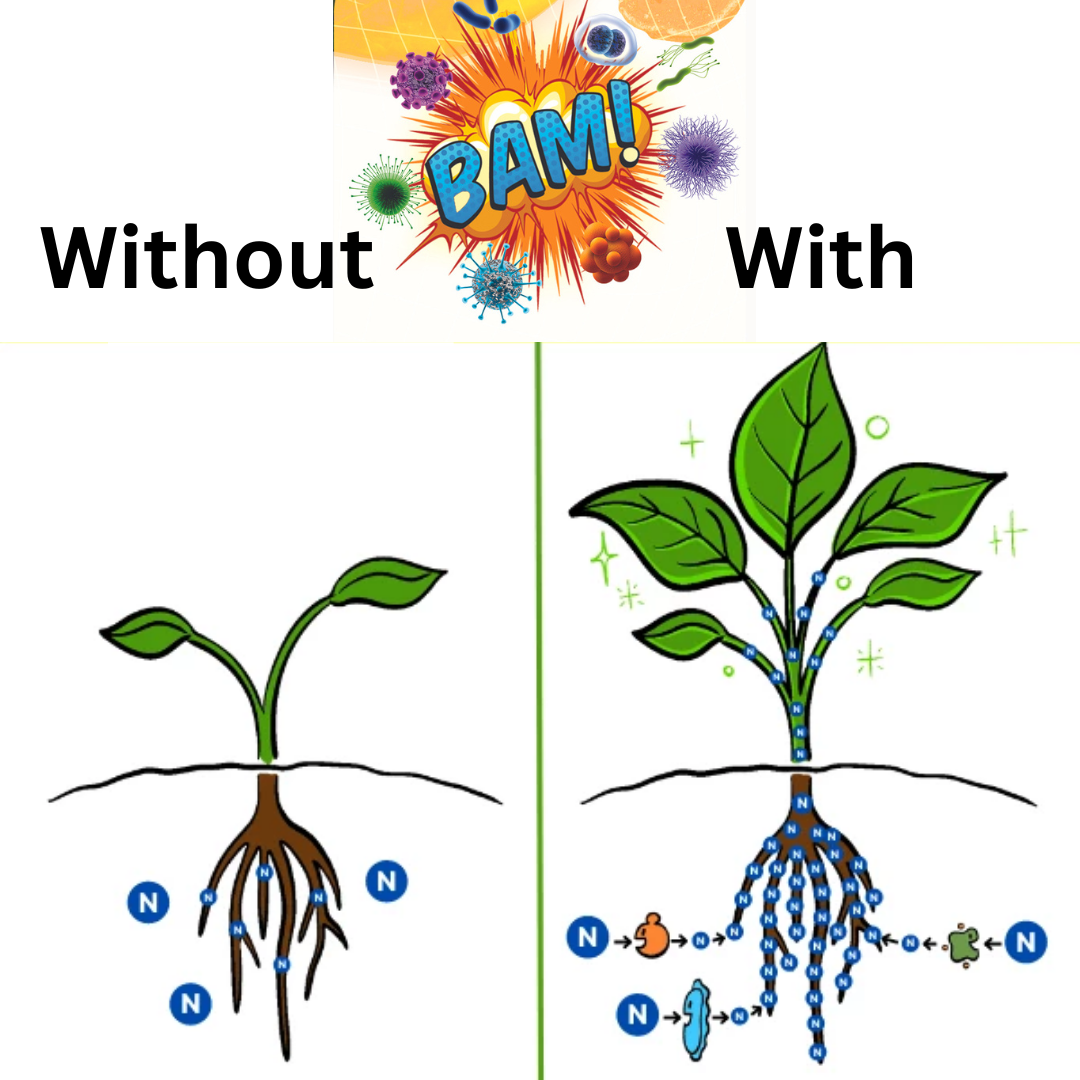
Healthy soil health depends on a thriving community of beneficial microbes and mycorrhizal fungi. These microorganisms form a symbiotic relationship with tomato roots, extending the root system's reach and helping the plant navigate through dry pockets of soil. Chlorine kills these microbes, effectively "blinding" the plant and making it entirely dependent on the next watering cycle.

Drops of Balance: A Scientific Approach to Hydration
This is where Drops of Balance changes the game. Our mineral concentrate doesn't just "add" things to the water; it transforms the water’s chemistry through a process of ion exchange and precipitation.
- Eliminating Toxins: When added to tap water, Drops of Balance interacts with contaminants like chlorine, fluoride, and heavy metals. It causes these toxins to precipitate out of the solution, rendering them inert and harmless to the delicate soil microbiome. You can learn more about this process on our safety testing page.
- Replenishing Ionic Minerals: Once the toxins are neutralized, the water is enriched with over 70 sulfated trace minerals. Because these minerals are in an ionic (water-soluble) state, they are immediately bioavailable to the plant.
- Enhancing Cellular Strength: Minerals like calcium and magnesium are essential for building strong cell walls. In the heat of June, a tomato plant with mineral-fortified cell walls can maintain turgor pressure longer than a plant grown in mineral-deficient soil.
The Role of Microbes in Heat Management
To truly beat the heat, we must look at the "Complete Enzyme" approach. While minerals provide the foundation, microbes are the workers that deliver those minerals to the plant. This is why we recommend combining mineral treatment with a microbial inoculant.
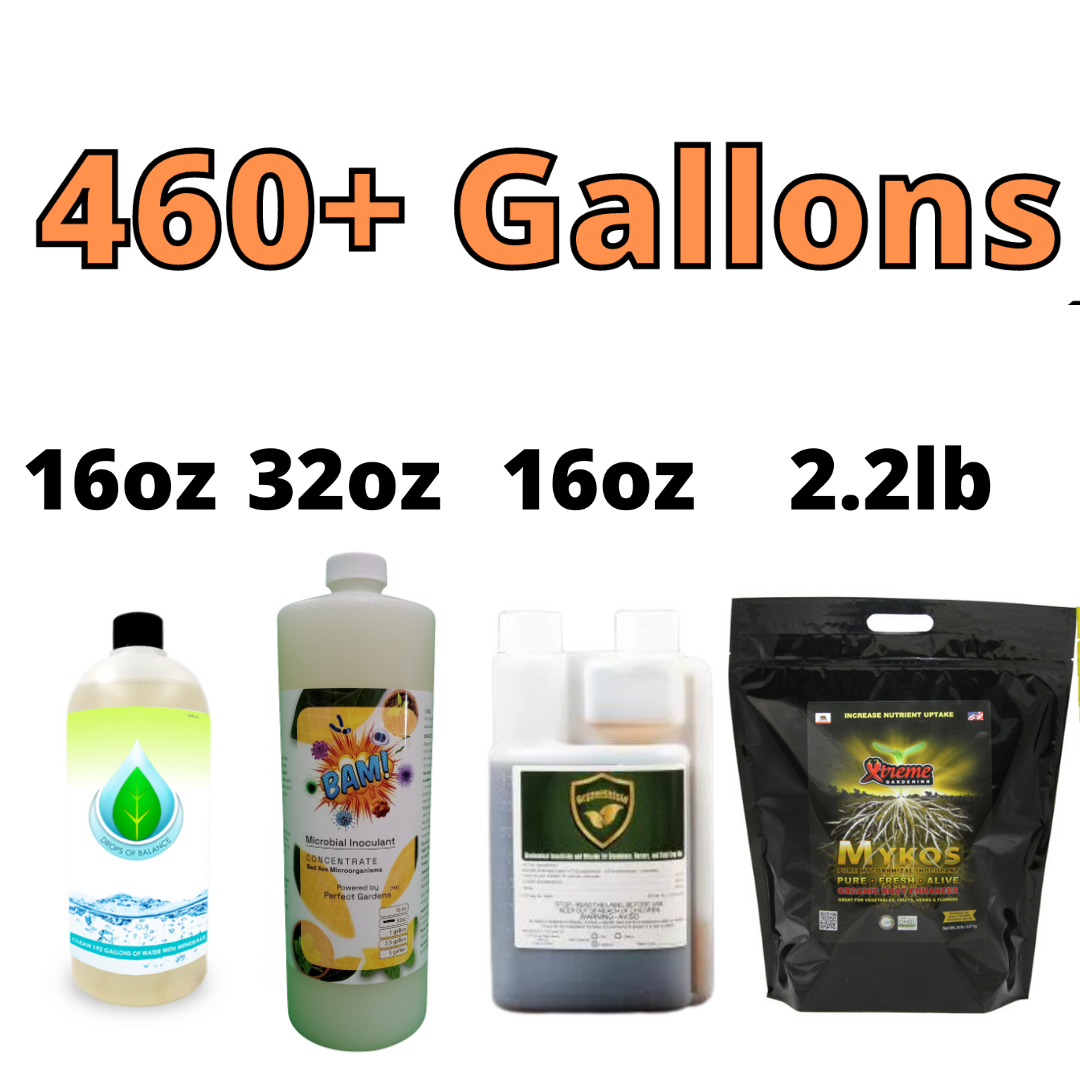
The 460-gallon Water and Soil Treatment Solutions Bundle is specifically designed for this mid-season stress. It includes the BAM! Microbial Inoculant, which reintroduces the beneficial life that tap water often kills.
By using this combination, you are creating a "buffer" for your tomatoes. The microbes help the plant access deep-seated moisture and minerals, while the Drops of Balance ensures the water is clean and nutrient-dense. This synergy allows the plant to stay hydrated and upright even when the sun is at its most punishing.
Mid-Season Application: The Foliar Secret
During extreme heat, the roots sometimes struggle to keep up with the leaves' demand for nutrients. This is where foliar spraying becomes an essential tool for the serious gardener.
By mixing Drops of Balance at a rate of approximately 2ml per gallon and spraying it directly onto the leaves (early morning or late evening, never in direct sun), you bypass the soil entirely. The minerals are absorbed directly through the leaf tissue, providing an instant metabolic boost that helps the plant recover from heat-induced exhaustion.
Long-Term Resilience vs. Short-Term Fixes
The goal of using Drops of Balance isn't just to stop a plant from wilting today; it's to build a more resilient biological system for the entire season. When you focus on water treatment for plants that prioritizes mineral density and soil health, you see a ripple effect:
- Improved Flavor: Minerals are the precursors to the complex sugars and aromatic compounds that make a homegrown tomato taste like a tomato.
- Disease Resistance: A plant that isn't stressed by heat or toxicity has a much stronger "immune system," making it less susceptible to blight and pests.
- Nutrient Density: The minerals you put into the soil end up in the fruit, providing better nutrition for you and your family.
Conclusion: Don't Let June Drain Your Garden
Your tomatoes don't have to be victims of the summer sun. Wilting is a signal: a cry for help: that the plant's internal systems are failing to keep up with the environment. By switching from standard tap water and basic organic fertilizer to a mineral-rich, treated water solution, you provide your garden with the tools it needs to thrive in extreme conditions.
This June, give your plants the "liquid gold" they deserve. If you have questions about specific application rates for your garden size, check out our FAQ page or browse our full collection of treatment solutions.
Stay cool, stay hydrated, and keep those tomatoes standing tall.