
Mid-Summer Soil Rescue: Why Your Garden Is Thirsty for More Than Water
As the calendar turns to June, gardeners across the country face a familiar challenge: the intense summer heat. While your first instinct might be to reach for the hose and drench your beds, there is a complex biological reality happening beneath the surface that water alone cannot fix. In fact, simply increasing water volume without addressing the underlying soil chemistry and mineral balance can sometimes do more harm than good.
Mid-summer is a critical period of "abiotic stress" for plants. This term refers to the negative impact of non-living factors on living organisms in a specific environment. In the heat of June, your garden isn't just "thirsty" for H2O; it is starving for the ionic minerals and microbial support necessary to process that water.
The Science of Summer Soil Degradation
When temperatures spike, the soil undergoes several physical and chemical changes. The most immediate is the loss of moisture through evaporation, but the secondary effects are far more damaging to long-term plant health.
1. Soil Compaction and Hydrophobicity
Intense heat can lead to soil compaction. As the ground dries out, the particles pull closer together, reducing the pore space available for oxygen and water movement. In extreme cases, dehydrated soil becomes hydrophobic. This means the soil literally repels water. You may have noticed this when watering a very dry potted plant: the water simply sits on top or runs down the sides of the pot without soaking in.
2. Mineral Leaching and Salinity Stress
To combat the heat, many gardeners increase their watering frequency. However, if you are using municipal tap water, you are inadvertently introducing chlorine, fluoride, and various salts into the soil profile. Over time, these elements accumulate, leading to salinity stress. This high salt concentration prevents the plant's roots from absorbing water through osmosis, effectively dehydrating the plant even when the soil is wet.

Why Water Alone Isn’t the Answer
Water is a solvent; its primary job in the garden is to transport nutrients from the soil into the plant’s vascular system. If the soil is depleted of trace minerals, the water has nothing to carry. This is why many gardens look "wilted" in June despite regular irrigation.
Furthermore, the quality of your water matters. Most tap water is treated with disinfectants designed to kill bacteria. While this is necessary for human safety, these chemicals are detrimental to the beneficial microbes in your soil. These microbes are responsible for breaking down organic matter and making minerals bioavailable to your plants. When you water with untreated tap water, you are essentially "sanitizing" your soil, killing the very workforce that helps your plants survive the heat.
Understanding the hidden truth about tap water is the first step in a successful mid-summer soil rescue.
The Role of Ionic Trace Minerals in Heat Resistance
To survive June’s soaring temperatures, plants need to maintain their turgor pressure: the internal water pressure that keeps them upright. This process is heavily dependent on minerals like potassium, magnesium, and a host of trace elements.
Trace minerals act as catalysts for enzymatic reactions within the plant. When a plant has access to a full spectrum of minerals, it can build thicker cell walls and more robust root systems, both of which are essential for abiotic stress management.
The Drops of Balance Solution
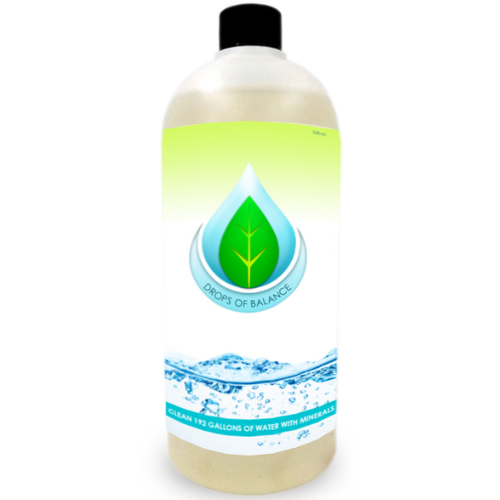
This is where Drops of Balance becomes a vital tool for the summer gardener. Drops of Balance is a concentrated mineral solution that serves a dual purpose:
- Water Purification: It interacts with the toxins in your tap water: such as fluoride and chlorine: causing them to precipitate out of the solution so they don't harm your soil biology.
- Mineral Replenishment: It adds over 70 naturally occurring, sulfate-based ionic minerals back into the water.
By treating your water with Drops of Balance, you are not just hydrating your plants; you are delivering a precise "nutrient delivery vehicle" that cleanses the soil and feeds the plant simultaneously.
Revitalizing the "Soil Food Web"
A healthy garden is a living ecosystem. In the mid-summer heat, the beneficial bacteria and fungi (like mycorrhizae) often go dormant or die off due to high soil temperatures and chemical exposure from tap water. To rescue your soil, you must reintroduce this life.
Using a microbial inoculant alongside your mineral treatments creates a synergistic effect. While the minerals provide the raw materials, the microbes provide the labor. This combination improves soil structure, increases water retention, and ensures that your organic fertilizers aren't failing due to a lack of biological activity.
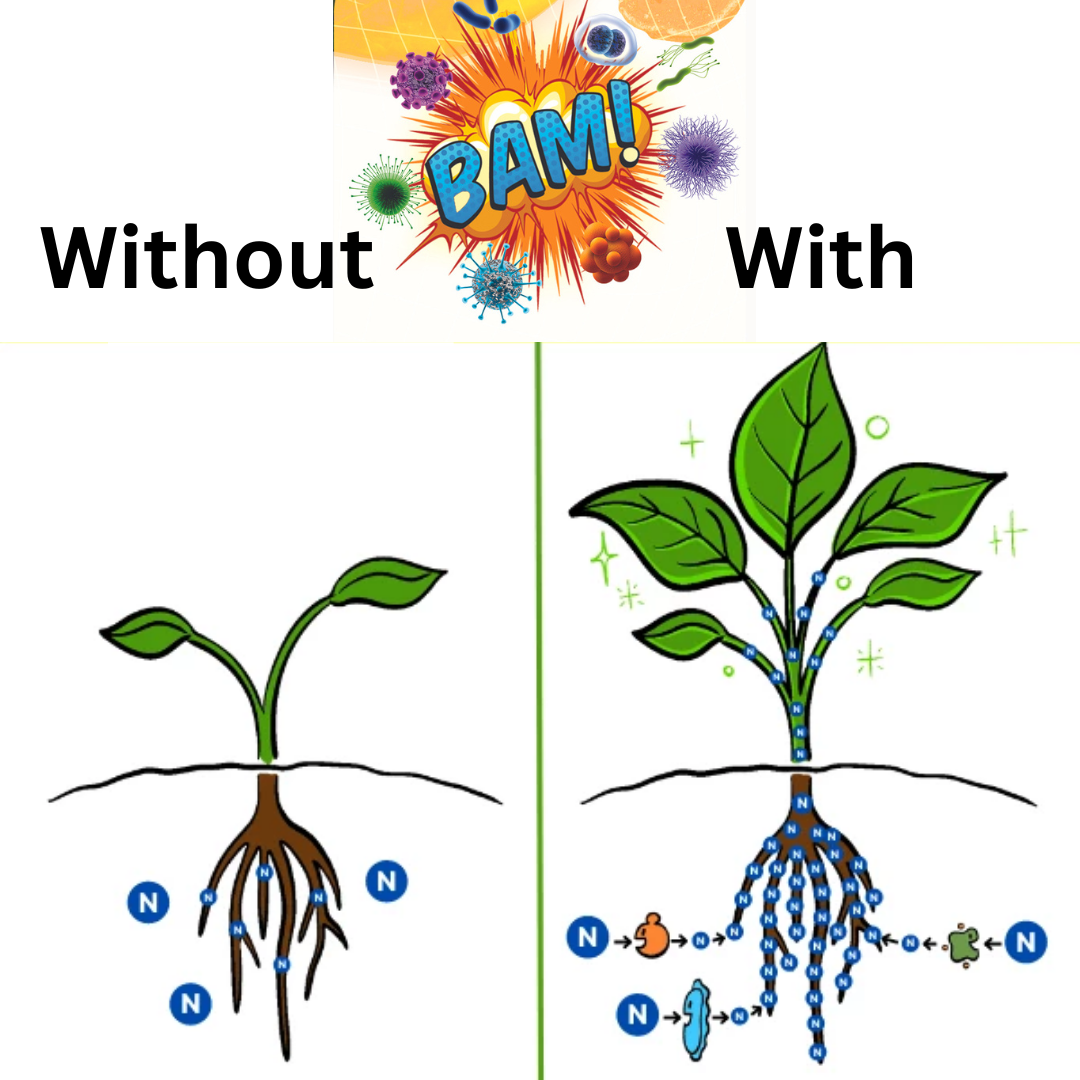
As seen in the comparison above, plants treated with a combination of mineral-rich water and microbial support (like BAM!) show significantly more resilience and biomass than those receiving standard water and fertilizer. This is because the minerals help "unlock" the nutrients already present in the soil.
Actionable Steps for Your June Soil Rescue
If your garden is currently struggling with the June heat, follow this scientific approach to restoration:
1. Address Water Toxicity
Before you water again, treat your source. Removing fluoride and chlorine is essential for protecting your soil's delicate microbial balance. You can remove fluoride from water for plants in under 5 minutes using Drops of Balance. This ensures the water you apply is a benefit, not a burden.
2. Implement Deep Watering Techniques
Instead of a daily light sprinkle, which encourages shallow root growth and leads to faster dehydration, opt for deep, infrequent watering. This encourages roots to dive deeper into the cooler, more stable layers of the soil. When you water deeply with mineralized water, you are building a reservoir of nutrients deep in the earth.
3. Reintroduce Biology
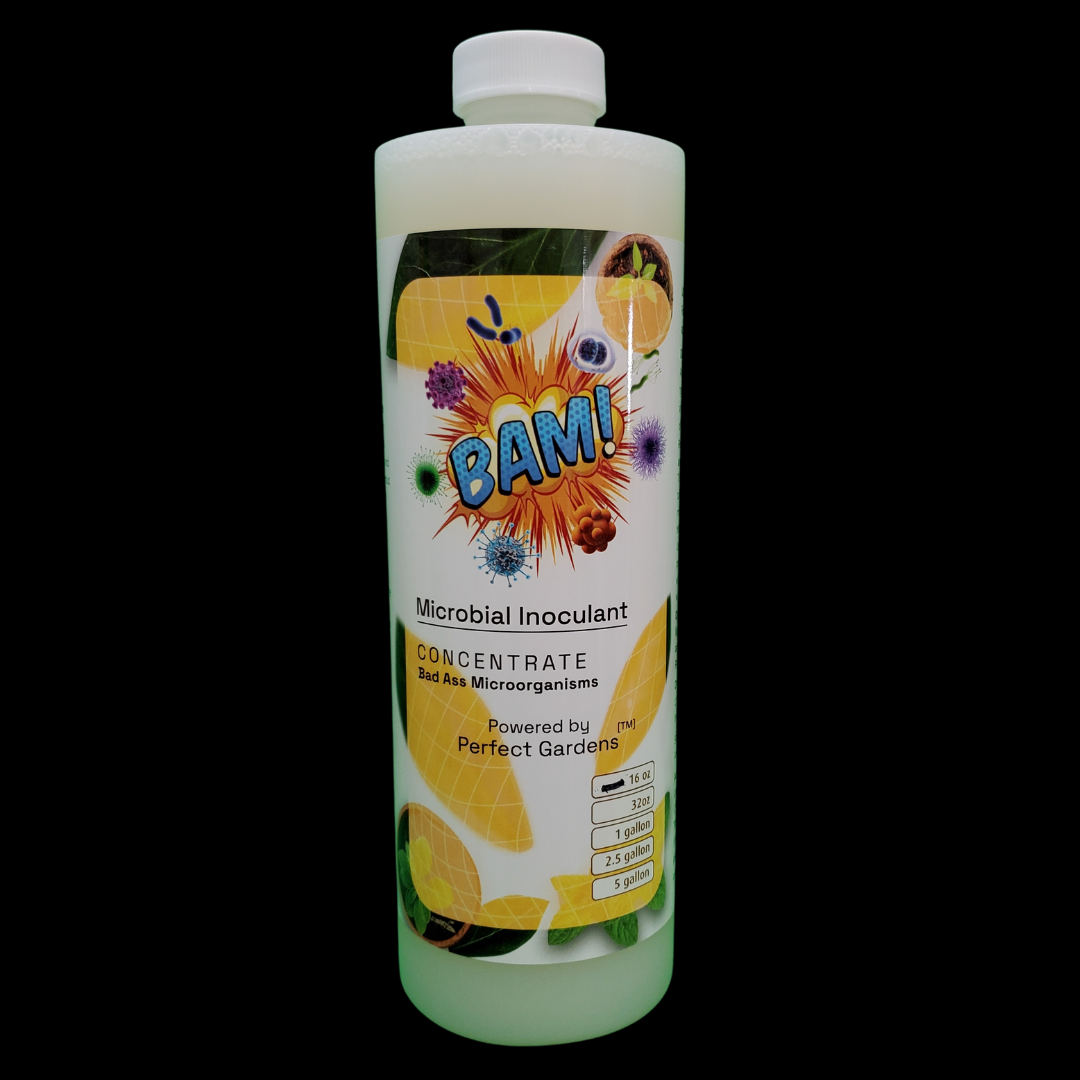
After neutralizing the toxins in your water, add a microbial inoculant like BAM! (Beneficial Adaptive Microbes). This helps to break up compacted soil and restore the symbiotic relationships between roots and fungi.
4. Mulch to Preserve
Once you have mineralized and hydrated the soil, lock it in. A 2-3 inch layer of organic mulch (straw, wood chips, or shredded leaves) acts as an insulator. It keeps the soil temperature lower, prevents evaporation, and slowly breaks down to add more organic matter to the soil profile.
The Long-Term Benefit of Mineralization
Soil health is not a "one and done" task. It is a continuous process of maintaining balance. By shifting your focus from "just watering" to "mineralizing and protecting," you are creating a garden that can withstand the harshest elements.
Many gardeners spend hundreds of dollars on expensive amendments and fertilizers, only to have them go to waste because the soil chemistry is "locked." Learning how to improve soil health in 5 minutes by simply changing how you treat your water can save you time, money, and your harvest.
As the summer progresses, keep a close eye on your plants. If you see yellowing leaves or stunted growth despite plenty of water, remember: your garden might not be thirsty for water: it might be thirsty for the minerals that make life possible.
For more tips on maintaining a healthy, mineral-rich garden all summer long, visit our news blog for the latest in water treatment and plant nutrition science.