
Heat-Resistant Harvests: How Trace Minerals Stop Tomato Blossom End Rot
As the calendar turns to July, home gardeners and commercial growers alike face a recurring physiological challenge: Blossom End Rot (BER). This condition, characterized by a dark, sunken, leathery spot on the bottom of tomatoes, peppers, and melons, can decimate a season’s harvest just as the fruit begins to ripen. While many dismiss it as a simple disease or fungal infection, the scientific reality is far more complex.
Blossom end rot is a physiological disorder fundamentally rooted in a localized calcium deficiency within the developing fruit. However, solving the problem is rarely as simple as adding more calcium to the soil. In the peak of summer heat, the mechanisms of nutrient transport, water consistency, and the presence of bio-available trace minerals become the deciding factors between a bountiful harvest and a bucket of spoiled produce.
The Science of Blossom End Rot: An Abiotic Disorder
To effectively manage BER, one must understand that it is an "abiotic" disorder: meaning it is caused by environmental factors rather than a living pathogen like bacteria or fungi. At the cellular level, calcium is essential for the structural integrity of cell walls. Specifically, calcium pectate acts as the "glue" that holds cells together. When a developing tomato fruit lacks sufficient calcium, the cell membranes break down, leading to the collapse of tissue and the characteristic dark lesion.
The paradox of BER is that it often occurs in soils where calcium is abundant. The issue is not necessarily a lack of calcium in the dirt, but rather a failure in the plant's vascular system to transport that calcium to the distal end of the fruit during periods of rapid growth and high environmental stress.
The Role of Transpiration and Heat Stress
July is defined by high temperatures and high Vapor Pressure Deficit (VPD). Plants transport nutrients primarily through a process called transpiration. Water is absorbed by the roots and moves upward through the xylem, eventually evaporating through the stomata in the leaves. Calcium is a relatively "immobile" nutrient; it moves almost exclusively through this one-way water stream.
When July heat spikes, the plant prioritizes its leaves for transpiration to keep itself cool. Because leaves have a much higher transpiration rate than the fruit, the majority of the water: and the calcium it carries: is diverted to the foliage. The developing fruit, which has a much lower transpiration rate, is left in a state of localized deficiency. This is why BER often strikes during the first heat wave of the summer.
Why Trace Minerals Are the Missing Link
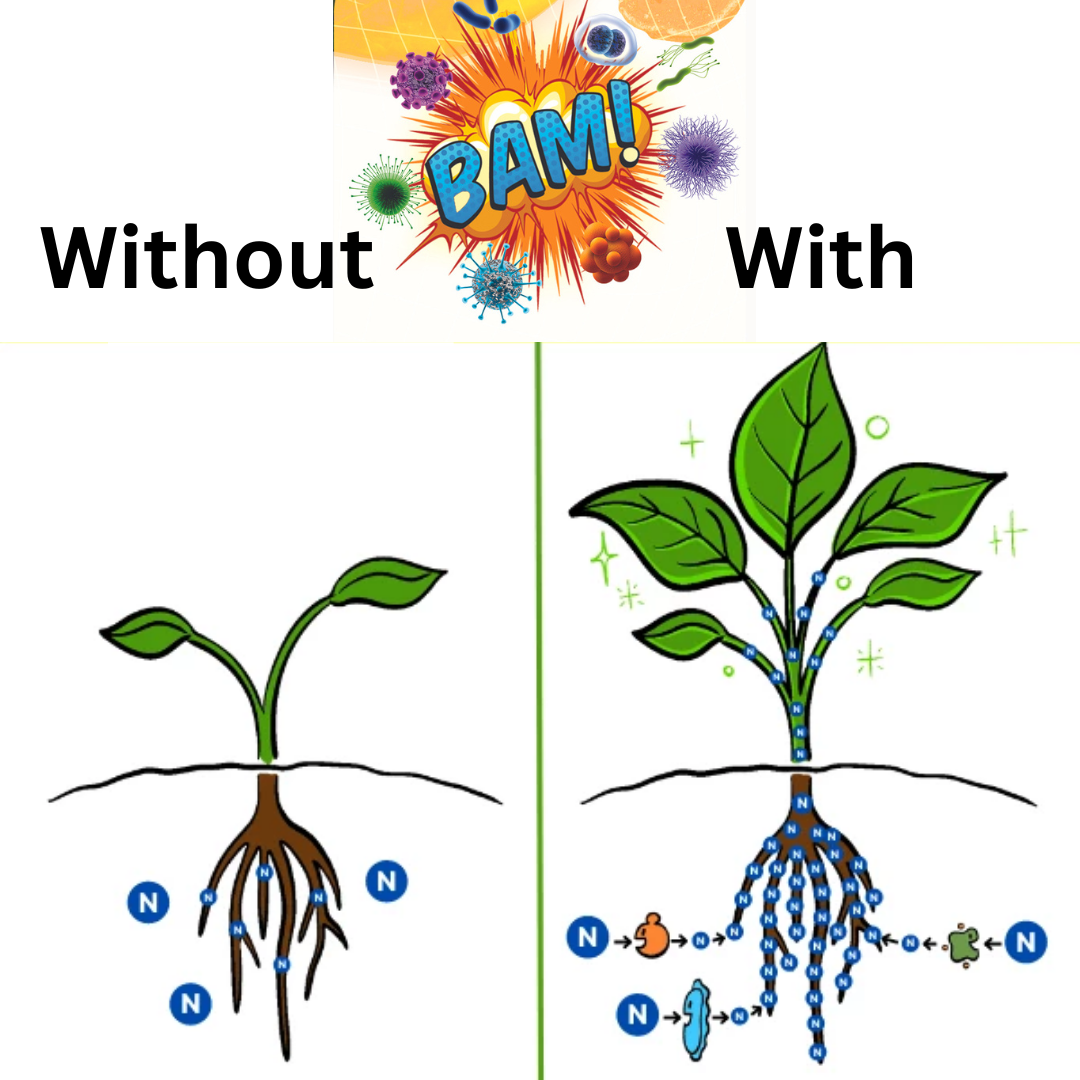
While calcium is the primary player, it does not act in a vacuum. Modern agricultural science highlights the importance of trace minerals for plants in facilitating nutrient uptake and metabolic efficiency. If a plant is struggling with a deficiency of secondary minerals like magnesium or boron, its ability to utilize calcium is severely compromised.
The Synergistic Effect of Ionic Minerals
Trace minerals serve as catalysts for enzymatic reactions within the plant. For instance, boron is known to play a critical role in the movement of sugars and the regulation of calcium in plant tissues. Without sufficient boron, calcium transport becomes sluggish, even if soil moisture is consistent.
Furthermore, the form of the minerals matters. Many conventional fertilizers for tomatoes provide nutrients in a "salt" form that requires significant microbial activity to break down into a plant-available state. During the high-stress period of July, the plant needs minerals that are already in an ionic, bio-available form. This is where Drops of Balance provides a scientific advantage. By introducing a concentrated solution of sulphate-based trace minerals, you are providing the plant with the building blocks it needs to maintain cellular osmotic pressure and structural integrity during heat spikes.
The Watering Paradox: Preventing Nutrient Blockage
One of the most common mistakes gardeners make in July is "reactionary watering." When plants wilt in the afternoon sun, the instinct is to flood the soil. However, uneven watering: fluctuating between bone-dry and saturated soil: is a leading cause of blossom end rot.
- Drought Stress: When soil dries out, the plant cannot take up water or calcium.
- Saturation Stress: When soil is over-saturated, the lack of oxygen in the root zone inhibits nutrient uptake.
- Nutrient Competition: Excessive watering can also wash away mobile nutrients or create an imbalance where an excess of potassium or magnesium competes with calcium for the same "pathways" into the root.
To prevent this, the use of an organic fertilizer approach that focuses on soil structure is essential. Adding trace minerals helps to "flocculate" the soil, improving its ability to hold water and oxygen simultaneously.

Illustration of Calcium transport through the Xylem to the developing fruit versus the foliage.
How Drops of Balance Solves the Mineral Gap
At Drops of Balance, we approach water treatment and soil health from a mineral-centric perspective. Our mineral concentrate contains a broad spectrum of ionic trace minerals that serve dual purposes in the garden:
1. Water Purification for Soil Health
Standard municipal tap water often contains chlorine and fluoride. Chlorine is a disinfectant designed to kill bacteria. When you water your garden with chlorinated water, you are inadvertently damaging the beneficial microbial life in your soil. These microbes are the primary drivers of nutrient cycling. Using Drops of Balance to treat your garden water helps neutralize these harmful chemicals, ensuring your soil's microbiome stays intact to support the plant’s nutrient needs.
2. Direct Mineral Supplementation
By adding our concentrate to your watering routine, you are providing a consistent supply of trace minerals. This prevents the "peaks and valleys" of nutrient availability. For gardeners dealing with BER, we recommend a foliar spray application in addition to soil drenching. While calcium itself is not easily absorbed through leaves, trace minerals can be, helping to boost the plant's overall metabolic rate and heat tolerance.
Strategic Implementation: A July Action Plan
To protect your tomato harvest from blossom end rot this season, consider the following scientific approach:
Consistent Moisture Management
Use mulch (straw, wood chips, or dried grass clippings) to regulate soil temperature and moisture levels. This reduces the evaporation rate and keeps the root zone cool, which is vital for continuous calcium uptake.
Avoid High-Nitrogen Fertilizers
In July, avoid using high-nitrogen fertilizers for tomatoes. Excessive nitrogen promotes rapid leaf growth, which increases the plant's transpiration demand and further diverts calcium away from the fruit. Instead, focus on mineral-rich supplements that support fruit development rather than just green growth.
Soil and Water Conditioning
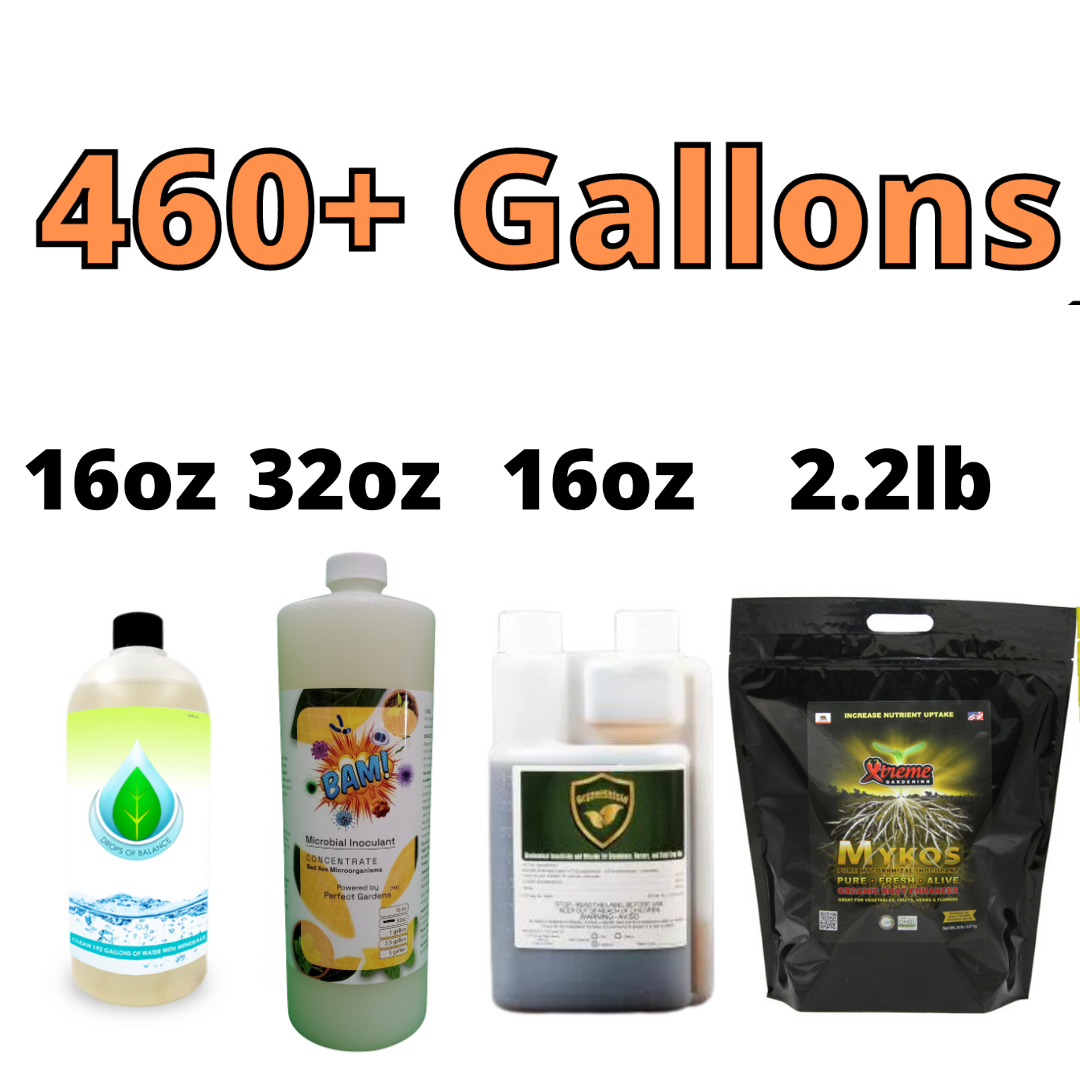
Integrate the 460 gallon Water and Soil Treatment Solutions Bundle into your routine. This bundle includes not only the trace minerals but also microbial inoculants like BAM! (Beneficial Aerobic Microorganisms).
The presence of beneficial microbes, supported by the right mineral balance, ensures that the nutrients in your organic fertilizer are actually reaching the plant. Microbes produce organic acids that help "chelate" minerals, making them more mobile and easier for the plant to absorb even under the stress of a July afternoon.
Conclusion: Engineering a Resilient Garden
Blossom end rot is not an inevitability of summer gardening; it is a signal from the plant that its transport systems are failing under environmental pressure. By focusing on the science of mineral availability and water quality, you can bypass the common pitfalls of July heat.
Trace minerals act as the "fine-tuning" for your garden's nutritional profile. When you ensure your water is clean and your soil is mineral-dense, you give your tomatoes the structural strength they need to resist cellular collapse. This year, don't just water your plants: mineralize them.
For more information on the science of mineralized water, visit our Safety Testing page or explore our FAQ to see how ionic minerals can transform your garden. If you're ready to upgrade your garden's nutrient program, check out our full collection of mineral solutions.