
Gardening in the Heat: Why Minerals Keep Your Soil From Drying Out
As we head into the warmer months of 2026, every gardener knows the feeling of watching a prize-winning tomato plant wilt under the afternoon sun, despite being watered just hours before. In the world of organic gardening, we often focus on nitrogen, phosphorus, and potassium (NPK), but we frequently overlook the "structural" side of the equation: minerals.
When the heat hits, the battle for moisture isn't just fought on the surface with a hose; it’s fought in the microscopic architecture of your soil. If your soil lacks the proper mineral balance, it loses its ability to hold onto water, no matter how much you pour on. This leads to a frustrating cycle of runoff, evaporation, and thirsty plants.
Understanding the science of how minerals: specifically calcium, magnesium, and trace elements: interact with soil particles is the key to creating a drought-resistant oasis.
The Science of Soil Structure and Flocculation
To understand why minerals keep soil from drying out, we have to look at soil at a molecular level. Soil isn't just "dirt"; it’s a complex matrix of sand, silt, clay, and organic matter. The way these particles stick together (or don't) determines your soil health.
One of the most important processes in water retention is "flocculation." This is a scientific term for when individual clay particles join together into larger clusters or "flocs." Minerals like calcium play a starring role here. Calcium ions act as a kind of chemical bridge, pulling clay particles together to create stable aggregates.
Why does this matter for heat? Because when soil is well-flocculated, it creates tiny pockets of air and space called macropores and micropores.
- Macropores allow water to infiltrate deep into the ground rather than running off the surface.
- Micropores act like tiny underground reservoirs, holding onto water molecules through capillary action, preventing them from evaporating or draining away too quickly.
Without these minerals, soil becomes compacted. Compacted soil is essentially "hydrophobic": it repels water. When you water compacted, mineral-deficient soil in 90-degree heat, the water simply sits on top and evaporates before it ever reaches the roots.
Why Calcium is the "King" of Heat Resilience
If you’ve been following our blog, you know we talk a lot about minerals for human health, but the parallels in the garden are striking. Research suggests that calcium is perhaps the most critical mineral for soil stability. In fact, many high-performing soils require up to 15 times more calcium than potassium or phosphorus.
When the temperature rises, plants undergo a process called transpiration: essentially "sweating" to stay cool. To keep up with this moisture loss, the plant needs a constant, steady supply of water from the soil. Calcium strengthens the cell walls of the plant, making them less likely to collapse under heat stress, but more importantly, it ensures the soil structure remains open enough for roots to breathe and drink.
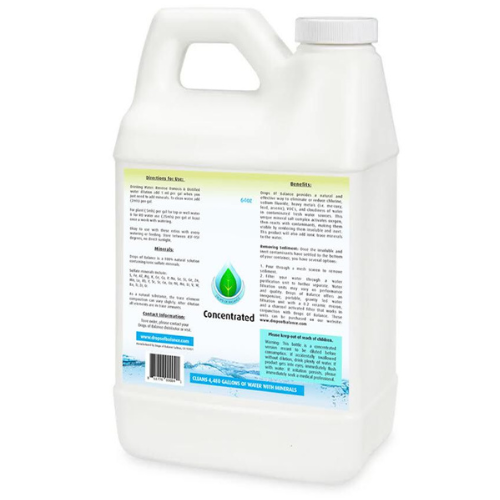
In many urban environments, our tap water is treated with chemicals like chlorine and fluoride, which can actually displace these beneficial minerals over time. This is why water treatment for plants is just as important as it is for people. Using a mineral-rich solution like Drops of Balance helps neutralize those harmful additives while replenishing the ionic minerals that keep the soil "open" and absorbent.

Visual: A close-up, authentic photo of rich, dark, crumbly soil (humus) being held in a gardener's hands, showing a healthy, non-compacted texture.
The Role of Trace Minerals in Root Development
A plant is only as drought-tolerant as its root system. If your roots are shallow and weak, the plant will wilt the moment the top inch of soil dries out. Minerals like zinc, phosphorus, boron, and manganese are the primary drivers of early-season root establishment.
When soil is mineral-rich, roots tend to grow deeper and more branch-like. These deep roots can tap into the moisture reserves held in the lower levels of the soil profile: moisture that is protected from the drying effects of the sun and wind.
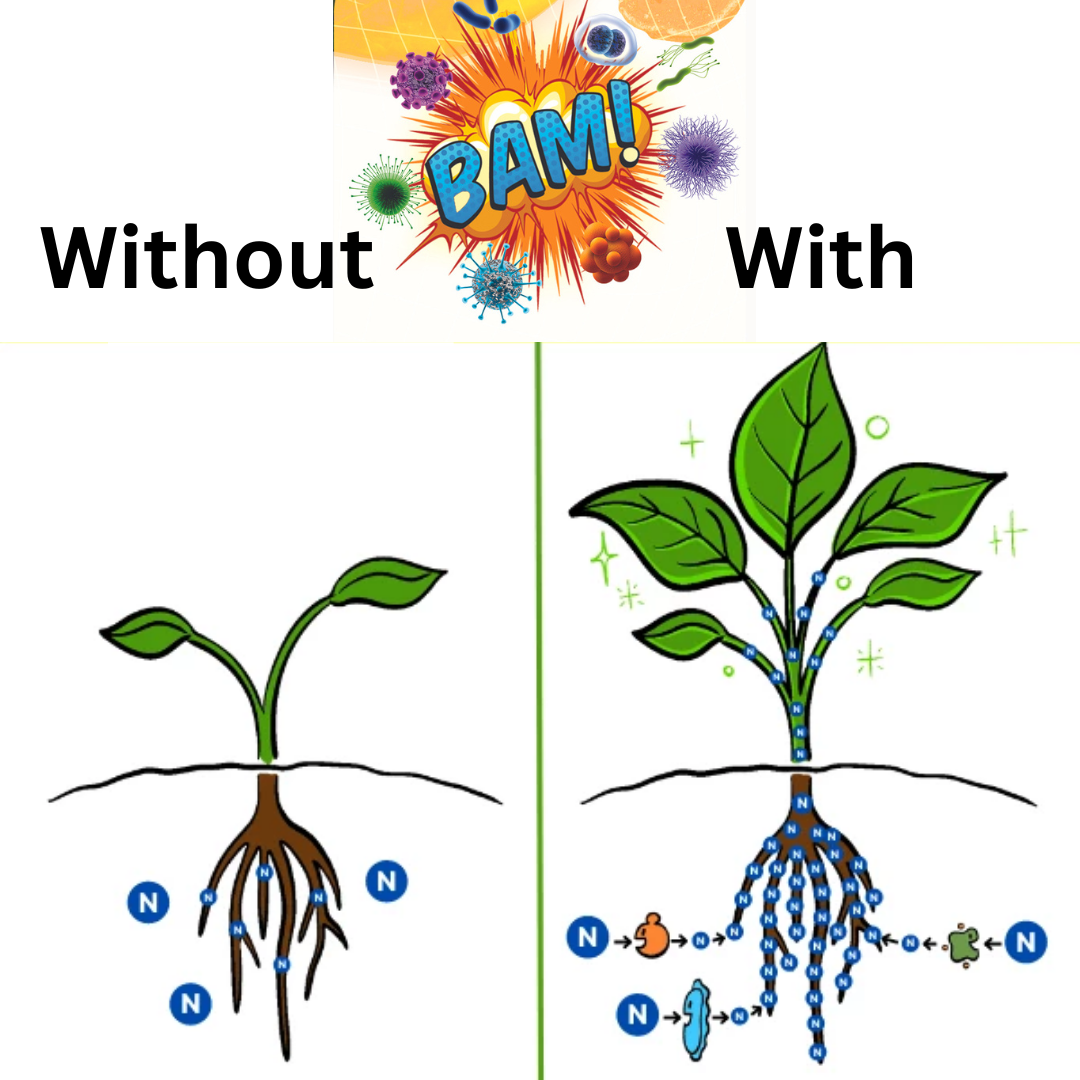
Furthermore, trace minerals support the "rhizosphere," the area of soil immediately surrounding the roots. This area is teeming with beneficial microbes. Minerals and microbes have a symbiotic relationship: the minerals provide the structural environment for the microbes to thrive, and the microbes, in turn, help the plant "lock in" moisture and nutrients.
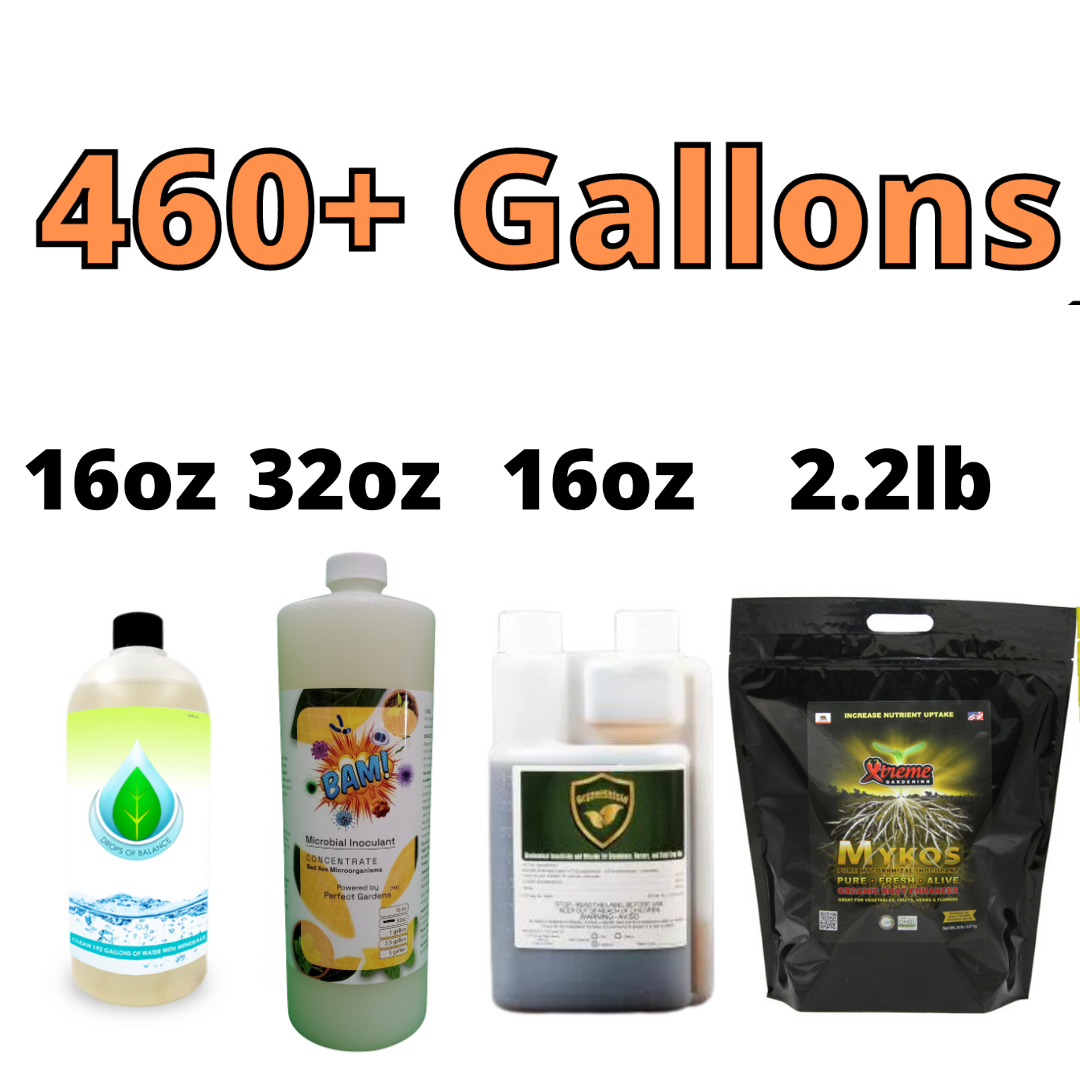
If you’re looking to give your garden a head start before the peak of summer, our 460 Gallon Water and Soil Treatment Bundle is designed to address both the mineral and microbial needs of your garden.
Combating Hydrophobic Soil in Mid-Summer
Have you ever noticed that during a dry spell, your soil seems to actually repel water? This is a common issue in organic gardening where the soil organic matter dries out so much that it develops a waxy coating.
Minerals, particularly in a sulfated form, act as natural "wetting agents." Sulfated minerals reduce the surface tension of water, allowing it to penetrate that waxy layer and soak deep into the root zone. Instead of the water bead-rolling off the surface, it "sheets" and sinks in.
This is why we recommend using Drops of Balance not just for your drinking water, but as a regular part of your irrigation routine. By adding these minerals to your watering can, you are essentially "softening" the water’s interaction with the soil, ensuring that every drop you spend is actually used by the plant.
Practical Tips for Mineral-Based Heat Management
- Foliar Spraying for Immediate Relief: During an extreme heatwave, plants often struggle to pull enough water through their roots fast enough. Foliar spraying: spraying a diluted mineral solution directly onto the leaves: can provide an immediate boost. The minerals help the plant manage its "stomata" (the tiny pores on the leaves), allowing it to regulate moisture loss more effectively.
- Water in the Evening or Early Morning: This is classic advice, but it works better when the water is mineralized. The minerals have all night to interact with the soil chemistry without the interference of rapid evaporation.
- Check Your Water Source: If you are using municipal water, you might be adding salts and chlorine that actually harden the soil over time. Check out our filters and treatment options to ensure your "clean" water isn't accidentally sabotaging your soil health.
- Mulch, Mulch, Mulch: Minerals help hold water, but mulch keeps the sun from "stealing" it. Apply a thick layer of organic mulch after you've treated your soil with minerals to lock that moisture in.

Visual: A lush, green backyard garden during the "golden hour" of sunset, showing thriving plants and healthy, mulched garden beds.
The Long-Term View: Building Soil "Wealth"
Gardening in the heat of 2026 and beyond requires a shift in perspective. We can't just think about feeding the plant; we have to think about building the "wealth" of the soil. A mineral-dense soil is a resilient soil. It acts as a buffer against temperature swings, a reservoir against drought, and a filter against toxins.
By investing in high-quality minerals and microbial inoculants, you aren't just growing a garden for this season; you’re building an ecosystem that will require less water and less work in the years to come.
Whether you're a commercial grower or a backyard hobbyist, the science remains the same: balance your minerals, and your soil will take care of the rest.
If you have questions about how to scale these mineral treatments for your specific garden size, feel free to contact us or check out our wholesale options for larger agricultural projects. Happy gardening, and stay cool out there!