
Homesteading 101: Making Any Water Source Safe for Your Animals and Crops
For the modern homesteader or off-gridder, water is the most critical asset. Whether you are drawing from a deep well, a spring-fed pond, or harvesting rainwater, the assumption that "natural" equals "pure" is a dangerous misconception. In a world where industrial runoff, atmospheric pollutants, and geological contaminants are ubiquitous, managing water quality is a foundational requirement for sustainable agriculture and animal husbandry.
To ensure the longevity of your soil health and the vitality of your livestock, you must look beyond basic filtration. True water security involves a two-step process: the removal of harmful contaminants and the restoration of essential trace minerals.
The Reality of "Natural" Water Sources
Homesteaders typically rely on three primary water sources: wells, surface water (ponds and streams), and rainwater. Each presents unique biochemical challenges.
Well Water Contaminants
Well water is often perceived as the gold standard, but it is frequently laden with heavy metals like arsenic, lead, and mercury, as well as high concentrations of iron and manganese. Furthermore, modern groundwater often contains "forever chemicals" such as PFAS (per- and polyfluoroalkyl substances) and agricultural nitrates from neighboring farms. These substances do not just affect human health; they accumulate in the tissues of livestock and can stunt the growth of sensitive crops.
Surface Water Risks
Ponds and streams are susceptible to biological pathogens and chemical runoff. One of the most significant risks for homesteaders is the development of cyanobacteria, or blue-green algae. These blooms produce toxins that can be fatal to cattle, poultry, and even household dogs. Additionally, surface water often carries high levels of suspended solids and organic matter that can clog irrigation systems and provide a breeding ground for harmful bacteria.
Rainwater Impurities
While rainwater is naturally soft, it acts as a "scrubber" for the atmosphere. As it falls, it collects microplastics, heavy metals, and industrial chemicals present in the air. When stored in cisterns, rainwater can become stagnant, leading to microbial proliferation.
The Science of Water Treatment for Plants and Soil Health
When discussing water treatment for plants, most gardeners focus on removing chlorine. While chlorine is indeed detrimental to the delicate balance of soil health, it is only one piece of the puzzle.
Healthy soil is a living ecosystem powered by a complex web of microbes, fungi, and bacteria. When contaminated water is applied to the land, it acts as a sterilization agent. Heavy metals and chemical residues inhibit the ability of beneficial microbes: such as those found in BAM! Microbial Inoculant: to fix nitrogen and cycle nutrients.
Restoring Soil Microbes
To achieve a high-yield, regenerative homestead, the water must be compatible with biological life. Using a mineral-based treatment like Drops of Balance facilitates the precipitation of toxins, allowing the minerals to support microbial respiration.
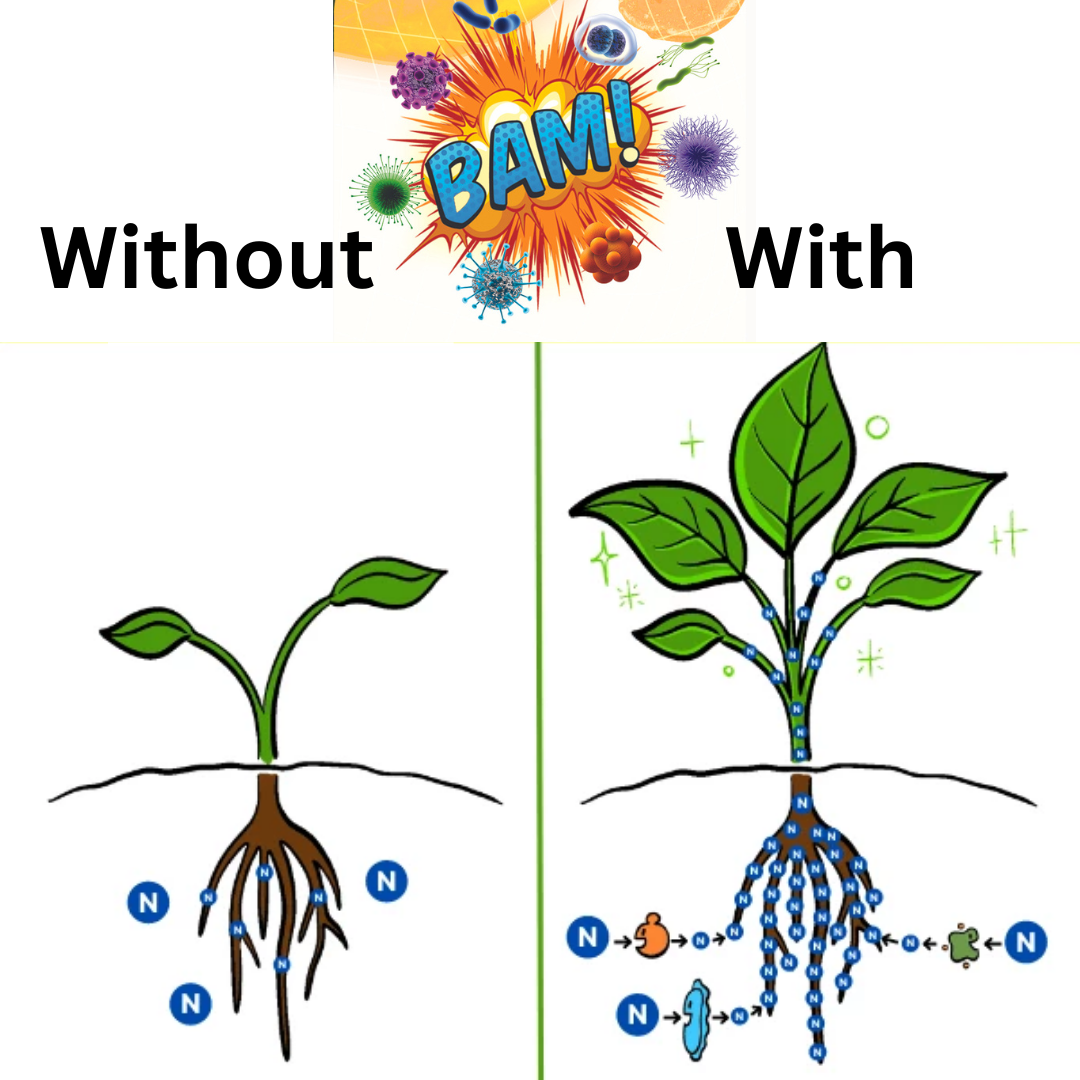
When the water is purified and remineralized, the synergistic relationship between the roots and soil biology is restored. This leads to improved nutrient uptake, higher Brix levels in produce, and greater resistance to pests and drought.
Safeguarding Livestock with Trace Minerals
Livestock health is inextricably linked to hydration. Animals require significantly more water than humans, and their tolerance for contaminants varies by species.
- Mineral Deficiencies: Many "clean" water sources are actually mineral-deficient, especially if they have undergone aggressive filtration like Reverse Osmosis. Animals lacking trace minerals often exhibit poor coat quality, reduced fertility, and weakened immune systems.
- Bioaccumulation: Contaminants like fluoride and lead accumulate in the bones and milk of dairy animals. For a homesteader, this means the toxins in the water eventually end up on the dinner table.
- Toxin Neutralization: Using sulfated trace minerals in water troughs helps to neutralize harmful substances through a process called flocculation. This ensures that the water your animals consume is biologically available and structurally sound.
Scaling Up: Solutions for the Whole Homestead
One of the primary challenges of off-grid water treatment is volume. A standard household filter cannot keep up with the demands of a half-acre garden and a herd of goats. This is where bulk concentrates become essential.
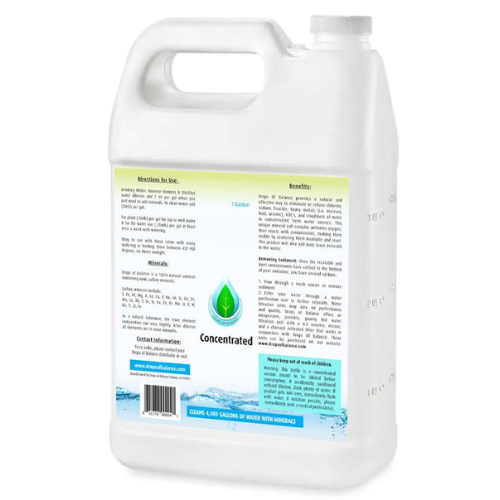
For homesteading applications, the use of large-format mineral solutions is the most cost-effective and efficient method. A single 5-gallon container of Drops of Balance can treat thousands of gallons of water, making it suitable for filling stock tanks or treating large cisterns.
Application Rates for Homesteaders:
- For Irrigation: Adding mineral concentrate to your irrigation headers (at a rate of approximately 0.5 ml per gallon for tap water or slightly more for pond water) ensures that every drop hitting your soil is contributing to long-term soil health.
- For Stock Tanks: Periodic treatment of livestock waterers helps keep the water clear of algae and ensures animals are receiving a spectrum of trace minerals.
- Foliar Feeding: Using treated, mineral-rich water as a base for foliar sprays increases the absorption of nutrients through the leaves, bypassing soil-based lockout issues.
Maintenance and Best Practices
Treating the water is only half the battle; maintaining the infrastructure is equally important.

Regular Testing
It is recommended that homesteaders test their primary water sources at least annually. Laboratory tests should look for pH, total dissolved solids (TDS), nitrates, and specific heavy metals relevant to your geographic area.
Sanitation Protocols
- Flush Systems: Automatic waterers and irrigation lines should be flushed monthly to prevent the buildup of biofilm and mineral scale.
- Control Runoff: Ensure that livestock waste and compost piles are situated well away from wellheads and pond inlets to prevent nitrogen leaching and bacterial contamination.
- Aeration: For those using pond water, installing a simple aeration system can help prevent the stagnation that leads to toxic algae blooms.
The Role of Beneficial Microbes in Water Management
Beyond purification, the integration of beneficial microorganisms is a "secret weapon" for the off-gridder. Products like BAM! (Beneficial Aerobic Microbes) can be used in conjunction with treated water to break down organic matter in ponds and improve the resilience of crops.
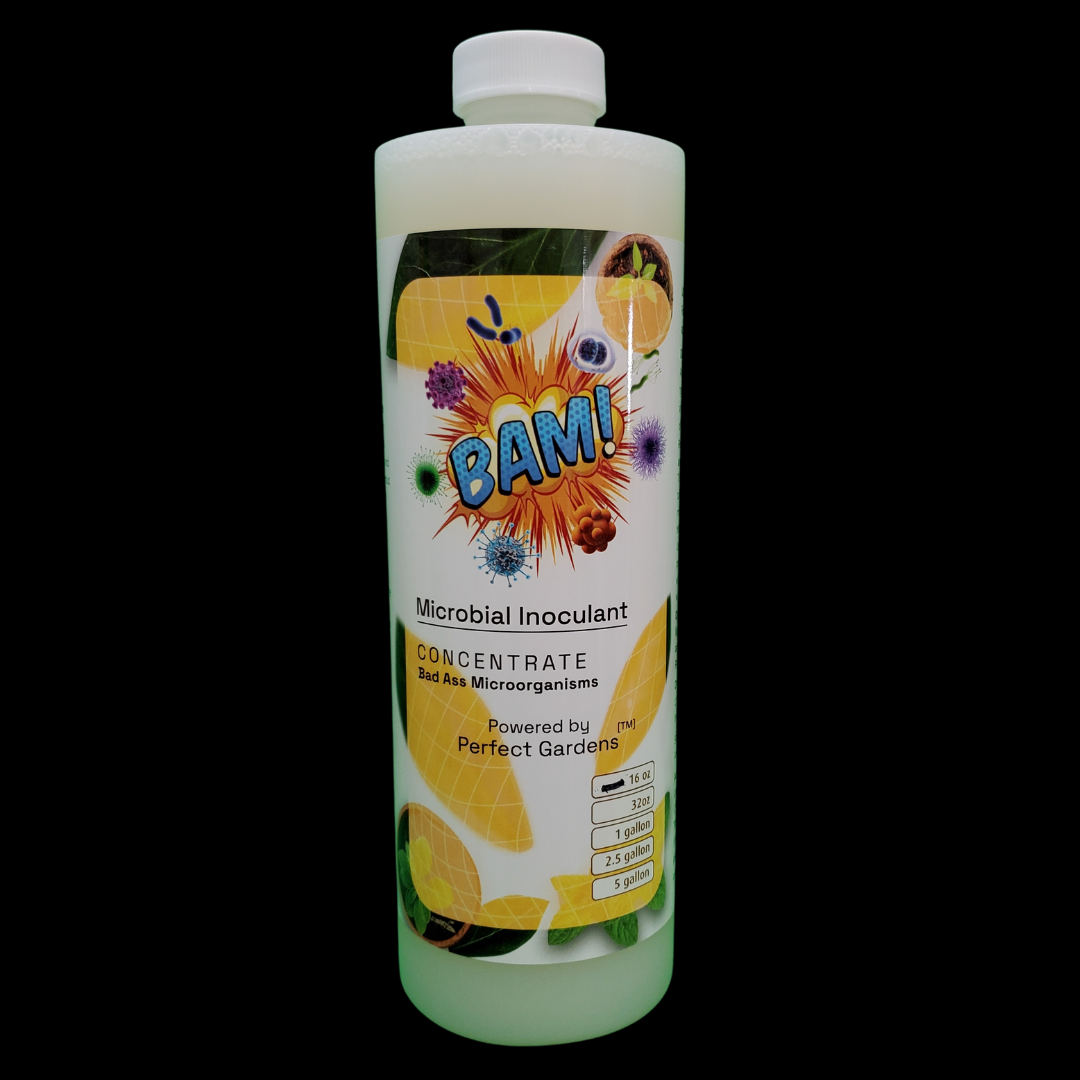
When you treat your water with Drops of Balance, you are removing the inhibitors that would otherwise kill these beneficial microbes. This allows the BAM! to work at peak efficiency, creating a self-sustaining cycle of health from the water to the soil to the animal.
Conclusion: Building a Resilient Water System
Homesteading is an exercise in self-reliance, but that reliance is only as strong as your most basic inputs. By implementing a rigorous water treatment for plants and animals, you protect your investment and your health.
Transitioning from "raw" water to purified, mineralized water is a scientific necessity in the modern environment. Whether you are scaling up with wholesale concentrates or refining your garden's output with specialized bundles, the goal remains the same: a balanced ecosystem where every drop of water supports life rather than hindering it.
By understanding the chemistry of your water source and utilizing ionic sulfate minerals, you can transform any water source into a life-giving resource for your entire homestead.