
Spring Planting Guide: How to Prep Your Soil with Sulfated Trace Minerals
Spring is when a lot of gardeners start thinking about what to plant, but the real secret is what’s happening below the surface first. Good gardens usually don’t start with more fertilizer. They start with healthier soil, better water, and a growing environment that actually supports roots, microbes, and steady plant growth.
If you want stronger tomatoes, happier seedlings, and beds that keep improving over time, it helps to think beyond the usual NPK conversation. Soil health is really about building a balanced system. That means giving plants access to trace minerals, protecting microbial life, and creating conditions where roots can do their job without constant stress. This guide walks through the why behind that approach in a simple, practical way for spring planting season.
Why Soil Health Matters More Than Most Gardeners Realize
A lot of struggling gardens are not suffering from a lack of effort. They’re suffering from tired soil. After years of growing, watering, and weather exposure, soil can lose structure, biological activity, and access to the small trace elements plants need for steady growth.
That matters because plants do not just need “food” in a general sense. They need minerals in forms they can actually use, and they need living soil that helps move those nutrients where they belong. When minerals are present but not available, plants can still act deficient. That often shows up as slow growth, weak stems, pale leaves, poor fruit set, or plants that seem to stall out for no obvious reason.
Sulfated trace minerals are helpful in gardening because they dissolve readily in water, making them easier for plants and soil life to interact with. In practical terms, that means you are not just dumping material into the ground and hoping for the best. You are improving access. Sulfur also plays its own role in plant metabolism, including amino acid and protein formation, which is one more reason balanced mineral support can make such a visible difference over time.
Why gardeners pay attention to sulfates
- They dissolve well in water: That gives roots a better chance of accessing minerals when they need them.
- They can support nutrient availability: In some soils, they help create conditions where other nutrients are easier for plants to use.
- They contribute sulfur too: Sulfur is an important plant nutrient in its own right, not just a carrier for other minerals.
Start With the Soil You Actually Have
Before adding anything, it helps to know what kind of soil you’re working with. A basic soil test can tell you a lot, especially your pH and a few key mineral levels. That one step can save a lot of guesswork.
Most garden plants do best when soil sits in a slightly acidic to neutral range. When pH drifts too far high or low, nutrients can become harder for plants to access even if they are technically present. That is why two gardens can get the same treatment and respond very differently. The goal is not perfection. It is balance.
If you are new to testing, think of it as learning your garden’s personality. Once you know whether your soil tends alkaline, acidic, sandy, compacted, or low in organic matter, your choices get much easier and a lot more effective.
Feed the Soil, Not Just the Plant
One of the biggest gardening mindset shifts is realizing that healthy growth starts by feeding the soil ecosystem first. Compost is wonderful for structure, moisture retention, and organic matter, but it does not always provide the full range of trace elements plants rely on.
That’s especially important for heavy-feeding crops like tomatoes and peppers. These plants grow fast, set fruit, and ask a lot from the soil. If the mineral balance is off, they often let you know quickly. Sometimes that looks like blossom-end rot, weak growth, inconsistent ripening, or plants that seem green enough but never really thrive.
A smart spring approach is to build a better foundation before planting gets into full swing. Think of early watering and soil prep as your chance to stock the pantry. When roots head out looking for what they need, it is already there in forms that are easier to access.
Don’t Forget the Tiny Workers in the Soil
Healthy soil is alive. That living part matters more than many gardeners realize. Microbes help break down organic material, interact with roots, and support the movement of nutrients into forms plants can actually use.
You can think of minerals as the building materials and microbes as the workers moving everything into place. Without strong microbial activity, even decent soil can underperform. With active biology, gardens often show better root development, more resilience after transplanting, and more consistent growth through weather swings.
This is one reason chlorine-heavy water can be a setback in the garden. Municipal water is treated to control microbial life, which makes sense for public health, but it is not ideal when you are trying to encourage a lively soil food web. If your garden feels flat despite regular feeding, the missing piece may be biology, not effort.
A Few Gardening Tips That Make a Big Difference
If you want better results this season, a few simple habits go a long way:
- Water deeply, not constantly: Deep watering encourages roots to grow down instead of staying shallow and stressed.
- Add organic matter regularly: Compost helps buffer the soil, improves texture, and supports microbial life.
- Avoid planting into cold, lifeless beds: Give your soil a little time to wake up in spring before expecting explosive growth.
- Mulch once the soil warms: Mulch helps hold moisture, moderate temperature swings, and protect the life near the surface.
- Watch new growth closely: Young leaves often reveal nutrient or watering issues earlier than older foliage.
The comparison image above is a good reminder that better growth is usually not about one magic trick. It is the result of better conditions overall. When roots have access to moisture, oxygen, minerals, and living soil support, plants spend less energy surviving and more energy growing.
Water Quality Changes More Than People Think
Most gardeners pay attention to sunlight, fertilizer, and plant spacing, but water quality often gets overlooked. If your water contains chlorine or chloramines, it may work against the microbial life you are trying to build in the soil.
That does not mean every garden is doomed by tap water. It just means water is part of the whole system. Over time, repeatedly watering with harsh or imbalanced water can make it harder for beneficial biology to flourish. When your water supports soil life instead of disrupting it, everything else tends to work better too.
This is especially worth thinking about if you are growing organically, making compost teas, or trying to improve long-term soil health rather than just push quick top growth.
Healthy Gardens Are Built From the Ground Up
Spring prep is really about setting the tone for the whole season. When soil has good structure, enough biological activity, and access to the minerals plants need, gardening gets easier. Plants handle stress better, roots grow stronger, and the whole garden feels more resilient.
If there is one takeaway here, it is this: don’t just feed plants when they look hungry. Build a better environment so they can stay healthy from the start. That usually means paying attention to soil balance, microbial life, water quality, and steady habits more than chasing quick fixes.
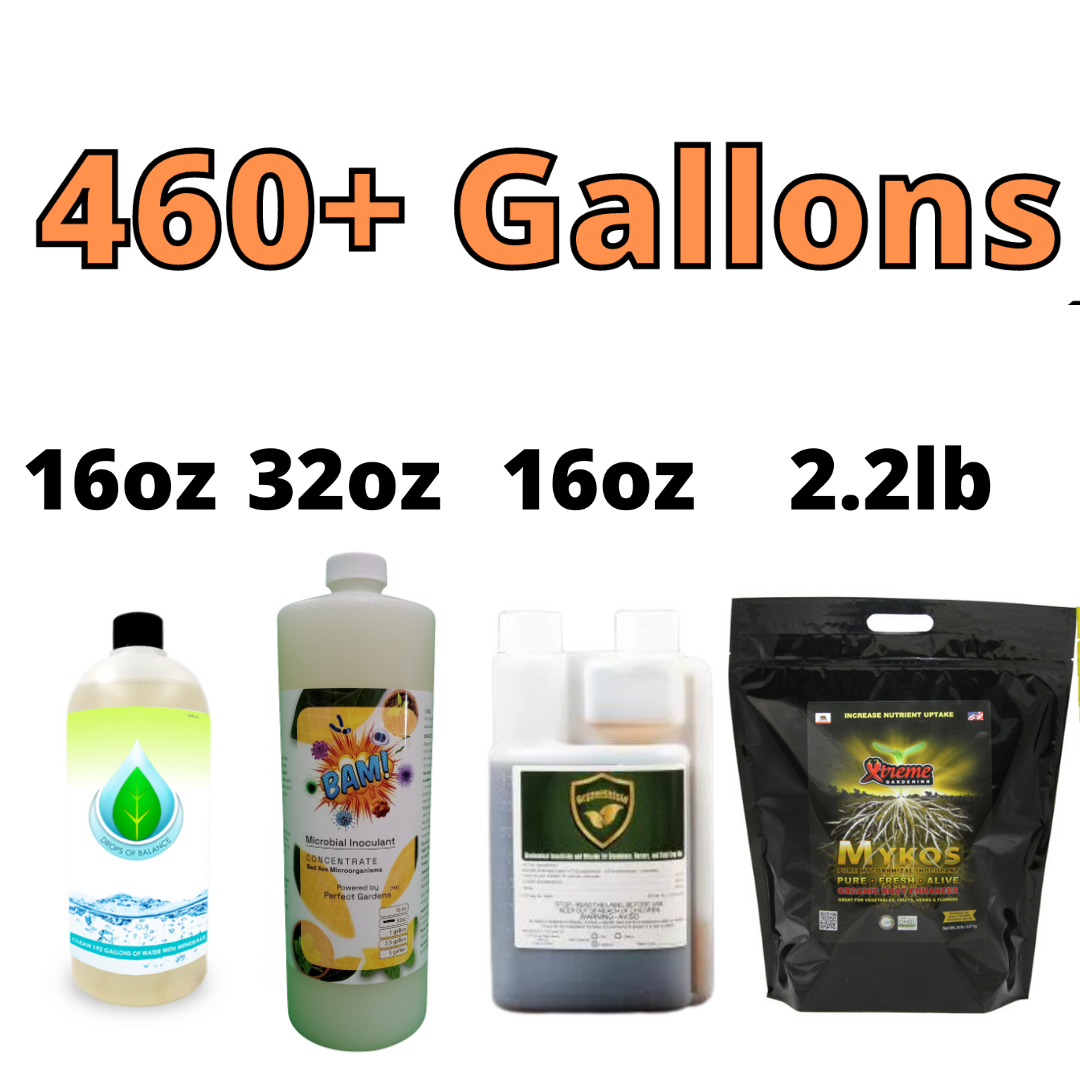
If you want a simple resource for treating water and adding trace minerals, Drops of Balance is worth looking into.
Further Resources
For more information on the science of water and minerals, check out our deep dive on what happens when you drink demineralized water long-term, as the same biological principles of mineral absorption apply to both plants and humans.