
How Drops of Balance Fixes Common Water Problems for Plants and Soil
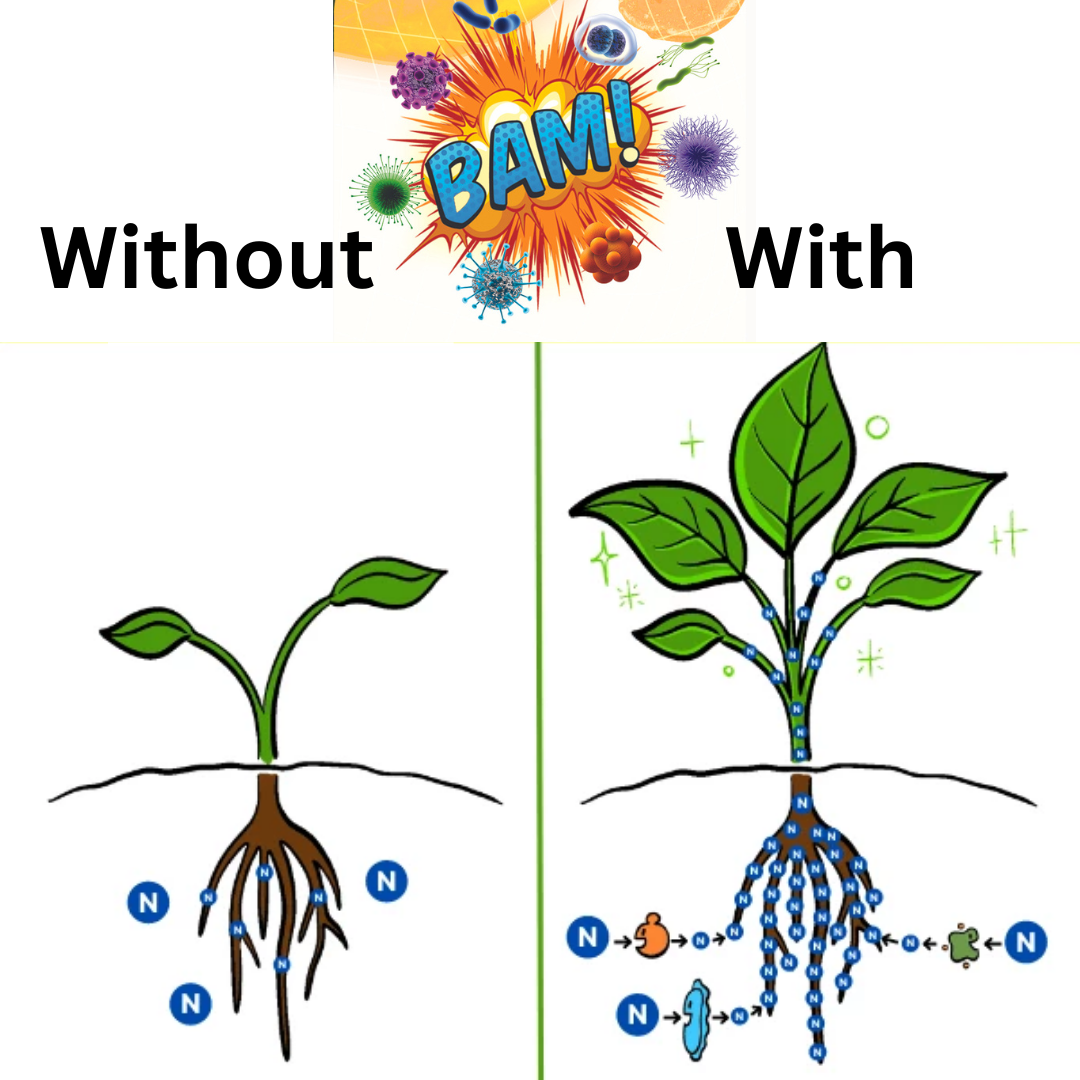
Modern gardening faces a fundamental challenge that many growers overlook: the quality of water used for irrigation directly impacts plant health, soil biology, and ultimately, crop yields. Municipal water supplies contain numerous contaminants that can inhibit plant growth, disrupt soil microorganisms, and reduce nutrient uptake efficiency. Understanding these water-related issues and implementing effective solutions represents a critical component of successful plant cultivation.
The Hidden Contaminants Compromising Your Garden
Tap water contains over 250 documented contaminants, including chlorine, chloramine, fluoride, heavy metals, pharmaceutical residues, and industrial chemicals. These substances, while often present in concentrations deemed safe for human consumption, can have detrimental effects on plant physiology and soil ecosystems.
Chlorine and chloramine, commonly used as disinfectants in municipal water treatment, interfere with beneficial soil bacteria and fungi. These oxidizing agents damage cell membranes in microorganisms essential for nutrient cycling and plant-root symbiosis. Research indicates that chlorinated water can reduce soil microbial diversity by up to 40% over time.
Heavy metals such as lead, cadmium, and mercury accumulate in plant tissues and soil, creating toxic conditions that inhibit enzymatic processes crucial for photosynthesis and nutrient transport. Fluoride compounds, while present in relatively low concentrations, can interfere with plant enzyme systems and reduce overall vitality.
The Science Behind Drops of Balance Water Treatment
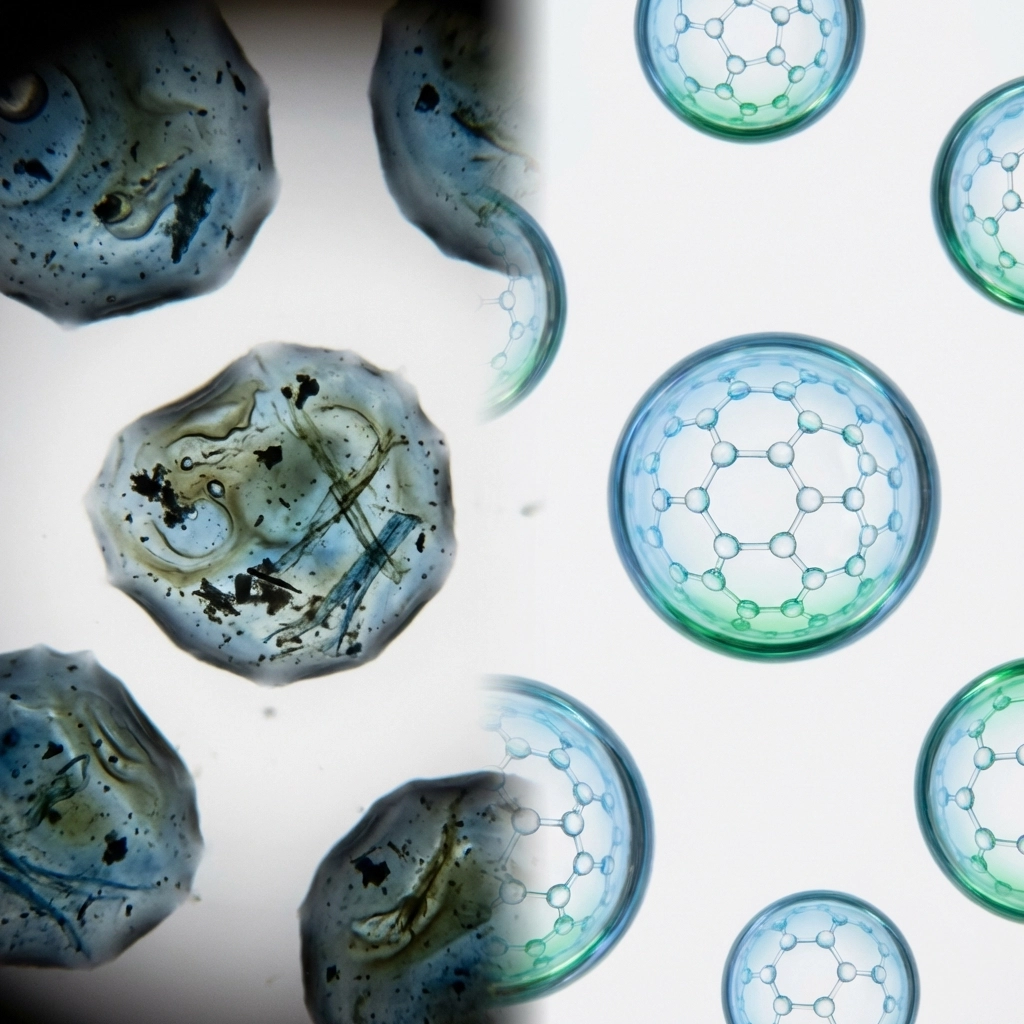
Drops of Balance addresses these contamination issues through a scientifically-proven process that neutralizes harmful substances while simultaneously replenishing essential trace minerals. Laboratory testing demonstrates that this mineral-based solution achieves 99.9% neutralization of targeted toxins, bringing contaminant levels below NSF/EPA permissible standards.
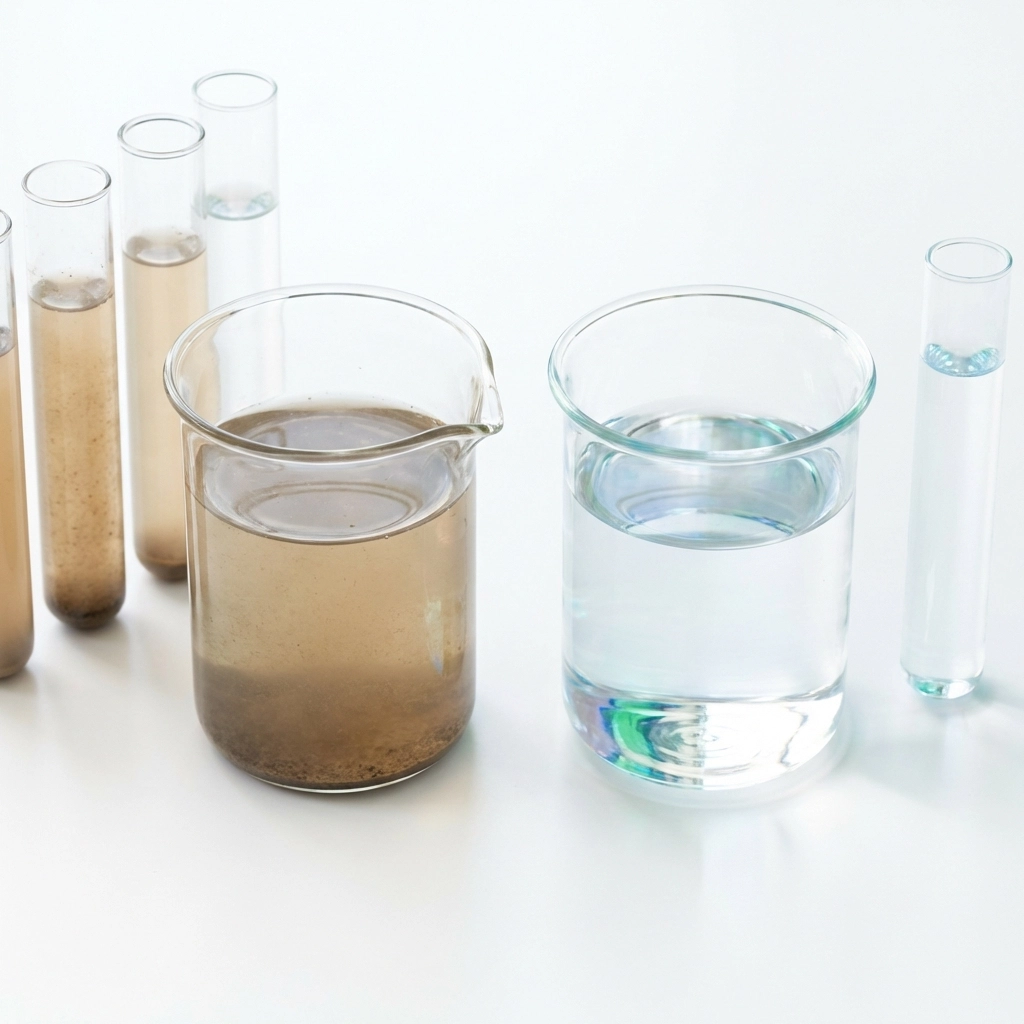
The treatment mechanism operates through flocculation, precipitation, coagulation, and deposition processes. When Drops of Balance is added to water, the ionic trace minerals interact with contaminant molecules, causing them to bind together and form larger particles. These aggregated contaminants then precipitate out of solution, effectively removing them from the water supply.
This process differs significantly from filtration methods, which physically remove contaminants but often strip beneficial minerals as well. The mineral-based approach of Drops of Balance selectively targets harmful substances while preserving and enhancing the water's mineral profile.
Comprehensive Toxin Neutralization Technology
The 99.9% neutralization rate achieved by Drops of Balance has been verified through independent laboratory analysis. This level of contaminant removal addresses a broad spectrum of water quality issues affecting plant health:
Chemical Disinfectants: Chlorine and chloramine neutralization occurs through mineral binding reactions that render these oxidizing agents inactive without producing harmful byproducts.
Heavy Metal Sequestration: Trace minerals in the solution bind with heavy metal ions, forming stable complexes that precipitate out of solution and become unavailable for plant uptake.
Pharmaceutical Residue Removal: Complex organic pharmaceutical compounds are neutralized through mineral-mediated chemical reactions that break down these substances into harmless components.
Agricultural Chemical Neutralization: Pesticide and herbicide residues that may be present in water sources are effectively neutralized through similar mineral interaction processes.
Mineral Replenishment for Optimal Plant Nutrition
Beyond contaminant removal, Drops of Balance provides essential ionic trace minerals that many water sources lack. These minerals include nitrogen, phosphorus, potassium, calcium, magnesium, iron, boron, manganese, zinc, and copper: all crucial elements for plant growth and development.
The ionic form of these minerals offers superior bioavailability compared to synthetic fertilizers. Ionic minerals readily dissolve in water and can be immediately absorbed by plant roots or through foliar application. This enhanced bioavailability results in more efficient nutrient uptake and utilization by plants.
The trace mineral profile supports enzymatic production within plants rather than simply adding mineral compounds to the soil. This approach promotes natural metabolic processes and helps plants develop stronger immune systems and improved stress tolerance.
Soil Biology Restoration and Enhancement
Clean water is fundamental to healthy soil biology. When harmful contaminants are removed from irrigation water, beneficial soil microorganisms can thrive and establish symbiotic relationships with plant roots. This biological activity is essential for nutrient cycling, disease suppression, and soil structure development.
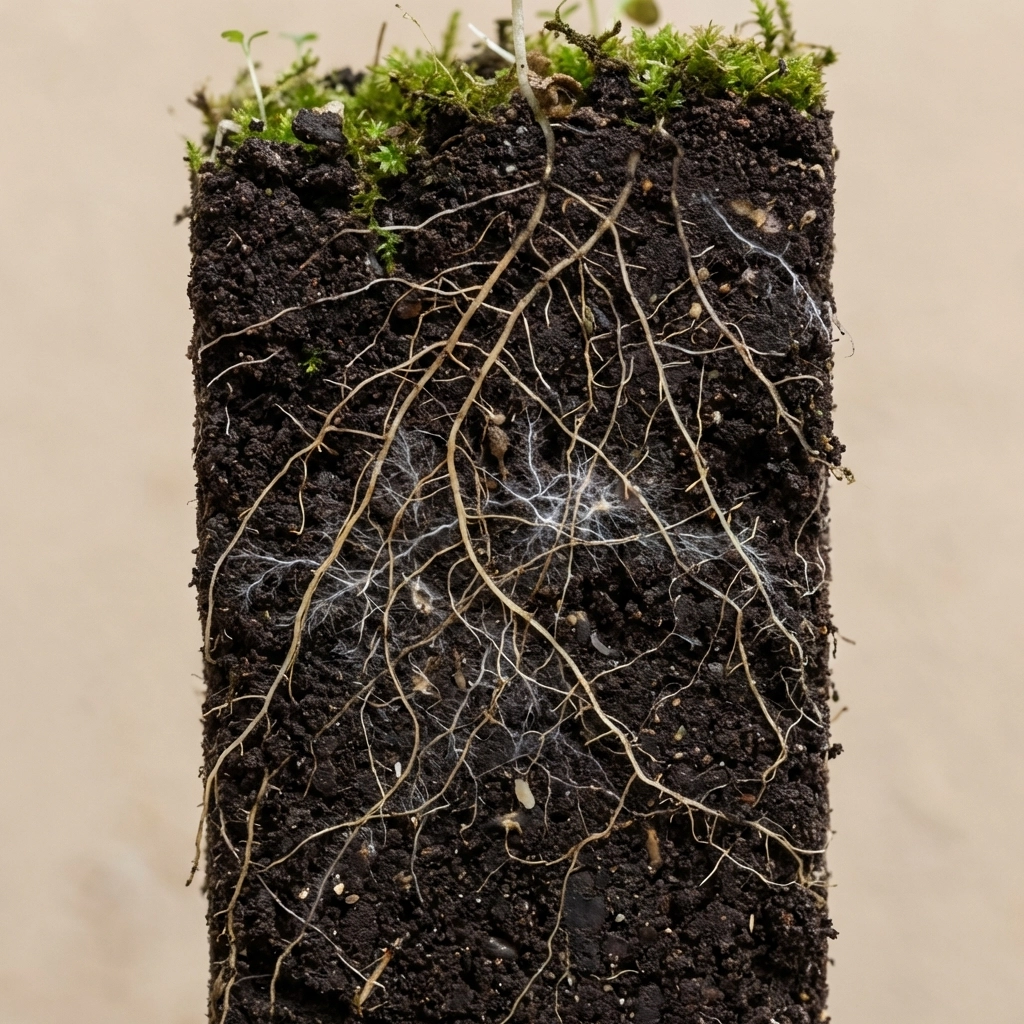
Drops of Balance supports the growth of beneficial bacteria and fungi that communicate with plants through chemical signals. These microorganisms receive sugar exudates from plant roots and, in return, retrieve and deliver specific minerals that plants require for optimal growth.
This soil-plant-microbe interaction creates a functioning ecosystem that naturally regulates nutrient availability and protects against pathogens. The restoration of soil biology through clean water treatment often results in reduced fertilizer requirements and improved plant resilience.
Application Methods and Treatment Rates
Proper application of Drops of Balance depends on the intended use and water source quality. For standard plant watering, the recommended concentration is 1 ml per gallon of water. This rate provides effective contaminant neutralization while delivering appropriate mineral supplementation for most plant species.
For foliar spray applications, increase the concentration to 4 ml per gallon. Foliar spraying allows direct mineral absorption through leaf surfaces and provides rapid nutrient delivery to plant tissues. The treated water that reaches the soil during foliar application also benefits the root zone and soil microorganisms.
When treating tap water for drinking purposes, use 5 ml per gallon to ensure complete contaminant neutralization for human consumption. This higher concentration accounts for the stricter safety standards required for potable water.
Evidence-Based Results in Plant Performance
Field studies and user reports consistently demonstrate improved plant performance when using Drops of Balance-treated water. Observable improvements include increased leaf size, enhanced color intensity, improved root development, and greater overall plant vigor.
The enhanced nutrient uptake facilitated by clean, mineralized water often results in increased yields and improved fruit quality in food crops. Ornamental plants typically display more vibrant colors and extended bloom periods when irrigated with treated water.
Soil health improvements become evident over time, with increased organic matter content, improved water retention, and enhanced soil structure. These long-term benefits compound over successive growing seasons, creating increasingly productive growing conditions.
Long-Term Benefits for Sustainable Gardening
Implementing Drops of Balance as a standard water treatment protocol supports sustainable gardening practices by reducing reliance on synthetic fertilizers and soil amendments. The restoration of natural soil biology reduces the need for chemical inputs while improving overall ecosystem health.
The mineral replenishment aspect of the treatment helps maintain soil fertility over time, preventing the gradual depletion of essential elements that often occurs with conventional irrigation practices. This approach supports long-term soil productivity and reduces environmental impact.
For gardeners committed to organic growing methods, Drops of Balance provides a natural solution for water quality improvement that aligns with organic certification standards. The trace mineral formulation contains no synthetic chemicals or artificial additives.
The scientific evidence supporting mineral-based water treatment demonstrates clear benefits for both plant health and soil ecosystem function. By addressing water quality issues at the source, gardeners can create optimal growing conditions that support vigorous plant growth and sustainable soil management practices.
For more information about implementing water treatment solutions in your garden, visit Drops of Balance to explore product options and application guidance.