
The Winter Water Test: Are You Drinking More Contaminants in the Cold?
When the temperature drops and we start retreating indoors, our relationship with water changes. We swap the garden hose for tea kettles and iced lattes for steaming mugs of cocoa. There is a common misconception that because the air is crisp and the ground is frozen, our water supply is somehow "fresher" or "cleaner" than it is during the murky, algae-filled days of August.
However, the reality of winter water quality is more complex than a simple "clean or dirty" label. From the way heavy metals interact with stagnant pipes to the massive influx of road salts into our groundwater, winter presents a unique set of challenges for anyone focused on health and wellness. At Drops of Balance, we believe that understanding the science behind your tap water is the first step toward better hydration.
In this deep dive, we’re investigating the "Winter Water Test": exploring why your water might actually be carrying more contaminants during the cold months and how you can ensure your family is protected.
The Physics of Cold Pipes and Stagnant Water
One of the primary reasons water quality shifts in the winter has less to do with the source and more to do with the delivery system. During the colder months, we tend to stay indoors more, but our water usage patterns change. In many households, certain outdoor taps or guest bathrooms may go unused for weeks.
When water sits stagnant in pipes, a process known as leaching occurs. While cold water is technically less "aggressive" than hot water at dissolving metals, the physical stress of winter on your plumbing can counteract this. Pipes undergo thermal expansion and contraction as temperatures fluctuate. This physical movement can disturb the protective "scale" (a thin layer of mineral buildup) inside older lead or copper pipes.
Once that scale is cracked or flaked off, the water: even if it's cold: comes into direct contact with the metal. If water remains stagnant in these pipes overnight, lead and copper levels can spike significantly by the time you pour your first glass of water in the morning.
The Road Salt Cocktail: A Winter Runoff Crisis
If you live in a region that experiences snow and ice, you're familiar with the white crust of salt that coats the roads from December through March. While road salt (sodium chloride) is essential for traffic safety, it is a nightmare for water treatment solutions.
As snow melts, it carries massive amounts of dissolved salt into storm drains and, eventually, into local rivers, lakes, and groundwater reservoirs. This isn't just a problem for the fish; it’s a problem for your health.
- Sodium Spikes: For individuals managing high blood pressure or sodium sensitivity, the seasonal increase of sodium in municipal water can be a hidden health risk.
- Increased Corrosivity: Saltwater is notoriously corrosive. When high concentrations of road salt enter the water system, they increase the "galvanic corrosion" potential of the water. This means the water becomes better at pulling heavy metals like lead and arsenic out of the plumbing infrastructure and into your drinking glass.
The Bacteria Paradox: Why Winter Testing Can Be Deceiving
There is a fascinating, yet slightly dangerous, trend when it comes to testing for bacteria in the winter. Research conducted by the University of New Hampshire, which analyzed over 50,000 wells, found that bacterial contamination actually hits its lowest point in February and March.
Why is this dangerous? Because it gives homeowners a false sense of security.
If you test your well water in the dead of winter and find zero coliform bacteria, you might assume your water is "safe" year-round. However, the study showed that these same wells often saw a massive spike in bacteria as soon as the ground thawed and temperatures rose above 90 degrees Fahrenheit in the summer.
The "Winter Water Test" might show low bacteria, but it could be hiding the presence of chemicals, heavy metals, and road salt that are at their peak during the melt. This is why a comprehensive approach to water treatment: one that handles both biological and chemical contaminants: is vital regardless of the season.
Heavy Metals: Arsenic and Lead in the Cold
Arsenic is a naturally occurring element in the earth's crust, but its concentration in your water can vary based on the water table's level and the rate of extraction. In winter, as groundwater levels fluctuate due to freezing and thawing cycles, the concentration of arsenic can shift.
Similarly, lead remains a top concern for health-conscious consumers. Because many of us are trying to remove fluoride from water and other chemicals, we often overlook the infrastructure issues that winter exacerbates. The combination of stagnant water and salt-induced corrosion makes winter a "high-risk" season for heavy metal ingestion.
Why Your Municipal Plant Might Struggle in Winter
Municipal water treatment plants are marvels of engineering, but they aren't invincible. Cold water is more viscous (thicker) than warm water, which can actually slow down certain filtration processes. Furthermore, chemical reactions: like those used to settle out particles: happen more slowly in near-freezing temperatures.
To compensate for slower reaction times or higher levels of runoff pollutants, some treatment plants may increase their use of disinfectants like chlorine or chloramine. This can lead to a stronger "pool-like" smell and taste in your winter tap water, as well as an increase in disinfection byproducts (DBPs), which are linked to long-term health issues.
The Solution: Advanced Mineral-Based Water Treatment
At Drops of Balance, we don't believe in just "filtering" water; we believe in transforming it. Our water treatment solutions utilize a unique blend of ionic sulfate minerals that act like a magnet for contaminants.
When you add Drops of Balance to your water, the sulfate minerals go to work through a process called "flocculation" and "precipitation." Even in cold water, these minerals help to:
- Neutralize Heavy Metals: They bind to lead, arsenic, and mercury, turning them into insoluble particulates that can be easily filtered out.
- Address Chemicals: They assist in the reduction of fluoride and chlorine, making it easier to remove fluoride from water without relying on expensive, high-maintenance RO systems.
- Enhance Structure: By adding a spectrum of trace minerals, you aren't just drinking "clean" water; you're drinking "living" water that supports cellular hydration.
Winterizing Your Health Routine
So, how should you adjust your hydration routine for the winter? Here are a few practical steps:
- Flush Your Pipes: If you haven't used a tap in several hours, let the water run for 30–60 seconds before using it for drinking or cooking. This flushes out the water that has been sitting in contact with your plumbing.
- Focus on Minerals: Winter air is incredibly dry, and we often lose more hydration through respiration than we realize. Pure, distilled, or RO water can sometimes "strip" minerals from the body. Using a concentrate rich in trace minerals ensures your body actually absorbs the water you drink.
- Don't Forget the Plants: Your indoor plants are also dealing with winter stress. Dry furnace air and municipal water high in salts can lead to "leaf burn." Using mineral-treated water can help maintain soil health even during the dormant season. Check out our soil health collections for more on this.
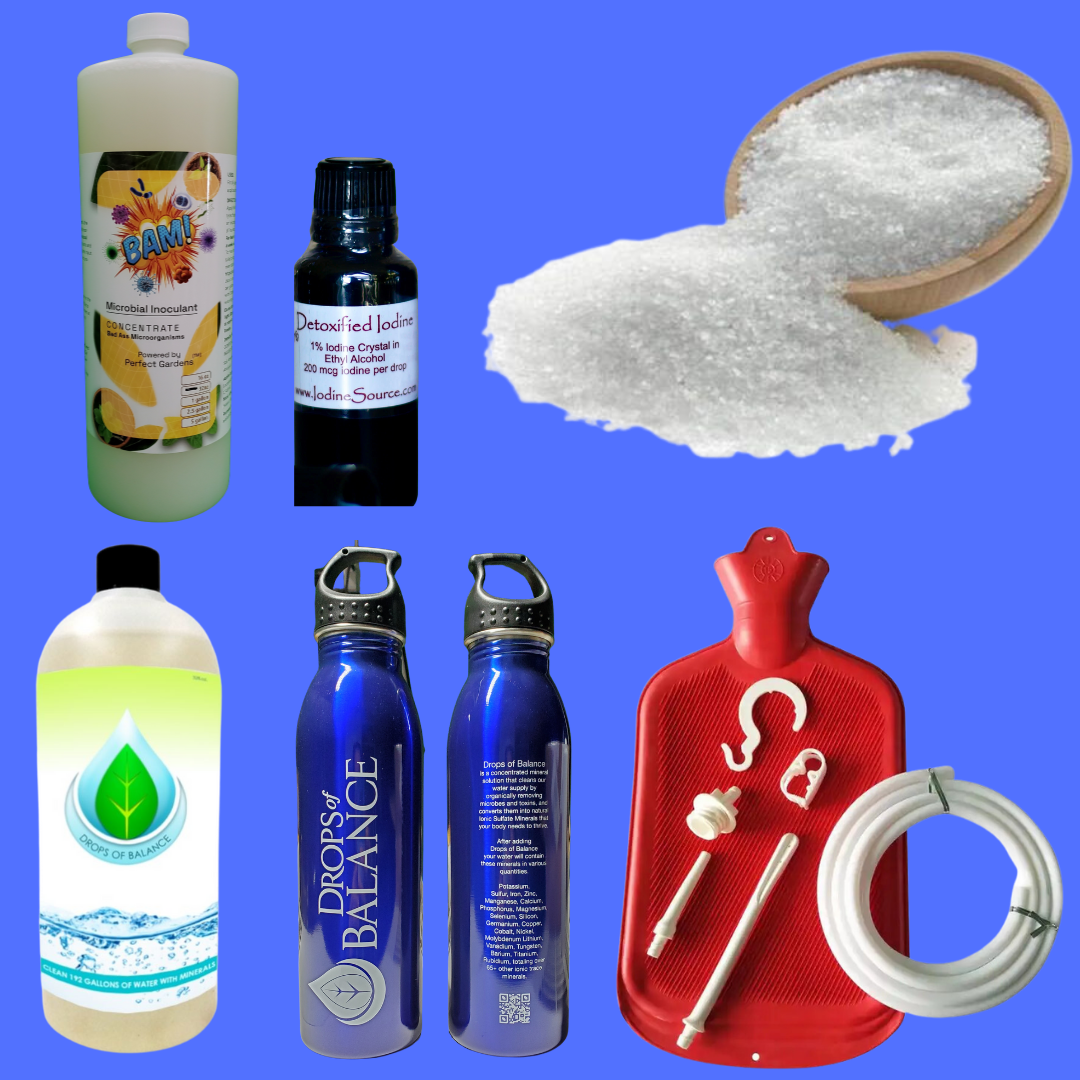
- The Detox Approach: Winter is a popular time for "resetting" the body. If you're doing a seasonal cleanse, the quality of your water is the foundation of your success. Our Detox Package is specifically designed to support the body’s natural elimination pathways by providing the cleanest, most bioavailable water possible.
Conclusion: Science-Backed Hydration
The "Winter Water Test" reveals that our water supply is a dynamic system, constantly changing with the environment. While the threat of bacteria may decrease in the snow, the threats of road salt, heavy metal leaching, and chemical over-treatment rise to take its place.
By understanding these seasonal shifts, you can take proactive steps to protect your health. Whether you are looking to remove fluoride from water or simply want to ensure your morning coffee is free from lead and arsenic, Drops of Balance offers a science-based, mineral-rich solution.
Don't let the cold weather lull you into a false sense of security regarding your tap. Stay educated, stay mineralized, and keep your body in balance all winter long.
For more information on our specific mineral blends and how they work, you can explore our full collection of water treatment solutions or browse our blog archives for more deep dives into the science of water.