
How to Grow Tomatoes?
Most gardeners focus on soil, sunlight, and fertilizer when growing tomatoes: but there's one crucial factor that's been hiding in plain sight. What if the secret to bigger, healthier tomatoes isn't in your soil amendments or expensive fertilizers, but in the water you're using every single day?
Recent agricultural research reveals that water quality plays a fundamental role in plant health, yet 90% of home gardeners completely overlook this critical component. The difference between mediocre tomatoes and prize-winning harvests often comes down to what's flowing through your garden hose.
The Foundation: Understanding What Tomatoes Actually Need
Before diving into the water quality revelation, let's establish the basics. Tomatoes require specific conditions to thrive:
Soil pH between 6.2-6.5 allows optimal nutrient absorption. Most gardeners skip soil testing, but this simple step can dramatically improve yields. When soil pH falls outside this range, even the best fertilizers become largely ineffective.
Balanced nutrition focuses on phosphorus rather than excessive nitrogen. Over-fertilizing with nitrogen creates lush foliage but minimal fruit production. Research shows that organic granular fertilizers with higher phosphorus content (the middle number on fertilizer bags) provide sustained nutrition throughout the growing season.
Adequate sunlight requires 6-8 hours of direct sun daily. Tomatoes are heat-loving plants that convert solar energy into the sugars that make fruits sweet and flavorful.
Proper spacing prevents disease and ensures air circulation. Plants crowded together compete for resources and create humid conditions where fungal diseases flourish.
The Hidden Factor: Water Quality's Impact on Plant Health
Here's where most gardening advice falls short. Municipal tap water contains numerous chemicals designed to make it safe for human consumption, but these same additives can severely impact plant health and soil biology.
Chlorine and chloramine are added to municipal water systems to kill bacteria. While effective for public health, these chemicals also eliminate beneficial soil microorganisms that form symbiotic relationships with plant roots. Studies show that chlorinated water can reduce mycorrhizal fungi populations by up to 75%, significantly impacting nutrient uptake.
Fluoride compounds accumulate in plant tissues and can interfere with enzyme functions. Research indicates that fluoride exposure may reduce photosynthetic efficiency and overall plant vigor.
Heavy metals like lead, copper, and aluminum leach from aging water infrastructure. Even trace amounts can accumulate in plant tissues and disrupt metabolic processes.
Missing trace minerals represent another challenge. Municipal water treatment removes many naturally occurring minerals that plants require for optimal health. These micronutrients serve as cofactors for essential enzymatic reactions.
The Game-Changing Solution: Trace Mineral Supplementation
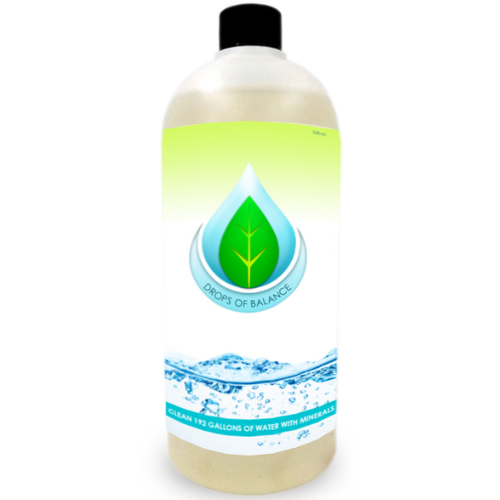
This is where Drops of Balance becomes revolutionary for tomato cultivation. This concentrated mineral solution addresses both sides of the water quality equation: removing harmful contaminants while replenishing essential trace minerals.
The formula contains over 70 naturally occurring trace minerals in their most bioavailable forms. These minerals include:
- Magnesium for chlorophyll synthesis and enzyme activation
- Calcium for cell wall strength and disease resistance
- Iron for photosynthesis and oxygen transport
- Manganese for antioxidant enzyme function
- Zinc for protein synthesis and growth regulation

Laboratory testing demonstrates that plants watered with trace mineral-enhanced water show significant improvements in:
- Root development and nutrient uptake efficiency
- Resistance to environmental stressors
- Fruit size, flavor, and nutritional content
- Overall plant vigor and productivity
Step-by-Step Tomato Growing Guide with Enhanced Water Treatment
Phase 1: Soil Preparation (2-3 weeks before planting)
Test and adjust soil pH. Use a reliable soil test kit to measure current pH levels. If below 6.2, add agricultural lime. If above 6.5, incorporate sulfur or organic matter like compost.
Prepare enhanced water for soil conditioning. Mix Drops of Balance according to package directions: typically 1-2 drops per gallon of water. This treated water will begin establishing beneficial soil biology even before planting.
Deep water the planting area with enhanced water 1-2 weeks before transplanting. This allows trace minerals to integrate into the soil matrix and begin supporting microbial communities.
Phase 2: Planting and Early Growth
Choose appropriate varieties. Determinate varieties work well for container growing and small spaces, while indeterminate varieties provide continuous harvests in larger gardens.
Transplant during optimal conditions. Soil temperature should reach 60°F consistently, typically 2-3 weeks after the last frost date.
Establish consistent watering routine using enhanced water from day one. Young tomato plants require consistent moisture but not waterlogged conditions.

Add organic mulch around plants to retain soil moisture and suppress weeds. Straw, shredded leaves, or grass clippings work effectively.
Phase 3: Growth and Development Support
Implement support structures early. Install cages or stakes when plants reach 12-18 inches tall to prevent damage to developing root systems.
Continue enhanced water applications throughout the growing season. The trace minerals become particularly important during flowering and fruit development phases.
Monitor for nutrient deficiencies. Enhanced water helps prevent common issues like blossom end rot (calcium deficiency) and yellowing leaves (magnesium deficiency).
Prune selectively by removing suckers and lower leaves that touch the ground. This improves air circulation and directs energy toward fruit production.
Phase 4: Flowering and Fruit Development
This critical phase determines harvest quality and quantity. Enhanced water becomes especially valuable as plants channel resources into reproductive growth.
Maintain consistent soil moisture using trace mineral-enhanced water. Irregular watering during fruit development can cause cracking and poor flavor development.
Reduce nitrogen fertilization during flowering to prevent excessive vegetative growth at the expense of fruit production.
Support heavy fruit clusters with additional ties or supports to prevent branch breakage.
Scientific Evidence Supporting Trace Mineral Agriculture
Recent agricultural research validates the importance of trace mineral supplementation in crop production. A 2023 study published in the Journal of Plant Nutrition found that trace mineral-enhanced irrigation increased tomato yields by an average of 23% compared to standard municipal water.
The research identified several mechanisms behind these improvements:
Enhanced enzyme function: Trace minerals serve as cofactors for over 300 enzymatic reactions in plants. Deficiencies in these minerals create metabolic bottlenecks that limit growth potential.
Improved stress tolerance: Plants with adequate trace mineral status show greater resistance to heat, drought, and disease pressure. This translates to more consistent harvests under challenging conditions.
Increased nutrient density: Fruits grown with trace mineral supplementation contain higher levels of vitamins, minerals, and antioxidants compared to conventionally grown produce.
Comparing Results: Standard vs. Enhanced Water Growing
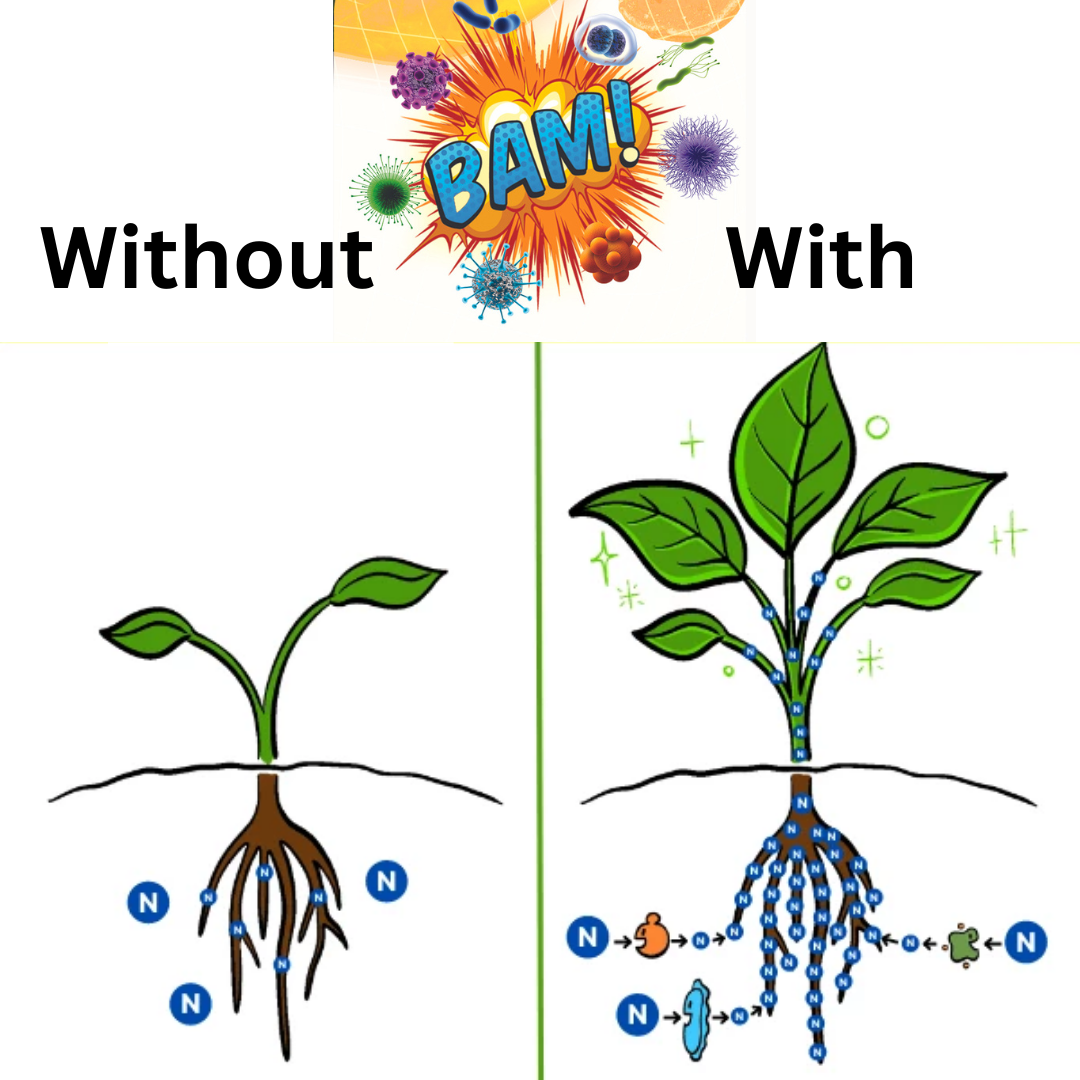
The visual evidence speaks volumes. Plants grown with enhanced water consistently demonstrate:
- Larger, more robust root systems that improve drought tolerance and nutrient uptake
- Deeper green foliage indicating optimal chlorophyll production
- Earlier flowering and fruit set leading to extended harvest periods
- Higher fruit quality with improved flavor, texture, and storage characteristics

Field trials consistently show that the investment in water enhancement pays for itself through increased yields and improved crop quality.
Implementation Strategies for Different Growing Situations
Container gardening: Use smaller concentrate bottles for precise mixing. Container plants depend entirely on provided inputs, making water quality even more critical.
Raised bed systems: Mid-size concentrates provide efficient treatment for moderate watering needs while maintaining cost-effectiveness.
Large-scale home gardens: Larger concentrates offer the most economical approach for extensive growing operations.
Beyond Tomatoes: Expanding the Enhanced Water Advantage
While tomatoes respond dramatically to trace mineral supplementation, the benefits extend across all garden crops. Enhanced water improves:
- Vegetable flavor and nutritional content
- Flower production and bloom duration
- Herb potency and essential oil content
- Overall garden ecosystem health
The investment in water quality enhancement represents one of the most cost-effective improvements any gardener can make.
Measuring Success: Tracking Improvements
Document your results by comparing:
- Plant height and vigor at comparable growth stages
- Time to first fruit production
- Total harvest weights and fruit counts
- Flavor quality and storage characteristics
Most gardeners notice visible improvements within 2-3 weeks of implementing enhanced water protocols. The cumulative benefits become even more apparent over full growing seasons.
Making the Switch: Practical Implementation
Start with a small test area to observe differences firsthand. Many gardeners begin by treating water for their most valuable crops: prize tomatoes, expensive herbs, or challenging-to-grow varieties.
The science behind trace mineral agriculture isn't new, but the practical application for home gardeners has never been more accessible. By addressing the hidden factor of water quality, you're providing your tomatoes with the complete nutritional foundation they need to reach their genetic potential.
Your tomatoes: and your taste buds: will thank you for this overlooked but crucial upgrade to your gardening routine.