
How to Grow Carrots
![[HERO] How to Grow Carrots: The Simple Secret to Crunchy, Mineral-Rich Roots](https://cdn.marblism.com/8Ie70UACzXV.png)
There's nothing quite like pulling a fresh carrot straight from your garden soil. That satisfying snap, the vibrant orange color, and the sweet, earthy flavor that store-bought carrots simply can't match. But here's the thing most gardening guides won't tell you: while everyone focuses on soil and sunlight, the real secret to growing crunchy, mineral-rich carrots lies in something far more overlooked, your water quality.
If you've ever grown carrots that turned out bitter, stunted, or weirdly shaped, the culprit might not be your soil at all. It could be hiding right in your garden hose. Let's break down everything you need to know about growing incredible carrots, including the water treatment hack that's changing the game for home gardeners in 2026.
Why Carrots Are Worth Growing (And Why They Can Be Tricky)
Carrots are one of the most nutritious vegetables you can grow at home. They're packed with beta-carotene, fiber, vitamin K1, and potassium. When grown in mineral-rich conditions, they also absorb trace elements that contribute to both flavor and nutritional density.
But let's be honest, carrots have a reputation for being finicky. They fork, they crack, they come out stunted, or they taste like cardboard. Most of these problems trace back to three factors: soil conditions, moisture consistency, and water quality. Get these right, and you'll be harvesting carrots that make your neighbors jealous.
Step 1: Prepare Your Soil Like a Pro
Carrots are root vegetables, which means everything happens underground. If your soil isn't cooperating, your carrots won't either.
Here's what carrots need from their soil:
- Deep and loose texture: Carrots need to push downward without obstruction. Work your soil at least 12 inches deep and remove any rocks, pebbles, or debris that could cause forking.
- Well-drained composition: Carrots hate sitting in waterlogged soil. If your garden has heavy clay, consider raised beds or amending with generous amounts of compost.
- Slightly acidic pH: Aim for a pH between 6.0 and 6.8 for optimal nutrient uptake.
- Rich organic matter: Work composted material into your soil several weeks before planting. This improves drainage while providing slow-release nutrients.
Pro tip: Screen your soil before planting. Even small pebbles can cause those frustrating forked carrots that look more like little orange octopuses than the straight roots you're hoping for.
Step 2: Timing and Planting Techniques
Carrots are cool-season crops that perform best when temperatures are mild. Here's how to get your timing right:
When to plant:
- Direct sow seeds 4-6 weeks before your average last frost date
- Soil temperature should be at least 50°F (10°C) for germination
- For continuous harvest, practice succession planting every 4 weeks through mid-summer
How to plant:
- Sow seeds directly into the ground, carrots don't transplant well due to their delicate taproots
- Plant seeds ¼ inch deep in loose, evenly moist soil
- Space rows 12-18 inches apart
- Consider covering seeds with a thin layer of sifted compost to help retain moisture during the critical germination period
Carrot seeds are notoriously slow to germinate (sometimes taking 2-3 weeks), so patience is key. Keep the soil consistently moist during this period, but don't drown them.
Step 3: The Water Quality Secret Nobody Talks About
Here's where most gardening guides fall short. They'll tell you to water consistently (which is true), but they rarely mention what's actually in that water.
The problem with tap water:
Municipal tap water typically contains chlorine and chloramine (used for disinfection) and often fluoride (added for dental health purposes). While these chemicals serve their purpose in drinking water systems, research indicates they can have unintended consequences in the garden:
- Chlorine can damage beneficial soil microorganisms that help plants absorb nutrients
- Fluoride has been shown to accumulate in plant tissues and potentially interfere with enzyme function
- Heavy metals present in some water supplies can stunt root development
For carrots specifically, these contaminants can result in slower growth, reduced mineral uptake, and that disappointing bland flavor that makes you wonder why you bothered growing them in the first place.

The Drops of Balance Solution
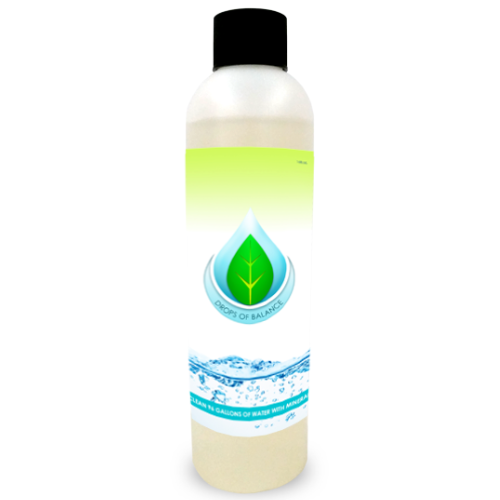
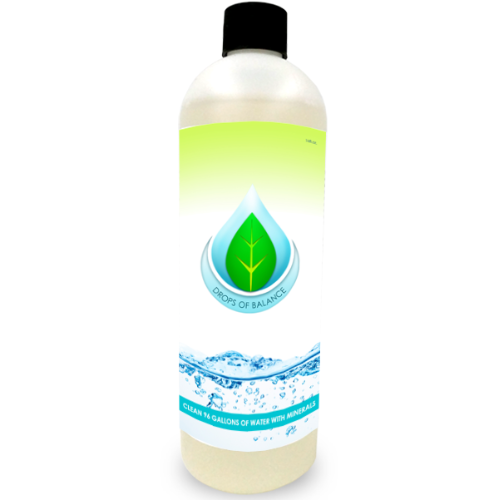
This is where Drops of Balance comes into play. This concentrated mineral solution does two critical things for your garden water:
- Neutralizes harmful contaminants: Drops of Balance removes up to 99.9% of chlorine, fluoride, and heavy metals from tap water before it reaches your plants.
- Adds essential trace minerals: Instead of just removing the bad stuff, it replaces it with sulfated trace minerals that carrots need to develop properly, including zinc, manganese, and copper that contribute to both flavor and nutritional density.
The application is simple: add just 0.5 ml per gallon of water for plants. That means even a small 2 oz bottle treats hundreds of gallons of irrigation water. For larger gardens, the 8 oz or 32 oz options offer even better value.
The science here is straightforward: healthier soil microbiome plus improved mineral availability equals carrots that grow faster, taste better, and pack more nutritional punch.
Step 4: Master Moisture Management
Even with perfect water quality, inconsistent moisture is the enemy of good carrots. Fluctuations between drought and over-watering cause:
- Cracking: When carrots receive a sudden influx of water after a dry period, they can literally split open
- Hairy roots: Stressed carrots develop excessive fine root hairs as they search for water
- Forking: Inconsistent moisture can cause the main root to split into multiple directions
Best practices for watering carrots:
- Aim for 1 inch of water per week, delivered consistently
- Use drip irrigation when possible to maintain even soil moisture
- Apply mulch around plants (once they're established) to conserve moisture and regulate soil temperature
- Water in the morning to reduce evaporation and fungal issues
Remember: every drop counts, so make sure that water is working for your plants, not against them.
Step 5: Thin Ruthlessly (Yes, It Hurts)
This is the step most beginner gardeners skip, and it's often why their carrots disappoint.
Once your carrot seedlings are a few inches tall, thin them to 2-3 inches apart. Yes, it feels wasteful. Yes, those tiny seedlings look so promising. But dense plantings mean every carrot is competing for water, nutrients, and space. The result? Stunted, skinny roots that never reach their potential.
Be brave. Thin them out. Your future carrots will thank you.
Step 6: Fertilize Strategically
Carrots don't need heavy feeding, but a well-timed nutrient boost makes a difference. About 6 weeks after seedlings emerge, apply a balanced fertilizer to encourage vigorous growth.
Avoid high-nitrogen fertilizers early in the season, as they can promote excessive foliage at the expense of root development. The goal is healthy tops that support robust underground growth: not a bunch of beautiful green leaves with tiny carrots beneath them.
Harvesting Your Mineral-Rich Carrots
Most carrot varieties are ready to harvest 60-80 days after planting, depending on the variety. You'll know they're ready when the tops of the roots are visible at the soil surface and measure about ¾ inch in diameter.
To harvest, loosen the soil around the carrots with a garden fork before pulling. This prevents breakage and keeps those beautiful roots intact.
The Bottom Line
Growing incredible carrots isn't complicated, but it does require attention to details that most guides overlook. Prepare your soil properly, plant at the right time, thin without mercy, and maintain consistent moisture.
But perhaps most importantly, pay attention to what's in your water. Treating your irrigation water with Drops of Balance removes the hidden toxins that sabotage your efforts while adding the trace minerals that make the difference between mediocre carrots and truly exceptional ones.
Your garden: and your taste buds: will notice the difference. Have questions about water treatment for your vegetable garden? Check out our FAQ page or contact us directly. Happy growing!