
Is Chloramine Killing Your Garden? The Truth About Municipal Water and Your Soil Microbes
For decades, gardeners have been told that tap water is perfectly safe for plants. After all, if we can drink it, why shouldn’t our petunias or organic heirloom tomatoes? However, as municipal water treatment facilities transition from traditional chlorine to the more stable and persistent chloramine, a growing body of evidence suggests that our soil health might be paying the price.
While the scientific community debates the long-term lethality of these chemicals on a garden scale, the immediate impact on the delicate microbial ecosystem of your soil is undeniable. Understanding the chemistry of chloramine and its interaction with organic matter is the first step toward mastering water treatment for plants and ensuring your garden thrives.
Chlorine vs. Chloramine: What’s the Difference?
Traditionally, municipal water was treated with liquid chlorine or gas to kill pathogens like E. coli and Giardia. Chlorine is highly reactive and, crucially, it is volatile. This means that if you leave a bucket of chlorinated water out for 24 hours, the chlorine will "off-gas" into the atmosphere, leaving you with relatively clean water for your plants.
Chloramine, however, is a different beast entirely. It is a combination of chlorine and ammonia. This bond creates a much more stable disinfectant that does not dissipate easily. It stays in the pipes longer, ensuring water remains "sterile" all the way to your tap. Unfortunately, this stability also means it won't evaporate. When you water your garden with chloraminated water, those disinfecting agents are delivered directly into the soil.
The Microbial Toll: Is It Really "Killing" Your Soil?
The primary concern for organic gardeners is the effect of these disinfectants on soil microbes. Healthy soil is a living organism, home to billions of bacteria, fungi, protozoa, and nematodes that form the Soil Food Web. These organisms are responsible for nutrient cycling: taking organic matter and converting it into a form that plants can actually absorb.
Scientific research indicates that chloramine at the levels typically found in drinking water (usually between 1 ppm and 4 ppm) is not enough to completely sterilize your garden. However, it functions as a continuous "microbial suppressor."
According to various studies, while microbial populations can rebound within 48 to 72 hours after exposure to treated water, the repeated application of chloramine creates a cycle of death and recovery. This constant stress prevents the development of complex fungal networks, such as mycorrhizae, which are essential for phosphorus uptake and drought resistance. In a high-performance garden, we don't just want microbes to "survive": we want them to flourish.
Nutrient Lockout and Chemical Interference
Beyond the direct impact on microbes, chloramine and other municipal additives like fluoride can contribute to "nutrient lockout." When these reactive chemicals enter the soil, they can bind with essential trace minerals. This chemical reaction renders the minerals insoluble, meaning they are physically present in the soil but the plant's roots cannot pull them in.
This is why many gardeners notice that their plants look "pale" or "stunted" despite regular fertilizing. You are essentially feeding the plant, but the water chemistry is preventing the meal from being served. Addressing soil health requires more than just adding N-P-K (Nitrogen, Phosphorus, and Potassium); it requires neutralizing the antagonistic chemicals in your water source.
The Solution: Advanced Water Treatment for Plants
If you are serious about organic gardening, you cannot rely on tap water straight from the hose. Because chloramine does not off-gas, you need a chemical or physical solution to break the chlorine-ammonia bond.
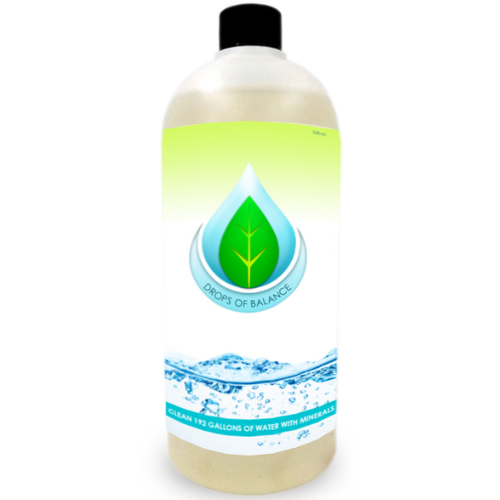
One of the most effective ways to neutralize these harmful disinfectants while simultaneously boosting plant health is through the use of concentrated mineral solutions. Drops of Balance utilizes a unique blend of sulfated trace minerals that act as a coagulant and flocculant.
When added to water, Drops of Balance interacts with the chloramine molecules, effectively neutralizing the disinfectant and allowing the chlorine and ammonia to be rendered harmless to soil life. Furthermore, it addresses the "empty water" problem by introducing over 70 essential trace minerals back into the solution.
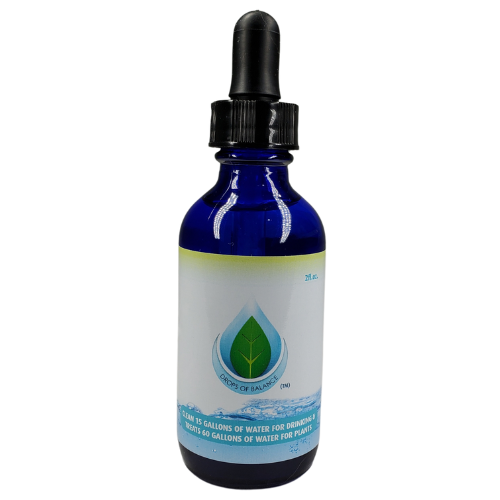
For most home gardeners or indoor plant enthusiasts, the 2 oz Drops of Balance bottle is the perfect entry point. A few drops per gallon can transform harsh municipal water into a mineral-rich tonic that supports, rather than suppresses, your soil's biological activity.
Recharging the Soil: The Role of Microbial Inoculants
Neutralizing the "bad" chemicals in your water is only half of the battle. The other half is actively replenishing the "good" biology that may have been lost over years of tap water use. This is where a high-quality microbial inoculant becomes indispensable.
Products like BAM! (Beneficial Adaptive Microbes) are designed to reintroduce a diverse spectrum of microorganisms back into the soil. BAM is not just a single strain of bacteria; it is a complex community of microbes that work synergistically to break down organic matter and fight off pathogens.
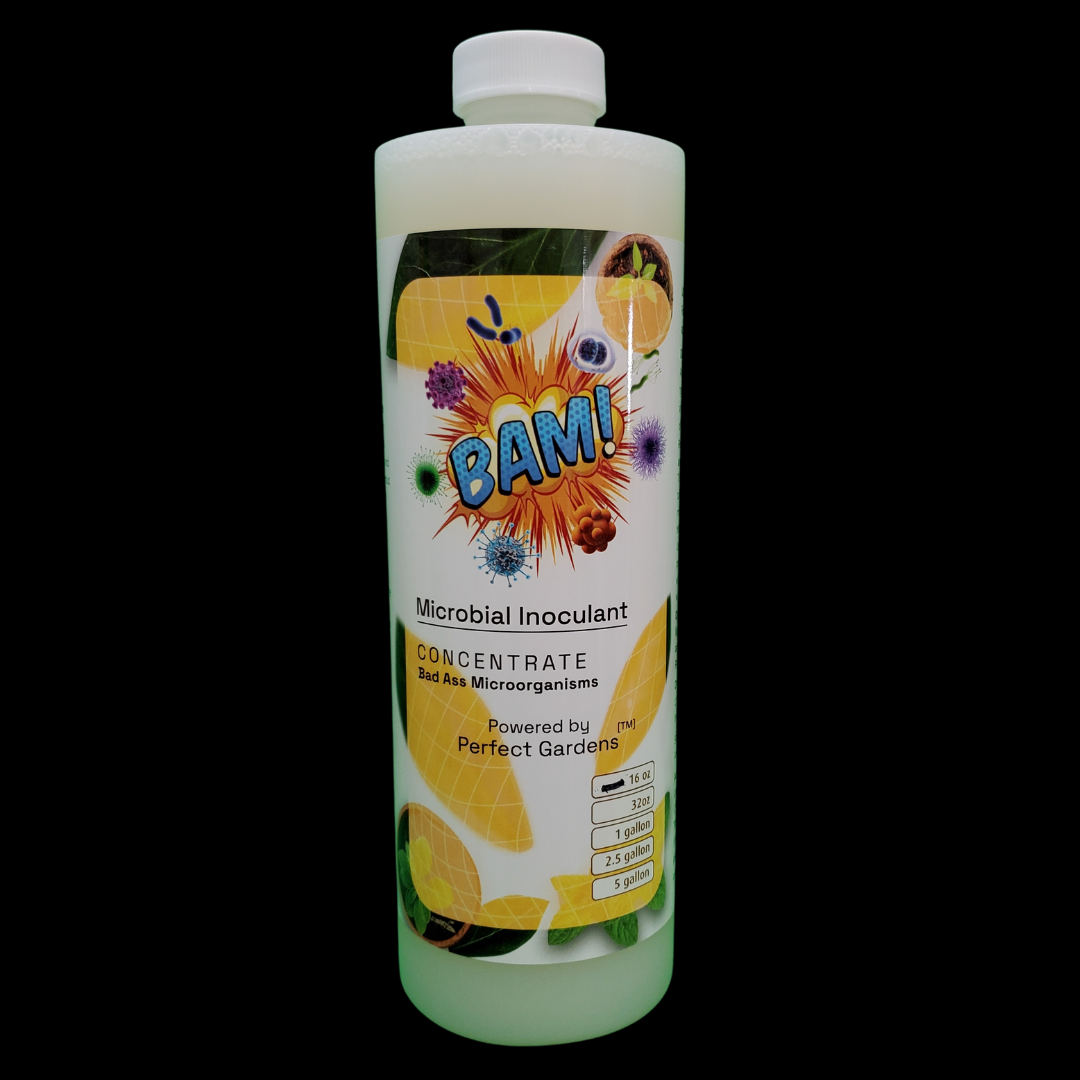
When you use the 32oz BAM! Microbial Inoculant, you are effectively "re-wilding" your soil. Because BAM is highly concentrated, it works perfectly alongside treated water. By removing the chloramine first with Drops of Balance, you ensure that the microbes in BAM have a safe, chemical-free environment to colonize.
A Science-Backed Routine for Superior Soil Health
To achieve the best results in your garden, a systematic approach to water and soil management is required. Here is a simplified protocol based on current horticultural science:
- Analyze Your Water: Check your local municipality’s annual water quality report to confirm if they use chlorine or chloramine.
- Neutralization: Use a mineral-based treatment like Drops of Balance to neutralize disinfectants. This is crucial for protecting the biology you are about to add.
- Inoculation: Once the water is treated, add your microbial inoculant. This ensures a high survival rate for the beneficial bacteria and fungi.
- Observation: Watch for signs of improved "turgor" (plant stiffness) and darker green foliage, indicating that the plant is finally accessing the trace minerals it needs.
Why Trace Minerals Matter More Than You Think
We often focus on the "Big Three" (N-P-K), but the science of plant nutrition is much more granular. Trace minerals like boron, manganese, zinc, and copper act as catalysts for enzymatic reactions within the plant. Without these catalysts, the plant cannot effectively process the nitrogen or phosphorus you provide.
Municipal water is often stripped of these minerals during the filtration process. By using a solution that both cleans the water and replaces these lost elements, you are providing a "full spectrum" diet for your plants. This leads to higher brix levels (sugar content), better flavor in produce, and a stronger immune system for the plant, making it naturally more resistant to pests and disease.
If you are looking for a complete solution to manage larger gardens or multiple grow cycles, the 460 gallon Water and Soil Treatment Solutions Bundle provides the necessary scale to maintain high soil health standards throughout the entire growing season.
Conclusion: The Path to Living Soil
Is chloramine "killing" your garden? Not instantly. But it is certainly hindering it. By understanding that municipal water is designed for human safety (sanitation) rather than biological thriving (gardening), we can take the necessary steps to bridge the gap.
Treating your water is an investment in the long-term health of your soil. When you remove the chemical stressors and reintroduce the essential minerals and microbes, the results speak for themselves: faster growth, higher yields, and a garden that truly reflects the balance of nature.
For more information on how to optimize your water for health: both for yourself and your plants: visit our About Us page or browse our full collection of mineral solutions.