
Is Tap Water Killing Your Plants?
The short answer is: it depends on your local water supply, but for many plants, tap water can indeed cause significant health problems over time. While municipal water treatment makes water safe for human consumption, the chemicals added during this process can be detrimental to plant health, soil biology, and long-term garden productivity.
Research indicates that common tap water contaminants including chlorine, fluoride, heavy metals, and pH-altering substances can accumulate in soil, disrupt beneficial microorganisms, and cause cellular damage in plants. Understanding these mechanisms and implementing proper water treatment can be the difference between thriving gardens and struggling plants.
The Science Behind Tap Water Contamination
Municipal water treatment facilities add various chemicals to ensure water safety for human consumption. However, these same chemicals that protect us can harm plants through different biological pathways. The concentration of contaminants varies significantly by location, with some areas showing chlorine levels up to 4 parts per million (ppm) and fluoride concentrations reaching 1.5 ppm.
Plants absorb water through their root systems via osmosis and active transport mechanisms. Unlike humans, plants cannot metabolize or excrete many of these chemicals, leading to bioaccumulation in plant tissues and soil over time. This accumulation can disrupt cellular processes, inhibit nutrient uptake, and compromise plant immune systems.
Chlorine: The Silent Plant Killer
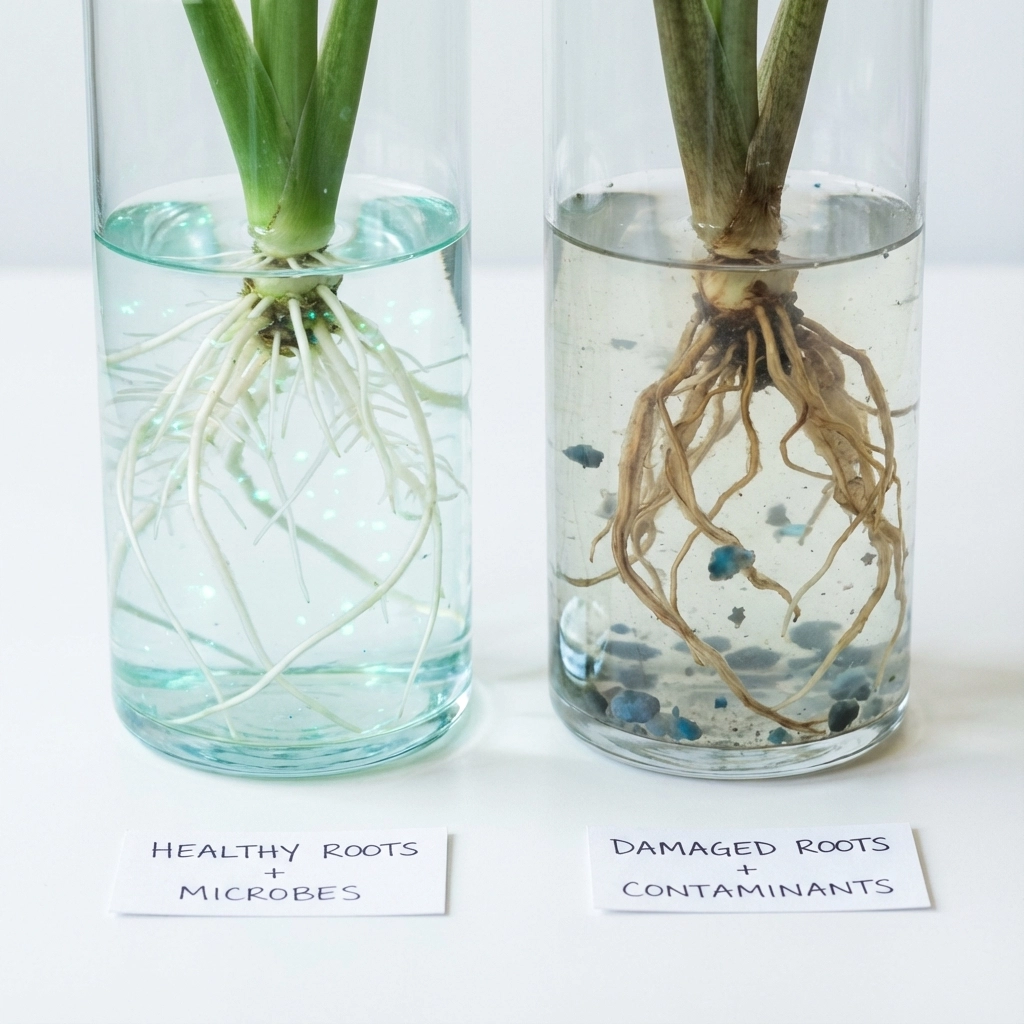
Chlorine, added to water supplies as a disinfectant, poses multiple threats to plant health. At concentrations above 0.1 ppm, chlorine begins to damage plant cellular structures. The chemical oxidizes organic compounds in plant tissues, leading to chlorosis (yellowing of leaves) and necrosis (tissue death).
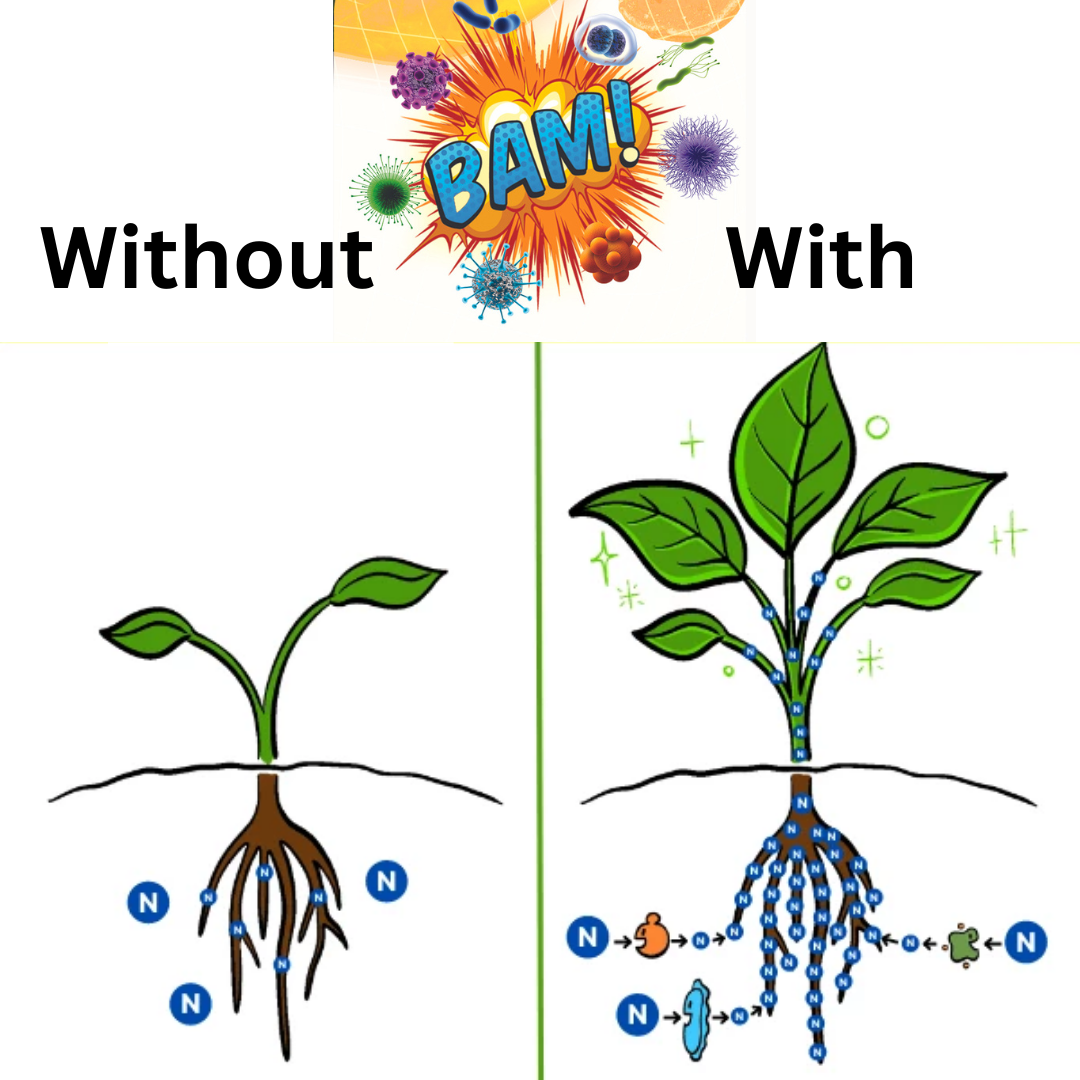
More critically, chlorine destroys beneficial soil microorganisms essential for nutrient cycling and plant health. These microbes, including mycorrhizal fungi and nitrogen-fixing bacteria, form symbiotic relationships with plant roots. Studies show that chlorinated water can reduce soil microbial diversity by up to 90% within weeks of regular application.
The oxidative stress caused by chlorine also interferes with photosynthesis by damaging chloroplast membranes. This results in reduced energy production and compromised plant growth, even when other growing conditions are optimal.
Fluoride Toxicity in Plants
Fluoride accumulation in plants occurs primarily in leaf margins and tips, where transpiration rates are highest. Unlike chlorine, fluoride doesn't evaporate from water and continues to build up in soil over time. Research demonstrates that fluoride concentrations as low as 0.5 ppm can cause visible damage to sensitive plant species.
The mechanism of fluoride toxicity involves disruption of enzyme systems, particularly those involved in carbohydrate metabolism. Fluoride ions replace hydroxide ions in plant tissues, altering protein structure and cellular function. This interference manifests as leaf tip burn, reduced flowering, and stunted growth.
Certain plant families show heightened sensitivity to fluoride, including members of the Liliaceae (lilies), Dracaenaceae (dragon trees), and Arecaceae (palms). Even fluoride levels considered safe for human consumption (0.7-1.2 ppm) can prove toxic to these species over extended periods.
pH Imbalance and Mineral Issues
Tap water pH typically ranges from 6.5 to 8.5, but treatment processes can create significant alkalinity that affects nutrient availability in soil. High pH water (above 7.5) can cause nutrient lockout, preventing plants from accessing essential elements like iron, manganese, and zinc, even when these nutrients are present in adequate soil concentrations.
Additionally, water treatment facilities often add lime or sodium compounds to adjust pH, introducing excess sodium into garden soils. Sodium accumulation leads to soil compaction, reduced water infiltration, and osmotic stress in plants. This creates a cascade effect where plants struggle to maintain proper water balance and nutrient uptake.
Hard water, containing elevated calcium and magnesium levels, can cause different problems. While these minerals are essential plant nutrients, excessive concentrations lead to white crusty deposits on soil surfaces and can interfere with the uptake of other nutrients through competitive inhibition.
Heavy Metals and Other Contaminants
Modern water supplies may contain trace amounts of heavy metals including lead, copper, zinc, and chromium from aging infrastructure and industrial sources. These metals accumulate in plant tissues and can reach phytotoxic levels over time.
Lead toxicity in plants manifests as interveinal chlorosis, where leaf veins remain green while surrounding tissue yellows. Copper excess causes similar symptoms but also leads to root damage and reduced water uptake. These metals interfere with enzyme systems and cellular respiration, ultimately compromising plant vitality.
Emerging contaminants like PFAS (per- and polyfluoroalkyl substances) and pharmaceutical residues present additional concerns. While research on their plant effects is ongoing, these compounds can alter soil chemistry and potentially affect beneficial microorganism populations.
Signs Your Plants Are Suffering
Recognizing tap water damage requires understanding the progression of symptoms. Early indicators include:
Leaf symptoms: Brown or yellow leaf tips and margins, often starting with newest growth. This pattern differs from nutrient deficiencies, which typically affect older leaves first.
Root problems: Reduced root development, dark or mushy root tips, and increased susceptibility to root rot pathogens. Healthy soil microbes that normally protect against these issues have been compromised by water contaminants.
Growth patterns: Stunted overall growth, reduced flowering or fruiting, and increased sensitivity to environmental stresses like drought or temperature fluctuations.
Soil indicators: White crusty residue on soil surface, poor water infiltration, and soil that becomes hydrophobic (water-repelling) over time.
These symptoms often develop gradually, making the connection to water quality less obvious than acute problems like pest infestations or obvious nutrient deficiencies.
The Drops of Balance Solution
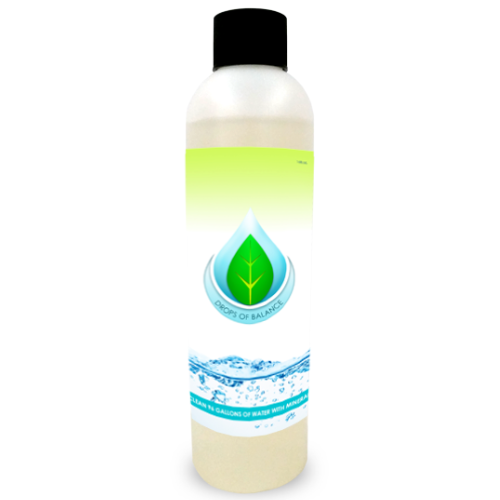
Drops of Balance addresses tap water contamination through a multi-faceted approach that neutralizes harmful chemicals while replenishing beneficial minerals. The concentrated formula works by binding to chlorine and fluoride molecules, rendering them inactive and preventing soil accumulation.
The trace mineral complex in Drops of Balance provides essential elements often stripped from municipal water during treatment. These minerals support healthy soil biology by providing nutrients necessary for beneficial microorganism growth and reproduction.
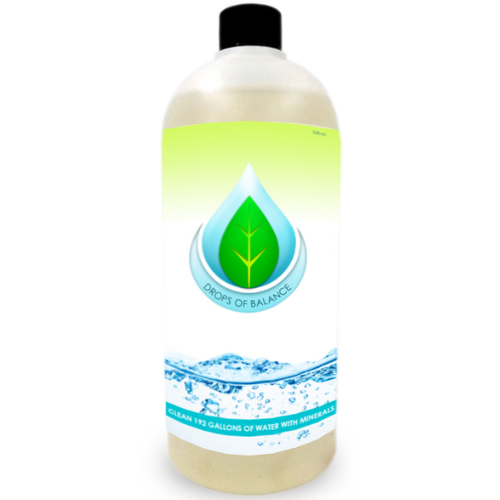
The solution's pH-buffering capacity helps maintain optimal soil pH ranges (6.0-7.0 for most plants) regardless of incoming water chemistry. This ensures consistent nutrient availability and prevents the boom-and-bust cycles common with untreated tap water irrigation.
For plant applications, the recommended dosing rate of 0.5 ml per gallon effectively treats most tap water contamination levels while providing supplemental nutrition. The concentrated format makes treatment economical - a single 8-oz bottle can treat over 7,500 gallons of water for plant use.
Scientific Validation and Application
Independent laboratory testing confirms Drops of Balance's effectiveness in neutralizing chlorine and reducing fluoride levels in treated water. The mineral profile has been optimized based on plant tissue analysis studies identifying common deficiencies in urban and suburban soils.
The product's dual-purpose nature allows the same formulation to improve both drinking water quality and plant irrigation water, making it practical for households concerned about water quality across all applications.
Regular use of treated water has shown measurable improvements in plant health metrics including increased root mass, enhanced flowering, and improved stress tolerance. Gardens using treated water consistently demonstrate better soil structure and increased beneficial microorganism populations compared to untreated controls.
For optimal results, begin treating all irrigation water immediately, as soil recovery from contamination can take several weeks. Plants showing existing damage will gradually improve as soil biology recovers and chemical accumulation is diluted through normal growth processes.
The investment in water treatment pays dividends through improved plant health, reduced need for supplemental fertilizers, and more resilient garden ecosystems capable of withstanding environmental stresses.