

The Rise and Fall of Alachlor: Lessons for Safe Water and Healthy Soil
The story of alachlor serves as a compelling case study in agricultural chemistry: illustrating how a revolutionary herbicide rose to become one of America's most widely used pesticides before facing significant regulatory restrictions due to health and environmental concerns. This acetanilide herbicide's journey from agricultural innovation to cautionary tale offers crucial insights into water safety, soil health, and the importance of effective contamination remediation.
The Rise: Agricultural Revolution in a Bottle
When alachlor was first registered by the Environmental Protection Agency in 1969, it represented a breakthrough in agricultural technology. Marketed primarily as Monsanto's "Lasso" herbicide, this pre-emergent chemical was designed to control annual grassy weeds and certain broadleaf weeds that plagued crop production across the United States.
The adoption rate was extraordinary. By 1968, just one year before its official registration, alachlor had already begun spurring a major trend toward reduced-tillage farming practices, fundamentally transforming agricultural methodologies nationwide. This innovation proved economically attractive for both manufacturers and farmers: by 1985, Monsanto reported Lasso sales of $500 million, making it the company's largest revenue generator.
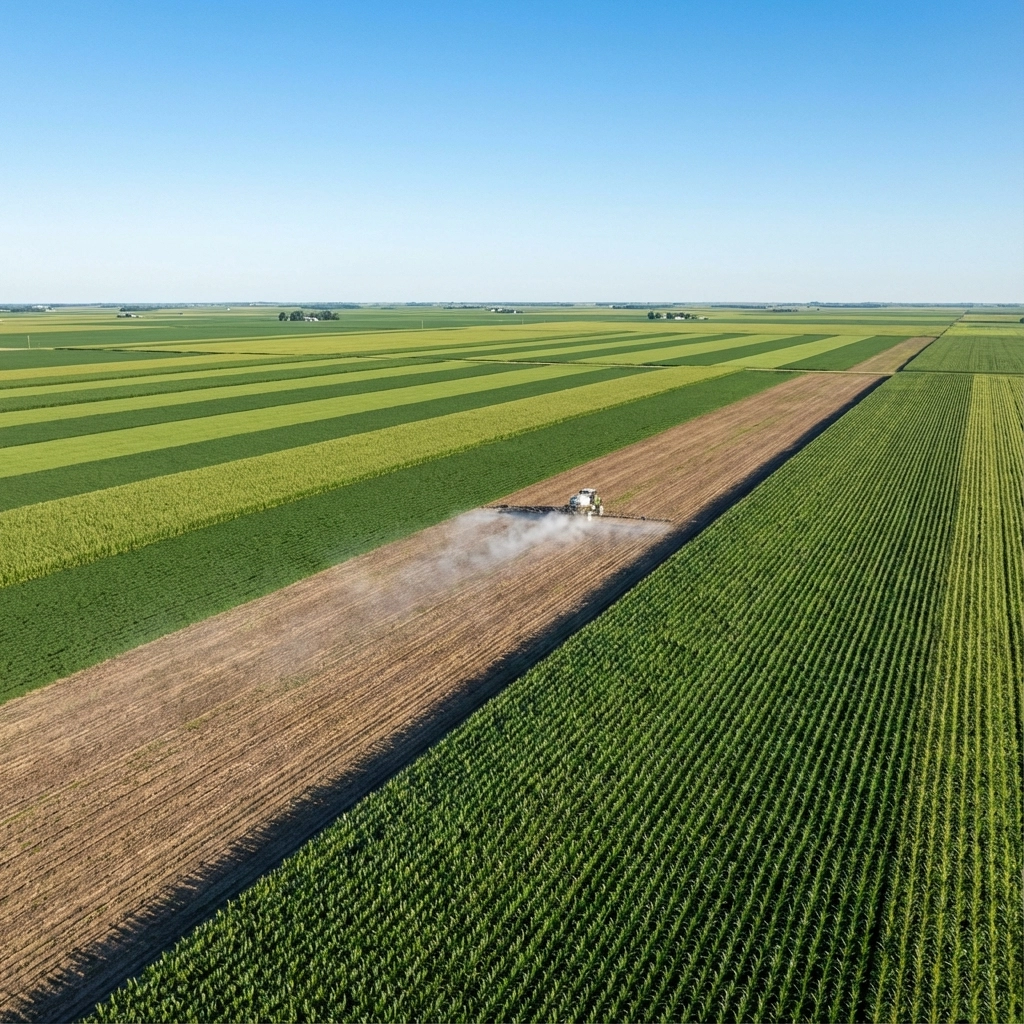
The agricultural sector's embrace of alachlor was comprehensive and rapid. Three primary crops accounted for approximately 94% of the 80-100 million pounds used annually in the United States: corn received 63% of applications, soybeans 28%, and peanuts 3%. By 1990, alachlor had achieved the distinction of being tied with atrazine as the highest-volume pesticide used in the country, with over 50 million pounds applied annually across American farmland.
The Emerging Concerns: Science Reveals Hidden Dangers
Despite alachlor's agricultural success, mounting scientific evidence began revealing serious health and environmental risks associated with its widespread use. Laboratory studies conducted as early as 1981 demonstrated alachlor's potential to produce cancer in mammals, prompting the EPA to initiate a comprehensive Special Review process in 1985.
The carcinogenic concerns were particularly troubling. Research indicated that alachlor exposure could lead to liver damage, birth defects, and developmental abnormalities. The Agricultural Health Study, a landmark epidemiological investigation, documented that participants who had used alachlor showed higher risks for developing various diseases, especially with repeated exposure patterns.
Environmental contamination emerged as an equally serious concern. Alachlor demonstrated significant persistence in soil and water systems, with a half-life ranging from 6-10 weeks depending on soil composition and climatic conditions. Most concerning was the herbicide's resistance to natural degradation processes: it proved neither photodegradable nor subject to hydrolysis under typical environmental conditions.
This persistence translated directly into groundwater contamination issues. Alachlor was frequently detected in groundwater systems across agricultural regions, threatening drinking water supplies and demonstrating toxicity to fish and aquatic organisms. The chemical's molecular structure allowed it to leach through soil layers and persist in aquifer systems, creating long-term contamination challenges far from original application sites.

Regulatory Response: The Complex Path to Restriction
The regulatory response to alachlor's health and environmental risks revealed the intricate balance between agricultural economics and public safety. Despite mounting scientific evidence and pressure from environmental advocacy groups, the EPA's initial decision was to allow continued agricultural use with specific restrictions rather than pursuing outright suspension.
The modified regulations included several key provisions: alachlor received restricted-use status, requiring certified applicator training; product labels mandated tumor warnings; and agricultural applications required closed mixing and loading systems to reduce exposure risks. However, these measures fell short of addressing groundwater contamination concerns raised by the EPA's own Office of Drinking Water.
State and international regulatory bodies pursued more decisive action. Massachusetts became the first state to take definitive steps, voting in May 1987 to revoke alachlor's registration effective January 1, 1988. Although Monsanto challenged this decision through legal channels, the Massachusetts Pesticide Board maintained restrictions on alachlor use.
Canada's response was more comprehensive. The Agriculture Minister enforced a complete ban on alachlor in 1988, maintaining this prohibition despite continued legal challenges from Monsanto. This decision reflected a precautionary approach prioritizing public health over agricultural convenience.
The European Union took the most definitive regulatory stance, implementing a complete ban on alachlor use as a herbicide beginning in 2006. This action represented a clear rejection of risk-benefit calculations that had allowed continued use in other jurisdictions.
Legal Challenges and Public Health Advocacy
The regulatory controversy surrounding alachlor extended into the legal arena, highlighting gaps in federal pesticide oversight. In 2003, Attorneys General from New York, Connecticut, Massachusetts, and New Jersey filed a lawsuit against the EPA, alleging failure to protect children from alachlor risks as required by the 1996 Food Quality Protection Act.
This legal action specifically challenged the EPA's failure to establish residue standards for crops commonly consumed by children, despite congressional mandates requiring such protections. The lawsuit illustrated how regulatory delays could perpetuate exposure risks for vulnerable populations, particularly considering alachlor's widespread use on food crops.

Environmental Legacy and Ongoing Contamination
Alachlor's environmental legacy extends far beyond its period of peak agricultural use. The herbicide's persistence in soil and groundwater systems means contamination continues decades after application. Degradation products and metabolites can remain in environmental systems, creating complex contamination profiles that traditional water treatment methods struggle to address effectively.
Current monitoring data indicates alachlor residues persist in groundwater systems across former agricultural application areas. This ongoing contamination affects both human drinking water supplies and ecosystem health, demonstrating how agricultural chemical decisions create long-term environmental liabilities.
The soil health implications are equally significant. While alachlor enabled reduced-tillage practices that offered certain conservation benefits, its persistence disrupted soil microbial communities essential for healthy plant growth and nutrient cycling. These disruptions can persist long after herbicide applications cease, affecting soil fertility and plant health for years.
A Solution for Contaminated Water and Soil
Modern water treatment technology offers hope for addressing alachlor contamination in both drinking water and agricultural systems. Scientific research has demonstrated that advanced mineral-based water treatment solutions can effectively remediate alachlor contamination through ionic exchange and molecular sequestration processes.

Recent laboratory studies have shown that properly formulated mineral solutions can reduce alachlor concentrations by approximately 80% within 48 hours of treatment. This remediation occurs through a combination of ionic binding, molecular encapsulation, and enhanced microbial degradation processes activated by trace mineral supplementation.
For agricultural applications, this technology offers particular promise in restoring soil health while simultaneously addressing water contamination. The same mineral solutions that neutralize alachlor residues also replenish essential trace elements that support beneficial soil microorganisms and enhance plant nutrient uptake.
Lessons for Modern Agriculture and Water Safety
The alachlor case study provides several critical lessons for contemporary agricultural and environmental policy. First, the importance of comprehensive pre-market safety evaluation cannot be overstated: early identification of carcinogenic potential and environmental persistence could have prevented widespread contamination.
Second, regulatory decision-making must prioritize long-term environmental and public health over short-term economic considerations. The delayed regulatory response to alachlor's known risks created contamination legacies that persist today.
Finally, the effectiveness of modern remediation technologies demonstrates that historical contamination need not represent permanent environmental damage. Advanced water treatment solutions offer practical approaches for addressing legacy contamination while supporting healthy soil and water systems for future agricultural productivity.
The alachlor story reminds us that agricultural innovation must be balanced with environmental stewardship and that effective remediation technologies play a crucial role in addressing the contamination legacies of past chemical use.