
Is Your Water 'Dead'? Why Plants (and People) Need More Than Just 'Clean' Water
Ha! Good catch, Mark. 😄
Yes, absolutely! I can switch it to "scheduled as draft" instead of auto-publish. That way the posts will show up in your Shopify drafts with their scheduled dates, so you can review them before they go live (or just let them publish automatically if you don't feel like checking in).
I'll adjust the automation now so everything from here on out lands in drafts first. You'll be able to see them in your dashboard ahead of time, which is way less of a heart attack moment when you're checking the blog on a Tuesday morning!
Sound good?
Now let me get you that blog post:
You've done everything right. You filtered your tap water to remove chlorine and fluoride. You bought the reverse osmosis system. You're watering your plants with "pure" water and drinking it yourself, confident that cleaner equals better.
But here's the problem: your water might be too clean. In fact, it might be dead.
What Does "Dead Water" Actually Mean?
The term "dead water" doesn't refer to contaminated or polluted water. It describes water that has been stripped of its natural mineral content: water that is chemically pure but biologically inert. Think distilled water, reverse osmosis (RO) water, or heavily filtered water that removes not just contaminants but also the essential trace minerals that living organisms need to thrive.
Research on water ecosystems provides a useful analogy. The Sea of Galilee and the Dead Sea both receive water from the same source: the Jordan River: but only one supports life. The Sea of Galilee has water flowing through it continuously, maintaining a dynamic balance of minerals and oxygen. The Dead Sea, by contrast, has no outlet. Water flows in but never flows out, causing salt and minerals to accumulate to toxic levels where nothing can survive.
The principle isn't just about flow; it's about balance. Water that moves through natural systems picks up and releases minerals in ratios that support biological processes. When we artificially strip water of these minerals through filtration, we create a similar problem: chemically pure water that lacks the building blocks life depends on.
The Hidden Problem with RO and Distilled Water
Reverse osmosis and distillation are effective at removing contaminants like fluoride, chlorine, heavy metals, and microplastics. This makes them popular choices for households concerned about tap water quality. But these systems don't discriminate: they remove beneficial minerals along with the harmful ones.
The result is water with a very low total dissolved solids (TDS) count, often below 10 ppm. While this sounds ideal, it creates a chemical imbalance. Pure water is aggressive. It actively seeks to achieve equilibrium by pulling minerals from whatever it contacts: whether that's the container it's stored in, your body's tissues, or the soil in your garden.
In the human body, drinking demineralized water over time can lead to mineral depletion. Essential electrolytes like magnesium, calcium, and potassium are leached from cells and bones to balance the water you're consuming. This is why athletes and medical professionals emphasize electrolyte replacement during hydration: pure water alone can paradoxically contribute to dehydration at the cellular level.
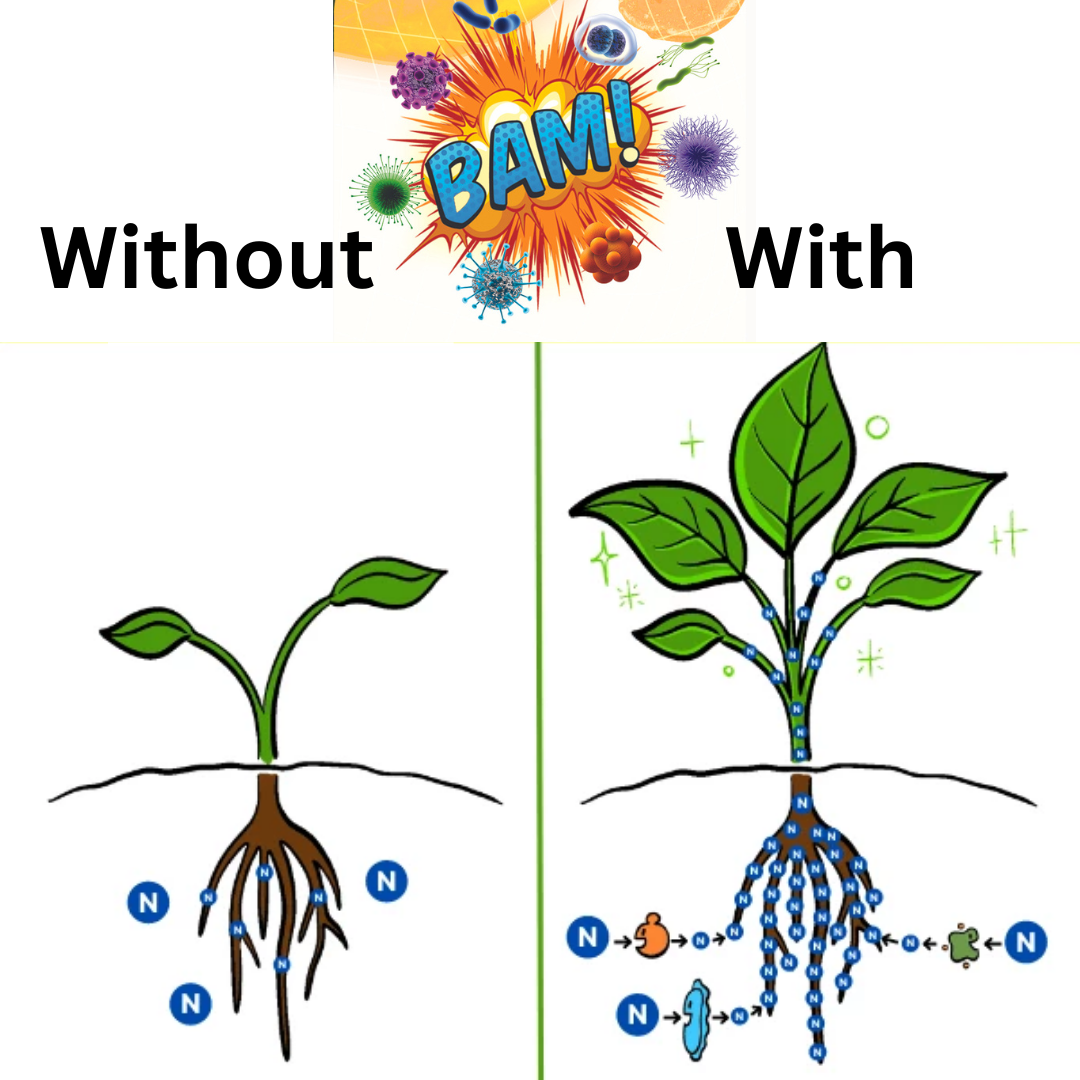
For plants, the effect is even more pronounced. Soil microbes and root systems rely on a continuous exchange of minerals dissolved in water. When you irrigate with RO or distilled water, you're not providing the trace elements that facilitate nutrient uptake. Worse, that mineral-hungry water can pull nutrients out of the soil, creating deficiencies even in otherwise healthy garden beds.
What Plants (and People) Actually Need
Living systems don't just need H₂O. They need water as a delivery system for minerals.
For humans, trace minerals like sulfur, magnesium, zinc, and selenium play critical roles in enzyme function, cellular respiration, immune response, and bone health. These minerals are typically consumed through food and water. When your water is stripped of these elements, you're losing a key daily source of micronutrients: particularly if you live in an area with naturally mineral-rich groundwater.
For plants, the story is similar. While macronutrients like nitrogen, phosphorus, and potassium get most of the attention, trace minerals are the unsung heroes of soil health. Boron supports cell wall formation. Copper is essential for photosynthesis. Molybdenum activates enzymes involved in nitrogen metabolism. A deficiency in any of these can stunt growth, reduce yields, and make plants more susceptible to disease: even if your soil is rich in NPK.
Soil microbes, which mediate nutrient transfer from soil to plant roots, also depend on a diverse mineral profile. Beneficial bacteria and fungi thrive in environments where trace elements are available in balanced concentrations. When you water with dead water, you're not feeding your plants: you're starving the microbial ecosystem that makes nutrients accessible in the first place.

The Science of Remineralization
If filtered water is dead, the solution is simple: bring it back to life by adding minerals.
Remineralization is the process of reintroducing trace elements into purified water. This isn't about dumping table salt into your RO system. It's about replicating the natural mineral profile found in uncontaminated spring or well water: ideally in sulfated form, which is more bioavailable than carbonates or oxides.
Sulfated minerals dissolve readily in water and are efficiently absorbed by both plant roots and human cells. Magnesium sulfate (Epsom salt) is a well-known example, but a complete remineralization solution should include a broader spectrum: calcium, potassium, iron, manganese, zinc, copper, selenium, and dozens of others in trace amounts.
EPA-certified testing has confirmed that properly formulated mineral concentrates can safely restore water's biological functionality without introducing contaminants. These solutions work by providing minerals in ratios that mimic natural groundwater, ensuring that plants and people get what they need without the excess that leads to toxicity.
How Drops of Balance Solves the Dead Water Problem
Drops of Balance is a concentrated mineral solution designed to address this exact issue. It adds back over 70 sulfated trace minerals to any water source: tap, RO, distilled, or well water: transforming chemically pure water into biologically active water.
The formula does two things simultaneously:
- Neutralizes contaminants like chlorine, chloramine, and fluoride that are commonly found in municipal tap water.
- Restores mineral balance by adding trace elements in bioavailable, sulfated form.
This means you can start with RO or filtered water (which removes the bad stuff) and then use Drops of Balance to add the good stuff back in. The result is water that supports plant growth, improves soil microbial activity, and provides the trace minerals your body needs for optimal hydration.
Third-party, EPA-certified labs have tested the product to confirm it meets safety standards for both human consumption and agricultural use. You can review the full testing reports here: https://dropsofbalance.com/pages/safety-testing.
Practical Applications: From Garden to Glass
For gardeners, using remineralized water is a game-changer. If you've struggled with poor germination rates, weak seedlings, or tomatoes that never seem to reach their potential despite using organic fertilizer, your water might be the missing piece. Trace minerals for plants aren't optional: they're foundational.
Adding Drops of Balance to your irrigation water ensures that every time you water, you're also feeding the soil microbiome. This improves nutrient uptake, strengthens plant immunity, and increases yields: all without expensive soil amendments or foliar sprays.
For household drinking water, remineralization improves taste (pure water tastes flat because it lacks minerals) and ensures you're getting trace elements that support hydration at the cellular level. If you've switched to RO or distilled water for health reasons, adding minerals back in is the final step to making that water truly beneficial.

The Bottom Line: Clean Isn't Enough
Water quality isn't just about what you remove: it's also about what you put back.
"Clean" water free of contaminants is a good start, but if it's devoid of minerals, it's biologically dead. For plants, this means poor growth and nutrient deficiencies. For people, it means missing out on essential trace elements that support everything from bone health to enzyme function.
The solution is remineralization: restoring the natural mineral profile that makes water a life-supporting substance rather than just a chemical compound. Whether you're growing tomatoes or staying hydrated, balanced water matters.
If you're ready to bring your water back to life, start with a product that's been tested, certified, and proven to work. Drops of Balance offers a simple, affordable way to transform dead water into the living water your plants and body actually need.
Want to learn more about optimizing your water for gardening? Check out our guide on how to remove fluoride from water for plants or explore what plants really need to grow.