
Looking For the Best Fertilizer for Tomatoes? 5 Reasons Trace Minerals Beat Traditional NPK
If you’ve ever spent a summer hovering over a tomato patch, you know the drill. You check the soil, you prune the suckers, and you religiously apply that "all-purpose" 10-10-10 fertilizer. But then, mid-July hits. Your leaves start yellowing at the edges, or worse, you find that dreaded black sunken spot on the bottom of your first ripening fruit, the infamous blossom end rot.
You might be asking yourself: What went wrong? I gave them plenty of fertilizer!
The truth is, most gardeners focus almost exclusively on NPK (Nitrogen, Phosphorus, and Potassium). While these three are essential "macronutrients," they are only part of the story. If you’re searching for the best fertilizer for tomatoes, you need to look beyond the big three and start thinking about trace minerals for plants.
At Drops of Balance, we’ve seen how moving from a "macronutrient-only" mindset to a "mineral-complete" mindset can transform a struggling garden into a lush, high-yielding paradise. Here are five reasons why trace minerals are the secret weapon your tomatoes have been waiting for.
1. Trace Minerals Prevent Common Physiological Disorders
Traditional NPK fertilizers are great for making plants grow "big and green" quickly, but they often ignore the structural integrity of the plant. Tomatoes are particularly sensitive to mineral imbalances.
Take Calcium, for example. While not traditionally labeled in the "NPK" shorthand, it is arguably the most important element for a tomato grower. Calcium is responsible for building strong cell walls. Without it, the fruit tissues literally collapse, leading to blossom end rot.
Similarly, Magnesium is the central atom in the chlorophyll molecule. Without adequate magnesium, your plants can’t perform photosynthesis efficiently, leading to interveinal chlorosis (yellowing between the leaf veins). When you use a solution like Drops of Balance, you aren't just giving them three nutrients; you're providing over 70 trace minerals that fill these critical gaps.
2. Enhanced Flavor and Nutrient Density
Why do homegrown tomatoes taste so much better than the ones in the grocery store? It usually comes down to the soil. Commercial farming often relies on synthetic NPK to maximize yield, but this often results in "watered-down" fruit.
Flavor is a complex chemical symphony. It requires specific enzymes to produce the sugars and acids that give a tomato its "bite." These enzymes require trace elements like Zinc, Manganese, and Boron to function.
By using a mineral-rich approach, you aren't just growing a tomato; you're growing a nutrient-dense superfood. Research suggests that plants grown in mineral-depleted soil have significantly lower levels of vitamins and antioxidants. Adding a full spectrum of trace minerals ensures that your harvest is as healthy for you as it is delicious.
3. Improved Disease and Pest Resistance
Think of trace minerals as the "immune system" for your garden. A plant that is bloated on high-nitrogen fertilizer but starved of trace minerals is like a person living on sugar, they might have energy, but they get sick easily.
When a tomato plant has access to a wide variety of minerals, it can produce secondary metabolites like alkaloids and terpenes. these are the plant's natural defense mechanisms against pests like aphids and hornworms, as well as fungal diseases like early blight.
Silica and Copper, two trace elements often missing from standard fertilizers, help thicken the "skin" of the plant, making it much harder for pathogens to penetrate. Instead of reaching for a pesticide, the best strategy is often to fortify your plant from the inside out with mineral-rich water.
4. Better Soil Microbiology and Nutrient Uptake
The relationship between your tomato roots and the soil is a two-way street. Beneficial microbes, like mycorrhizal fungi and bacteria, help break down organic matter into a form the plant can actually eat.
High-dose synthetic NPK fertilizers can actually be detrimental to these microbes. The high salt content in many commercial fertilizers can dehydrate and kill the very organisms that help your plants grow. Trace minerals, specifically in a sulfate-ionic form, support a healthy microbial environment.
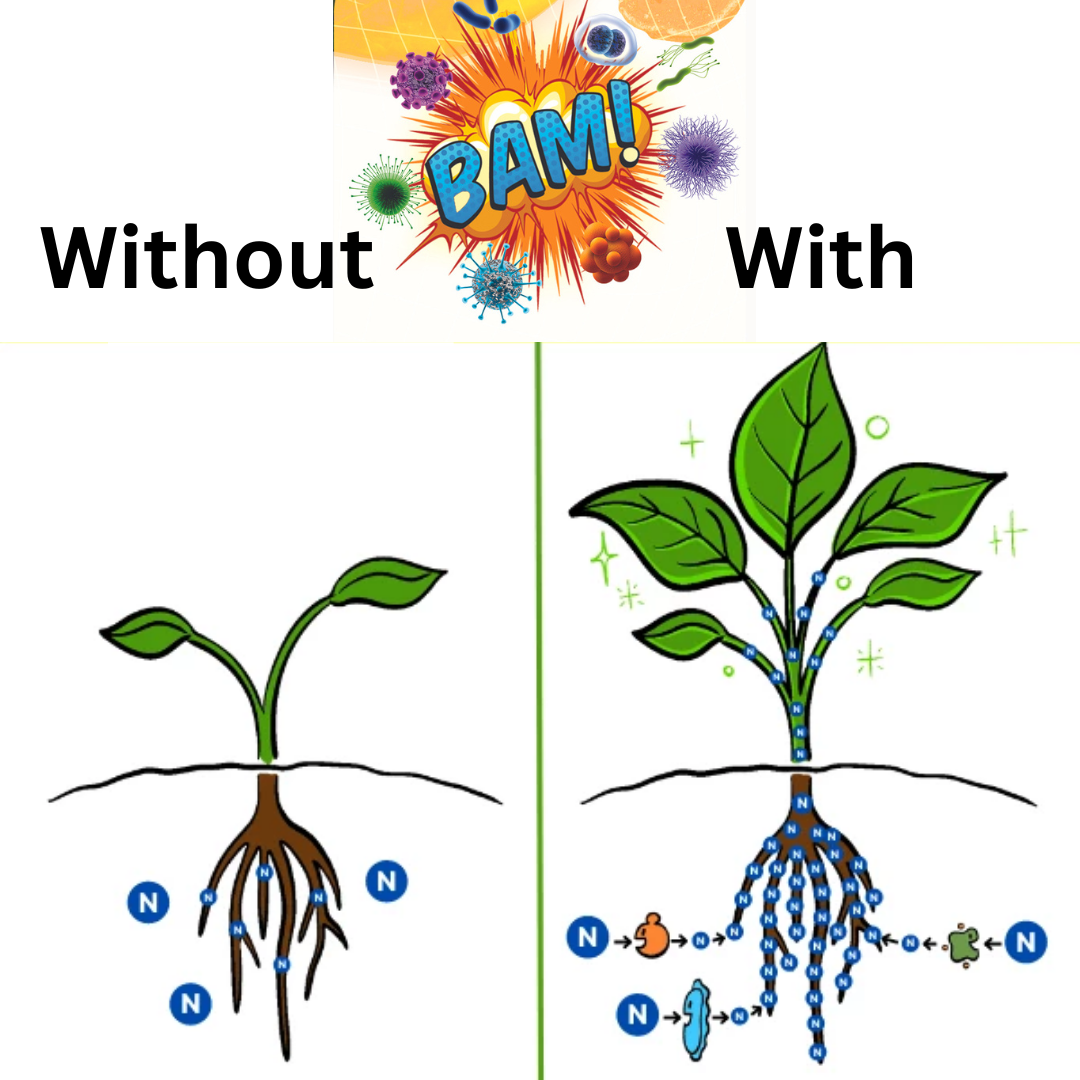
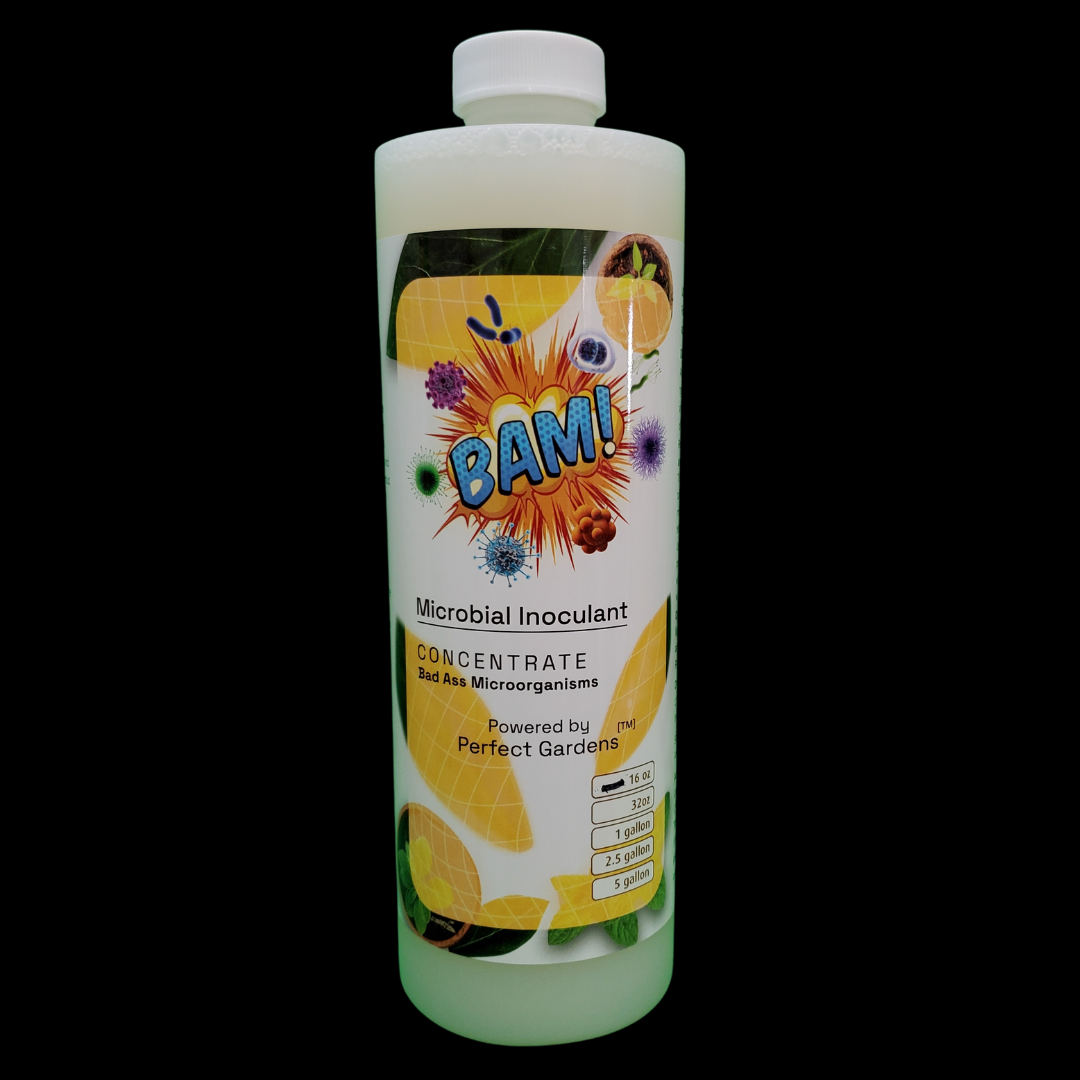
When you use BAM! Microbial Inoculant alongside mineral-rich water, you create a synergistic effect. The minerals feed the microbes, and the microbes help the plant absorb the minerals. This is why we often recommend a holistic approach to soil health.

5. The "Water Quality" Factor
Most gardeners ignore the most basic ingredient in their fertilizer routine: the water. If you are mixing your high-end tomato fertilizer with tap water, you might be sabotaging your success.
Tap water is often treated with chlorine or chloramine to kill bacteria. Unfortunately, it doesn't distinguish between "bad" bacteria in pipes and the "good" bacteria in your garden soil. Furthermore, heavy metals and fluoride in tap water can build up in the soil over time, causing mineral lock-out, where the plant is unable to absorb the nutrients you’re giving it.
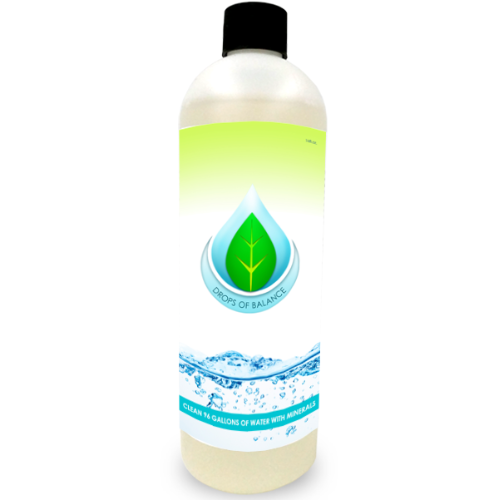
This is where Drops of Balance changes the game. Our formula is EPA-certified to remove or reduce harmful contaminants while simultaneously adding back a concentrated blend of 70+ essential trace minerals. You aren't just watering your plants; you're giving them a purified, mineral-rich tonic.

Caption: A thriving home garden with deep green tomato plants, showing the results of mineral-rich irrigation.
Why Choose Drops of Balance Over Traditional Fertilizers?
Standard fertilizers are a bit like a multivitamin that only contains Vitamins A, B, and C. It’s better than nothing, but your body needs so much more to thrive. Drops of Balance provides the full spectrum.
Our concentrate is derived from a unique mineral deposit that contains a balanced ratio of elements in a highly bioavailable form. Because the minerals are dissolved in a sulfate-based solution, they are readily available for the plant's roots to uptake immediately.
Key Benefits for Your Tomato Patch:
- 70+ Trace Minerals: Covers everything from Iron and Manganese to rare earth elements that support plant longevity.
- EPA-Certified Efficacy: We have rigorous safety testing to prove our products remove harmful toxins like fluoride and heavy metals.
- Cost-Effective: A little goes a long way. Our 16oz concentrate can treat hundreds of gallons of water, making it an affordable addition to any gardening routine.
How to Use Drops of Balance for Your Tomatoes
If you want to see the "BAM!" effect in your own garden, here is a simple guide to incorporating trace minerals into your routine:
- Watering: Add Drops of Balance to your watering can or irrigation system at a rate of 0.5ml per gallon of tap water. This cleans the water and adds the base mineral load.
- Foliar Spraying: This is a "pro-tip" for tomato growers. Mix 2ml of Drops of Balance per gallon of water and spray it directly onto the leaves early in the morning. Plants can absorb minerals through their leaves even faster than through their roots, which is a great way to fix a deficiency quickly.
- Soil Drench: During the heavy fruiting stage, your tomatoes are working overtime. A weekly soil drench with mineral-rich water ensures they never run out of the building blocks they need for those heavy, juice-filled fruits.
Final Thoughts: Give Your Tomatoes What They're Craving
At the end of the day, gardening is about balance. NPK is important, but it’s the trace minerals that provide the nuance, the health, and the incredible flavor we all strive for.
Stop settling for "okay" tomatoes and start growing legendary ones. By focusing on the foundational health of your water and your soil's mineral content, you'll spend less time fighting diseases and more time enjoying the best harvest of your life.
Ready to transform your garden? Check out our full range of mineral solutions and see why trace minerals are the ultimate fertilizer for tomatoes.