
June Garden Check-up: Is Your Soil Health Slumping Mid-Season?
By the time June arrives, the initial excitement of spring planting has often transitioned into the rigorous maintenance of the early summer heat. In many temperate regions, this is the period of peak vegetative growth and the onset of the reproductive phase for many vegetable and flowering crops. However, it is also the time when many gardeners notice a plateau. Despite regular watering and early-season fertilizing, plants may begin to exhibit "slumping": stunted growth, pale foliage, or a general lack of vigor.
This mid-season slump is rarely a random occurrence. From a pedological (soil science) perspective, it often signals a breakdown in soil health and the exhaustion of bioavailable micronutrients. Understanding the chemical and biological dynamics of your soil during this transition is essential for ensuring a nutrient-dense harvest.
The Science of Mid-Season Nutrient Depletion
In the early spring, soil often benefits from a "flush" of nutrients released by the decomposition of organic matter over the winter. However, as soil temperatures rise in June, the metabolic rate of both the plants and the soil microbiome increases exponentially.
Plants are not just drinking water; they are engaging in complex ion exchange processes to pull minerals from the soil solution. Most commercial fertilizers focus on the "Big Three" macronutrients: Nitrogen (N), Phosphorus (P), and Potassium (K). While these are necessary for mass, they are insufficient for the complex enzymatic functions required for plant immunity and fruit development.
When a soil profile lacks trace minerals: such as magnesium, manganese, iron, and boron: the plant’s "metabolic machinery" begins to stall. This is because these trace elements act as catalysts for photosynthesis and protein synthesis. Without them, even a nitrogen-rich soil will produce "hollow" growth: foliage that looks green but is structurally weak and susceptible to pests.

Identifying Mineral Deficiencies: Visual Indicators
Before you can determine how to improve soil mid-season, you must be able to read the signals your plants are sending. Visual diagnostics provide a window into the chemical state of your rhizosphere.
- Interveinal Chlorosis (Iron or Magnesium Deficiency): If the veins of the leaves remain dark green while the tissue between them turns yellow, your plants are struggling to produce chlorophyll. This is common in soils with high pH or those that have been "locked out" by an overabundance of synthetic phosphorus.
- Blossom End Rot (Calcium Deficiency): Frequently seen in tomatoes and peppers during June, this is often caused not by a total lack of calcium in the soil, but by an inability of the plant to transport it effectively, often due to inconsistent moisture or mineral imbalances.
- Purpling Foliage (Phosphorus or Magnesium Deficiency): A purple tint on the undersides of leaves can indicate that the plant is unable to process energy correctly, often a sign that the soil biology is too sluggish to facilitate nutrient uptake.
- Stunted Growth and Small Fruit: This is the classic "slump." If the plant looks healthy but simply stops growing, it is likely that the garden soil amendment used at the start of the season has been depleted of its mineral diversity.
The Microbiome Factor: Why "Organic" Isn't Enough
Many practitioners of organic gardening assume that adding compost once a year is sufficient for soil health. While organic matter is the foundation, it is the microbial life within that matter that performs the heavy lifting.
Microbes, specifically mycorrhizal fungi and aerobic bacteria, are responsible for breaking down minerals into an ionic, water-soluble form that roots can actually absorb. If your soil biology is dormant or dying, your plants are essentially sitting in a "pantry" they cannot open.
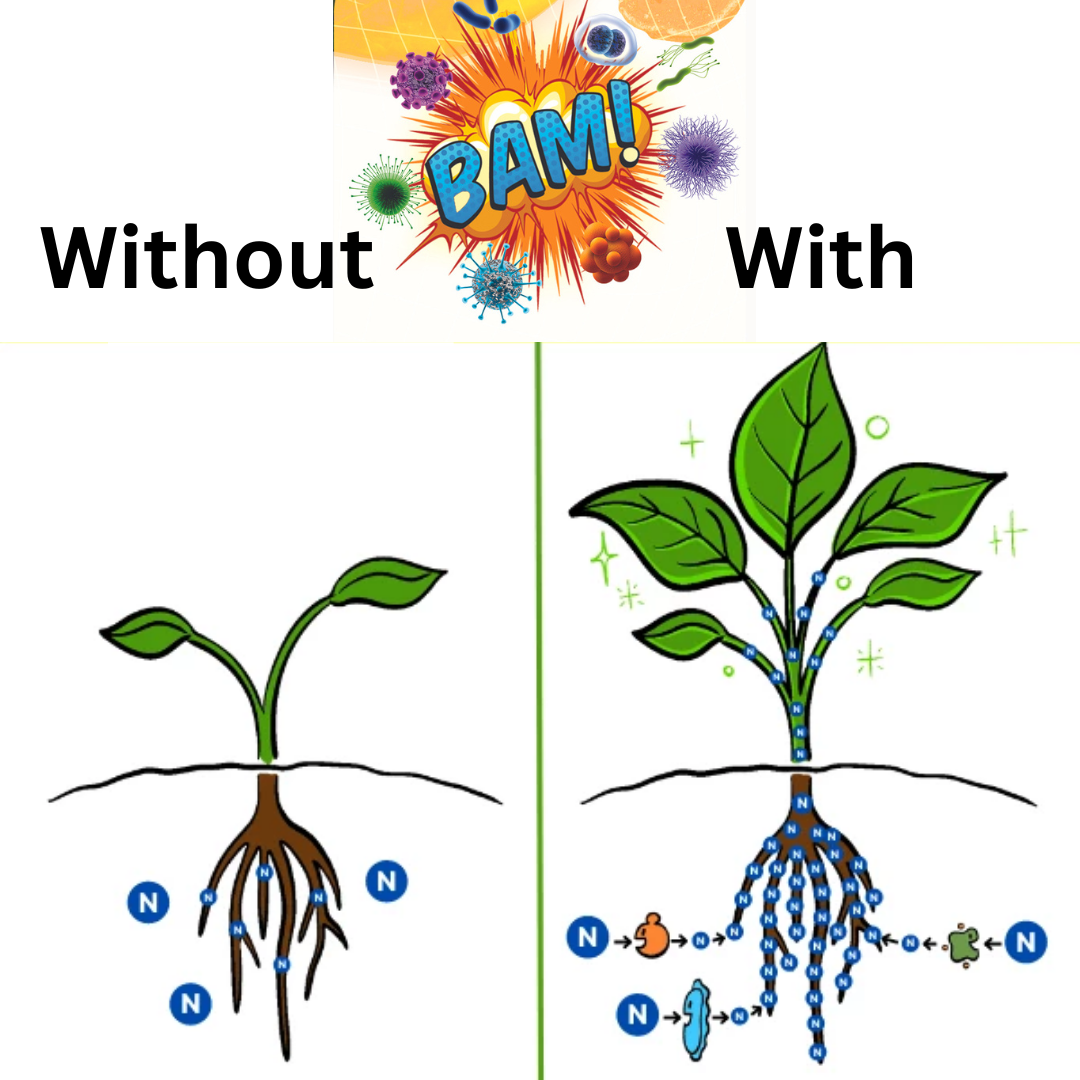
One of the greatest hidden threats to these microbes is the very water we use to keep them alive. Municipal tap water is treated with chlorine and fluoride to eliminate pathogens. Unfortunately, these chemicals do not distinguish between "bad" bacteria and the "good" microbes in your garden. Repeatedly watering with untreated tap water can effectively "sterilize" your soil, leading to a mid-season slump as the microbial population collapses.
Strategic Interventions: How to Improve Soil Mid-Season
To reverse a slump, you need a two-pronged approach: neutralizing toxins in your water and replenishing the ionic mineral bank.
1. Water Purification and Mineralization
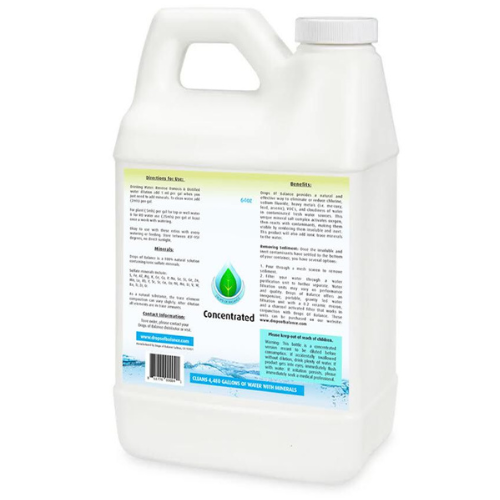
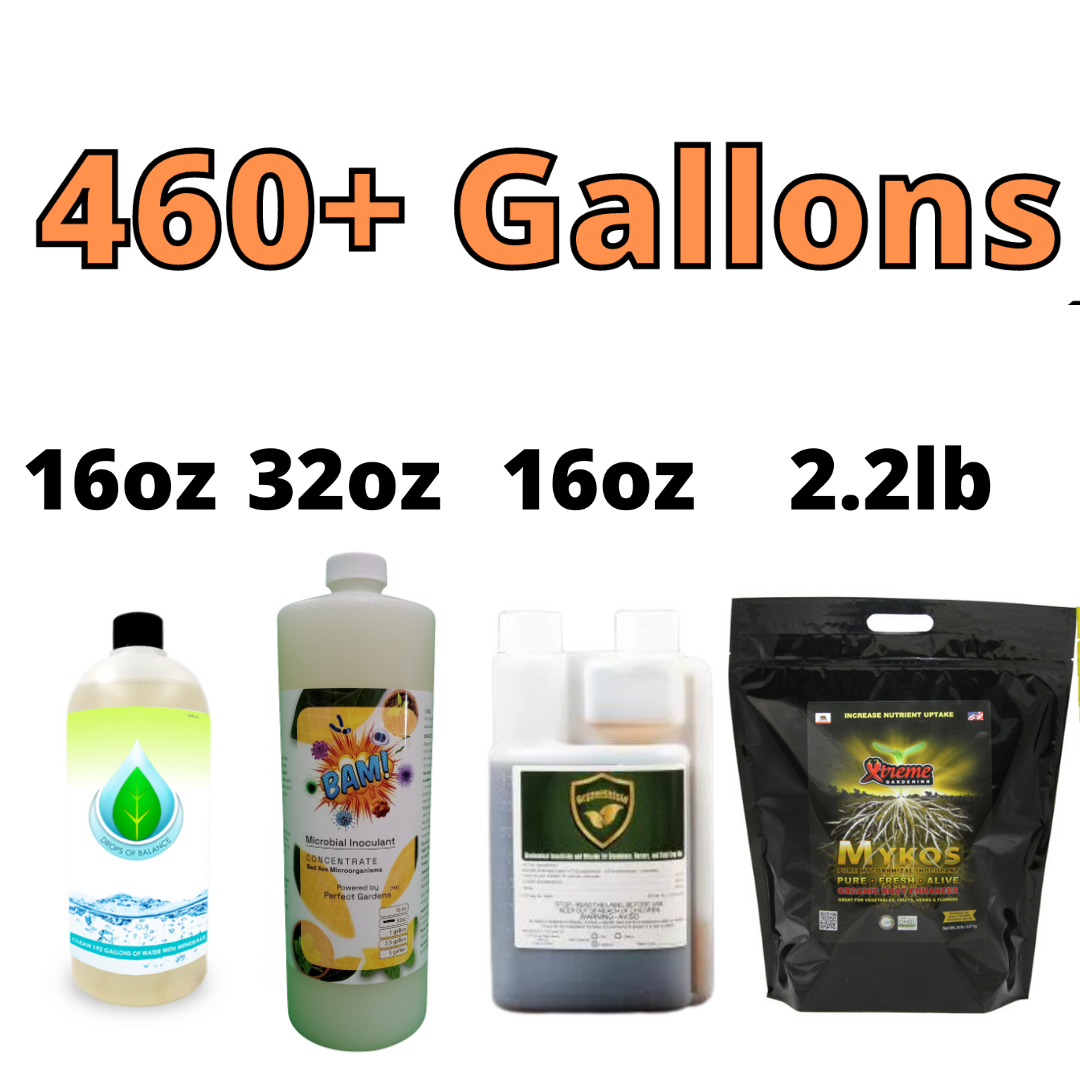
Using a product like Drops of Balance allows you to treat your garden water before it hits the soil. The concentrated mineral solution works through a process of flocculation and ion exchange, neutralizing harmful contaminants like fluoride and chlorine while simultaneously introducing a spectrum of over 70 trace minerals.
When you water with mineralized, purified water, you are not just hydrating; you are providing an immediate infusion of electrolytes that can jumpstart plant metabolism.
2. Microbe Reintroduction
If your soil has been damaged by synthetic chemicals or chlorinated water, you must re-inoculate the rhizosphere. BAM! (Beneficial Aerobic Microorganisms) is an excellent solution for mid-season recovery. By adding a concentrated microbial inoculant, you are restoring the workforce that converts soil minerals into plant-available food.
3. Foliar Feeding for Immediate Uptake
During a mid-season slump, the roots may be stressed or "locked out." Foliar feeding: spraying a diluted mineral solution directly onto the leaves: allows for rapid absorption through the stomata. This bypasses the soil chemistry issues entirely and provides an immediate boost to the plant’s photosynthetic capacity.
For the best results, mix Drops of Balance at a rate of 2ml per gallon for foliar application. This ensures the plant receives the sulfate-based minerals it needs to rebuild its immune system.

The Importance of Mineral Balance in Soil Health
A "healthy" soil is not just one that is full of nitrogen. It is an ecologically balanced system where minerals and microbes work in synergy. When we speak of soil health, we are referring to the soil’s capacity to function as a living system.
Adding a broad-spectrum garden soil amendment mid-season: specifically one that focuses on ionic minerals rather than just N-P-K: helps to stabilize soil pH and improve the electrical conductivity of the soil. High electrical conductivity (EC) in the soil solution allows for more efficient nutrient transport. If your soil is "electrically dead" due to mineral depletion, the plant has to expend more energy to pull in nutrients, leading to the exhaustion we see in June.
Conclusion: Preparing for the Harvest
The goal of any gardener is a harvest that is not only abundant but nutrient-dense. A plant that is struggling through a mid-season slump will produce fruit that is lower in vitamins, minerals, and flavor. By conducting a "June Garden Check-up" and addressing soil health through mineralization and microbial support, you ensure that your garden has the stamina to finish the season strong.
If you are seeing signs of a slump, don't wait for the leaves to turn brown. Address the root cause by cleaning your water and replenishing the trace elements your soil is craving.
For more information on the science of water and soil health, visit our FAQ page or explore our Safety Testing data to see how we help gardeners grow cleaner, healthier crops.