
Mineral Lockout: Is Your Hard Water 'Choking' Your Houseplants?
For many plant enthusiasts, the routine is simple: a beautiful ceramic pot, high-quality organic soil, and a regular watering schedule. Yet, despite following all the "rules," you might notice your Fiddle Leaf Fig dropping leaves, your Calathea developing crispy brown edges, or your Pothos losing its vibrant green luster.
Often, the culprit isn't a lack of light or a missed feeding. It is the water itself. Specifically, a phenomenon known as mineral lockout. This occurs when the dissolved solids and chemical treatments in standard tap water create a hostile environment in the root zone, effectively "choking" your plants from the inside out.
The Science of Tap Water and Soil Chemistry
Most municipal tap water is treated with chlorine or chloramine to eliminate bacteria and fluoride for dental health. Additionally, depending on your geography, your water likely contains high levels of dissolved calcium and magnesium carbonates: what we commonly refer to as "hard water."
While these elements may be safe for human consumption, they pose a significant challenge for container-grown plants. In a natural outdoor environment, rainwater is slightly acidic and free of heavy mineral loads, allowing it to flush the soil. In a pot, however, every drop of water that evaporates leaves behind its mineral and chemical "signature."
Over time, these minerals accumulate. This buildup creates two primary issues:
- Physical Obstruction: Mineral salts can form a microscopic crust over the root hairs, the very parts of the plant responsible for absorbing water and nutrients.
- pH Imbalance: Hard water is typically alkaline. As calcium and magnesium build up, they push the soil pH higher. Most houseplants thrive in a slightly acidic environment (pH 6.0–6.8). When the pH climbs, essential nutrients like iron, manganese, and zinc become chemically "locked," meaning the plant cannot absorb them even if they are present in the soil.

A minimalist indoor garden setting showing healthy, vibrant foliage.
What Exactly is Mineral Lockout?
Mineral lockout is a physiological state where a plant is unable to access nutrients despite their presence in the growing medium. Think of it as being at a banquet with your hands tied behind your back. The food is there, but you cannot eat.
In the context of hard water, lockout is usually driven by antagonism. When certain minerals are present in excess, they compete with other nutrients for uptake. For example, excessive calcium can block the absorption of magnesium and potassium. High levels of phosphorus (often found in synthetic fertilizers) can lock out iron and zinc.
Furthermore, the salts from tap water increase the Electrical Conductivity (EC) of the soil. High salinity creates osmotic stress, making it harder for the plant to "pull" water into its roots. This is why a plant might look wilted even when the soil is damp: it is literally dying of thirst in a sea of unusable water.
Identifying the Symptoms
Before you can fix the problem, you need to recognize the signs of mineral lockout and salinity stress. Unlike a simple nitrogen deficiency where the whole leaf turns yellow, mineral lockout often presents as:
- Chlorosis (Yellowing) with Green Veins: This is a classic sign of iron or magnesium deficiency, often caused by high pH.
- Brown, "Crispy" Leaf Tips: This often indicates a buildup of salts or fluoride toxicity.
- White Crusty Buildup: If you see a white, chalky residue on the surface of the soil or around the rim of your terracotta pots, your water is significantly hard.
- Stunted Growth: If your plant has stopped producing new leaves despite being in its growing season, its roots may be "choked."

Close-up of a Monstera leaf showing healthy development versus one with mineral-stressed edges.
The Limitations of Standard Filtration
Many plant parents turn to standard carbon filters (like pitcher filters) to solve this. While these can reduce the taste and odor of chlorine, they rarely address the dissolved minerals that cause lockout. Some filters even exchange calcium for sodium: which is even more toxic to plants.
Reverse Osmosis (RO) and distilled water are alternatives, but they are "hungry" waters. Stripped of all minerals, they can actually leach nutrients out of the soil and leave the plant lacking the trace elements necessary for enzyme production and cellular health. To learn more about this balance, you can explore our guide on tap water vs. filtered water for plants.
A New Approach: Neutralization and Bioavailability
At Drops of Balance, we approach water treatment through the lens of geological chemistry. Our solution uses sulfated ionic minerals to transform tap water into a life-giving resource rather than a source of stress.
1. Neutralizing Toxins
When you add Drops of Balance to tap water, it initiates a process called flocculation. The minerals bind to contaminants: including fluoride, chlorine, and heavy metals: causing them to become inert. This prevents these chemicals from damaging the delicate microbial life in your soil and prevents them from interfering with root function. You can see the impact of this in our article on how to remove fluoride from water for plants.
2. Breaking the Lock
The ionic nature of our mineral solution helps to break down existing salt accumulations in the soil. By introducing a balanced profile of over 70 trace minerals in a bioavailable form, we help restore the electrochemical balance of the root zone. This "unlocks" the nutrients already sitting in your organic fertilizer or soil, allowing the plant to finally "breathe."
3. Supporting the Soil Food Web
Houseplants are not closed systems; they rely on a symbiotic relationship with soil microbes. Hard water and chlorine act as antimicrobials, killing the very fungi and bacteria that help process nutrients. Drops of Balance creates a pH-buffered, toxin-free environment where beneficial microbes can thrive, ensuring long-term plant health.
https://cdn.marblism.com/8Ie70UACzXV.png
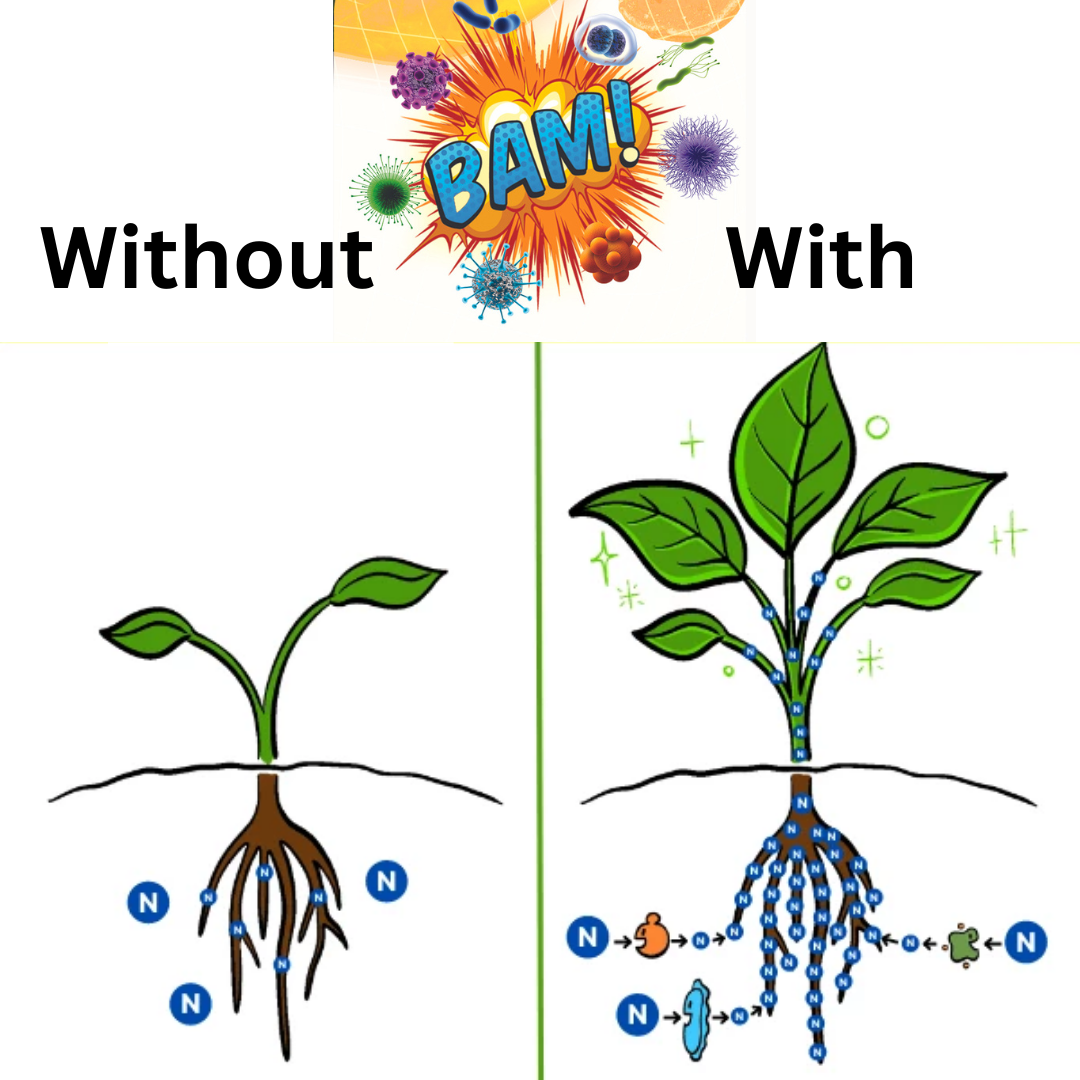
Side-by-side comparison: Untreated water leads to stunted, locked-out growth, while Drops of Balance enables full nutrient uptake and thriving foliage.
How to Reset Your Stressed Plants
If you suspect your plants are currently suffering from mineral lockout, a "reset" is required. Follow these minimalist steps to restore balance:
- Flush the Soil: Take your plant to the sink or shower. Water it heavily with treated water (using Drops of Balance) and let the water run freely out of the drainage holes for several minutes. This helps wash away accumulated salts.
- Clean the Foliage: Dust blocks light absorption, but mineral buildup from misting with hard water can also clog stomata (leaf pores). Wipe leaves down with a soft cloth and treated water.
- Treat Every Watering: Consistency is key. By treating your water every time, you ensure that no new toxins are introduced and that the plant has a steady supply of trace minerals.
- Observe and Adjust: Within 2–3 weeks, you should see a shift. New growth should be a deeper green, and the "crispy" edges should stop progressing. For a deeper dive into common errors, check out 7 mistakes you're making with plant nutrition.
The Role of Trace Minerals
Most commercial fertilizers focus on N-P-K (Nitrogen, Phosphorus, Potassium). However, plants require a "full spectrum" of elements to build strong cell walls and maintain immune function. Elements like silica, boron, and molybdenum are required in tiny amounts, but their absence can cause a total system breakdown.
Drops of Balance provides these hidden trace minerals in a sulfate-based ionic form, which is the most easily absorbed form for plants. This bypasses the lockout caused by high-pH tap water, ensuring your indoor jungle doesn't just survive, but thrives.
https://cdn.marblism.com/P3lB1rm6tG7.png
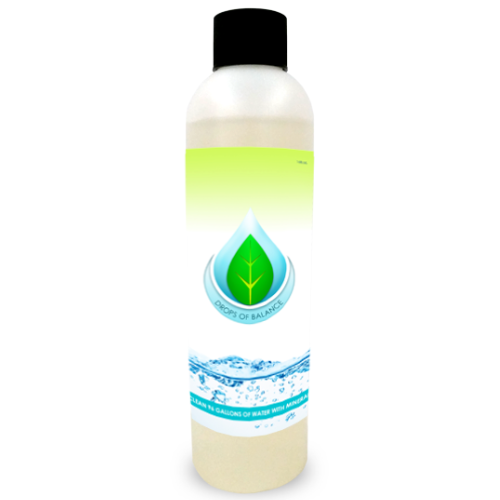
A simple, effective solution: Our 8oz concentrate treats hundreds of gallons of water, providing a minimalist path to plant health.
Conclusion
Houseplant care doesn't need to be complicated, and it shouldn't require a chemistry degree. By understanding that water is the medium through which all life flows, we can see why it is the most important variable in your indoor garden.
Don't let hard water "choke" the life out of your collection. By neutralizing the bad and introducing the essential, you can overcome mineral lockout and enjoy the lush, vibrant greenery your plants were always meant to display.
For more tips on optimizing your water and soil, visit our news blog and discover the science of balance.