
Organic Fertilizer vs Chemical Fertilizer: Which Actually Works Better in Drought Conditions?
Climate change has intensified drought conditions across agricultural regions worldwide, forcing farmers and gardeners to reconsider their fertilization strategies. The choice between organic and chemical fertilizers becomes critical when water availability is limited and plant stress increases. Recent scientific research provides compelling evidence about which approach delivers superior results under these challenging conditions.
The Science Behind Fertilizer Performance in Drought
Understanding how different fertilizers function during water stress requires examining their impact on soil structure, nutrient availability, and plant resilience mechanisms. Drought conditions fundamentally alter how nutrients move through soil and become accessible to plant roots, making fertilizer choice a determining factor in crop survival and productivity.
Organic Fertilizers: Building Resilience from the Ground Up
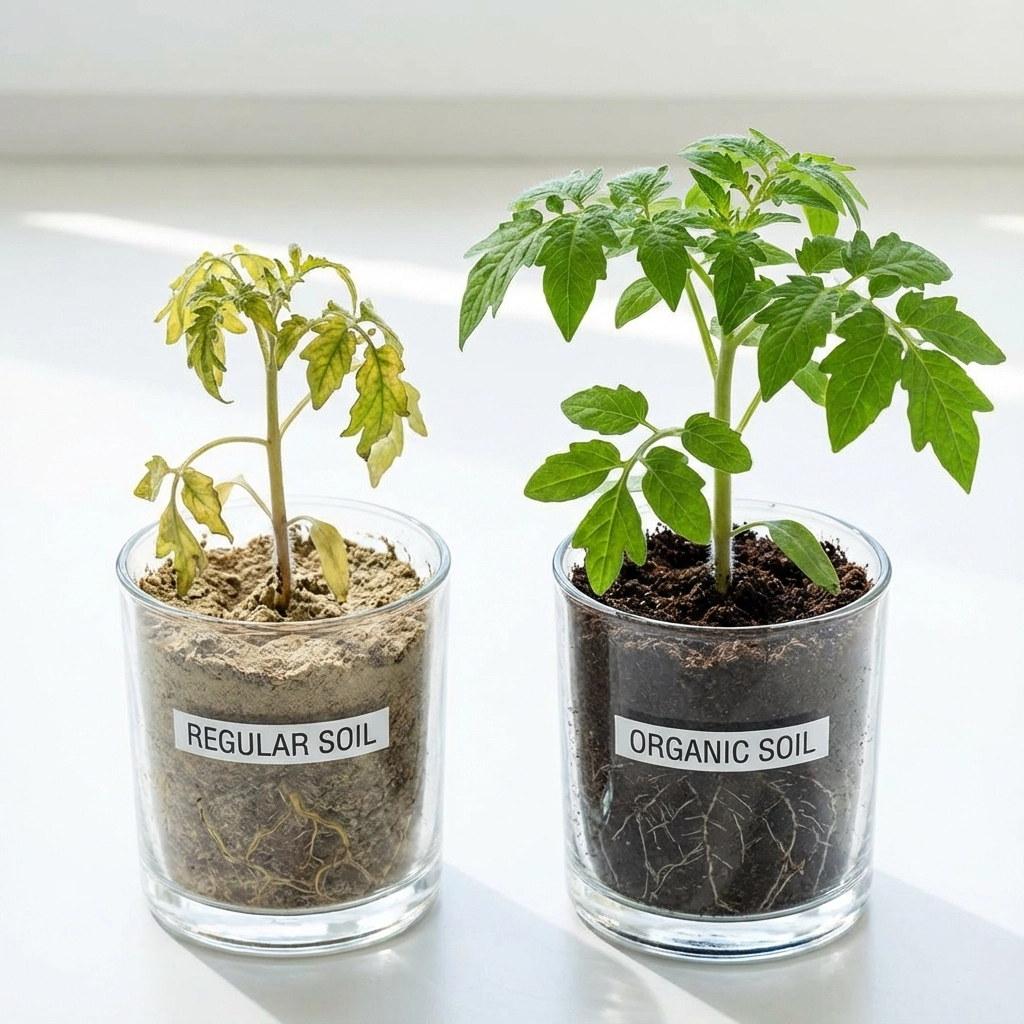
Organic fertilizers demonstrate superior performance in drought conditions through multiple interconnected mechanisms. Research conducted on drought-stressed maize reveals that organic sources like poultry manure, farmyard manure, and biochar significantly mitigate the effects of water scarcity on crop growth and yield.
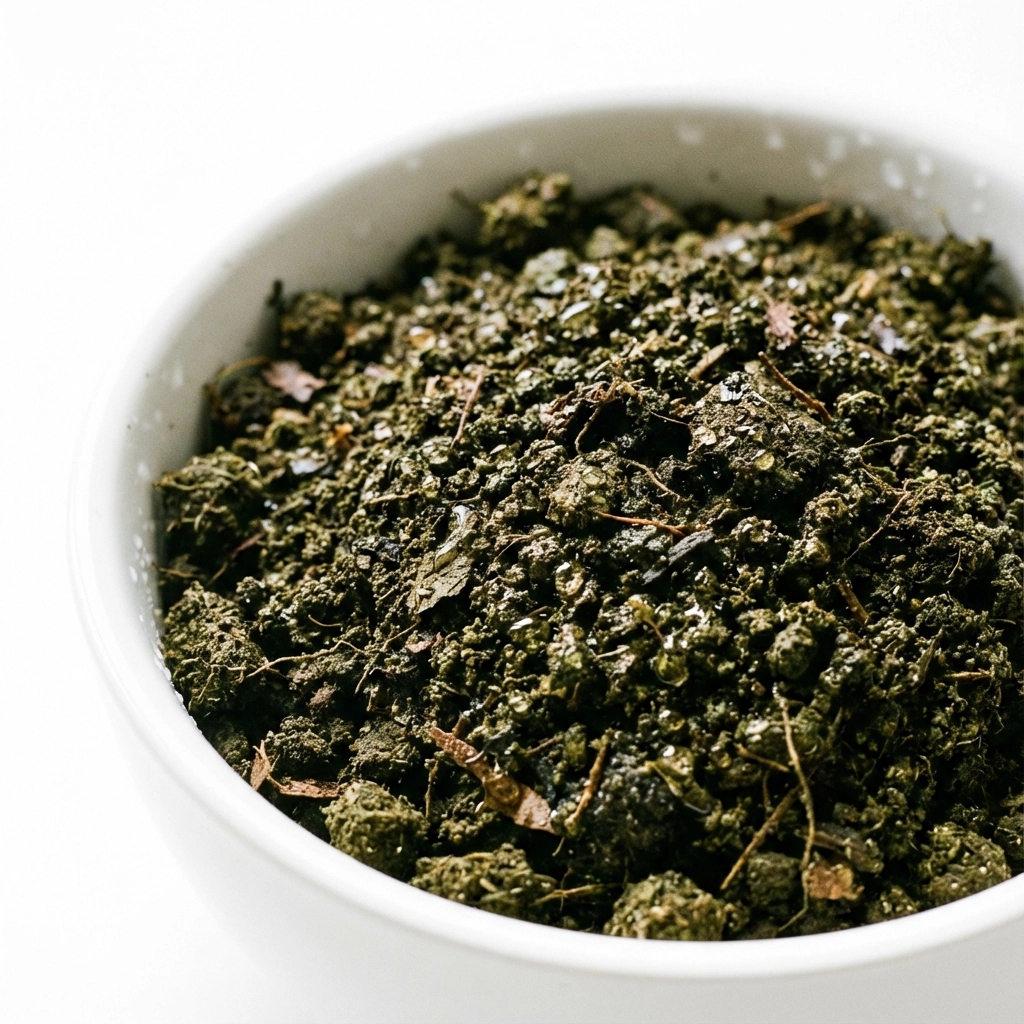
The key advantage of organic fertilizers lies in their ability to enhance soil organic matter content, which directly improves soil structure and water retention capacity. When organic materials decompose, they create stable soil aggregates that increase porosity and water-holding capacity. This enhanced soil structure allows plants to access moisture more effectively during drought periods.
A comprehensive study examining the application of 10 tonnes per hectare of poultry manure followed by farmyard manure and biochar found remarkable results. Under severe drought conditions, these organic treatments improved growth and yield of drought-sensitive maize hybrids to levels comparable to drought-tolerant varieties. This finding demonstrates that proper organic fertilization can effectively compensate for genetic drought susceptibility.
The nutrient release pattern of organic fertilizers also provides advantages during water stress. Unlike chemical fertilizers that release nutrients rapidly, organic sources provide steady, sustained nutrient availability over extended periods. This slow-release characteristic ensures continued nutrient supply even when water availability fluctuates.
Chemical Fertilizers: Immediate Results with Limitations
Chemical fertilizers excel in providing rapid nutrient availability to plants. Their synthetic composition allows for immediate absorption and utilization by plant roots, making them effective for addressing acute nutrient deficiencies. However, their performance characteristics change significantly under drought conditions.
Research indicates that chemical fertilizers show reduced effectiveness during water stress. The rapid dissolution and movement of synthetic nutrients requires adequate soil moisture to facilitate plant uptake. When water becomes limited, these nutrients may become concentrated in soil solutions, potentially causing osmotic stress to plant roots.
Additionally, repeated use of chemical fertilizers without organic matter inputs can degrade soil quality over time. This degradation reduces the soil's natural water-holding capacity and resilience, making crops more vulnerable to drought stress in subsequent seasons.
Comparative Analysis: Research Findings
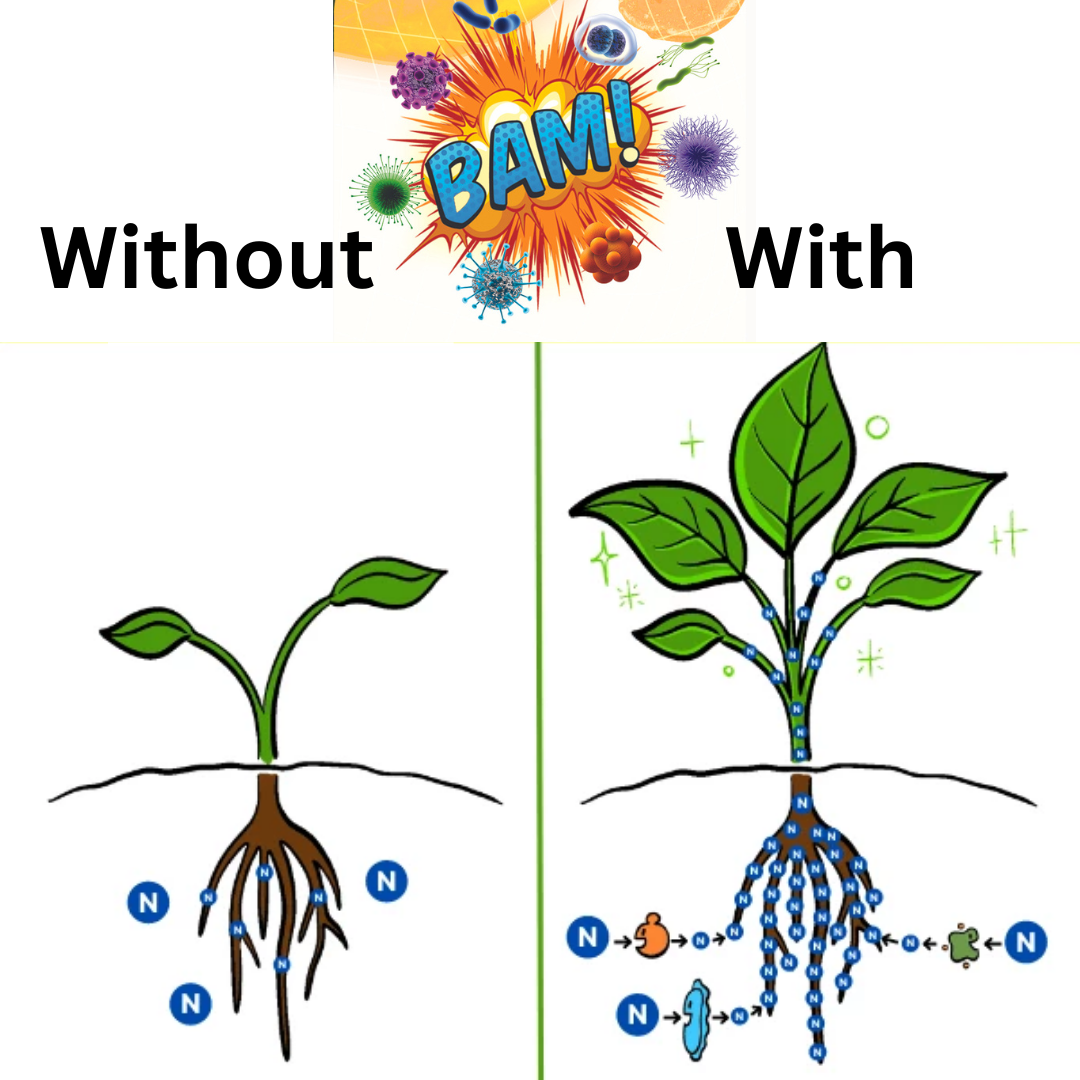
Scientific studies provide quantitative evidence for comparing fertilizer performance under drought conditions. In controlled experiments measuring nitrogen uptake under drought stress, organic fertilizers consistently outperformed chemical alternatives.
Plants treated with poultry manure achieved maximum nitrogen uptake rates of 131.8-141.1 kg per hectare under drought conditions, significantly higher than chemical fertilizer treatments. This enhanced nutrient uptake translated directly to improved plant growth metrics and yield outcomes.
The quality attributes of crops also showed marked differences. Plants grown with organic fertilizers under drought stress exhibited improved oil and protein content compared to those receiving chemical fertilization. This suggests that organic treatments not only maintain productivity but enhance nutritional quality during environmental stress.
Soil water retention measurements revealed substantial differences between fertilizer types. Organic fertilizer applications increased soil organic matter content, which directly correlated with improved water-holding capacity. Chemical fertilizers showed no comparable improvement in soil water retention properties.
The Hybrid Approach: Optimizing Performance
While organic fertilizers demonstrate clear advantages for drought tolerance, research suggests that strategic combinations may provide optimal results. Studies examining various fertilizer ratios found that applying 75% chemical fertilizer with 25% organic fertilizer achieved the highest yields while maintaining superior soil quality.
This hybrid approach leverages the immediate nutrient availability of chemical fertilizers while capturing the soil-building and water-retention benefits of organic materials. The combination allows for rapid initial plant establishment followed by sustained nutrient release and improved drought resilience.
Water Quality Considerations
The effectiveness of any fertilization strategy depends heavily on water quality. Contaminated irrigation water containing chlorine, fluoride, and heavy metals can interfere with nutrient uptake and plant health, regardless of fertilizer choice. These contaminants can bind with essential nutrients, making them unavailable to plants precisely when they're needed most during drought stress.
Addressing water quality becomes particularly important when implementing organic fertilization strategies, as the beneficial microorganisms that help decompose organic matter are sensitive to water contaminants. Clean, mineral-rich water supports both the biological processes that make organic fertilizers effective and direct plant health.
Practical Implementation Strategies
For regions experiencing regular drought conditions, transitioning to organic fertilizer systems provides long-term benefits that outweigh the slower initial results. Begin implementation during non-drought periods to allow soil improvement before stress conditions arrive.
In severely water-limited scenarios, prioritize organic fertilizers despite their slower onset of visible effects. The investment in soil health and water retention capacity provides crucial resilience during extended dry periods. Poultry manure and farmyard manure show the strongest research support for drought mitigation.
For balanced productivity and sustainability objectives, implement the hybrid approach using 75% chemical fertilizer with 25% organic fertilizer. This ratio optimizes immediate nutrient availability while building long-term soil resilience and water retention capacity.
Economic Considerations
While organic fertilizers often require higher initial investments and slower visible returns, their long-term economic benefits under drought conditions justify the costs. Improved soil water retention reduces irrigation requirements, and enhanced drought tolerance minimizes crop losses during water-limited periods.
The sustained nutrient release from organic sources also reduces the frequency of fertilizer applications compared to chemical alternatives, potentially offsetting higher per-unit costs through reduced application labor and materials over time.
Conclusion
Scientific evidence clearly demonstrates that organic fertilizers provide superior performance under drought conditions compared to chemical alternatives. The ability of organic sources to improve soil structure, enhance water retention, and maintain nutrient availability during water stress makes them the optimal choice for drought-prone regions.
However, the most effective approach may involve strategic integration of both fertilizer types, with organic materials providing the foundation for soil health and drought resilience while chemical fertilizers address immediate nutrient needs. Success with any approach requires attention to water quality, as contaminants can undermine the benefits of even the best fertilization strategies.
As climate change continues to intensify drought conditions globally, the choice between organic and chemical fertilizers becomes increasingly consequential for agricultural sustainability and food security. The research strongly supports transitioning toward organic-based systems for long-term resilience in water-limited environments.