
Planning Your Fall Garden? Why You Need to Fix Your Water Before You Plant
As the sweltering heat of August begins to peak, most gardeners are doing one of two things: trying to keep their wilting tomatoes alive or daydreaming about the crisp, cool rows of kale, carrots, and broccoli that define the fall season. While the transition from summer to fall feels like a "reset" for the garden, many growers make a critical mistake. They focus entirely on the seeds and the fertilizer, neglecting the most important medium in the entire equation: the water.
In the world of horticulture, we often talk about what do plants need to grow, and the list usually starts with light, space, and nutrients. However, if you are treating your fall garden with untreated municipal tap water, you might be unintentionally sabotaging your soil’s biology before the first seed even germinates.
To ensure a successful autumn harvest, you need to think of water treatment for plants not as an optional luxury, but as a foundational garden soil amendment. Here is the scientific breakdown of why fixing your water now is the key to a thriving fall garden.
The Biological Foundation: Soil is a Living Organism
Before we talk about pipes and filters, we have to talk about biology. Your soil is not an inert pile of dirt; it is a complex, living ecosystem teeming with bacteria, fungi, protozoa, and nematodes. These microorganisms are the "digestive system" of your plants. They break down organic matter and convert minerals into a bioavailable form that roots can actually absorb.
When you prepare for a fall garden, you are essentially trying to build a robust microbial colony that can support your plants through the cooling temperatures. However, if your water source is contaminated with disinfectants like chlorine or chloramine, you are effectively "sanitizing" your soil every time you water.
Chlorine is an incredibly effective biocide: that’s why it’s in our drinking water. It kills pathogens to keep us safe. But when that same water hits your garden bed, it doesn't distinguish between "bad" bacteria and the "good" microbes your plants rely on. Using untreated tap water is like trying to build a house while someone else is constantly pulling bricks out of the foundation.

The Chlorine and Chloramine Conflict
Most municipal water systems use chlorine or chloramine (a more stable bond of chlorine and ammonia) to maintain water safety. While necessary for public health, these chemicals are detrimental to plant health in two specific ways:
- Microbial Decimation: Research shows that consistent application of chlorinated water can significantly reduce the population of beneficial fungi, such as mycorrhizae. These fungi form a symbiotic relationship with plant roots, extending their reach to pull in deep-seated moisture and phosphorus. In the fall, when plants need robust root systems to withstand early frosts, losing this fungal network is a major setback.
- Chemical Locking: Chlorine can react with organic matter in the soil to create trihalomethanes (THMs), which are toxic byproducts. Furthermore, heavy metals often found in tap water can lead to "nutrient lockout," where the chemical profile of the soil prevents the plant from absorbing the minerals that are already present.
By implementing a strategy for water treatment for plants before you plant your fall crops, you allow the soil microbiome to stabilize. This ensures that when your seeds sprout, they are entering a "living" environment rather than a sterile one.
Why Fall Crops Demand Higher Mineral Density
Fall favorites like spinach, cabbage, and root vegetables have different physiological needs than summer crops. These plants are often "heavy feeders" that require a diverse array of trace minerals to develop their signature flavors and cold hardiness.
When we ask, "what do plants need to grow" in a cooling climate, the answer is often "higher Brix levels." Brix is a measurement of the sugar content and mineral density in plant sap. Plants with higher Brix levels are more resistant to pests and, more importantly, have a lower freezing point. This means a mineral-rich plant can survive a light frost that would kill a mineral-deficient one.
This is where the concept of a garden soil amendment evolves. Traditional N-P-K (Nitrogen, Phosphorus, Potassium) fertilizers are not enough. Your plants need sulfated trace minerals: iron, magnesium, zinc, and dozens of others: to catalyze enzymatic reactions.
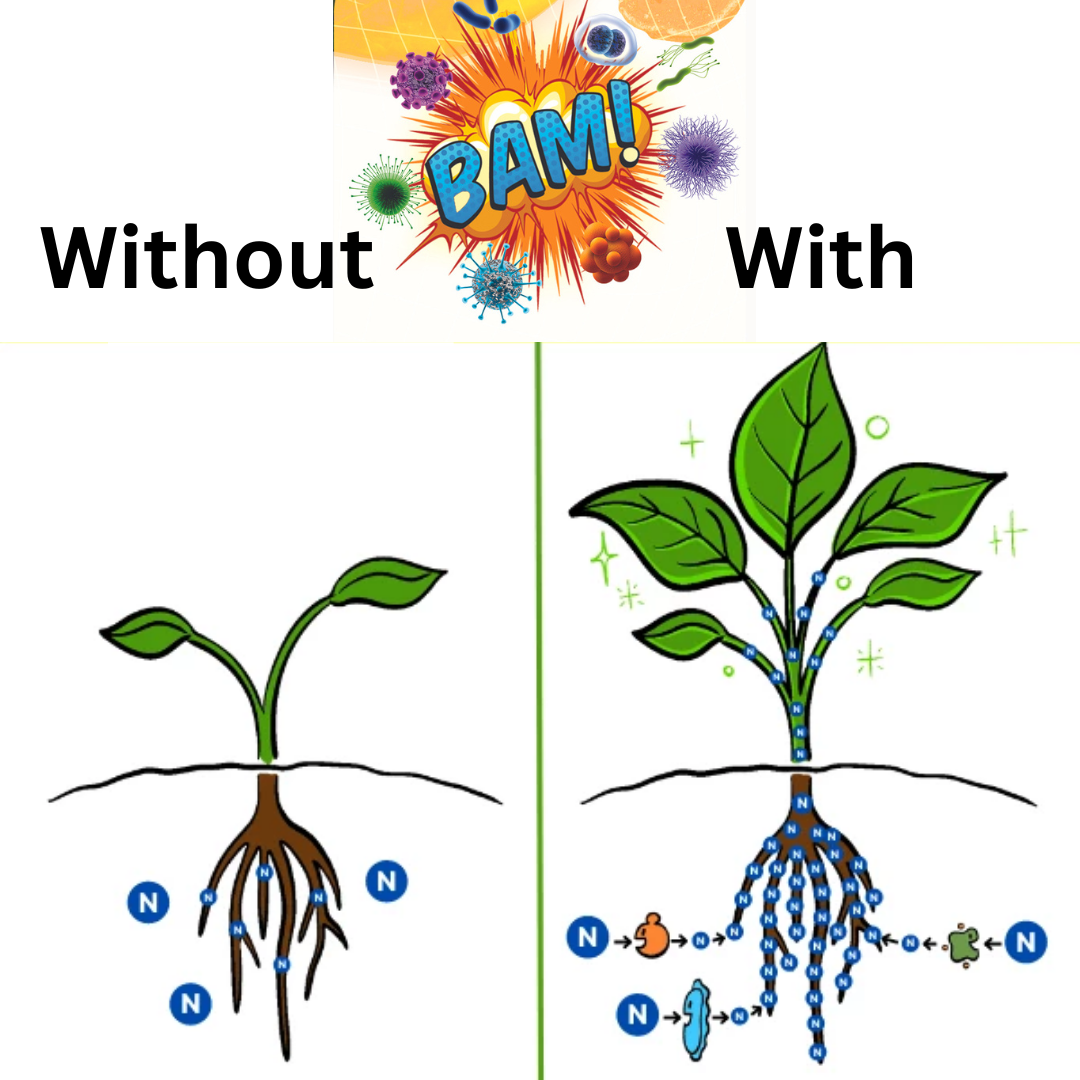
As seen in the comparison above, plants treated with a mineral-rich, toxin-free water source (like those treated with Drops of Balance) show significantly more robust root structures and leaf density. This is because the water isn't just "wetting" the soil; it’s delivering the elemental tools the plant needs to build complex tissues.
Pre-Planting Step 1: Neutralizing the Toxins
If you want to fix your water before you plant, you need a solution that works on a molecular level. Filtration is a start, but many filters fail to remove dissolved solids and heavy metals effectively over time.
Drops of Balance uses a concentrated mineral solution that acts as a coagulant. When added to water, it interacts with contaminants like fluoride, chlorine, and heavy metals, causing them to clump together (flocculation) and become inert or settle out. This process mimics the way nature purifies water as it moves through mineral-rich earth.
By treating your water supply before it hits your garden beds, you ensure that your soil remains a hospitable environment for the "BAM!" (Beneficial Microorganisms) that drive plant growth.
Pre-Planting Step 2: Inoculating for Success
Once the toxins are managed, the next step in preparing your fall garden is reintroducing the biology that may have been lost during the heat of the summer. High summer temperatures can bake the top layer of soil, killing off sensitive microbes.
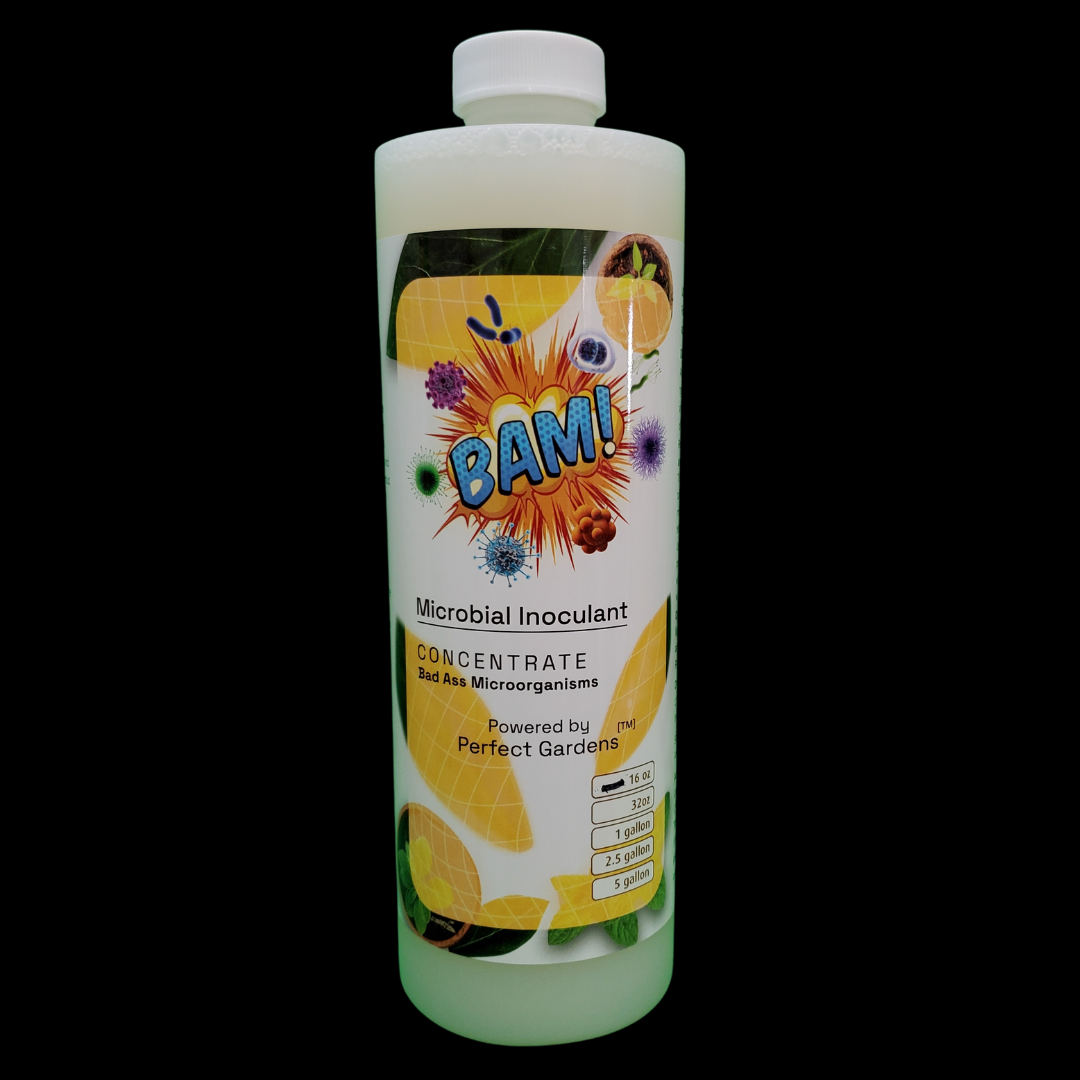
Using a product like BAM! Microbial Inoculant Concentrate, you can "re-seed" your soil with beneficial bacteria. When combined with mineralized water, these microbes have the energy source they need to thrive.
The Science of Deep Watering in the Fall
Research into fall gardening highlights a specific need: Deep watering. Newly planted fall crops require consistent moisture to establish their roots before the ground cools significantly. Experts recommend watering deeply every 3-4 days rather than shallowly every day.
Deep watering encourages roots to grow downward into the subsoil, where temperatures are more stable. However, if your water is high in salts or toxins, deep watering simply pushes those toxins deeper into the root zone. By treating your water first, you ensure that the deep-level moisture you are providing is pure and mineral-dense, helping your plants build the "robust root systems" mentioned in horticultural studies.
Your Fall Garden Checklist
To move forward with your August preparations, follow this scientifically-backed workflow:
- Test and Purify: Use Drops of Balance to remove chlorine and heavy metals from your irrigation source.
- Amend the Soil: Think of mineralized water as your primary garden soil amendment. It is the delivery vehicle for everything else.
- Inoculate: Apply beneficial microbes (BAM!) to the soil at least 7-10 days before planting to establish a colony.
- Mulch: Once you plant, use mulch to retain the high-quality water you’ve applied, preventing evaporation and mineral crusting on the surface.
Conclusion: Start at the Source
We often look at our plants to tell us what’s wrong, but by the time a leaf turns yellow or a stem wilts, the problem is already advanced. Most "plant problems" are actually "soil problems," and most "soil problems" are actually "water problems."
As you plan your fall garden, remember that the quality of your harvest is a direct reflection of the quality of your water. By removing the chemical burdens of municipal water and replacing them with life-sustaining minerals, you aren't just growing vegetables: you're cultivating an ecosystem.
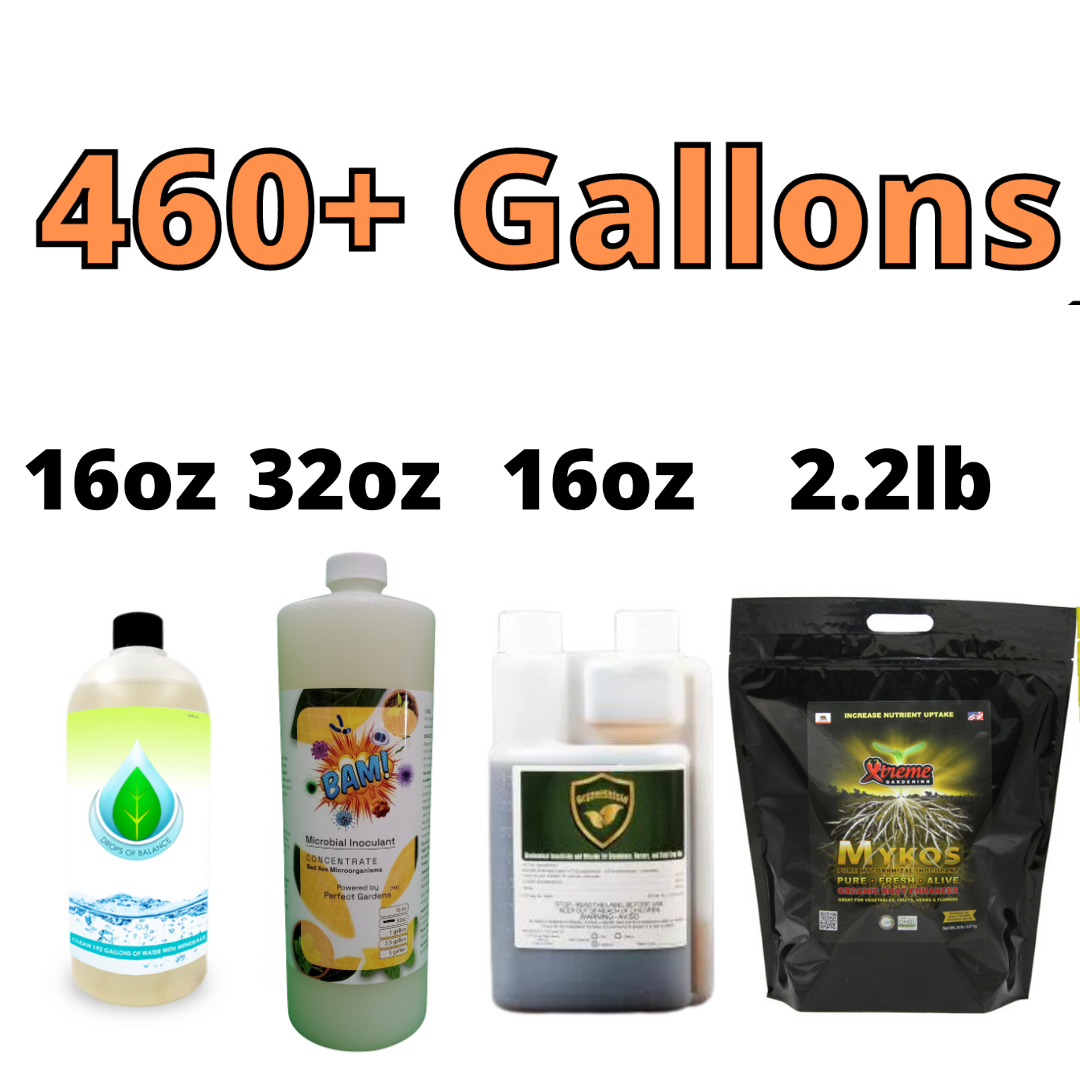
Ready to prep your water for the best fall harvest yet? Check out our Complete Garden Bundles and give your soil the "BAM!" it deserves. For more information on the science behind our mineral technology, visit our FAQ page or Contact Us directly.