
Soil Health Secrets Revealed: What Experts Don’t Want You to Know About Organic Gardening
In the world of modern agriculture and home gardening, the term "organic" has become a gold standard for health and sustainability. However, there is a fundamental disconnect between the "organic" label on a bag of fertilizer and the actual biological health of the soil in your backyard. Many gardening experts and large-scale fertilizer companies focus almost exclusively on a narrow set of macronutrients: Nitrogen, Phosphorus, and Potassium (N-P-K): while ignoring the complex mineral and microbial relationships that define true soil vitality.
To achieve superior plant growth, nutrient density, and pest resistance, we must look beyond the surface-level promises of the commercial organic industry. The secret to a thriving garden isn't found in more fertilizer; it is found in the restoration of the soil’s mineral balance and the protection of its microbial workforce.
The N-P-K Trap: Why Your Organic Fertilizer is Incomplete
Most gardeners are taught that if their plants look yellow, they need Nitrogen; if they aren’t blooming, they need Phosphorus. This reductive approach to plant nutrition is known as the "N-P-K" mindset. While these three elements are essential, they represent only a tiny fraction of what a plant requires to complete its metabolic processes.
In nature, plants have access to a spectrum of over 70 different trace minerals. These minerals act as catalysts for enzymatic reactions. Without trace minerals like boron, molybdenum, and manganese, plants cannot efficiently process the N-P-K you provide. This leads to "nutrient lockout," where the soil may be saturated with fertilizer, but the plant is effectively starving because it lacks the mineral keys to unlock those nutrients.
Scientific research into soil health suggests that organic matter alone is not a panacea. While compost improves soil structure, if the base minerals are depleted from decades of over-farming or tap water runoff, the compost cannot magically re-manufacture those elements. This is why incorporating a broad-spectrum mineral solution is a critical, yet often overlooked, step in organic gardening.
The Invisible Killer: What Tap Water Does to Your Soil
One of the best-kept secrets in the gardening industry is the detrimental effect of municipal tap water on soil microbiology. Most gardeners diligently buy high-quality soil and organic starts, only to water them with a hose connected to the city supply.
Municipal water is treated with disinfectants like chlorine and chloramine. These chemicals are highly effective at killing bacteria in water pipes, and they are equally effective at killing the beneficial microbes in your soil. When you water your garden with untreated tap water, you are essentially "sterilizing" your soil every time you hydrate your plants. This wipes out the bacteria and fungi responsible for breaking down organic matter and delivering nutrients to the roots.
To maintain a truly "living" soil, the water must be treated before it touches the ground. This is where a concentrated mineral solution becomes essential.
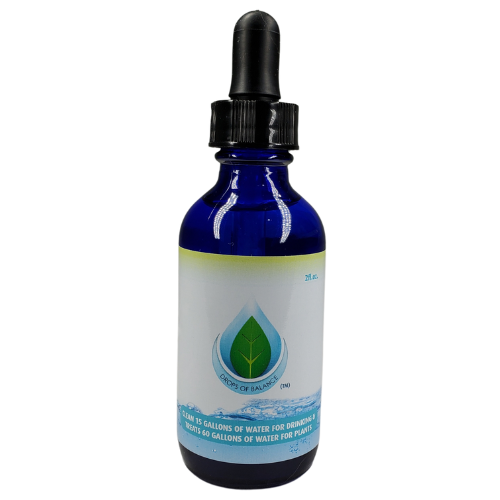
Using a product like Drops of Balance 2 oz allows gardeners to neutralize harmful chemicals through a process called flocculation. The sulfated trace minerals in the solution bind to toxins, heavy metals, and chemicals, causing them to fall out of suspension or become inert. This ensures that the water you provide is not only safe for the plant but supportive of the delicate soil ecosystem.
The Role of Beneficial Ancient Microbes (BAM)
If minerals are the building blocks of soil health, microbes are the construction workers. A healthy soil profile should be teeming with life, including mycorrhizal fungi and beneficial bacteria. These organisms form a symbiotic relationship with plant roots, extending the root system's reach and actively transporting minerals into the plant's vascular system.
In many urban garden settings, this microbial life is non-existent. The "secret" that experts often skip over is that you cannot just "wait" for these microbes to return: you must actively inoculate the soil.
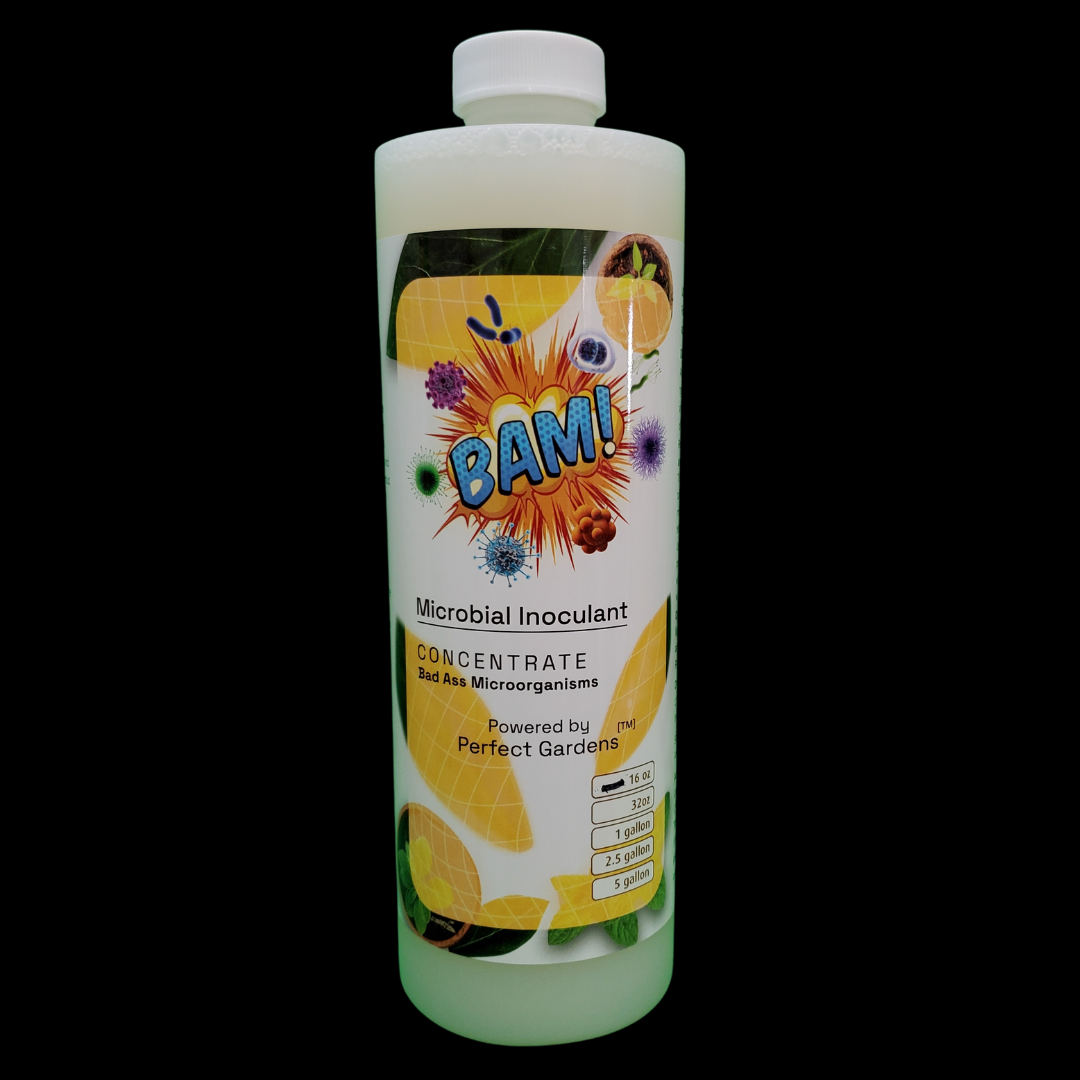
Utilizing a high-quality inoculant like BAM! (Beneficial Ancient Microbes) reintroduces a diverse community of microorganisms that have been lost to chemical treatments and environmental stress. When these microbes are paired with mineral-rich water, the results are exponential. The microbes use the minerals to build their own cellular structures, which in turn feeds the plants in a bioavailable form.
The Science of Flocculation and Nutrient Uptake
One of the more technical aspects of soil health that is rarely discussed in mainstream gardening circles is the electrical charge of soil particles and minerals. Healthy soil functions through a process called Cation Exchange Capacity (CEC). This is the soil's ability to hold onto nutrients and release them to the plant.
When soil is depleted or contaminated, its electrical balance is disrupted. Sulfated trace minerals, like those found in Drops of Balance, work by introducing a high-energy ionic charge to the water and soil. This not only cleans the water through flocculation but also "primes" the soil to hold onto nutrients more effectively. This is why plants treated with these minerals often show a dramatic increase in size and vitality compared to those grown with standard organic fertilizers alone.
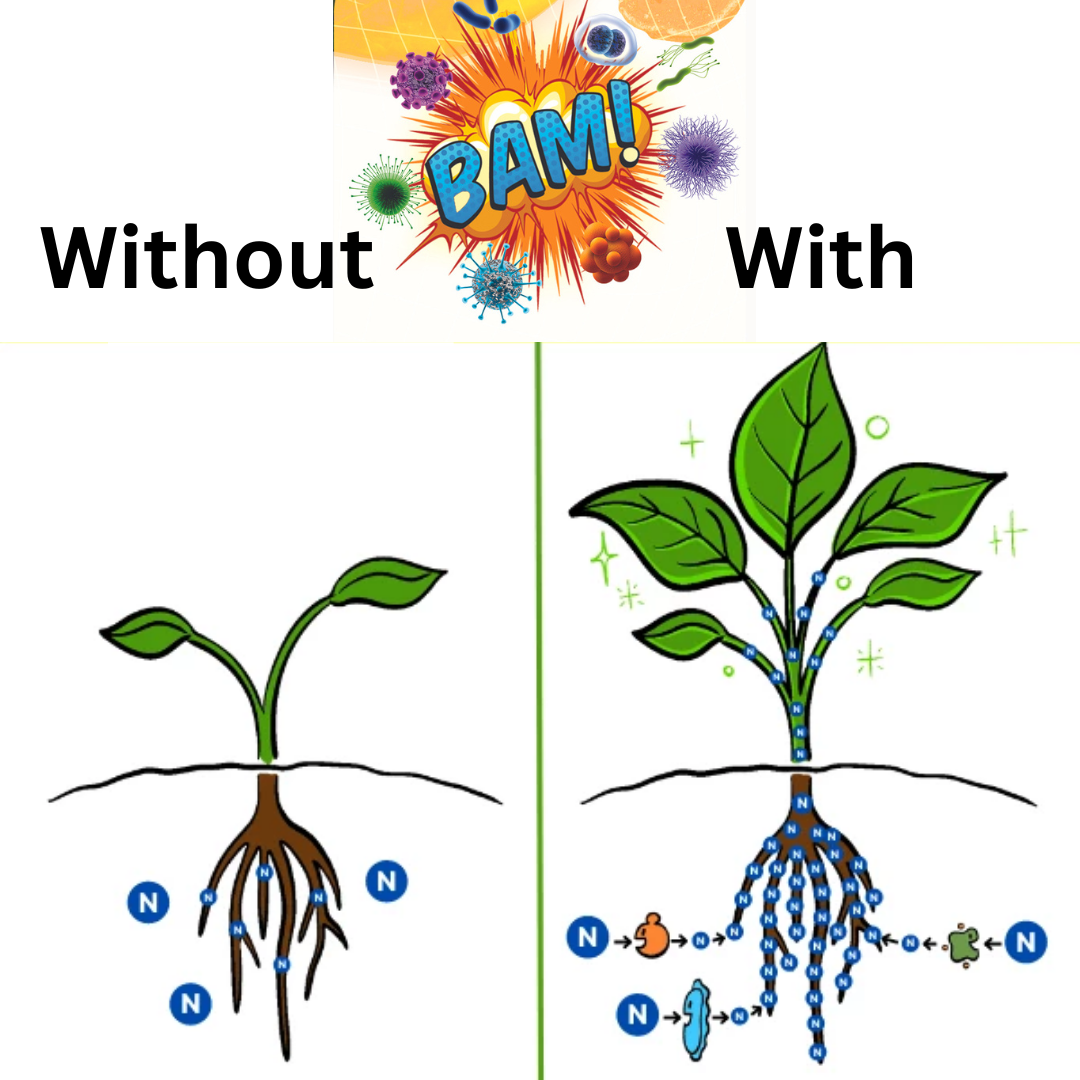
In the comparison above, you can see the physiological difference. Plants that receive a full spectrum of trace minerals develop thicker cell walls, deeper root systems, and a higher Brix level (sugar content), making them naturally more resistant to pests and disease without the need for toxic pesticides.
Breaking the Cycle of Chemical Dependency
The gardening industry often profits from a cycle of dependency. They sell you a synthetic fertilizer that kills your soil life, then they sell you a pesticide to kill the bugs that attack your weakened plants, and finally, they sell you more fertilizer to try and force growth in the dead soil.
Breaking this cycle requires a return to foundational principles:
- Mineralize your water: Use a mineral concentrate to remove toxins and add essential elements.
- Inoculate your soil: Regularly add beneficial microbes to maintain the biological workforce.
- Feed the soil, not the plant: Focus on long-term soil health rather than short-term growth spikes.
As demonstrated in the BAM plant comparison, the difference in root mass and overall plant structure is undeniable. The plant on the right, supported by a proper mineral and microbial regimen, is capable of extracting everything it needs from the environment, whereas the plant on the left remains stunted despite having access to the same basic light and temperature conditions.
Conclusion: Mastering the Best Plant Food Strategy
The "best plant food" is not a single bottle of liquid fertilizer; it is a holistic system that respects the chemistry of water and the biology of soil. By addressing the mineral deficiencies that plague modern environments and protecting the microbial life within our gardens, we can achieve results that far exceed the standards of conventional "organic" gardening.
For those looking to transition to a more scientific and effective growing method, starting with the right tools is paramount. Whether you are managing a small indoor herb garden or a large-scale vegetable plot, the integration of Drops of Balance minerals and microbial inoculants will provide the foundation for true soil health.
Stop following the outdated advice of the big fertilizer brands. Start looking at the science of your soil, treat your water with care, and let the natural intelligence of minerals and microbes do the work for you. Your garden: and your health( will show the difference.)