
What Happens When You Drink Demineralized Water Long-Term?
In our quest for pure, clean drinking water, many people turn to demineralized water sources like reverse osmosis (RO), distilled water, or even collected rainwater. While these methods effectively remove contaminants, they also strip away essential minerals that our bodies need to function optimally. But what exactly happens when you consume only demineralized water for weeks, months, or even years?
Understanding Demineralized Water
Demineralized water refers to any water that has had its mineral content removed through various purification processes. The most common types include:
Reverse Osmosis (RO) Water: Uses a semipermeable membrane to remove fluoride from water, along with other contaminants and minerals. While excellent at removing harmful substances, RO systems also eliminate beneficial minerals like calcium, magnesium, and potassium.
Distilled Water: Created by boiling water and collecting the condensed steam, leaving behind all dissolved solids, including both harmful contaminants and essential minerals.
Rainwater: Naturally distilled through evaporation and precipitation, rainwater is naturally low in minerals, though it can pick up contaminants from atmospheric pollution and collection surfaces.
People choose these water sources primarily for health reasons: to avoid chlorine, fluoride, heavy metals, and other potentially harmful substances found in tap water. However, the long-term consumption of mineral-depleted water presents its own set of health challenges.

The Science Behind Long-Term Demineralized Water Consumption
When you consistently drink water devoid of essential minerals, your body initiates several compensatory mechanisms that can lead to significant health implications over time.
Electrolyte and Fluid Imbalances
Research demonstrates that consuming demineralized water leads to measurable physiological changes within hours. Studies show that drinking demineralized water increases urination by approximately 20% compared to mineralized water, leading to increased body water volume and altered serum electrolyte concentrations.
The body responds to the influx of mineral-free water by decreasing potassium levels while increasing sodium elimination. This disruption in electrolyte balance can affect cellular function, nerve transmission, and muscle contraction throughout the body.
In extreme cases, consuming large quantities of low-mineral water can cause "water intoxication" or hyponatremic shock, particularly dangerous after intense physical activity when the body has already lost electrolytes through sweat.
Mineral Leaching Effect
Perhaps most concerning is the phenomenon known as "reverse osmosis": not the filtration process, but the biological effect where demineralized water actually leaches minerals from your body. When water with low mineral content enters your system, it seeks to achieve equilibrium by drawing minerals from your tissues, bones, and organs.
This mineral leaching effect becomes particularly problematic when demineralized water is used for cooking. Research indicates that cooking with mineral-depleted water can cause substantial losses from food: up to 60% of magnesium and calcium content can be lost during food preparation.
Cardiovascular Implications
The cardiovascular system bears significant impact from long-term demineralized water consumption. Epidemiological studies among Russian populations suggest that low-mineral drinking water may be a risk factor for hypertension and coronary heart disease.
The absence of essential minerals like magnesium and calcium: which are crucial for heart rhythm regulation, blood vessel function, and blood pressure control: can contribute to cardiovascular dysfunction over time.
WHO and Health Agency Warnings
The World Health Organization (WHO) has issued specific warnings about the health risks associated with demineralized water consumption. Their research indicates that long-term consumption may increase the risk of heart disease due to deficiencies in calcium and magnesium.
The WHO recommends that healthy drinking water should have a total dissolved solids (TDS) value between 150-300 mg/L to ensure adequate mineral intake. Most RO and distilled water falls well below this threshold, typically registering TDS levels near zero.
Health agencies have identified several specific concerns:
Bone Health: Studies indicate associations between soft water consumption and higher fracture risk in children, as well as increased osteoporosis risk, particularly in women.
Neurological Function: Intake of water low in magnesium appears to be associated with higher risks of motor neuronal disease and neurodegenerative diseases.
Reproductive Health: Research suggests links between demineralized water consumption and pregnancy disorders, including preeclampsia and sudden infant death syndrome.

Effects on Pets and Plants
The impacts of demineralized water extend beyond human health to affect our pets and plants as well. Understanding what plants need to grow reveals why minerals matter so much for all living systems.
Plant Nutrition and Soil Health
Plants require trace minerals for optimal growth and development. When watered exclusively with demineralized water, plants often exhibit:
- Slower growth rates
- Reduced nutrient uptake
- Compromised root development
- Increased susceptibility to disease
This occurs because trace minerals for plants serve as cofactors for enzymatic reactions, assist in chlorophyll production, and support cellular metabolism. Without these essential elements, even the best plant food and garden soil amendment cannot fully compensate for the mineral deficiencies created by demineralized water.
For organic gardening enthusiasts, this presents a particular challenge, as the goal is typically to create a balanced, natural growing environment that supports both plant nutrition and soil microorganism health.
Pet Health Considerations
Pets consuming only demineralized water may experience similar mineral deficiencies as humans, though their smaller body size can make them more susceptible to rapid changes in electrolyte balance. Veterinarians often recommend ensuring pets have access to naturally mineralized water sources.
The Drops of Balance Solution
Recognizing the inherent problems with both contaminated tap water and over-purified demineralized water, Drops of Balance offers a scientifically-formulated solution that addresses both concerns simultaneously.
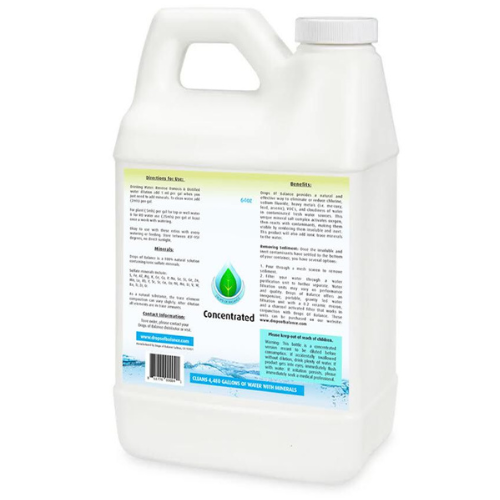
How Drops of Balance Works
Drops of Balance is a concentrated mineral solution that serves a dual purpose:
- Contaminant Neutralization: Removes harmful chemicals, including fluoride, chlorine, heavy metals, and other toxins from tap water
- Mineral Replenishment: Adds back essential trace minerals that support optimal health and hydration
This approach allows you to start with demineralized water (avoiding contaminants) while restoring the mineral content necessary for proper biological function.
Benefits for Human Health
By adding Drops of Balance to your demineralized water, you can:
- Restore electrolyte balance
- Support cardiovascular function
- Maintain bone health
- Improve cellular hydration
- Enhance overall metabolic function
The mineral profile in Drops of Balance is specifically designed to replicate the beneficial mineral content found in naturally pure water sources, providing bioavailable forms of calcium, magnesium, potassium, and other essential trace elements.
Benefits for Plants and Gardens
The same mineral solution that benefits human health also serves as an excellent addition to plant watering routines. When used in organic gardening, Drops of Balance:
- Provides trace minerals that plants need for optimal growth
- Supports soil microorganism health
- Enhances nutrient uptake efficiency
- Improves plant resilience and disease resistance
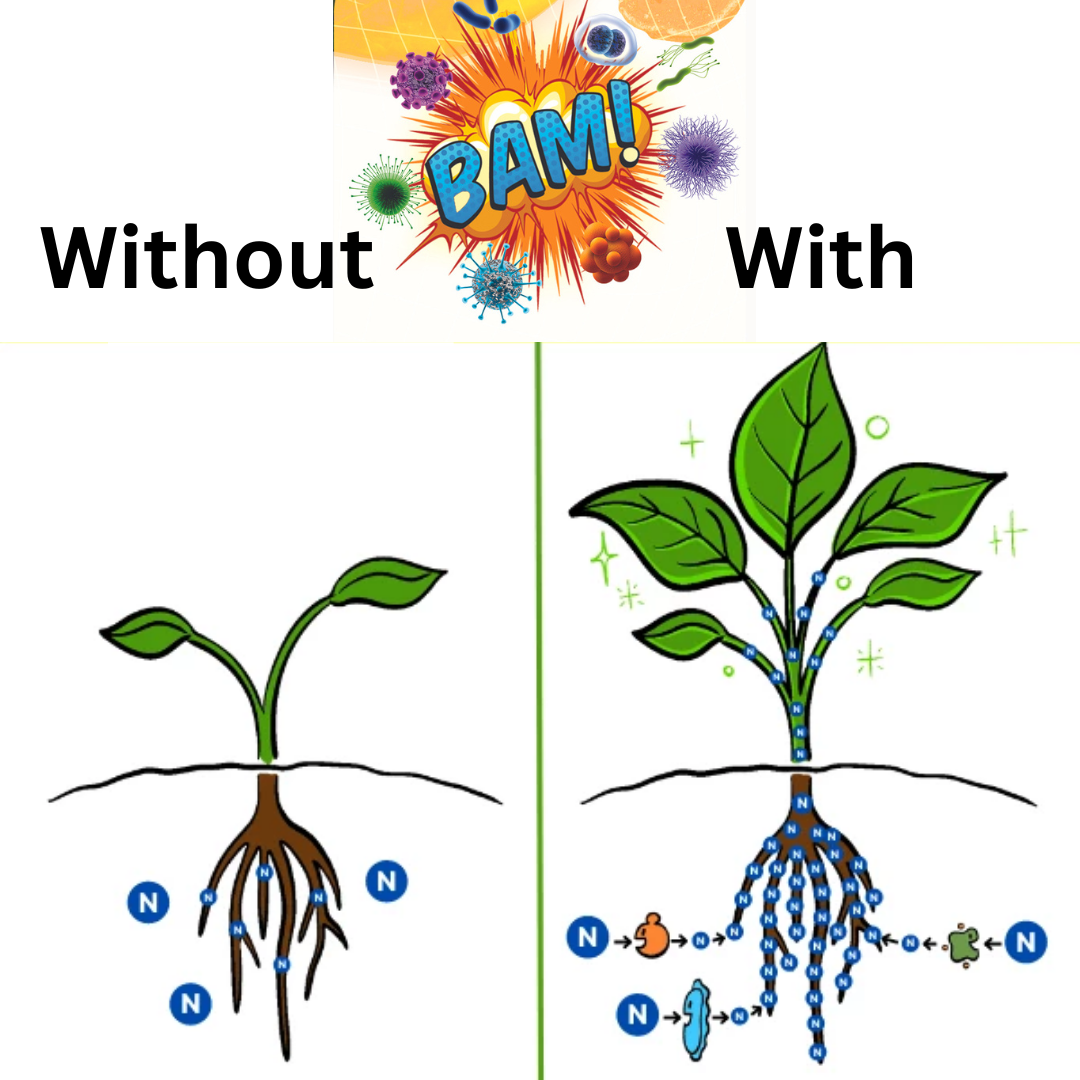
This makes it an ideal choice for gardeners seeking the best plant food alternatives while maintaining clean water standards.
Practical Recommendations
For Daily Drinking Water
If you prefer the purity of demineralized water sources like RO or distilled water, consider adding Drops of Balance to restore essential minerals. The recommended dosage for drinking water helps maintain proper mineral balance without compromising water purity.
For Cooking
When cooking with demineralized water, the mineral addition becomes even more critical, as the cooking process can further deplete food of its natural mineral content. Adding Drops of Balance to cooking water helps preserve the nutritional value of your meals.
For Plant Care
Whether you're maintaining houseplants or managing an outdoor garden, using mineralized water supports plant nutrition and soil health. The trace minerals support what plants need to grow while maintaining the purity that prevents harmful chemical exposure.
Monitoring Your Health
If you've been consuming demineralized water long-term, consider consulting with a healthcare provider about potential mineral deficiencies. Blood tests can reveal electrolyte imbalances or mineral deficiencies that may have developed over time.
Conclusion
While demineralized water effectively removes harmful contaminants, long-term consumption without mineral replacement can lead to significant health challenges. The scientific evidence clearly demonstrates that our bodies, pets, and plants all require essential minerals for optimal function.
By understanding these risks and implementing solutions like Drops of Balance, you can enjoy the benefits of pure water while maintaining the mineral content necessary for vibrant health. Whether your goal is personal wellness, pet care, or successful organic gardening, the key lies in achieving the right balance between purity and essential nutrition.
For more information about water testing and safety protocols, visit our safety and testing page to learn more about how Drops of Balance can transform your water quality while supporting your health goals.