
The August Harvest Secret: How Mineralized Water Boosts Flavor and Shelf-Life
As the August heat peaks, gardeners and commercial growers alike face a pivotal moment. This is the month of the "Big Harvest": when tomatoes, peppers, cucumbers, and melons reach their zenith. However, there is a common frustration that plagues even the most experienced practitioners of organic gardening: why does some produce taste like a revelation, while others, despite looking perfect, lack depth of flavor and spoil within days of being picked?
The answer isn't just in the seeds or the soil; it’s in the medium that connects them. The secret to a high-quality August harvest lies in the specific mineral composition of the water used during the final ripening stages. By utilizing mineralized water, you aren't just hydrating the plant; you are providing the essential building blocks for nutrient density, flavor complexity, and long-term shelf-life.
The Science of Flavor: It’s All About the Brix
In the world of professional horticulture, flavor is often measured by the "Brix" scale. Brix represents the percentage of dissolved solids: primarily sugars, amino acids, and minerals: within the plant's sap. A high Brix reading is the gold standard for plant nutrition, indicating a healthy, robust plant that is producing an abundance of secondary metabolites.
Mineralized water acts as a catalyst for these processes. When you use a solution like Drops of Balance, you are introducing ionic sulfate minerals that are immediately bioavailable to the plant. These minerals: specifically magnesium, potassium, and various trace elements: are essential co-factors for enzyme production.
Without these minerals, the plant’s metabolic engine slows down. It may still produce fruit, but that fruit will be "watery." When the plant has access to a full spectrum of minerals, it can efficiently convert sunlight into complex sugars and aromatic compounds. This is why a mineral-fed tomato has that unmistakable "garden-grown" acidity and sweetness, while a mineral-deficient one tastes like nothing at all.

Strengthening the "Skeletal System" of the Plant
To understand shelf-life, we have to look at the cellular level. Every fruit and vegetable has a cellular structure held together by a substance called pectin, located in the "middle lamella" between cell walls.
Calcium is the primary mineral responsible for the integrity of these cell walls. Think of calcium as the "mortar" between the bricks of the plant. If the water you use is stripped of minerals (like RO water) or contaminated with antagonists (like the fluoride found in most municipal tap water), the plant cannot properly uptake or distribute calcium to the ripening fruit.
When cell walls are weak, the fruit is susceptible to:
- Rapid Dehydration: Moisture escapes the cells more easily once the fruit is harvested.
- Pathogen Invasion: Soft cell walls are an open door for mold and bacteria.
- Bruising: The fruit lacks the structural resilience to survive handling and transport.
By providing mineralized water throughout August, you ensure that the "skin" and internal structure of your produce are dense and strong. This naturally extends the shelf-life, allowing your harvest to remain crisp and fresh on the counter or in the fridge for significantly longer periods.
The Tap Water Trap: Why Pure Water Isn't Enough
Many gardeners believe that simply "watering more" during the August heat is the solution. However, the quality of that water is often the very thing sabotaging the harvest.
Municipal tap water is frequently treated with chlorine, chloramines, and fluoride. While these chemicals make water "safe" by killing bacteria, they act as biocides in your garden. They can damage the delicate root hairs of the plant and, perhaps more importantly, they kill the beneficial soil microbes that help the plant "eat."
Furthermore, "hard" tap water often contains high amounts of calcium carbonate, which is not easily absorbed by plants and can actually lead to nutrient lockout. This is where water treatment and mineralization become essential. Using a mineral concentrate to "clean" the water and re-introduce ionic minerals ensures that the water is actually working for the plant, rather than against it.
The Synergistic Connection: Minerals and Microbes
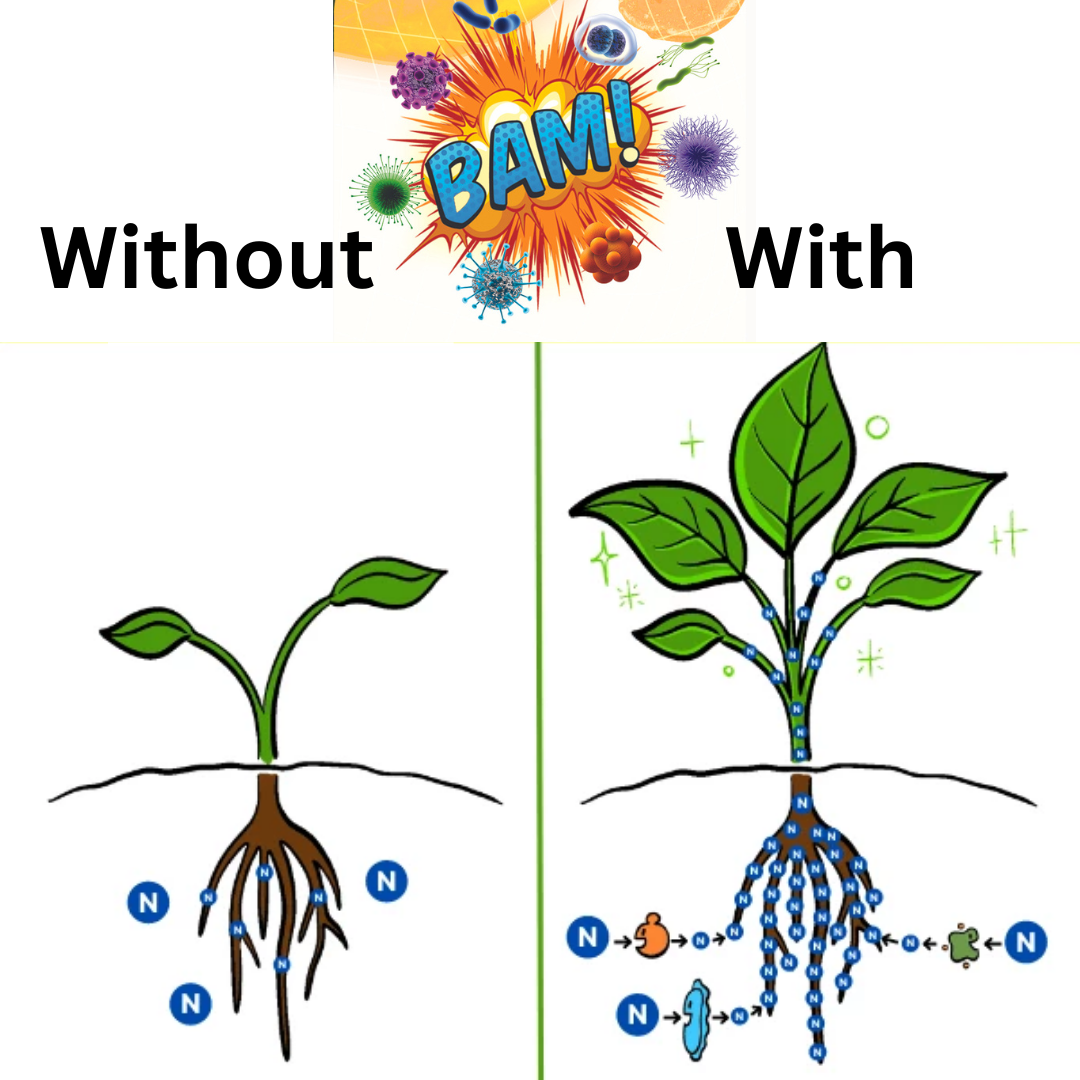
While minerals provide the raw materials, microbes are the "delivery drivers." In organic gardening, the relationship between mineralized water and soil biology is symbiotic.
Beneficial microorganisms, such as those found in BAM (Beneficial Active Microbes), thrive in an environment rich in trace minerals. These microbes break down organic matter and convert minerals into a form that the plant’s roots can easily "sip."
When you combine mineralized water with a high-quality microbial inoculant, you create a "nutrient superhighway." This synergy is the best plant food you can provide in the late summer. It allows the plant to focus its energy on fruit production and defense mechanisms rather than struggling to survive the heat and poor water quality.

How to Optimize Your August Harvest
If you want to see a tangible difference in your harvest this month, follow these scientific best practices for mineralization:
1. Flush the Toxins
Before adding nutrients, ensure your water is free from harmful chemicals. Using an ionic sulfate mineral solution will help precipitate toxins like fluoride and chlorine out of the water, making it safer for both the soil biology and the plant.
2. Consistency is Key
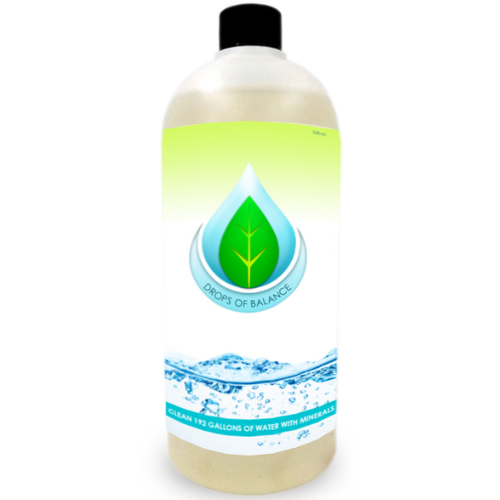
Plants are sensitive to "osmotic shock." Instead of giving them a massive dose of minerals once a week, provide a consistent, low-dose mineralized solution every time you water. This maintains a steady "cation exchange" in the soil, ensuring the plant never hits a nutritional deficit. Check out our 64oz concentrate for an easy way to treat large volumes of water.
3. Foliar Feeding for Immediate Impact
In the heat of August, plants often slow down their root uptake to conserve moisture (a process called transpiration). You can bypass the roots by spraying a diluted mineral solution directly onto the leaves. This "foliar feeding" provides an immediate boost of minerals exactly where the plant is photosynthesizing, leading to a visible increase in vitality and fruit set.
4. Focus on the Finish
In the final two weeks before you plan to harvest a specific crop, ensure it is receiving adequate potassium and magnesium. These minerals are crucial for the "translocation" of sugars from the leaves into the fruit. This is the final step in securing that award-winning flavor.
The Result: Healthier Plants, Healthier People
The benefits of mineralized water extend far beyond the garden gate. When we grow plants that are nutrient-dense and rich in trace minerals, we are creating a better food source for ourselves.
Human health is inextricably linked to plant health. If the minerals aren't in the soil and the water, they aren't in the fruit. By focusing on mineralization in August, you aren't just getting a better-tasting tomato; you are consuming a harvest that is packed with the electrolytes and trace elements your body needs to stay hydrated and healthy during the summer months.
If you are ready to take your gardening to the next level and experience the "August Harvest Secret" for yourself, explore our full range of soil and water solutions. Whether you are a backyard hobbyist or a professional grower, the science remains the same: better water equals a better harvest.
For more information on the safety and efficacy of our mineral solutions, you can view our safety testing data here or contact us with any specific questions about your garden setup.