
The Fall Transition: Prepping Your Garden for the Harvest Moon
Hey there, it’s Mark. As we approach September, there’s a distinct shift in the air. The mornings are a bit crisper, the shadows are getting longer, and that big, beautiful Harvest Moon is just around the corner. For gardeners, this isn’t just a change in the weather; it’s a critical biological pivot point.
Transitioning your garden from the high-heat intensity of summer to the cooling rhythms of fall requires more than just pulling up dead tomato vines. It’s about managing the physiological stress your plants face during temperature swings and ensuring your soil is chemically and biologically prepared for the final harvest and the cool-season crops to come.
At Drops of Balance, we look at this through the lens of water chemistry and mineral availability. Let’s dive into how you can use science-backed methods to prep your garden for the most productive autumn yet.
The Science of the Seasonal Shift
As the photoperiod (day length) shortens, plants begin to shift their energy. Instead of focusing solely on vegetative growth, many are now frantically moving sugars and nutrients into fruits, seeds, or root systems. This process is known as nutrient translocation.
However, this transition period often comes with erratic temperature fluctuations. Highs in the 80s followed by lows in the 40s can cause osmotic stress. When a plant’s internal chemistry is out of balance, its ability to regulate water and nutrient uptake through the xylem and phloem is compromised. This is where the quality of your water and the mineral density of your soil become the deciding factors between a bountiful harvest and a garden that fizzles out early.
Detoxifying Your Irrigation Water
Most gardeners rely on municipal water, which is often treated with chlorine or chloramines to kill pathogens. While great for human safety, these chemicals are "microbe killers" in the garden. As you transition to fall, your soil’s microbial community: the bacteria and fungi that help plants absorb minerals: is your most valuable asset.
Using Drops of Balance allows you to neutralize these harmful additives. Our mineral concentrate uses ionic sulfate minerals to trigger a precipitation reaction, binding to toxins like fluoride, chlorine, and heavy metals, making them inert or pulling them out of the solution.
When you water with purified, mineral-rich water, you aren’t just hydrating the plant; you are protecting the delicate "rhizosphere": the area around the roots where all the magic happens.
Supporting Root Development Under the Waning Moon
The research suggests that during the Harvest Moon and the subsequent waning phase, energy moves downward. This is the optimal time to support root development. Whether you are finishing off root vegetables like carrots and parsnips or planting new fall greens, the "sink" of the plant is in the soil.
To maximize this, we recommend focusing on three key areas:
1. Mineral Priming
Plants require a full spectrum of trace minerals to complete their enzymatic cycles. Most standard fertilizers focus on N-P-K (Nitrogen, Phosphorus, Potassium), but they ignore the 70+ trace elements needed for complex plant health. By adding Drops of Balance to your watering routine at a rate of roughly 0.5 ml per gallon for plants, you provide a buffet of sulfated minerals that help the plant build stronger cell walls and better resist the first light frosts.
2. Microbial Inoculation
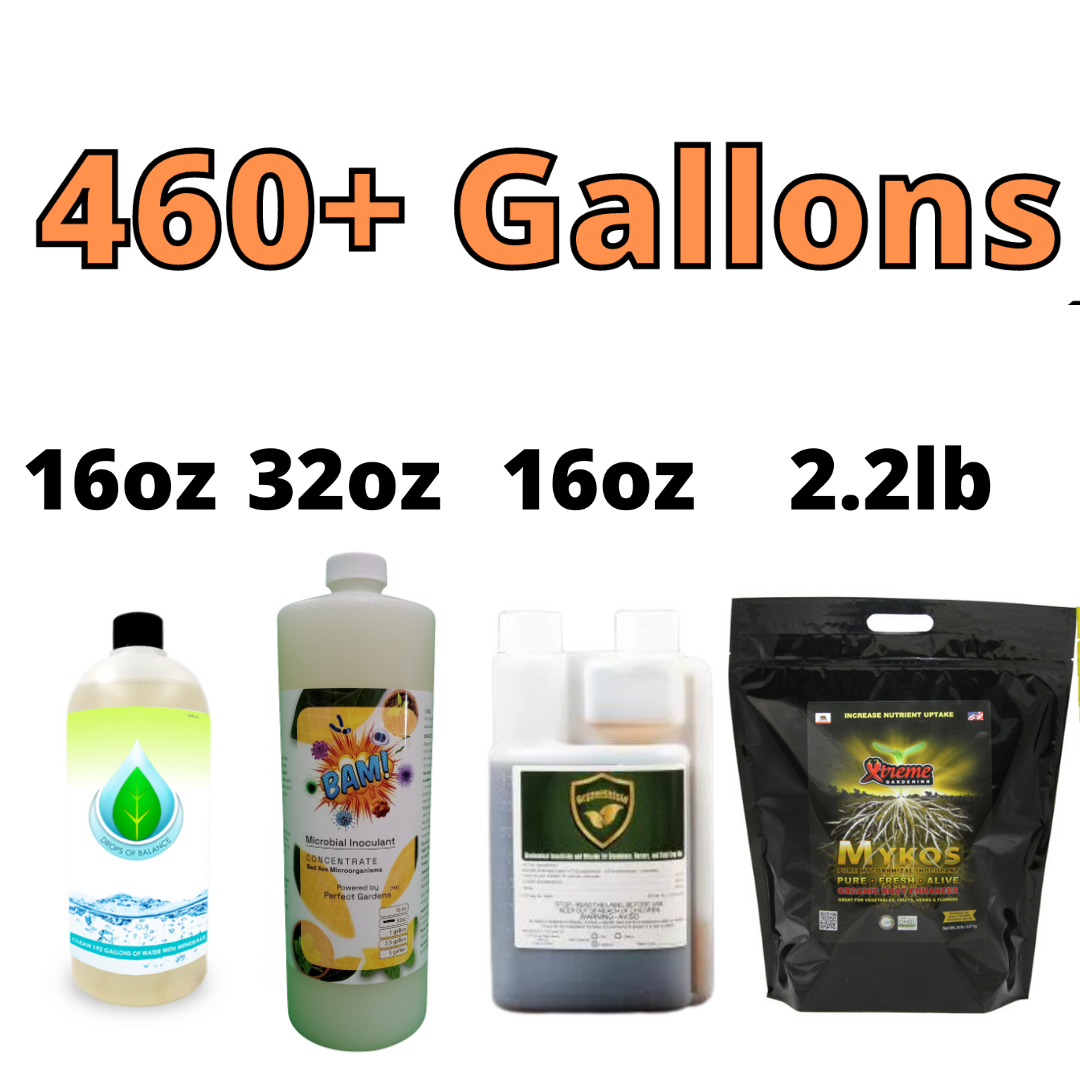
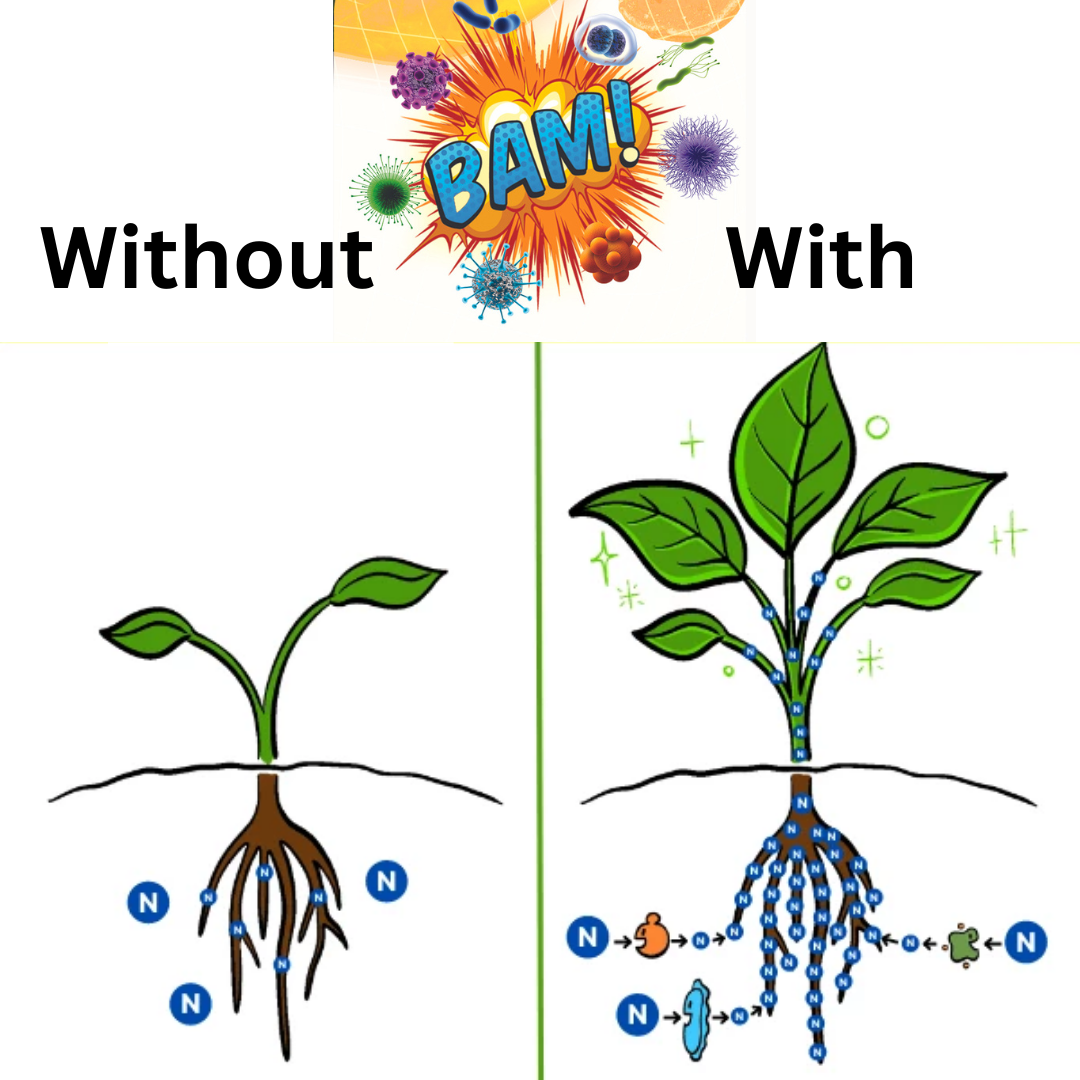
As summer crops come out, the soil can become depleted. If you’re planting cool-season crops like kale, spinach, or garlic, you need to recharge the biology. Our BAM (Beneficial Agriculture Microbes) works synergistically with the mineral concentrate. While the minerals provide the "tools," the microbes are the "workers" that build the soil structure and deliver those tools to the roots.
3. Foliar Feeding for Stress Resilience
Temperature shifts can slow down root uptake. When the soil gets too cold, the plant’s metabolism slows. You can bypass this by foliar spraying. Using a diluted solution of Drops of Balance (about 2 ml per gallon) directly on the leaves helps the plant absorb minerals through the stomata. This provides an immediate boost to the plant’s internal "antifreeze" mechanisms, helping it handle those chilly September nights.
Preparing the Soil for Final Harvests
If you’re still waiting on those late-season peppers or pumpkins to ripen, the goal is to maximize sugar transport. In the world of plant physiology, this is often measured by "Brix" levels. High-Brix plants are more nutrient-dense, taste better, and are significantly more resistant to pests.
Pests often target "weak" plants with high levels of simple sugars and incomplete proteins in their sap. By ensuring your plants have access to the ionic minerals in Drops of Balance, you help them convert those simple sugars into complex carbohydrates and complete proteins. This not only improves the flavor of your Harvest Moon bounty but also acts as a natural form of pest control.

Step-by-Step Fall Transition Checklist
To make things easy, here is the protocol we use at Drops of Balance to get the garden ready for the September shift:
- Clean Up: Remove any summer plants that are diseased or completely spent. Do not compost diseased material, as pathogens can overwinter.
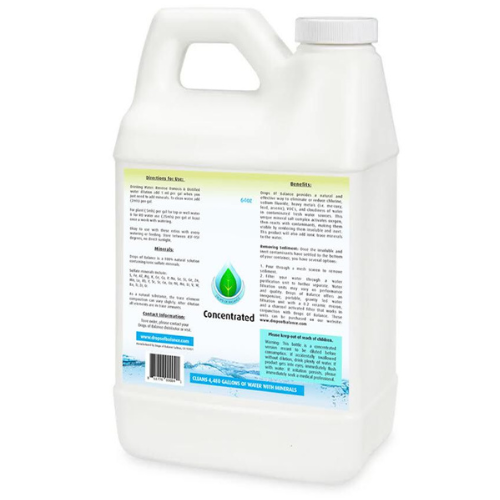
- Hydrate and Purify: Before planting your fall seeds, give the soil a deep soak with water treated with Drops of Balance. This helps flush out any "toxic salt" buildup from summer fertilizers. Check our 64oz bottle for a concentrate that treats up to 7,568 gallons of garden water.
- Mineralize: Apply a soil drench of minerals. This provides the "battery charge" the soil needs to sustain growth as the sun's intensity wanes.
- Inoculate: Use Mykos mycorrhizal inoculant or our BAM solution when transplanting fall starts. This creates a symbiotic relationship that helps the plant find water even as the soil dries out during "Indian Summer" stretches.
- Mulch: Cover the soil with organic matter or PittMoss to regulate soil temperature and keep those microbes active and warm.
Why Minerals Matter More in the Fall
In the summer, plants grow fast. In the fall, they grow dense. The mineral content of the soil determines the density of the fruit. If the soil is mineral-deficient, the plant will produce "hollow" growth that is susceptible to rot and frost damage.
By using a sulfated mineral solution, you are providing sulfur: a key building block for amino acids and vitamins. Sulfur is also essential for the production of oils and aromatics, which is why fall-harvested herbs and brassicas (like broccoli and cauliflower) taste so much more intense when properly mineralized.
Looking Ahead: The Winter Sleep
As the Harvest Moon passes and we move toward the first frost, your goal shifts from production to preservation. The minerals you add now aren't just for this season; they are an investment in next spring. Mineral-heavy soil maintains its biological structure better over the winter, meaning you’ll have less work to do when the ground thaws.
If you’re looking for a complete system to get started, our Recharge collections offer everything you need to balance your water and soil in one go.
Final Thoughts
Gardening is a dance with chemistry and the seasons. By understanding the science of the fall transition: how light, temperature, and minerals interact: you can extend your growing season and improve the quality of your harvest.
Nature is always trying to reach a state of equilibrium. At Drops of Balance, we just provide the tools to help you get there faster. Whether you're a backyard hobbyist or managing a larger plot, remember that healthy water equals healthy soil, and healthy soil equals a healthy you.
Happy harvesting!
For more information on our safety testing and how we ensure our minerals are the purest on the market, visit our Safety Testing page or check out our FAQ.