
The Hidden Effects of Fluoride in Your Water, And How to Remove It Naturally
Most people know fluoride is added to public water supplies to prevent tooth decay, but what many don't realize is that this common additive can have far-reaching effects on both human health and plant growth that extend well beyond dental care. While water fluoridation has been credited with reducing cavities by approximately 25% in children and adults, emerging research suggests we need to take a closer look at both the benefits and potential drawbacks.
Understanding Fluoride: More Than Just Dental Health
Fluoride is a naturally occurring mineral found in soil, water, and many foods. In controlled amounts, it strengthens tooth enamel and prevents dental caries. However, like many substances, the difference between beneficial and harmful effects lies in the dosage and duration of exposure.
The current U.S. Public Health Service recommendation is 0.7 mg/L in drinking water, a level recently reduced for the first time in 53 years based on new scientific evidence. This adjustment reflects growing awareness that even at moderate levels, fluoride may have effects beyond what we initially understood.
The Hidden Health Effects of Fluoride
Neurological Development Concerns
Recent research has revealed potentially concerning effects on brain development. A 2024 comprehensive review by the National Toxicology Program concluded with moderate confidence that fluoride exposure above 1.5 mg/L is associated with lower IQ in children. While this threshold is more than double the current U.S. recommendation, it raises important questions about cumulative exposure from multiple sources.
The neurological effects appear to be most pronounced during critical developmental periods, suggesting that pregnant women and young children may be particularly vulnerable to higher fluoride exposure levels.
Fluorosis: When Protection Becomes Harm
Excessive fluoride exposure leads to fluorosis, which affects both teeth and bones. Dental fluorosis ranges from barely visible white spots to significant staining and pitting of tooth enamel. While moderate to severe fluorosis affects only 1.4 to 1.8% of children and adolescents in the United States, even mild fluorosis indicates that fluoride exposure has exceeded optimal levels.
Skeletal fluorosis, though extremely rare in the U.S., occurs with long-term exposure above 4.0 mg/L and can cause joint stiffness, pain, weakened bones, and increased fracture risk. This condition demonstrates that fluoride accumulates in the body over time, particularly in bone tissue.

Gastrointestinal and Systemic Effects
At higher concentrations, fluoride can cause immediate gastrointestinal distress including nausea, vomiting, and abdominal pain. While these acute effects typically occur only with accidental high-dose exposure, they illustrate fluoride's potential to disrupt normal physiological processes.
Some individuals report increased sensitivity to fluoride even at recommended levels, experiencing symptoms like headaches, fatigue, and digestive issues. While these effects aren't universally documented in clinical studies, they highlight the importance of individual variation in fluoride tolerance.
Fluoride's Impact on Plant Health and Growth
Plants are particularly sensitive to fluoride exposure, and the effects on vegetation are often more immediately visible than human health impacts. Understanding these effects is crucial for gardeners and anyone interested in optimal plant nutrition.
Cellular Damage and Growth Inhibition
Fluoride interferes with plant metabolism at the cellular level, disrupting enzyme function and inhibiting photosynthesis. Even relatively low concentrations can cause leaf burn, characterized by brown or yellow edges on leaves, particularly in sensitive species like grapes, citrus, and many ornamental plants.
The mineral also affects root development, reducing the plant's ability to absorb water and nutrients from soil. This leads to stunted growth, reduced yield, and increased susceptibility to environmental stresses like drought or temperature fluctuations.
Soil Microbiome Disruption
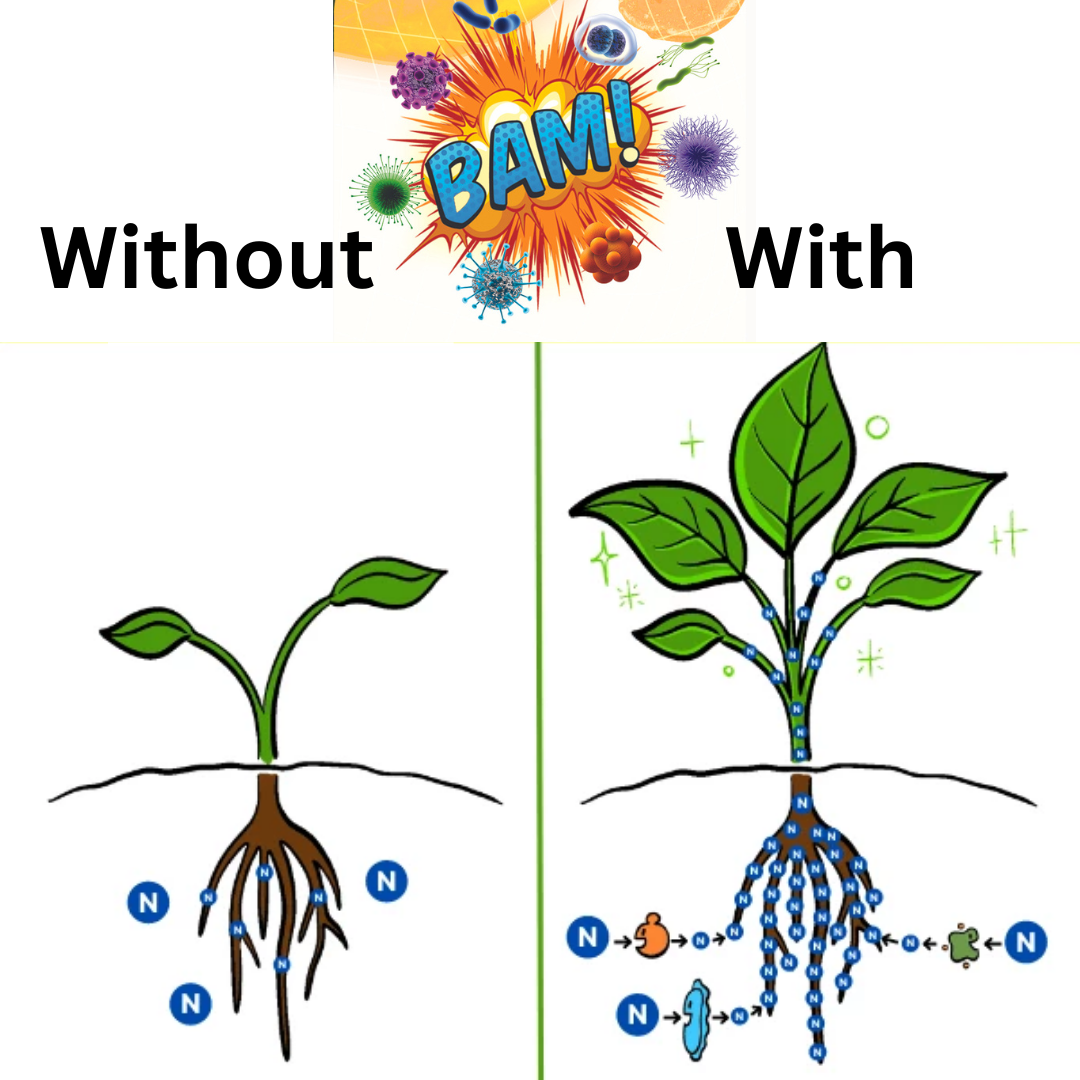
Perhaps most importantly, fluoride negatively impacts beneficial soil microorganisms that plants depend on for nutrient cycling and disease resistance. These microbes help convert organic matter into forms plants can absorb and create symbiotic relationships with root systems that enhance overall plant health.
When soil microbes are compromised by fluoride exposure, the entire soil ecosystem becomes less resilient and productive. This creates a cascading effect that reduces plant vigor and makes crops more dependent on external fertilizers and pest control measures.
Nutrient Absorption Interference
Fluoride can also interfere with plants' ability to absorb essential minerals like calcium, magnesium, and iron. This creates nutrient deficiencies even when these minerals are present in adequate amounts in the soil, leading to symptoms like chlorosis (yellowing leaves), poor fruit development, and increased vulnerability to diseases.
Natural Methods to Reduce Fluoride Exposure
Understanding Your Water Source
The first step in addressing fluoride concerns is understanding your current exposure level. Municipal water supplies typically maintain fluoride levels around 0.7 mg/L, but concentrations can vary. Well water may contain naturally occurring fluoride at much higher levels: sometimes exceeding safe drinking water standards.
Private water testing can reveal not only fluoride levels but also other contaminants that may compound health concerns. Many areas with high natural fluoride also have elevated levels of other minerals that affect water quality and taste.
Dietary Considerations
Reducing fluoride intake involves more than just addressing drinking water. Fluoride is present in many processed foods, particularly those made with fluoridated water, and in beverages like tea and coffee. Choosing organic foods and beverages when possible can help minimize cumulative exposure.
Certain nutrients may help the body process fluoride more effectively. Adequate calcium, magnesium, and vitamin C intake appears to offer some protective effects, while iodine sufficiency is particularly important since fluoride can interfere with thyroid function.
The Drops of Balance Solution
Drops of Balance offers a natural approach to addressing fluoride concerns while simultaneously improving water quality for both drinking and plant irrigation. This concentrated mineral solution works through a unique process that binds to and neutralizes fluoride and other water contaminants.
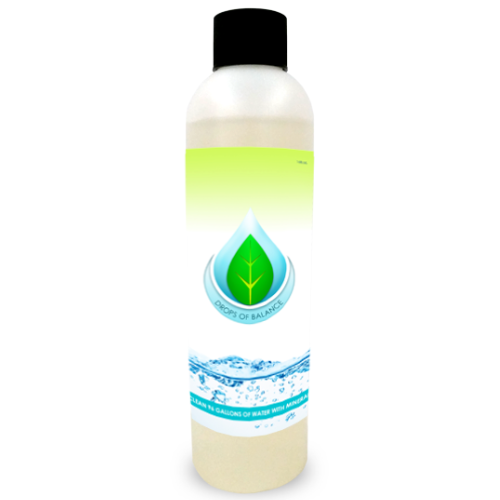
Unlike expensive filtration systems that strip all minerals from water, Drops of Balance removes harmful substances while adding back essential trace minerals that both humans and plants need for optimal health. This creates water that's not only safer but more nutritionally beneficial than standard tap or filtered water.
How the Natural Removal Process Works
The mineral complex in Drops of Balance utilizes a selective binding process that targets harmful compounds like fluoride, chlorine, and heavy metals while preserving beneficial minerals. This process mimics natural geological filtration but achieves results much more rapidly and efficiently.
For drinking water, just a few drops per gallon transforms potentially harmful tap water into clean, mineralized water that supports proper hydration and cellular function. The same process works for plant irrigation, creating water that supports healthy soil microbes and optimal nutrient uptake.
Practical Implementation for Health and Gardens
For Drinking Water
Using Drops of Balance for drinking water is straightforward and cost-effective. The recommended dosage of 2.5 ml per gallon treats standard tap water, while distilled or reverse osmosis water requires only half that amount since it's primarily adding minerals rather than removing contaminants.
The treated water has a clean, fresh taste without the chemical aftertaste often associated with fluoridated tap water. Many users report improved energy levels and better hydration, likely due to the addition of bioavailable trace minerals that support cellular function.
For Plant Care
Plants show rapid improvement when watered with treated water. The removal of fluoride and chlorine allows soil microbes to flourish, while the added trace minerals support robust growth and disease resistance. Even houseplants benefit significantly from this simple water treatment.
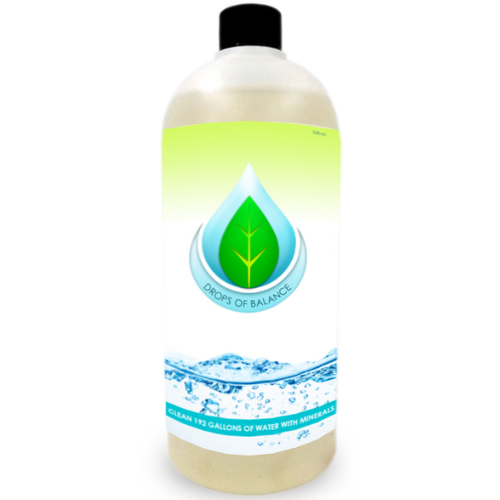
For larger gardens or agricultural applications, concentrated versions provide economical treatment for substantial water volumes. The investment in water treatment typically pays for itself through improved plant health, reduced need for fertilizers, and better crop yields.
Making an Informed Decision
While fluoride at recommended levels provides documented dental benefits, the emerging evidence about potential health and environmental effects suggests that many people may benefit from reducing their overall fluoride exposure. The key is finding solutions that address concerns without creating new problems.
Natural water treatment with mineral solutions like Drops of Balance offers a balanced approach that maintains the benefits of mineralized water while removing potentially harmful compounds. This strategy supports both human health and environmental stewardship by creating truly clean, nutritious water for all uses.
Understanding fluoride's hidden effects empowers you to make informed decisions about your family's water quality and your garden's health. Whether you're concerned about neurological development, plant growth, or simply want the cleanest possible water, natural treatment solutions provide effective alternatives to expensive filtration systems or potentially harmful chemical exposure.