
Why Purifying Water Is the Most Overlooked Step in Plant Care
In the world of plant care, gardeners meticulously research soil composition, lighting requirements, and fertilization schedules. Yet one of the most fundamental elements: water quality: remains largely ignored. While tap water appears clean and suitable for irrigation, it contains numerous chemical compounds that systematically compromise plant health, soil biology, and nutrient absorption. This oversight represents a critical gap in horticultural practices that can be easily addressed through proper water purification protocols.
The Chemical Reality of Municipal Water Systems
Municipal water treatment facilities prioritize human safety over plant health, introducing chemicals that serve their intended purpose for drinking water but create significant challenges for botanical applications. Chlorine concentrations typically range from 0.2 to 4.0 parts per million (ppm) in treated water, while fluoride levels can reach 0.7 to 1.2 ppm. These concentrations, though considered safe for human consumption, can disrupt delicate plant cellular processes and soil ecosystems.
The chemical composition extends beyond these primary disinfectants. Heavy metals including lead, copper, and aluminum may leach from aging infrastructure, while agricultural runoff contributes nitrates, phosphates, and pesticide residues to source water. These contaminants create a complex mixture that interferes with plant metabolism at the cellular level.

Impact on Soil Microbiology
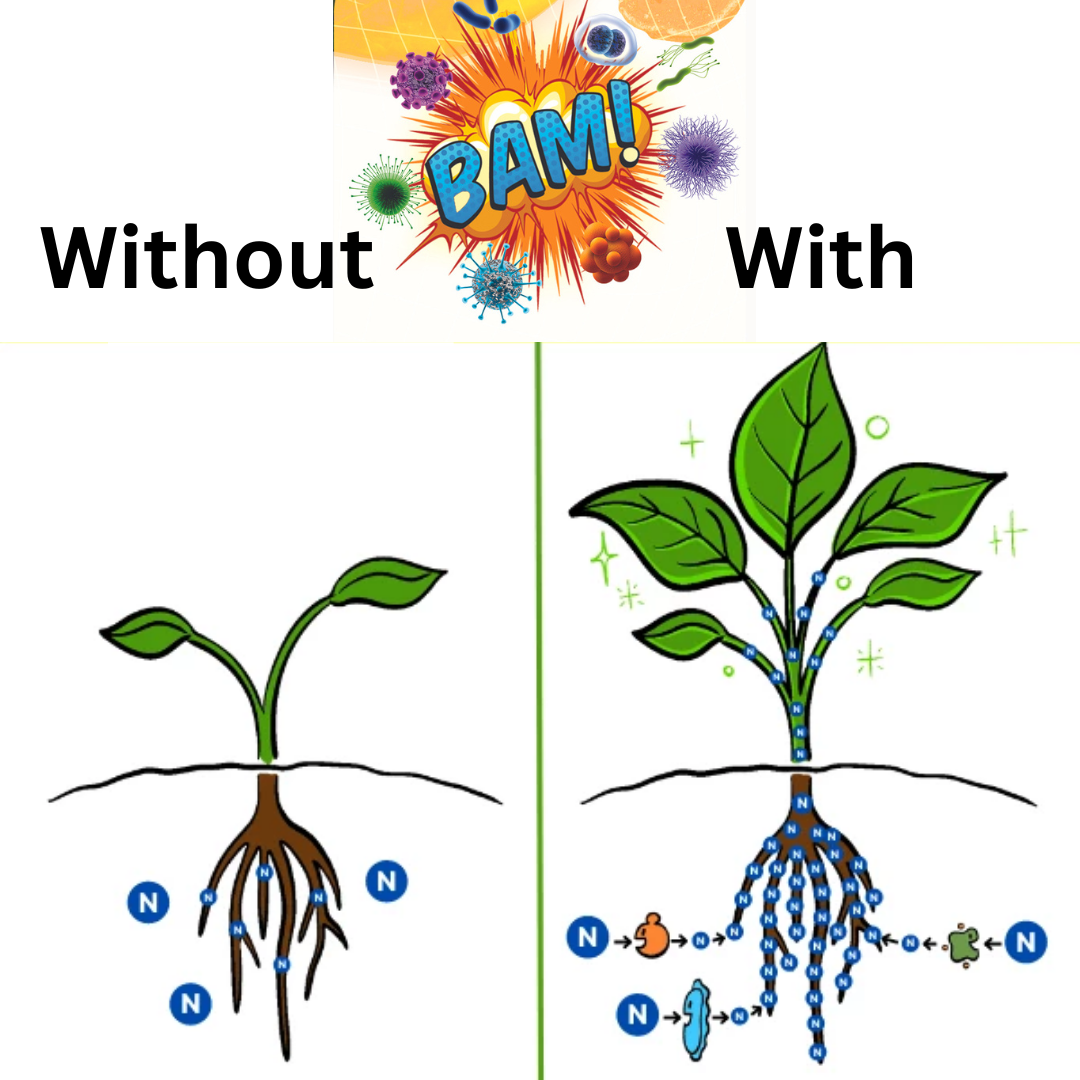
Soil microorganisms form the foundation of healthy plant ecosystems, facilitating nutrient cycling, disease resistance, and root development. Chlorinated water significantly disrupts this delicate microbial balance through its antimicrobial properties. Research demonstrates that chlorine exposure reduces beneficial bacterial populations by 30-50% within 24 hours of application, creating an environment where pathogenic organisms can establish dominance.
The mycorrhizal fungi that form symbiotic relationships with plant roots are particularly vulnerable to chemical disruption. These organisms extend the effective root surface area by up to 100 times, dramatically improving water and nutrient uptake efficiency. When exposed to chlorinated water, mycorrhizal networks experience cellular damage and reduced colonization rates, leading to compromised plant nutrition and stress tolerance.
Root Health Deterioration
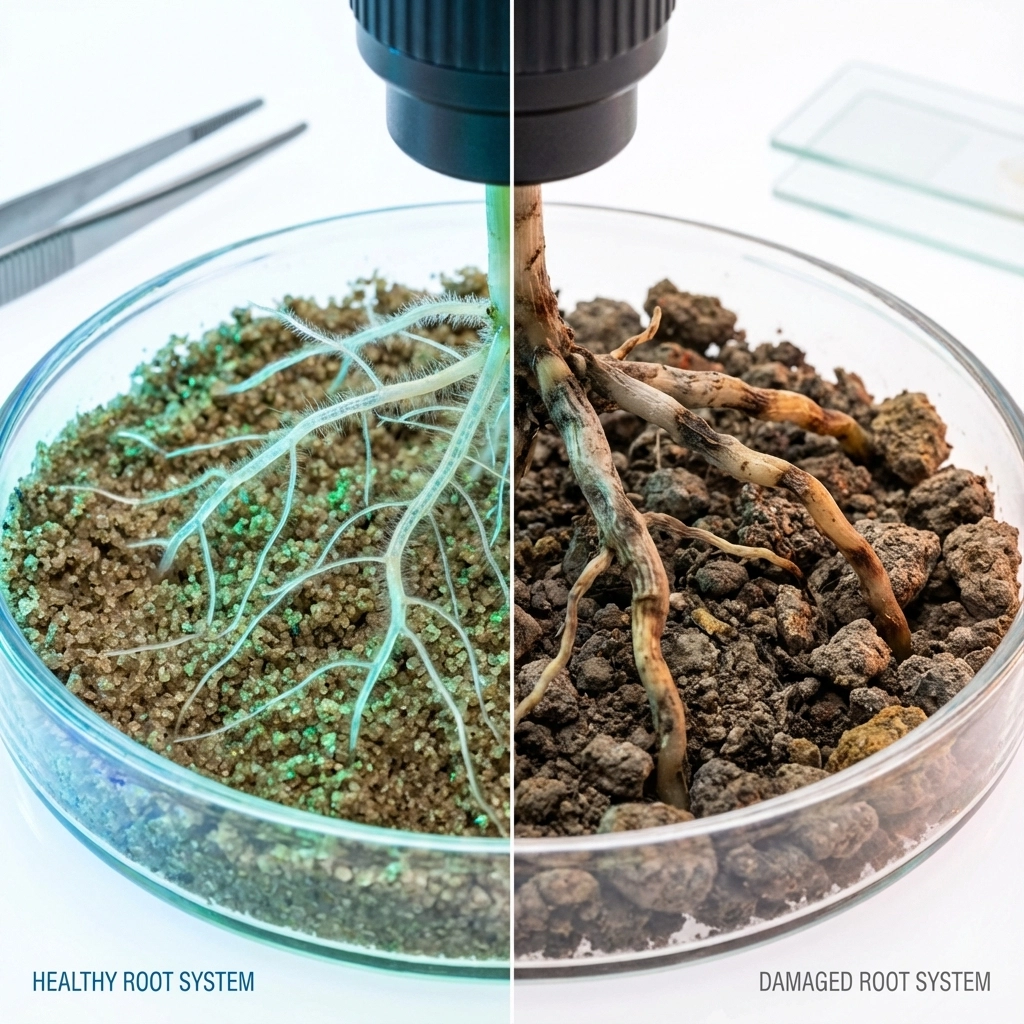
Plant root systems represent the primary interface between the organism and its environment, making them particularly susceptible to water quality issues. Fluoride accumulation in root tissues can reach concentrations 10-100 times higher than in aerial plant parts, causing cellular damage and reduced metabolic efficiency. This accumulation manifests as browning root tips, reduced lateral root development, and compromised nutrient transport capacity.
Chlorine exposure creates oxidative stress within root cells, damaging membrane integrity and reducing the plant's ability to regulate water and nutrient uptake. The resulting cellular dysfunction leads to increased susceptibility to root rot pathogens and reduced overall plant vigor. Studies show that plants irrigated with chlorinated water exhibit 20-30% reduced root biomass compared to those receiving purified water.
Compromised Nutrient Uptake Mechanisms
The presence of chemical contaminants in irrigation water directly interferes with nutrient absorption processes. Chlorine disrupts the electrical gradients across cell membranes that drive active transport mechanisms, reducing the plant's ability to uptake essential minerals even when they're present in adequate concentrations in the growing medium.
Heavy metals present in untreated water can bind with essential nutrients, forming complexes that are unavailable for plant uptake. For example, lead can interfere with iron absorption, while copper excess can prevent proper zinc utilization. This creates apparent nutrient deficiencies despite adequate fertilization, leading gardeners to apply increasingly concentrated nutrients that may exacerbate soil chemistry imbalances.
The pH Disruption Factor
Municipal water pH levels frequently fall outside the optimal range for most cultivated plants, which prefer slightly acidic to neutral conditions (6.0-7.0 pH). Alkaline water with pH levels above 8.0 can cause nutrient lockout, particularly affecting iron, manganese, and phosphorus availability. This creates a cascade effect where plants exhibit deficiency symptoms despite adequate nutrient presence in the root zone.
The buffering capacity of treated water also presents challenges for hydroponic and container growing systems where precise pH control is essential. Chemical additives in municipal water can resist pH adjustment attempts, making it difficult to maintain optimal growing conditions without extensive modification.
Why Water Purification Gets Overlooked
The oversight of water quality in plant care stems from several cognitive and practical factors. Unlike visible issues such as pest damage or nutrient deficiencies, water quality problems develop gradually and manifest as general decline rather than specific symptoms. This makes it difficult for gardeners to establish a direct connection between water quality and plant performance.
Additionally, the focus on other aspects of plant care: lighting, soil amendments, and fertilization: often overshadows water quality considerations. The assumption that "clean" municipal water is suitable for plants persists because the chemical composition remains invisible to casual observation.
The Solution: Targeted Water Purification
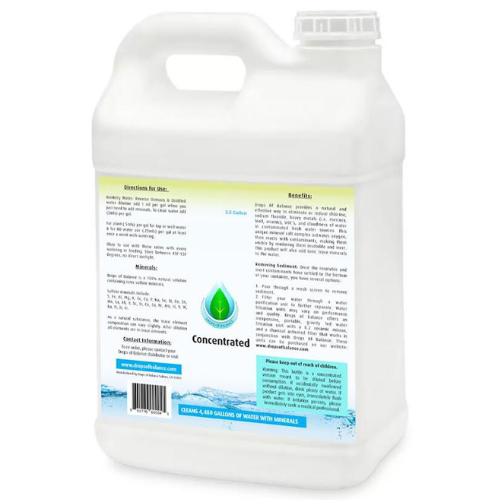
Effective water treatment for plant applications requires removal of harmful chemicals while preserving or adding beneficial minerals essential for plant health. Drops of Balance provides a scientifically formulated solution that addresses these dual requirements through a concentrated mineral complex designed specifically for both human and plant applications.
The product works by neutralizing chlorine and fluoride while introducing a balanced spectrum of trace minerals including sulfur, magnesium, and potassium that support optimal plant metabolism. This approach differs from simple filtration methods that may remove both harmful and beneficial compounds, creating "empty" water that requires remineralization.

Scientific Evidence and Application Protocols
Laboratory testing demonstrates that water treated with Drops of Balance shows significant improvements in plant performance metrics. Treated plants exhibit enhanced root development, increased chlorophyll content, and improved resistance to environmental stresses compared to controls receiving untreated municipal water.
The treatment protocol involves adding the concentrate at specific ratios depending on water source and intended use. For standard tap water treatment, the recommended ratio provides effective contaminant neutralization while optimizing mineral content for plant uptake. The concentrated format allows for cost-effective treatment of large volumes, making it practical for both home gardeners and commercial applications.
Implementation in Growing Systems
Water purification should be integrated as a standard practice in all plant care protocols, from seedling propagation through mature plant maintenance. The treatment process requires minimal time investment while providing substantial improvements in plant health and productivity.
For hydroponic systems, purified water creates a stable foundation for nutrient solutions, improving pH control and reducing the need for frequent adjustments. Soil-based growing benefits from enhanced microbial activity and improved nutrient cycling when irrigation water is properly treated.
The overlooked step of water purification represents one of the highest-impact improvements available to plant cultivators. By addressing the fundamental quality of irrigation water through targeted treatment protocols, gardeners can unlock significant improvements in plant health, growth rates, and overall productivity while supporting the complex biological systems that sustain healthy plant development.