
The Science of Sulfated Trace Minerals: Why They Matter for Plant Absorption and Human Health
When we talk about health: whether it’s the health of our bodies or the vitality of our gardens: we often focus on the big players. For humans, it’s calories, proteins, and vitamins. For plants, it’s the classic N-P-K (Nitrogen, Phosphorus, and Potassium). But there is a hidden layer of nutrition that acts as the "operating system" for biological life: trace minerals.
Specifically, we are talking about sulfated trace minerals. While the word "sulfated" might sound like a complex laboratory term, it actually describes one of the most bioavailable and effective ways for living organisms to absorb essential elements.
In this deep dive, we’ll explore the chemistry of sulfated minerals, why they are the answer to the question "what do plants need to grow?", and how they bridge the gap between water treatment and total wellness.
Understanding the Chemistry: What is a "Sulfated" Mineral?
At a molecular level, minerals don’t just exist as pure metals floating in water. They are usually bonded to another molecule. A "sulfated" mineral is a mineral (like Zinc, Iron, or Copper) that is bonded to a sulfate group ($SO_4$).
The magic lies in the ionic bond. Sulfated trace minerals possess relatively weak ionic bonds. While "weak" sounds like a negative, in chemistry and biology, it’s a superpower. Because the bond is weak, these minerals dissociate: or break apart: very easily when they encounter moisture.
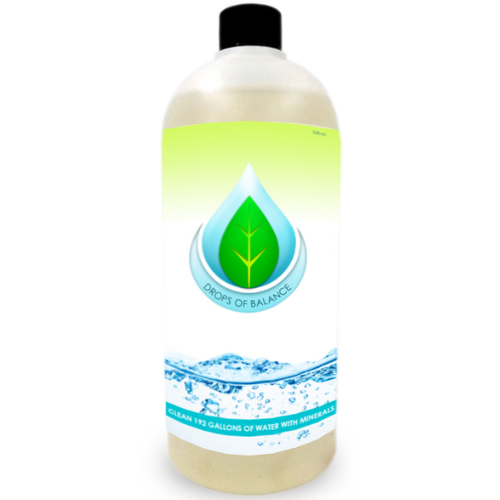
When you add Drops of Balance to your water, those minerals are instantly ready for action. They release free metal ions that are highly reactive and ready to be taken up by a plant’s root system or a human’s digestive tract.
Solubility vs. Availability
Many cheap supplements or fertilizers use mineral oxides. Oxides are incredibly stable, meaning they don't break down easily in water. If a mineral doesn't dissolve, it can't be absorbed. It simply passes through the system or sits in the soil as "locked" nutrition. Sulfated minerals are highly soluble, ensuring that the nutrition you pay for actually reaches its destination.
Plant Nutrition: Solving the "Missing Link"
If you’ve ever wondered why your plants look stunted despite using organic fertilizer, the answer is likely a lack of trace minerals. When considering what do plants need to grow, we have to look beyond the "Big Three" (N-P-K).
Plants require dozens of micro-elements to complete their metabolic cycles. For example:
- Manganese: Essential for photosynthesis and nitrogen metabolism.
- Zinc: Crucial for hormone production and internode elongation.
- Copper: Vital for lignin synthesis and cell wall strength.
The Problem with Modern Water
Most gardeners use municipal tap water. This water is often treated with chlorine, chloramine, and fluoride. These chemicals don't just kill "bad" bacteria; they create a toxic environment that prevents plants from absorbing nutrients. This is often referred to as "nutrient lockout."
By treating your garden water with a sulfated mineral solution, you aren't just adding food; you are cleaning the medium. The minerals in Drops of Balance help to neutralize harmful contaminants, allowing the trace minerals for plants to become bioavailable once again.
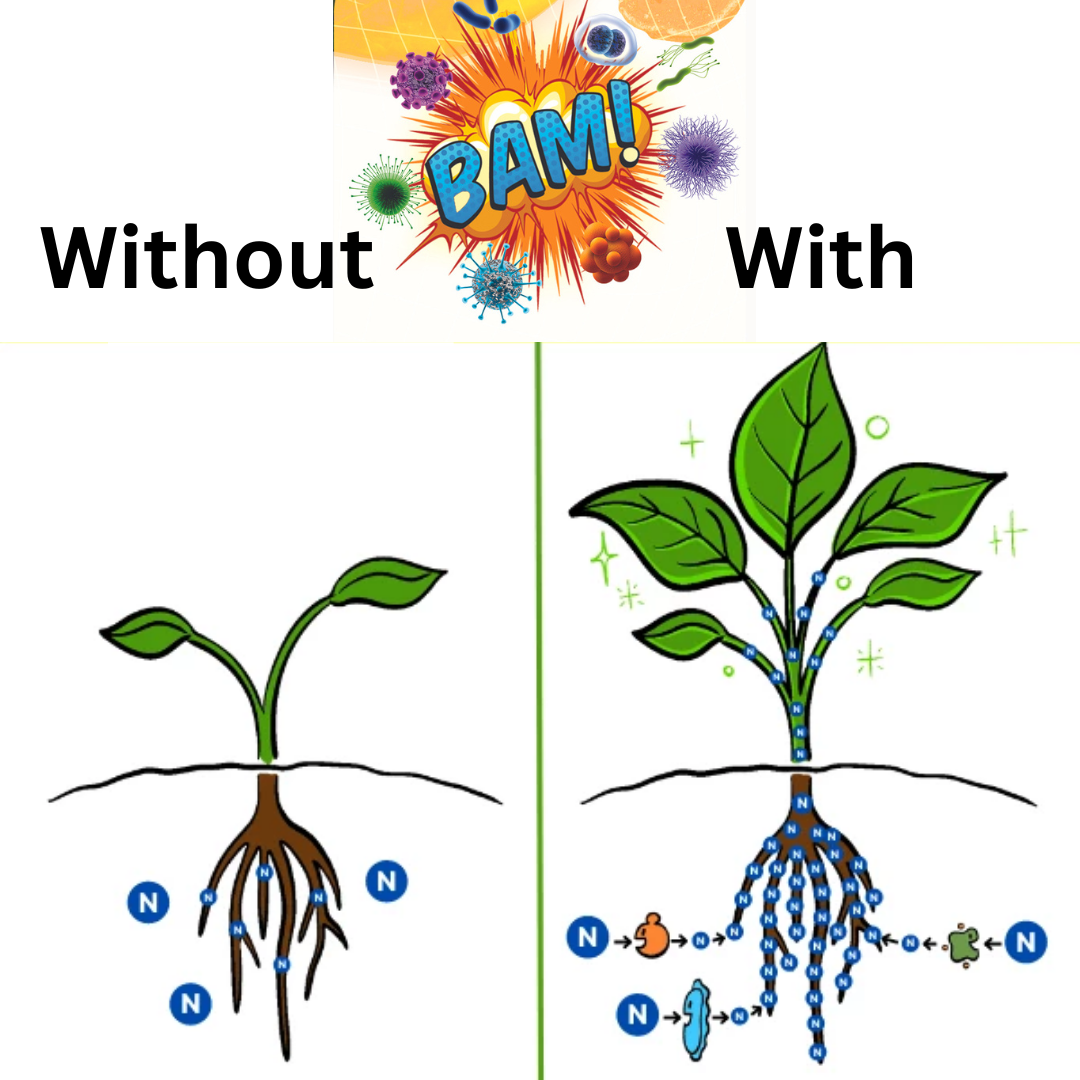
As seen in our BAM trial photos, the difference between a plant receiving standard nutrition and one receiving mineral-rich, treated water is staggering. The treated plants exhibit larger leaf surface areas, thicker stems, and a more robust resistance to pests.
The Synergy of Minerals and Microbes
In the soil, minerals don’t work alone. They work in tandem with beneficial bacteria and fungi. This is where BAM (Beneficial Agricultural Microbes) comes into play.
Microbes act as the "delivery drivers" for minerals. They break down organic matter and chelate minerals, making them even easier for roots to pull in. However, microbes themselves need minerals to survive. By providing a sulfated mineral base, you are essentially "fertilizing the fertilizers."
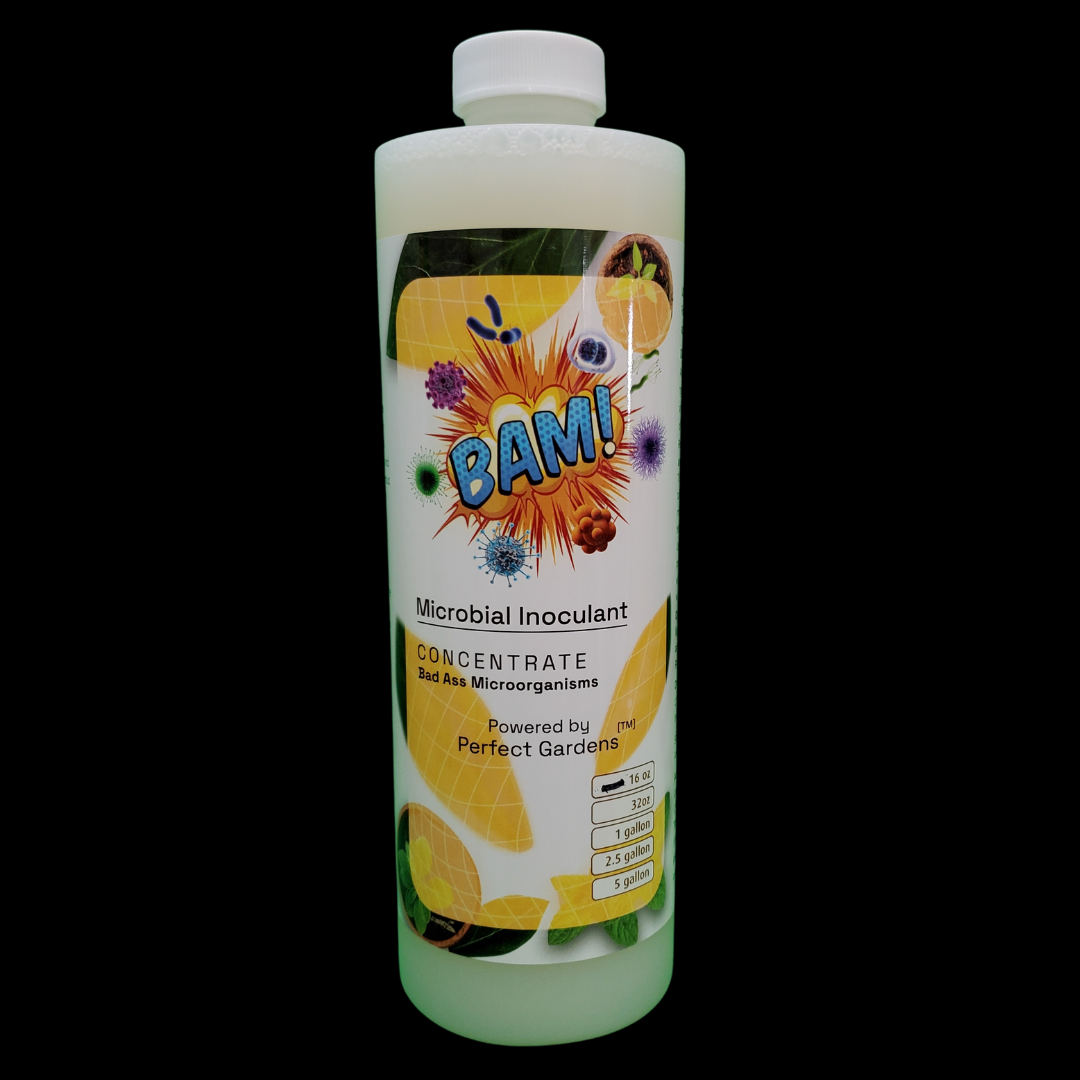
When you use the BAM 32 oz Microbial Inoculant, you are introducing a workforce that thrives in the presence of the trace minerals provided by our concentrate. This synergy is the secret to professional-grade plant nutrition.
Why Sulfated Minerals Matter for Human Health
The transition from soil health to human health is more direct than most people realize. We are, quite literally, what we eat: and what we drink.
Most modern water filtration methods, like Reverse Osmosis (RO) or Distillation, are excellent at removing toxins. However, they also remove every single beneficial mineral. This results in "empty" or "hungry" water. When you drink demineralized water, it can actually leach minerals from your body to find balance.
The Role of Sulfate in Detoxification
Beyond the minerals themselves (the Zinc, Magnesium, etc.), the sulfate part of the molecule is vital. In humans, sulfate is essential for:
- Liver Detoxification: The liver uses sulfate to bind to toxins (like acetaminophen or environmental pollutants) to make them water-soluble so they can be excreted.
- Joint Health: Sulfate is a key component of chondroitin and glucosamine, the building blocks of healthy cartilage.
- Gut Integrity: It supports the mucus lining of the digestive tract.
Adding Drops of Balance back into your drinking water transforms it from a simple liquid into a functional electrolyte solution.
Bridging the Gap: From Tap Water to Living Water
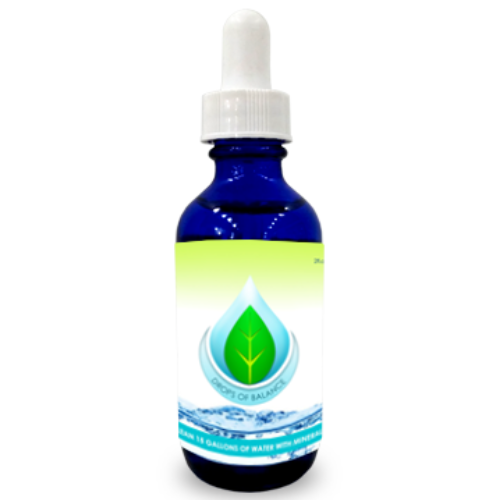
Whether you are looking at a 2 oz dropper bottle for your daily water intake or a 1 gallon concentrate for a large-scale garden, the goal is the same: restoring the natural balance of water.
How to Apply the Science
To get the most out of your minerals, follow these scientifically-backed ratios:
- For Personal Drinking Water: Add 1.25 ml per gallon to RO or Distilled water to remineralize. If using tap water, use 2.5 ml per gallon to help clean and neutralize toxins.
- For Plant Nutrition: Use 0.5 ml per gallon of tap water to prep it for your garden. This ensures the trace minerals for plants are available and the "junk" in the water is neutralized before it hits your soil.
- Foliar Spraying: Add 2 ml per gallon. Applying sulfated minerals directly to the leaves is one of the fastest ways to correct a nutrient deficiency, as the minerals can enter the stomata directly.
Caption: Real plant comparison showing growth differences associated with mineral-rich, treated water.
The Results: Real World Trials
We don't just rely on theory. Our users have consistently reported that using sulfated minerals leads to:
- Increased Brix Levels: A higher sugar content in fruits and vegetables, leading to better taste and longer shelf life.
- Improved Resistance: Plants that have a full spectrum of trace minerals develop a "thicker" immune system, making them less attractive to aphids and mites.
- Better Human Energy: Proper mineralization supports mitochondrial function, leading to more consistent energy levels throughout the day.
Final Thoughts: The Balance of Life
The science of sulfated trace minerals is a reminder that the smallest things often have the biggest impact. By understanding the need for solubility and the role of sulfate in both plant and human biology, we can make better choices for our health and our environment.
If you’re ready to see what your garden (or your body) is truly capable of, it’s time to move beyond basic hydration and into the world of mineral balance.
Explore our full range of solutions, from the 32 oz BAM for your soil to our 16 oz Mineral Concentrate for your home.
For more tips on optimizing your garden, check out our previous guide on Unlocking Your Garden’s Full Potential.