
The Secret to a Greener Spring: Fall Lawn Mineralization
As the heat of summer begins to fade and the first hints of autumn crispness enter the air, most homeowners are thinking about raking leaves or putting their garden tools away for the season. However, if you are looking for that elusive, vibrant, "golf-course green" lawn come April, the most important work happens right now.
In the professional turf management and regenerative agriculture world, we don't just talk about feeding the grass; we talk about mineralization. While the average person reaches for a high-nitrogen "winterizer" fertilizer, those in the know focus on the biological and mineral foundations of the soil.
September 10th is often cited as the "sweet spot" for fall lawn care. Why? Because while the top-growth of your grass is slowing down, the underground systems are moving into high gear. This is the season of the root.
The Biological Shift: Why Fall is for Roots
As the photoperiod (daylight) shortens and temperatures drop, cool-season grasses undergo a physiological shift. Instead of pouring energy into vertical blade growth, which requires immense amounts of nitrogen and water, the plant begins to redirect its carbohydrate reserves downward.
During this period, the grass is preparing for dormancy. Think of it like a bear bulking up for hibernation. The grass needs to store energy in its crown and root system to survive the freezing temperatures of winter and have enough "fuel" to explode out of the gate when the ground thaws.
If you provide the right minerals during this window, you aren't just helping the grass survive; you are building a "survival bank account" that pays out in deep, lush green dividends in the spring.
Mineralization vs. Traditional Fertilization
Most commercial fertilizers focus on the "Big Three": Nitrogen, Phosphorus, and Potassium (N-P-K). While these are essential, they are the "macro" requirements. Traditional fertilization often ignores the 70+ trace minerals that act as the catalysts for biological life.
Mineralization is the process of reintroducing these ionic trace minerals into the soil profile. These minerals are the building blocks of enzymes and vitamins within the plant. Without trace minerals, the plant’s metabolism slows down, its immune system weakens, and it becomes more susceptible to winter kill and spring pathogens.
By applying a mineral-rich solution like Drops of Balance in the fall, you are providing the soil with the essential elements needed to facilitate complex biochemical reactions.
The Role of Potassium and Sulfate Minerals
In a fall mineralization program, two elements take center stage: Potassium and Sulfate-based minerals.
- Potassium (K): This mineral is often called the "antifreeze" of the plant world. It regulates the osmotic pressure within the plant cells, strengthening cell walls and preventing the formation of ice crystals that can rupture the cell.
- Sulfate Minerals: Sulfur is a key component of amino acids. When minerals are in a sulfate form, they are more readily available for plant uptake.
The Hidden Obstacle: Your Tap Water
Most people don't realize that the very act of "watering in" their fall amendments might be sabotaging their results. Most municipal tap water is treated with chlorine or chloramines to kill bacteria. While this is great for public safety, it is devastating for soil health.
The soil is a living organism, home to billions of beneficial microbes that break down minerals and feed them to the roots. When you drench your lawn with chlorinated water, you are effectively "sterilizing" the top layer of soil, killing the very microbes you need for a healthy spring green-up.
This is where a water treatment solution becomes vital. Using Drops of Balance to neutralize toxins like chlorine, chloramines, and fluoride ensures that your soil remains a thriving ecosystem.

Building the Root System: The Phosphorus Connection
Phosphorus is the engine of root development. In the fall, a healthy supply of phosphorus (combined with mycorrhizal fungi) allows the grass to push roots deeper into the soil profile.
Deeper roots mean:
- Better Drought Resistance: Roots can reach moisture deeper in the earth during dry spells.
- Greater Nutrient Surface Area: More roots mean more "straws" in the ground to pull up minerals.
- Earlier Spring Wake-up: Because the root system is established, the plant can begin pulling nutrients as soon as the soil hits 40-50 degrees Fahrenheit.
Research shows that fall-fertilized lawns can maintain their green color and achieve full spring density 2 to 6 weeks earlier than lawns that were only treated in the spring.
The Microbial Synergy: Enter BAM!
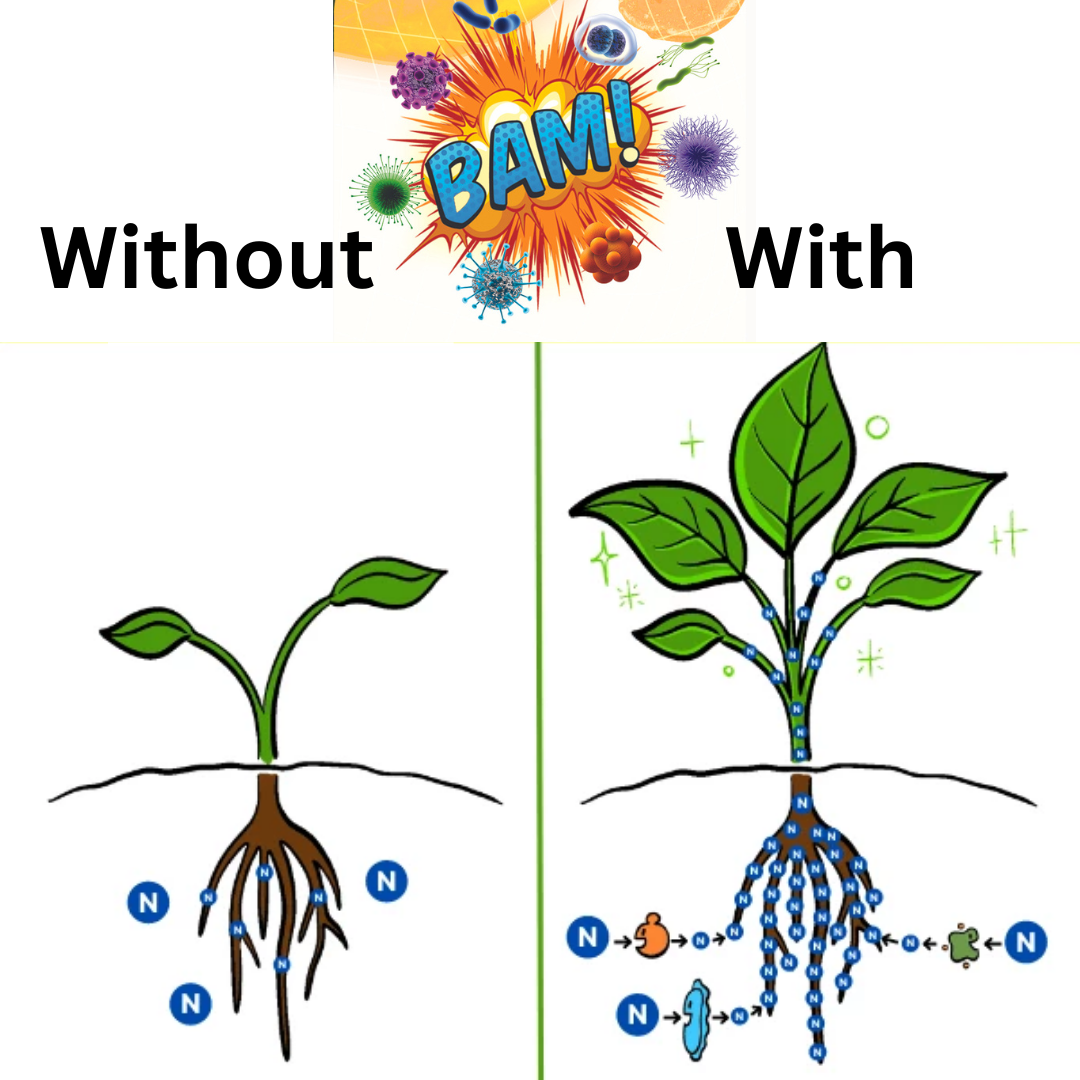
Minerals are only half of the equation. For minerals to be truly "bio-available," they need to be processed by microorganisms. This is why we recommend combining a mineral application with a microbial inoculant like BAM (Beneficial Microorganisms).
BAM consists of a proprietary blend of beneficial bacteria and fungi that act as the "digestive system" of the soil. When you apply BAM along with trace minerals, the microbes go to work immediately, breaking down organic matter and chelation minerals so the roots can absorb them during the critical autumn window.

Your Fall Mineralization Protocol
If you're ready to set the stage for a legendary spring lawn, follow this professional-grade protocol starting around September 10th:
1. Aerate the Soil
Before applying anything, consider core aeration. This reduces soil compaction and allows oxygen, water, and minerals to penetrate deep into the root zone where they are needed most.
2. Treat Your Water
Before mixing any nutrients, ensure your water is clean. Use Drops of Balance concentrate to remove harmful chemicals from your tap water. This ensures you aren't killing the beneficial microbes you're about to add.
3. Apply Trace Minerals
Using a sprayer or a fertigation system, apply an ionic mineral solution. Focus on products that offer a broad spectrum of minerals rather than just a high-nitrogen mix. You can find comprehensive mineral solutions in our frontpage collection.
4. Inoculate with BAM
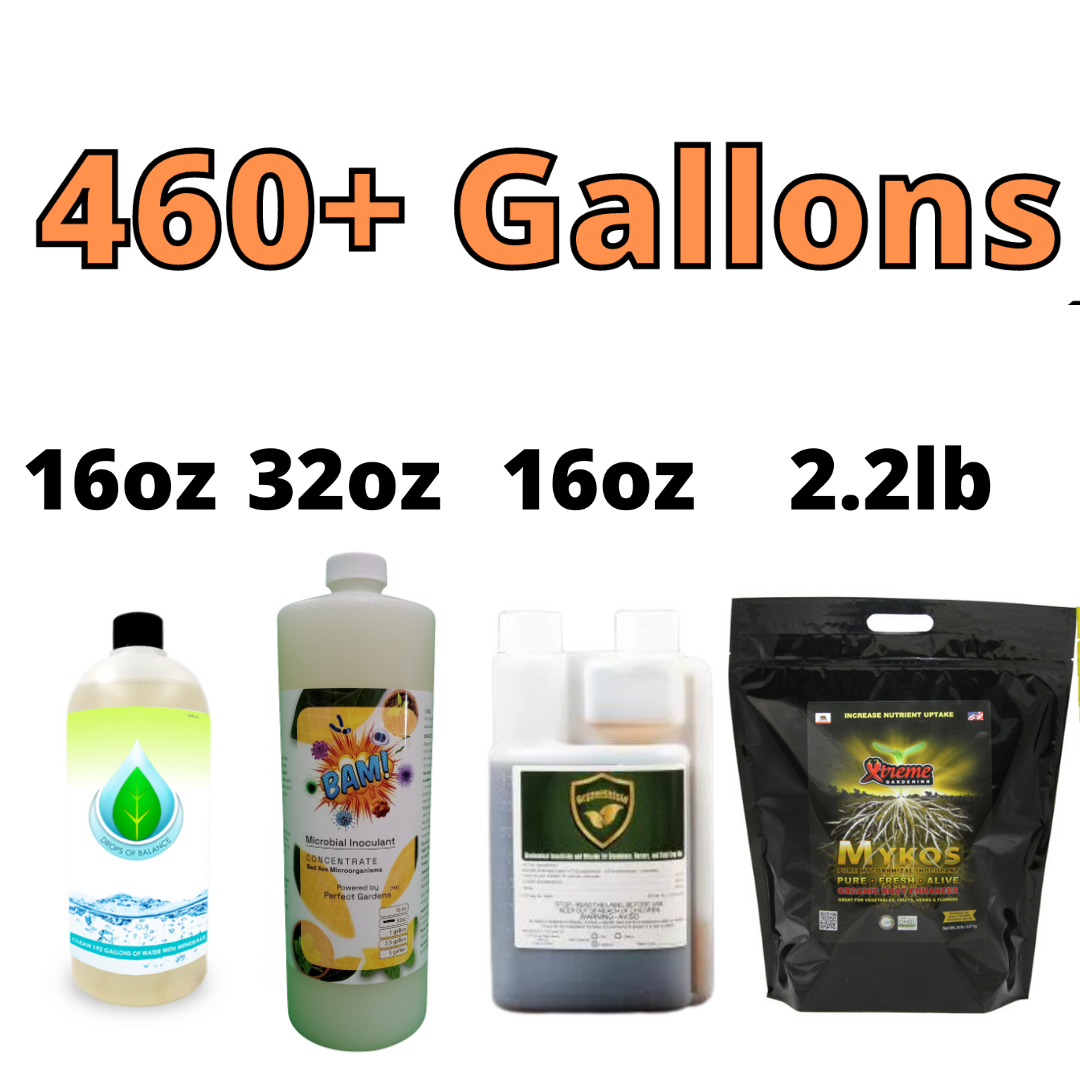
Mix BAM! Microbial Inoculant into your mineral solution. This creates a synergistic effect where the minerals feed the microbes, and the microbes feed the grass. For a complete solution, many professionals use a 460-gallon Water and Soil Treatment Bundle.
5. Keep it Moist
Roots need moisture to grow. Even as the air cools, ensure your lawn receives about an inch of water per week (unless nature provides it) until the ground freezes.
What to Expect in the Spring
When March and April roll around, your neighbors will likely be heading to the big-box store to buy "turf builder." You, on the other hand, will simply be watching your lawn wake up.
Because of the carbohydrate reserves and mineral density built during the fall, your grass will:
- Green up faster: It won't need to wait for a spring fertilizer application because the food is already in the roots.
- Resist weeds: A dense, healthy lawn is the best defense against crabgrass and dandelions. When the grass is thick and healthy early in the season, it chokes out weed seeds before they can germinate.
- Require less "flashy" growth: You won't see the massive, weak surge of growth that comes from high-nitrogen spring fertilizers. Instead, you'll have strong, steady growth that is easier to mow and maintain.
Conclusion
Lawn care is often treated as a reactive hobby: fixing problems as they arise in the heat of summer. But a truly healthy lawn is built on proactive, scientific principles. By shifting your focus to fall mineralization, you are working with the natural biological cycles of the plant.
Build the roots now. Store the minerals now. Clean the water now. Your spring self will thank you.
For more information on how trace minerals can transform your growing experience, check out our guide on 7 Benefits of Trace Minerals for Plants.
Ready to get started? Explore our full collection of soil and water health solutions and make this fall the turning point for your landscape.