
10 Reasons Your Water Treatment for Plants Isn't Working (And How to Fix It)
So, you’ve got a green thumb, or at least you’re trying to. You’ve bought the fancy pots, the organic soil, and you’re talking to your Monsteras like they’re your own children. But for some reason, your plants look like they’ve just pulled an all-nighter in a Vegas casino. They’re yellowing, drooping, and generally acting like they’ve given up on life.
You might be thinking, “But I’m filtering the water!” or “I’m using a special water treatment for plants!”
Well, here’s the cold, hard truth: most standard water treatments are actually low-key sabotaging your garden. Whether you’re a backyard hobbyist or a serious grower, the water you’re using is likely missing the mark.
Let’s dive into the 10 reasons your water treatment isn’t working and how you can actually start supporting your soil health rather than nuking it.
1. You’re Using "Dead" Water (The RO Trap)
Reverse Osmosis (RO) and distilled water are great for steam irons, but they’re kind of a nightmare for plants. Why? Because these processes strip everything out: the bad, the good, and the ugly.
When you use "dead" water, it becomes "hungry." It wants to stabilize itself, so it actually leaches minerals out of your soil. Instead of feeding your plant, the water is robbing the soil of the very nutrients your plant needs to thrive.
The Fix: You don't have to toss your RO system, but you must remineralize. Adding a solution like Drops of Balance back into your water ensures your plants get the trace minerals they crave without the toxic baggage.
2. Chlorine and Chloramine Are Killing Your Microbes
Most city water is treated with chlorine or chloramine to kill bacteria. This is great for preventing cholera in humans, but it’s a biological weapon for your soil.
Soil isn't just dirt; it’s a living, breathing ecosystem of beneficial bacteria and fungi. When you pour chlorinated water onto your plants, you’re essentially giving your soil microbes a bleach bath. Without those microbes, your plants can't process nutrients effectively.
The Fix: Standard carbon filters try to catch chlorine, but they often miss chloramine (a more stable version of chlorine). Drops of Balance works differently by neutralizing these additives through a mineral-based precipitation process, protecting your precious soil microbiome.
3. The Fluoride Factor
Think fluoride is just for your teeth? Your plants beg to differ. Fluoride is a systemic toxin for many plants, especially spider plants, lilies, and palms. It accumulates in the leaf tips, causing them to turn brown and crispy. Most standard pitcher filters (looking at you, Brita) do absolutely nothing to remove fluoride.
The Fix: You need a treatment that actually binds to fluoride. Our ionic sulfate minerals help precipitate these toxins so they don't end up in your plant's vascular system.
4. pH Imbalances Are Locking Out Nutrients
You could have the most nutrient-rich soil on the planet, but if your water’s pH is off, your plant is "locked out." If the water is too alkaline or too acidic, the plant's roots literally cannot "grab" the nutrients.
As noted in water treatment research, pH levels that are too high or low reduce treatment effectiveness across the board. In a garden setting, this leads to stunted growth and weird leaf spots that look like deficiencies but are actually just a pH temper tantrum.
The Fix: Regularly test your water and soil. Using a mineral-rich concentrate helps buffer the water, making it easier to maintain a stable environment for your roots. Check our FAQ page for more on how minerals interact with water stability.
5. Heavy Metal Accumulation
Even if your water comes from a well, it might be harboring heavy metals like lead, arsenic, or excess aluminum. Over time, these build up in the soil and eventually end up in your plants. If you’re growing vegetables, those metals end up in you.
Standard filters can get overwhelmed by variable turbidity and changing feed chemistry (the stuff that changes with the seasons).
The Fix: Use a treatment that forces heavy metals to clump together (flocculation) and settle out of the water before it ever touches your soil.
6. You're Ignoring the "Microbial Bridge"
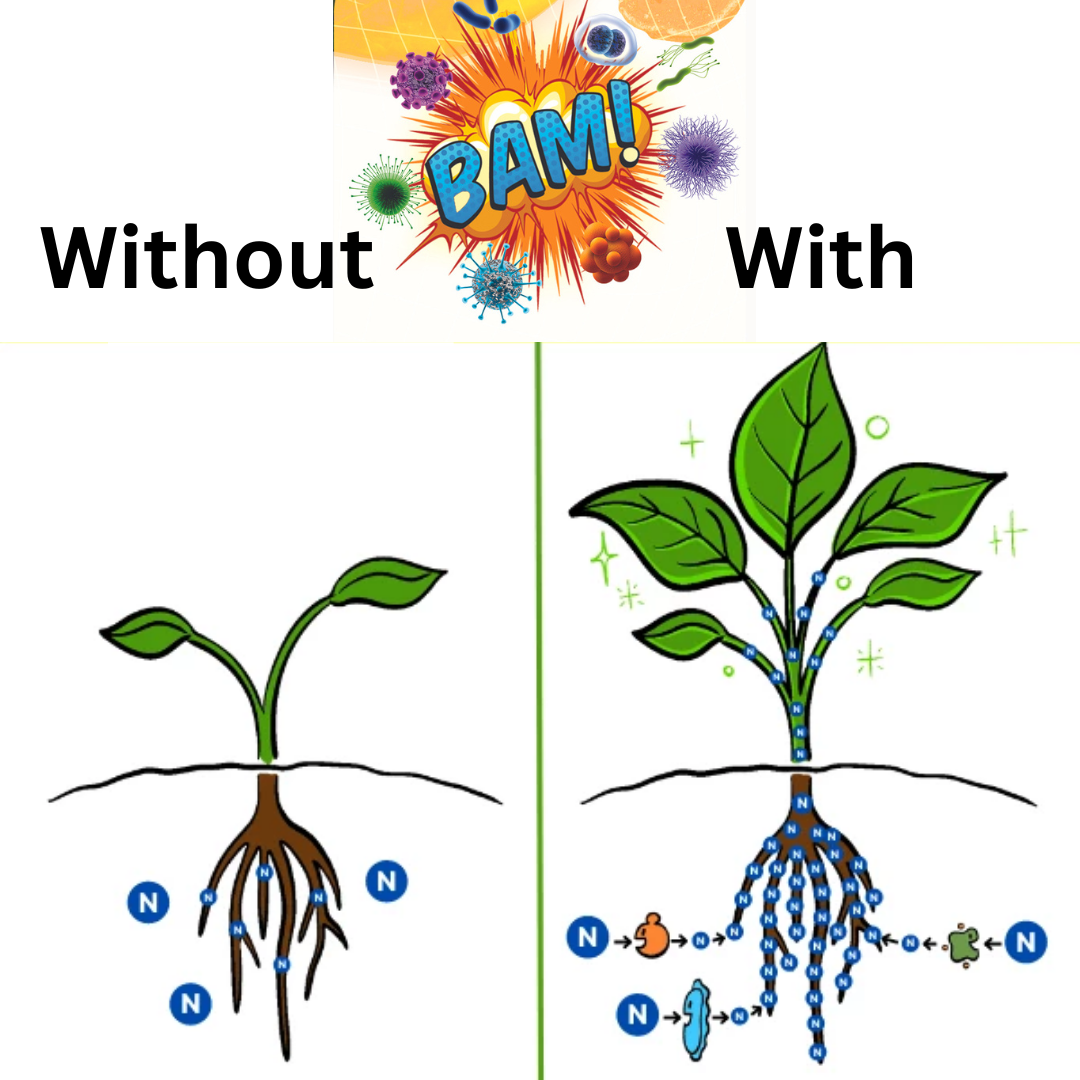
This is the big one. Soil health is entirely dependent on the "microbial bridge": the relationship between roots and beneficial microbes like mycorrhizal fungi.
Many people treat their water but forget to replenish the life in the soil. If your water treatment is too sterile, you’re not supporting this bridge.
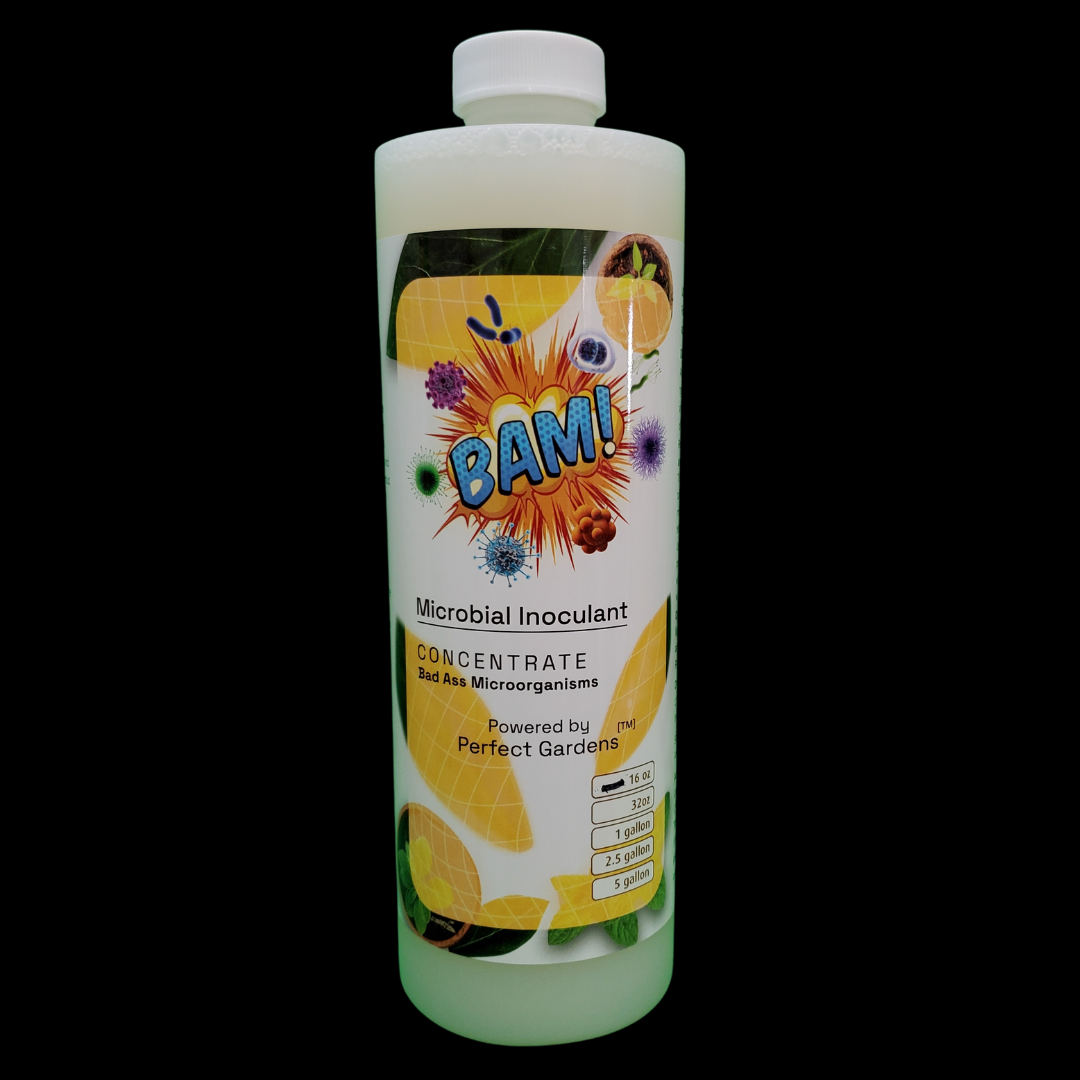
The Fix: Combine clean, mineral-rich water with a microbial inoculant. Introducing something like BAM! (Beneficial Adaptive Microbes) ensures that once the water is clean, the soil is actually ready to do its job.
7. Hard Water and Scale Build-Up
"Hard" water is full of calcium and magnesium, which sounds good, right? Not necessarily. In high concentrations, these minerals are often in a form the plant can't use, and they end up creating a "scale" or crust on the soil surface and around the roots. This crust prevents water from penetrating deeply and can even suffocate the root system.
The Fix: You need to transform those minerals into a bioavailable form. The sulfate minerals in Drops of Balance help break down these clusters, making the water "wetter" and more effective at hydrating the plant.
8. Biofilm in Your Irrigation Lines
If you use a drip system or even just a watering can that sits around, you’re likely dealing with biofilm: a slimy layer of bacteria and algae. Research shows that tanks and sumps are particularly vulnerable to biofilm in low-flow conditions. This "gunk" can harbor pathogens that lead to root rot.
The Fix: Mineral treatments help keep water oxygenated and inhibit the growth of anaerobic slime. Keeping your equipment clean is vital, but treating the water at the source is the best preventative measure.
9. Lack of Essential Trace Minerals
Standard water treatment for plants usually focuses on removing the bad stuff, but it ignores the importance of adding the right stuff. Plants need more than just Nitrogen, Phosphorus, and Potassium (N-P-K). They need trace elements like boron, selenium, and copper to build strong cell walls and fight off pests.
The Fix: Think of Drops of Balance as a multi-vitamin for your water. It replenishes dozens of trace minerals in an ionic form that plants can absorb instantly.

10. You’re Treating the Symptom, Not the Water
Most gardeners wait until they see a problem (yellow leaves, pests, slow growth) and then try to fix it with fertilizer or pesticides. But if the foundation: the water: is toxic, you’re just putting a band-aid on a broken leg.
If your water is full of toxins, it stresses the plant. A stressed plant sends out signals (infrared signatures and pheromones) that actually attract pests.
The Fix: Stop the stress at the source. When you treat your water with an ionic mineral solution, you remove the stressors, allowing the plant to build its own natural immunity.
The Drops of Balance Difference
At Drops of Balance, we don't just "filter" water; we restructure and remineralize it. Our concentrate is derived from biotite, a mineral-rich rock that provides a full spectrum of ionic sulfate minerals.
When you add Drops of Balance to your water:
- Toxins are neutralized: Chlorine, fluoride, and heavy metals are rendered harmless.
- Oxygen is released: The process increases dissolved oxygen, which roots and aerobic microbes love.
- Minerals are added: You’re giving your plants the building blocks they need for true soil health.
How to Use It for Your Plants
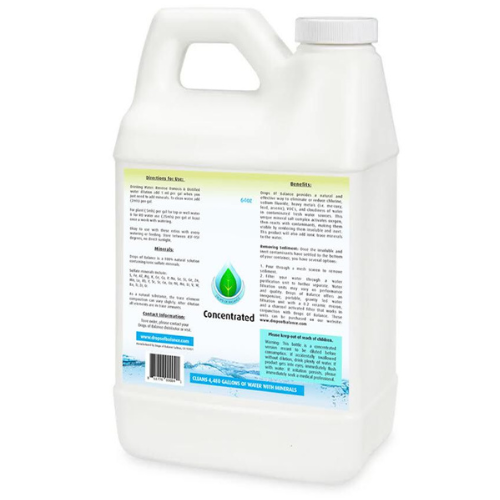
It’s incredibly simple. For most tap water, you only need about 0.5 ml per gallon of water. If you’re using RO or distilled water, you can drop that down to 0.25 ml just to add the minerals back in.
Want to give your plants an extra boost? Use it as a foliar spray (2 ml per gallon). Spraying the leaves directly helps with nutrient uptake and can make your plants more resilient to environmental stress.
Summary: A Happy Plant Starts with Happy Water
If your plants are struggling despite your best efforts, it’s time to look at your water. Standard filters often do too much of the wrong thing and not enough of the right thing. By focusing on neutralizing toxins while replenishing trace minerals, you aren't just watering a plant: you're cultivating an entire ecosystem.
Ready to see the difference for yourself? Check out our Complete Enzyme and Mineral Packages and give your garden the "BAM!" it deserves.
If you have questions about your specific water setup, don't hesitate to reach out to us. We’re here to help you grow the healthiest garden possible, one drop at a time.