
Trace Minerals for Soil 101: A Beginner's Guide to Mastering Plant Nutrition
You've probably heard that plants need nitrogen, phosphorus, and potassium to thrive. That's the famous NPK trio plastered on every fertilizer bag at the garden center. But here's what most beginner gardeners don't realize: focusing only on NPK is like trying to build a house with just lumber, nails, and paint. You're missing the electrical wiring, the plumbing, and about a hundred other essential components.
Enter trace minerals: the unsung heroes of plant nutrition that can make the difference between a mediocre harvest and vegetables bursting with flavor and nutrients.
What Exactly Are Trace Minerals?
Trace minerals, also called micronutrients, are elements that plants need in very small quantities but absolutely cannot live without. While your tomatoes might need pounds of nitrogen over a growing season, they only need tiny amounts of iron, zinc, boron, and copper. But don't let the word "tiny" fool you: the absence of even one trace element can stunt plant growth and create serious nutritional imbalances in your soil.
The essential trace minerals for plant health include:
- Iron – Critical for chlorophyll formation (that's what makes leaves green and enables photosynthesis)
- Zinc – Regulates sugar consumption and affects when plants mature
- Manganese – Powers enzyme systems involved in breaking down carbohydrates and producing proteins
- Boron – Encourages blooming and healthy root development
- Copper – Aids root metabolism and helps plants use proteins effectively
- Molybdenum – Essential for nitrogen fixation, especially in legumes like beans and peas
- Cobalt – Plays a role in nitrogen fixation and vitamin B12 production in soil
Each of these minerals performs specific biochemical functions. Remove any single one from the equation, and your plants struggle to complete basic metabolic processes.
Why Standard Fertilizers Miss the Mark
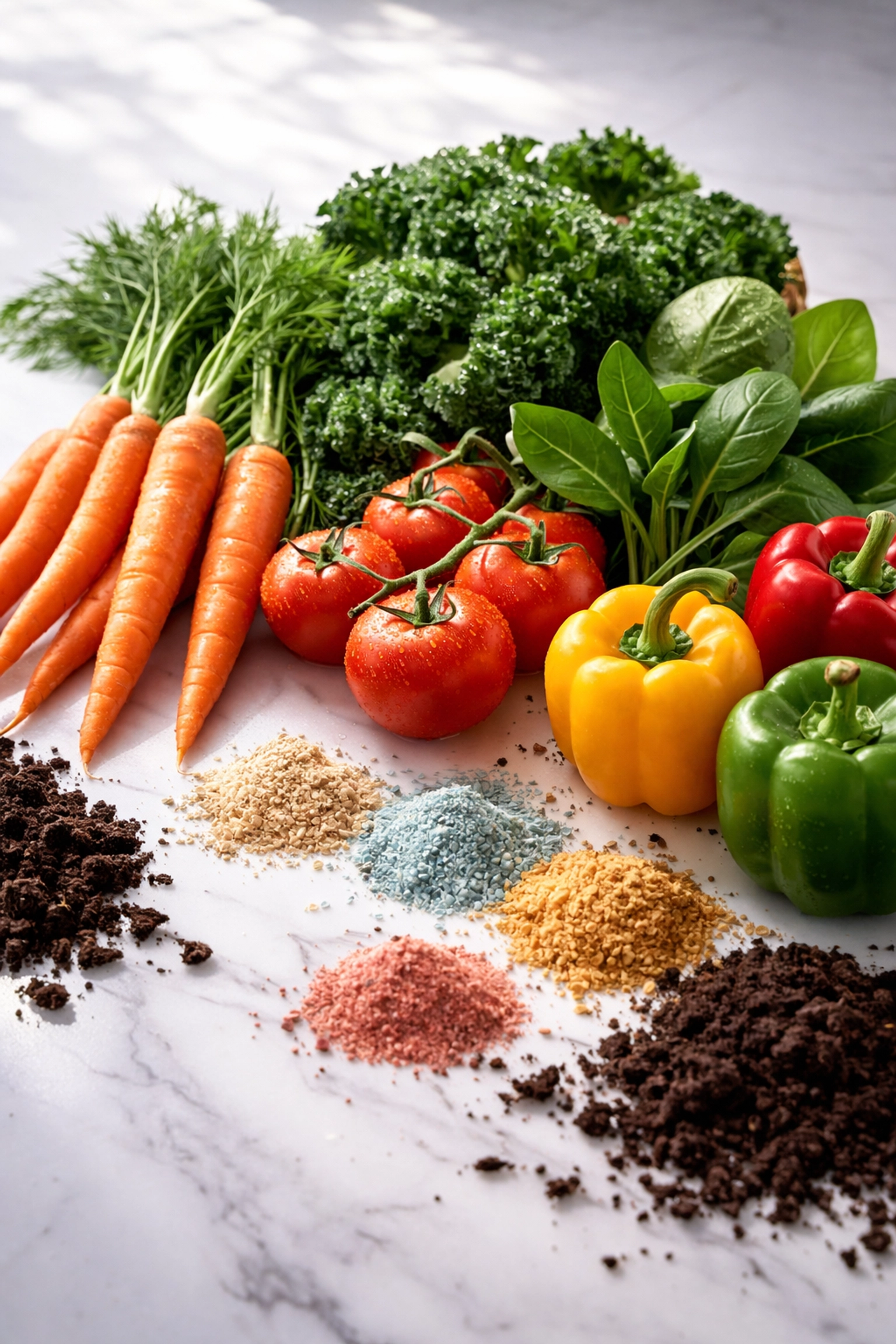
Walk into any garden store and you'll find shelves packed with fertilizers promising incredible results. Most of them focus almost exclusively on the big three: nitrogen, phosphorus, and potassium. These primary macronutrients do deplete from soil fastest, which is why they get all the attention.
But here's the problem: modern agricultural practices have been mining trace minerals from our soils for decades without putting them back. Conventional fertilizers replace what's most obviously missing (NPK) while ignoring the micronutrients that quietly disappear harvest after harvest.
The result? Soil that technically has enough major nutrients to grow plants, but lacks the trace mineral foundation needed to produce genuinely nutritious food. Studies have shown that the mineral content of vegetables has declined significantly over the past 50-70 years. Your grandmother's carrots likely contained more zinc, iron, and other trace minerals than the ones you're growing today: even if you're doing everything else right.
Standard fertilizers also tend to deliver nutrients in forms that aren't always easy for plants to absorb. Just because a mineral is present in soil doesn't mean your plants can actually use it.
The Sulfated Trace Mineral Advantage
Here's where things get interesting from a plant biology perspective. For roots to absorb any mineral, that mineral must be soluble: meaning it needs to dissolve in water so it can travel through the plant's vascular system. This is where the form of your trace minerals matters enormously.
Sulfated trace minerals have a significant advantage over other forms. The sulfate form is highly bioavailable, meaning plants can actually absorb and utilize these minerals efficiently. Think of it like the difference between handing someone a locked safe full of money versus handing them cash directly. The value might be the same on paper, but only one is immediately useful.
When trace minerals are bound to sulfate, they dissolve readily in water and move easily into root systems. This is particularly important because insufficient soil moisture already prevents mineral absorption even when nutrients are technically present. Using sulfated forms ensures that when water is available, those minerals are ready to go to work.
Additionally, sulfur itself is a secondary macronutrient that plants need for protein synthesis and enzyme function. So sulfated trace minerals deliver a two-for-one benefit: the trace mineral plus a usable form of sulfur.
How Drops of Balance Transforms Your Soil and Water
This is where Drops of Balance enters the picture. Rather than just dumping more NPK onto already imbalanced soil, Drops of Balance takes a fundamentally different approach.
First, it addresses water quality: something most gardeners completely overlook. Tap water often contains chlorine, fluoride, and other chemicals that can disrupt soil biology. The beneficial microorganisms living in healthy soil are sensitive to these contaminants. When you water with untreated tap water, you may be inadvertently harming the very organisms that help your plants absorb nutrients.
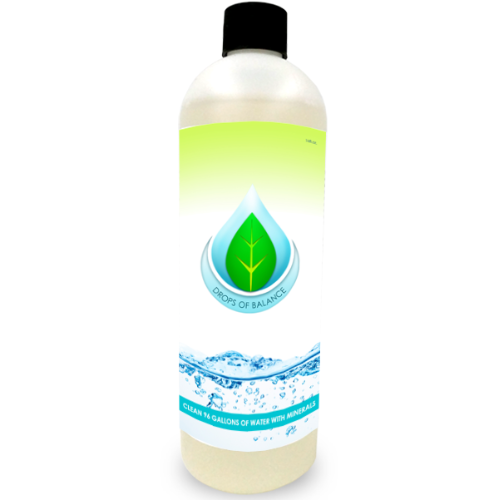
Drops of Balance removes these harmful contaminants while simultaneously adding back essential sulfated trace minerals. The result is clean, mineral-rich water that supports both your plants and the microbial ecosystem in your soil.
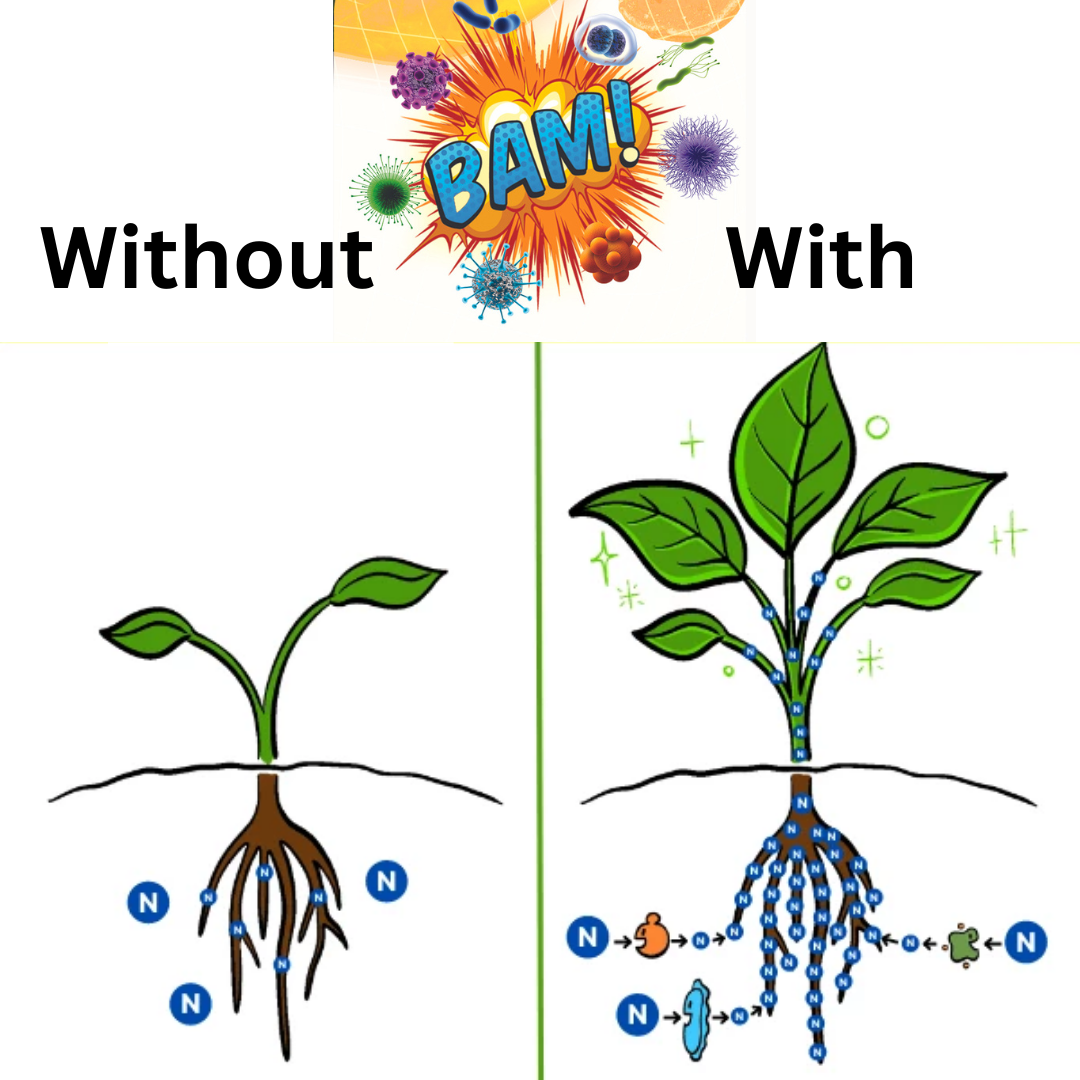
Those soil microorganisms are crucial. They break down complex molecules into simple forms that plant roots can absorb: converting nitrogen into nitrates, for example, and making trace minerals available in ways that plants can actually use. Healthy microbial populations create a living soil environment where nutrient cycling happens naturally and efficiently.

When you combine clean, mineralized water with thriving soil biology, something remarkable happens. Plants develop stronger root systems, produce more chlorophyll, and generate the enzymes needed for robust growth. The visible difference can be striking: healthier leaves, stronger stems, and vegetables that actually taste like something.
The Soil-to-Human Health Connection
Here's the part that matters most: the nutritional quality of your vegetables directly reflects the mineral content of your soil. You literally cannot grow nutrient-dense food in mineral-depleted soil. It's biologically impossible.
When your soil contains adequate trace minerals and healthy microbial populations, those minerals move into your plants. When you eat those plants, those minerals move into you. The iron in your spinach, the zinc in your squash, the selenium in your garlic: all of it originates from soil minerals that plants absorbed through their roots.
This connection between soil health and human health has profound implications. Research continues to explore how declining mineral content in food might relate to various health concerns in modern populations. While the science is complex, the basic principle is straightforward: healthy soil creates healthy plants, and healthy plants support healthy people.
By treating your garden water with Drops of Balance, you're not just growing prettier vegetables. You're investing in food that actually delivers the nutritional value your body expects from fresh produce.
Getting Started with Trace Mineral Gardening
If you're new to thinking about trace minerals, don't feel overwhelmed. The beauty of using a comprehensive solution like Drops of Balance is that it handles the complexity for you. You don't need a soil chemistry degree to start improving your garden's mineral foundation.
Here's a simple approach:
- Start with your water – Treat your irrigation water to remove contaminants and add sulfated trace minerals
- Build organic matter – Continue adding compost and mulch, which naturally accumulate trace elements over time
- Support soil biology – Avoid harsh chemicals that kill beneficial microorganisms
- Observe your plants – Healthier soil shows up as healthier plants with better color, stronger growth, and improved pest resistance
The trace mineral deficiencies that plague modern agriculture didn't develop overnight, and they won't be corrected overnight either. But every time you water with properly mineralized water, you're moving your soil in the right direction.
Your vegetables: and your health: will thank you for paying attention to what conventional gardening wisdom so often ignores. Those tiny trace minerals might just be the biggest upgrade your garden has ever received.