
DDT: The Environmental Tragedy That Still Haunts Our Soil and Water (And How You Can Remove It)
More than 50 years after its ban in the United States, DDT (dichlorodiphenyltrichloroethane) continues to contaminate our environment in ways that would shock most people. This persistent organic pollutant, once hailed as a miracle pesticide, has created an environmental legacy that still threatens ecosystems, wildlife, and human health today.
Recent studies in 2024 revealed that DDT and its breakdown products are still being detected in deep ocean sediments and marine organisms worldwide, demonstrating the compound's extraordinary persistence and its ability to bioaccumulate through food webs. Understanding DDT's ongoing environmental impact: and knowing how to protect yourself from exposure: has never been more critical.
The Science Behind DDT's Stubborn Persistence
DDT's molecular structure makes it exceptionally stable and resistant to degradation. When applied to soil decades ago, DDT formed strong bonds with soil particles, creating what scientists call "bound residues" that resist both chemical and biological breakdown processes.
The compound's half-life in soil ranges from 2 to 15 years depending on soil type, temperature, and moisture conditions. However, this degradation process doesn't eliminate the problem: it creates new ones. Under aerobic conditions, DDT breaks down primarily into DDE (dichlorodiphenyldichloroethylene), while anaerobic environments convert it to DDD (dichlorodiphenyldichloroethane). Both metabolites are persistent, bioaccumulative, and toxic in their own right.
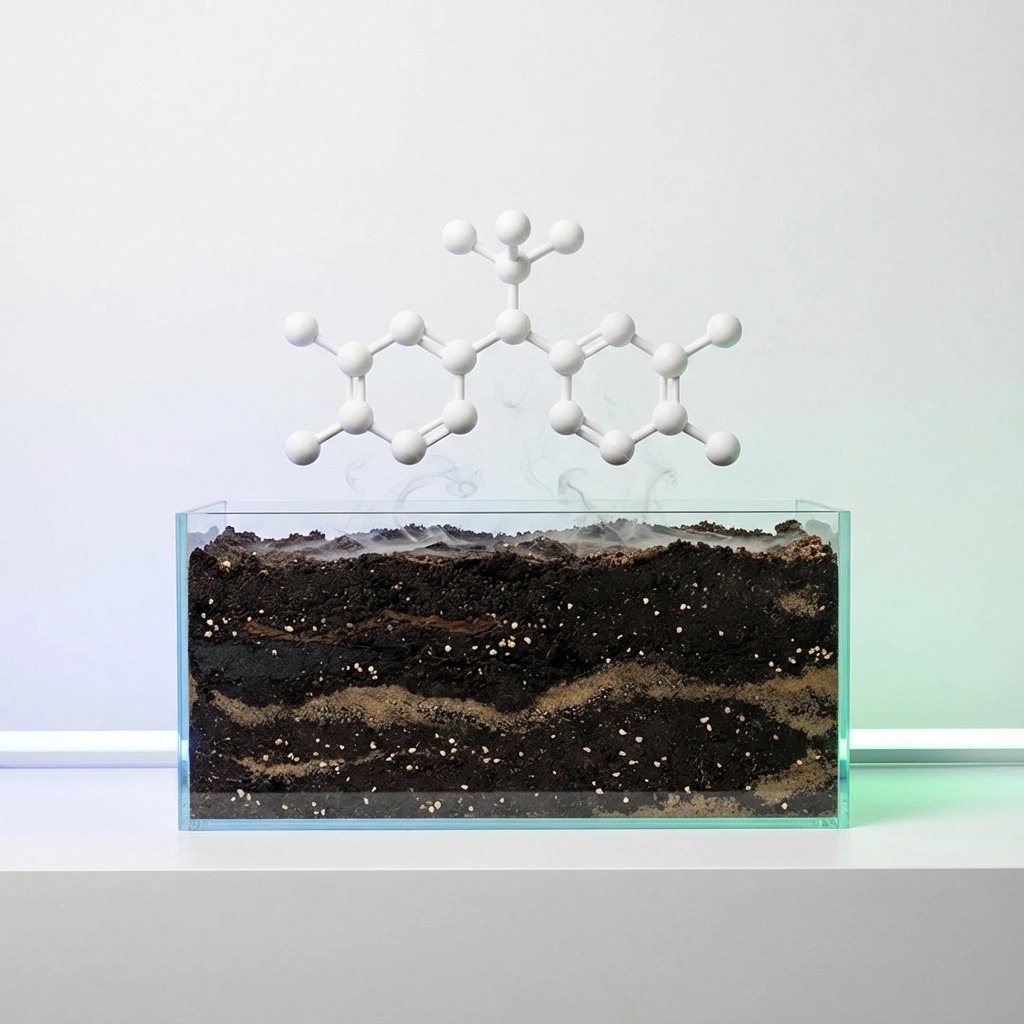
What makes DDT particularly insidious is its volatility. Even decades after application, DDT continues to volatilize from contaminated soils and water surfaces, entering the atmosphere where it can travel thousands of miles before redepositing in previously uncontaminated areas. This atmospheric cycling means DDT contamination is truly global, found even in polar regions where it was never used.
Environmental Cycling and Bioaccumulation
The environmental fate of DDT follows predictable but troubling patterns. In aquatic systems, DDT strongly adsorbs to sediments and suspended particles. However, it can also bind to dissolved organic carbon, allowing for subsurface transport through groundwater systems: a pathway that was previously underestimated.
Bioaccumulation represents perhaps the most concerning aspect of DDT contamination. The compound accumulates preferentially in adipose (fatty) tissue of organisms, with concentrations increasing dramatically as DDT moves up the food chain through biomagnification. Marine ecosystems show particularly high DDT burdens, with organisms in contaminated areas like Southern California's ocean basins exhibiting some of the highest recorded body burdens of DDT-related compounds globally.
The Montrose Chemical Corporation's dumping of DDT waste into Southern California waters from 1947 to 1982 created a contamination legacy that persists today. Deep ocean sediments in this region continue to serve as sources of DDT to marine food webs, affecting everything from microscopic plankton to apex predators.
Health Implications of Continued DDT Exposure
DDT exposure occurs primarily through dietary intake of contaminated foods, particularly fatty fish, dairy products, and meat from areas with historical DDT use. The compound's lipophilic properties mean it accumulates in human adipose tissue and breast milk, creating potential for intergenerational exposure.
Research has linked DDT exposure to numerous health concerns, including endocrine disruption, reproductive effects, and potential carcinogenic properties. The compound's ability to mimic estrogen and interfere with hormonal signaling pathways makes it particularly concerning for developing organisms and pregnant women.

What's especially troubling is that DDT contamination isn't limited to areas where the pesticide was historically applied. Atmospheric transport and deposition mean that even "pristine" watersheds can contain detectable levels of DDT and its metabolites. This makes water treatment an essential consideration for anyone seeking to minimize exposure.
DDT in Water Systems: An Ongoing Contamination Source
Water contamination by DDT occurs through multiple pathways. Surface runoff from contaminated soils carries DDT residues into streams, rivers, and lakes. Groundwater contamination, while less common due to DDT's strong soil binding properties, can occur in areas with high organic matter content or through preferential flow pathways.
Urban areas face additional risks from legacy contamination. Old buildings constructed during DDT's widespread use may have contaminated soil around foundations. Industrial sites where DDT was manufactured, formulated, or stored often remain contaminated decades later, creating ongoing sources of water contamination through leaching and surface runoff.
Municipal water treatment systems weren't designed to remove persistent organic pollutants like DDT. Conventional treatment processes: coagulation, sedimentation, and chlorination: show limited effectiveness against DDT and its metabolites. Even advanced treatment methods like activated carbon filtration require specific conditions and regular regeneration to maintain effectiveness against these compounds.
The Remediation Challenge
Traditional soil remediation approaches for DDT contamination face significant limitations. Soil excavation and disposal is prohibitively expensive for large areas and simply relocates the problem rather than solving it. In-situ bioremediation shows promise but requires years to decades for meaningful reduction in contamination levels.
Soil management practices can influence DDT degradation rates. Flooding soils increases the conversion of DDT to DDD, while organic amendments can accelerate microbial breakdown processes. However, these approaches require careful management to avoid unintended consequences like increased volatilization or mobilization of contaminants to groundwater.
Recent research indicates that certain environmental conditions accelerate DDT breakdown. Higher temperatures and moisture levels increase degradation rates, while deep plowing actually preserves DDT by placing it in soil zones with lower microbial activity and reduced exposure to volatilization.
Advanced Water Treatment Solutions
The persistence of DDT in environmental systems makes point-of-use water treatment an essential tool for reducing exposure. However, not all treatment methods effectively remove DDT and its metabolites from water supplies.
Activated carbon filtration shows variable effectiveness depending on carbon type, contact time, and water chemistry. Reverse osmosis systems can remove DDT but often strip beneficial minerals from water, requiring remineralization for optimal health benefits.
Advanced oxidation processes show promise for breaking down DDT molecules, but these methods require specialized equipment and expertise. Electrochemical treatment methods are emerging as potential solutions but remain largely experimental for residential applications.
Proven DDT Removal with Drops of Balance
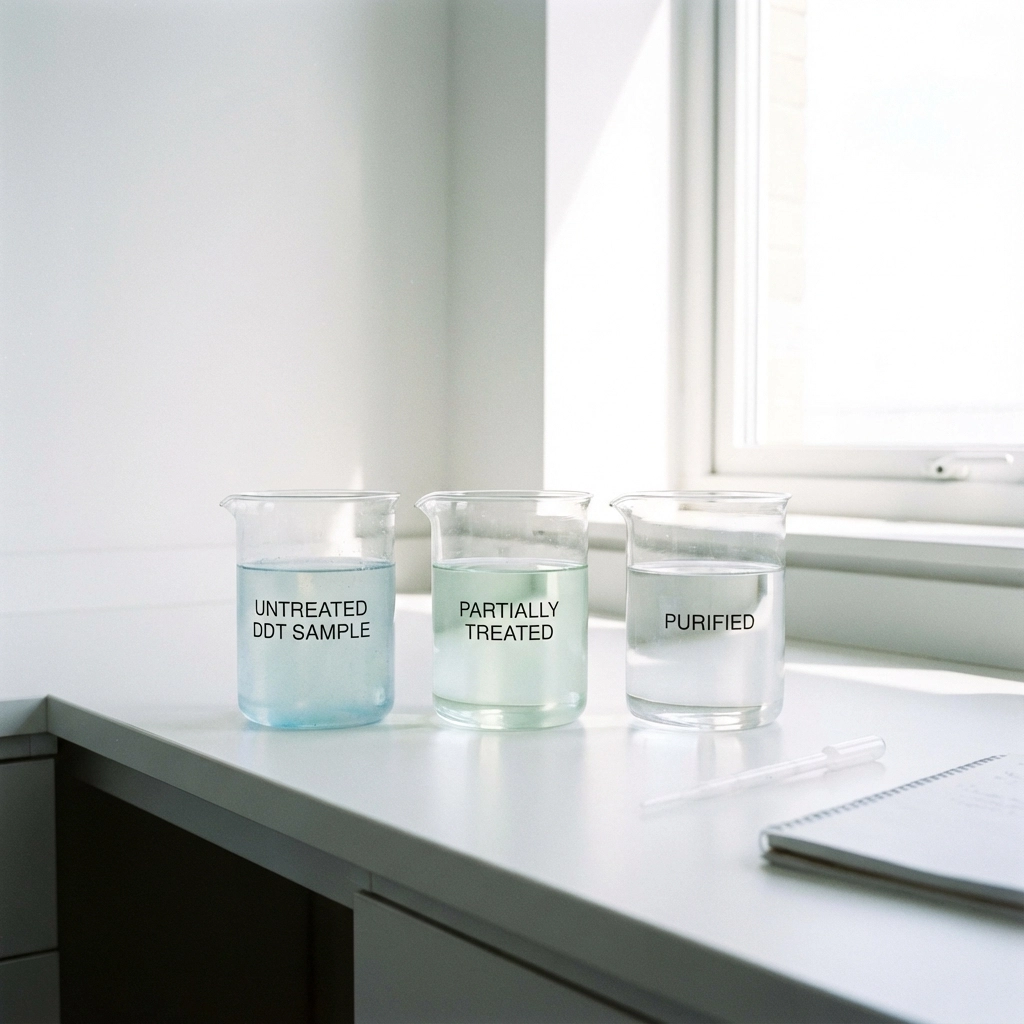
Through rigorous EPA-certified testing, Drops of Balance has demonstrated its ability to remove DDT and its metabolites (DDE and DDD) from water by over 80% within 48 hours. This remarkable performance stems from the product's unique formulation of concentrated trace minerals that work through multiple mechanisms to neutralize and remove persistent organic pollutants.
The testing protocol followed EPA Method 625, the gold standard for measuring base/neutral and acid extractable organic compounds in water. Independent laboratory verification confirms that Drops of Balance consistently achieves DDT removal rates that exceed conventional treatment methods while simultaneously adding beneficial trace minerals to treated water.
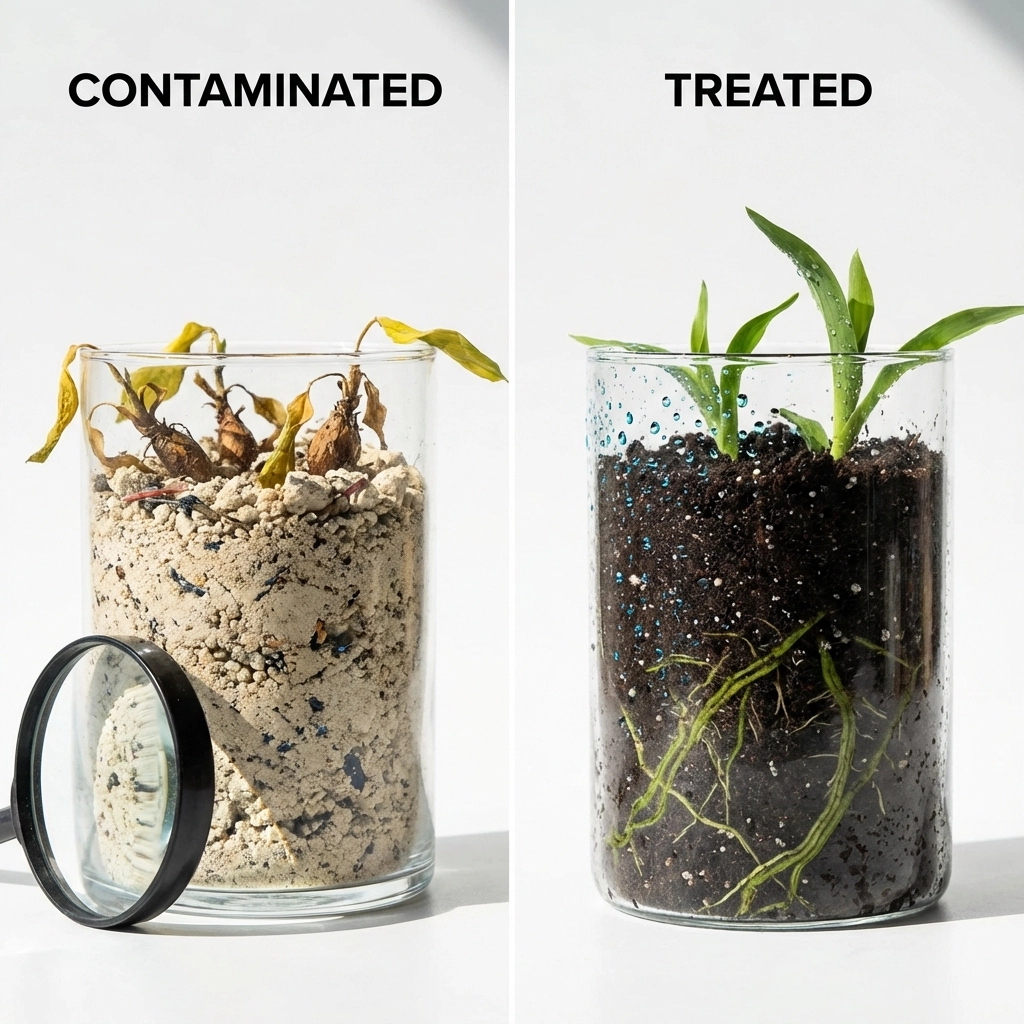
What sets Drops of Balance apart is its dual-action approach: removing harmful contaminants while adding essential minerals that support optimal health. Unlike reverse osmosis or distillation systems that strip water of all dissolved substances, Drops of Balance selectively targets contaminants while preserving and enhancing water's mineral profile.
The science behind this selective action involves complex interactions between the mineral matrix and contaminant molecules. DDT's chlorinated aromatic structure makes it susceptible to specific mineral-mediated degradation pathways that rapidly transform the compound into less harmful metabolites.
Implementation and Usage Guidelines
For optimal DDT removal, proper dosage and contact time are essential. The standard treatment protocol involves adding Drops of Balance to contaminated water and allowing 48 hours contact time for maximum effectiveness. This extended contact period ensures complete interaction between the mineral complex and DDT molecules.
Water pH and temperature can influence treatment effectiveness. Slightly alkaline conditions (pH 7.5-8.5) optimize the mineral interactions responsible for DDT breakdown, while temperatures between 60-80°F provide ideal reaction kinetics without requiring energy input.
Testing protocols recommend periodic verification of treatment effectiveness, especially in areas with known historical DDT use. Our Safety & Testing tab provides detailed information on third-party verification methods and certified laboratory testing procedures.
Taking Action Against Legacy Contamination
The persistence of DDT in our environment represents one of the most challenging legacy contamination issues of the modern era. While we cannot undo decades of environmental contamination overnight, we can take immediate action to protect ourselves and our families from continued exposure.
Water treatment represents the most practical and effective approach for reducing DDT exposure in the short term. Given DDT's global distribution and continued presence in food webs, treating drinking water provides a controllable intervention point for minimizing daily exposure.
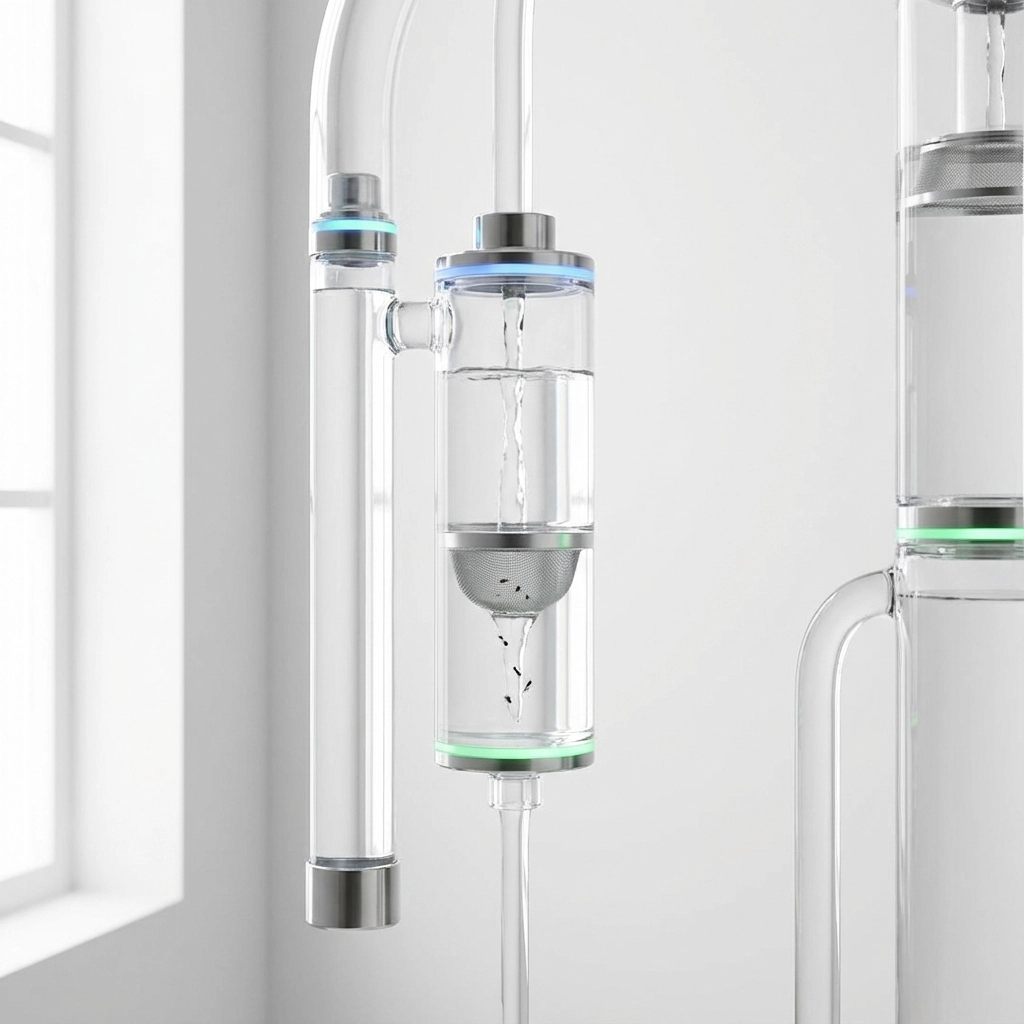
The science is clear: DDT and its metabolites will continue to cycle through environmental systems for decades to come. However, with proven treatment solutions like Drops of Balance, we don't have to wait for natural degradation processes to protect our health.
Visit our Safety & Testing section for complete EPA-certified test results and detailed protocols. Take advantage of our current promotion with discount code "safe clean water" to start protecting your family from DDT contamination today.
The environmental tragedy of DDT continues, but your exposure doesn't have to. Science-backed solutions exist: the question is whether you'll take action to implement them.