
Why Chlorine in Tap Water Is More Dangerous Than You Think!
Most people assume that if their tap water is safe enough for municipal distribution, it must be harmless. While chlorine effectively eliminates dangerous pathogens like E. coli and cholera, emerging research reveals that this common disinfectant creates a complex web of health risks that extend far beyond what regulatory agencies originally anticipated.
The science is clear: prolonged exposure to chlorinated water affects multiple body systems, disrupts beneficial bacteria, and generates toxic byproducts that accumulate over time. Understanding these risks: and knowing how to address them: is crucial for protecting both human health and plant vitality.
Immediate Health Effects: More Than Just "Chemical Taste"
The most recognizable symptoms of chlorine exposure occur within hours or days of consumption. Clinical studies document that chlorinated water consumption frequently causes eye, nose, and throat irritation, accompanied by gastrointestinal distress including nausea, vomiting, and abdominal cramping.
These effects aren't limited to drinking. Dermal absorption during bathing and inhalation of chlorinated vapor during hot showers significantly increase total chlorine exposure. Research published in environmental health journals demonstrates that individuals with respiratory sensitivity experience exercise-induced asthma symptoms even at chlorine concentrations below EPA safety thresholds.
The respiratory impact is particularly concerning for vulnerable populations. Chlorine exposure exacerbates existing conditions, triggering symptoms including persistent coughing, chest tightness, nasal congestion, and allergic skin reactions characterized by redness, itching, and irritation.
Cancer-Causing Byproducts: The Hidden Danger
The most serious health risks stem not from chlorine itself, but from the toxic compounds it creates. When chlorine reacts with organic matter naturally present in water sources, it forms trihalomethanes (THMs) and haloacetic acids (HAAs): both classified as human carcinogens by international health organizations.
Recent toxicological research has identified an even more dangerous compound: 2-butene-1,4-dial (BDA), a potent carcinogen formed when chlorine interacts with phenolic compounds in drinking water. This discovery has prompted renewed evaluation of chlorination safety protocols worldwide.
Long-term epidemiological studies reveal alarming cancer correlations. Spanish researchers following thousands of participants found that prolonged chlorinated water consumption significantly increases bladder cancer risk, with the strongest associations among individuals consuming chlorinated water for over two decades.
Similarly, a comprehensive study published in the Journal of Environmental Sciences linked chlorinated water to elevated colorectal cancer rates, particularly in populations with 40+ years of exposure. Perhaps most concerning, Taiwanese research involving nearly 400,000 participants found that maternal exposure to trihalomethanes during pregnancy increased risks of congenital heart defects, cleft palates, and neural tube defects in offspring.

Gut Microbiome Disruption: The Overlooked Consequence
Emerging microbiome research reveals that chlorinated water consumption fundamentally alters intestinal bacterial communities. Studies using advanced DNA sequencing techniques demonstrate that regular chlorinated water intake causes significant reductions in beneficial bacterial diversity and substantial shifts in microbial composition.
These changes have profound implications for immune function, nutrient absorption, and inflammatory responses. The gut microbiome plays critical roles in vitamin synthesis, pathogen resistance, and metabolic regulation. Disrupting these bacterial communities through chronic chlorine exposure may contribute to increased susceptibility to infections, autoimmune conditions, and digestive disorders.
Research indicates that individuals consuming chlorinated water show measurable decreases in beneficial bacteria including Bifidobacterium and Lactobacillus species, while potentially harmful bacterial populations remain relatively unaffected. This selective antimicrobial effect creates an imbalanced intestinal environment that may persist long after chlorine exposure ceases.
Skin and Hair Damage: Beyond Surface-Level Effects
Chlorine's effects on skin and hair reflect its potent oxidizing properties. Regular exposure strips natural oils from hair and skin, leading to dryness, brittleness, and irritation. However, the damage extends beyond cosmetic concerns.
Dermal absorption of chlorine and its byproducts contributes to total body burden, particularly during hot showers when pores dilate and absorption increases. Studies show that a 10-minute hot shower can result in chlorine absorption equivalent to drinking several glasses of chlorinated water.
Hair protein structures are particularly vulnerable to chlorine damage. The chemical disrupts disulfide bonds that maintain hair strength and elasticity, resulting in increased breakage, color fading, and texture changes. For individuals with chemically treated or naturally porous hair, these effects are magnified.
Plant Health and Soil Ecosystem Impacts
Chlorine's antimicrobial properties that make it effective for human pathogen control also devastate beneficial soil microorganisms essential for plant health. When chlorinated water is used for irrigation, it systematically eliminates beneficial bacteria, fungi, and other microorganisms that form the foundation of healthy soil ecosystems.
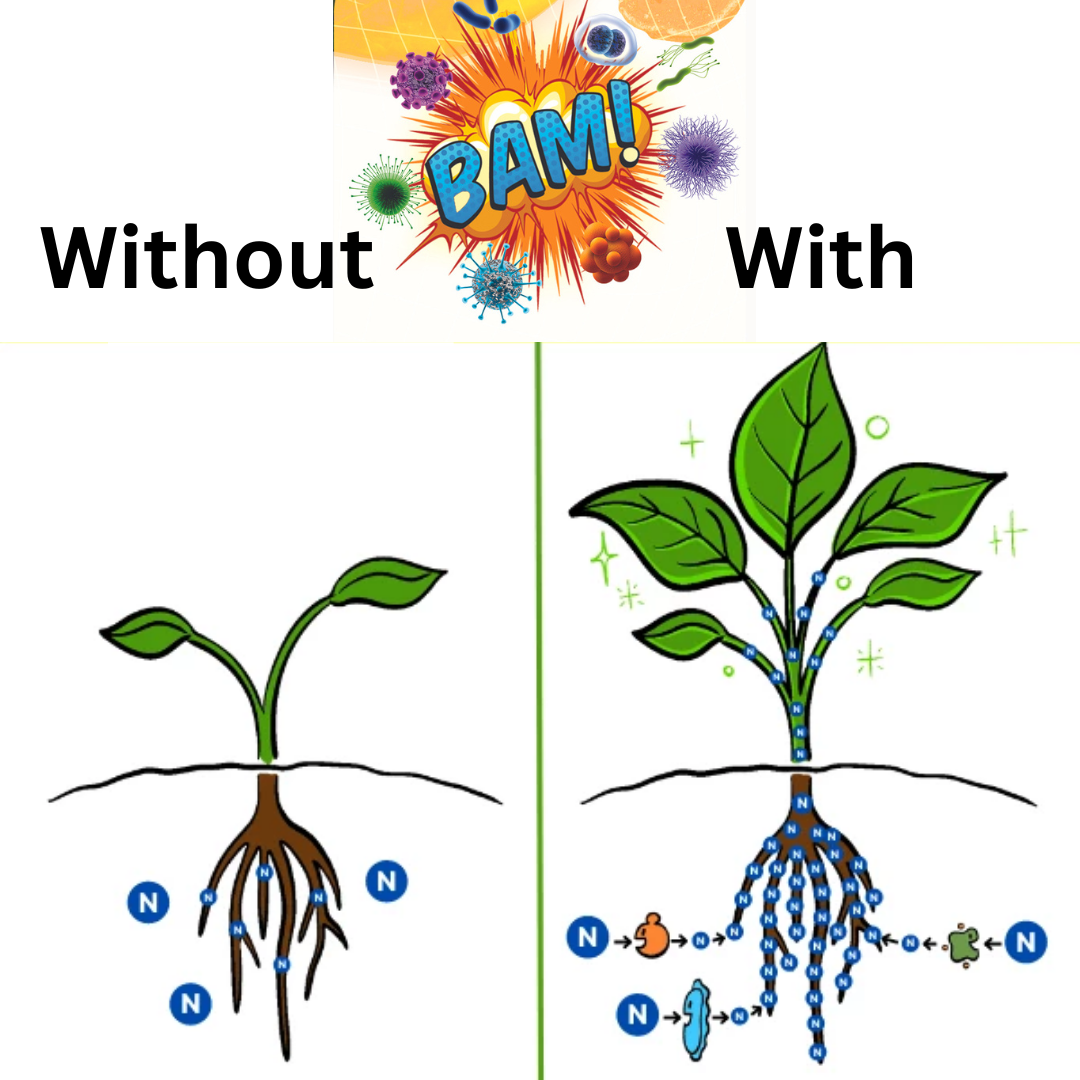
These soil microbes perform critical functions including nitrogen fixation, phosphorus solubilization, and organic matter decomposition. They also form symbiotic relationships with plant roots, enhancing nutrient uptake and providing natural disease resistance. Chlorinated water disrupts these relationships, leading to reduced plant vigor, increased fertilizer requirements, and greater susceptibility to pests and diseases.
Additionally, chlorine's high pH and chemical composition can directly damage plant roots and alter soil chemistry. Sensitive plants may exhibit chlorine toxicity symptoms including leaf burn, stunted growth, and reduced flowering or fruiting.
The Regulatory Gap: Why "Safe" Levels May Not Be Safe
Current EPA regulations permit chlorine concentrations up to 4 milligrams per liter in public water supplies. However, these standards were established primarily to prevent acute toxicity rather than address long-term health consequences now documented in scientific literature.
The regulatory framework relies on traditional toxicological models that may not adequately account for cumulative exposure effects, individual genetic variability, or synergistic interactions with other environmental contaminants. As research methodology advances and long-term studies mature, the gap between regulatory "safety" and actual health risk becomes increasingly apparent.
A Natural Solution: Drops of Balance
Understanding these risks doesn't mean accepting them as inevitable. Advanced water treatment solutions can effectively address chlorine contamination while providing additional health benefits.
Drops of Balance offers a scientifically formulated approach to water purification that neutralizes chlorine, fluoride, and heavy metals while simultaneously adding essential trace minerals. Unlike simple dechlorination methods, this comprehensive treatment addresses multiple contaminants and restores water's natural mineral balance.
The trace mineral formulation serves dual purposes: binding and neutralizing toxic compounds while providing bioavailable minerals essential for optimal cellular function. This approach transforms contaminated tap water into clean, mineralized water suitable for both drinking and plant irrigation.
For plant care, treating irrigation water eliminates chlorine damage to soil microorganisms while providing plants with readily absorbed minerals. The result is healthier soil ecosystems, improved nutrient uptake, and more robust plant growth.
The treatment process is remarkably simple and cost-effective compared to complex filtration systems. A small amount of Drops of Balance concentrate treats large volumes of water, making it practical for both household drinking water and garden irrigation needs.
Beyond Chlorine: Comprehensive Water Quality
While chlorine represents a significant concern, tap water contamination extends to fluoride compounds, heavy metals, and pharmaceutical residues. Comprehensive treatment approaches address these multiple contaminants simultaneously, providing more complete protection than single-purpose solutions.
For households concerned about water quality, treating all water: whether for drinking, cooking, or plant care: ensures consistent protection against the full spectrum of common contaminants. This comprehensive approach supports both human health and environmental stewardship.
The scientific evidence is clear: chlorinated tap water poses risks that extend far beyond the temporary inconvenience of chemical taste or odor. From cancer-causing byproducts to gut microbiome disruption, these effects accumulate over years of exposure. Taking proactive steps to address water quality isn't just about immediate comfort: it's an investment in long-term health for both people and plants.
By understanding these risks and implementing effective treatment solutions, we can continue to benefit from modern water sanitation while protecting ourselves from its unintended consequences.