
Why Trace Minerals Are Essential for Plant Growth?
Most gardeners focus on NPK ratios and organic matter, but they're missing a crucial piece of the puzzle: trace minerals and their intimate connection to water quality. The truth is, your plants' ability to thrive depends not just on what nutrients you provide, but on the quality of water delivering those nutrients and the micronutrients that enable proper water utilization.
The Critical Role of Trace Minerals in Plant Physiology
Trace minerals function as cofactors and catalysts in countless metabolic processes that directly influence how plants absorb, transport, and utilize water. These essential micronutrients: including copper (Cu), zinc (Zn), manganese (Mn), iron (Fe), molybdenum (Mo), and boron (B): work synergistically to optimize plant physiology and create optimal soil conditions.
Iron serves as a catalyst in chlorophyll production, the protein necessary for photosynthesis. Since photosynthesis fundamentally depends on water as a raw material, iron's role in chlorophyll formation becomes critical for converting water and carbon dioxide into energy. Without adequate iron, plants cannot efficiently utilize the water they absorb.
Zinc supports growth hormone production and increases auxin synthesis, promoting proper flower and fruit formation. More importantly for water management, zinc is essential for cell division and pollen tube formation: processes requiring precise water balance within plant tissues.
Boron enables calcium absorption and utilization, essential for cell wall strength and early root formation. Strong root systems directly enhance water acquisition capacity, allowing plants to access deeper soil water reserves during drought conditions.

The Hidden Problems with Your Water Source
Tap Water Contamination Issues
Municipal tap water contains numerous contaminants that interfere with trace mineral availability and plant health. Chlorine, added for disinfection, kills beneficial soil microorganisms essential for nutrient cycling and mineral availability. Fluoride compounds can accumulate in plant tissues, potentially disrupting enzyme function and mineral absorption.
Heavy metals like lead, cadmium, and aluminum create competitive inhibition with essential trace minerals. When these toxic metals are present in irrigation water, they occupy the same cellular binding sites intended for beneficial minerals, effectively blocking proper nutrient uptake.
Additionally, chloramines (chlorine-ammonia compounds) persist longer than chlorine alone and continue damaging soil biology throughout the growing season. These chemicals create an ongoing disruption to the delicate microbial communities that plants depend on for mineral availability.
The RO Water Dilemma
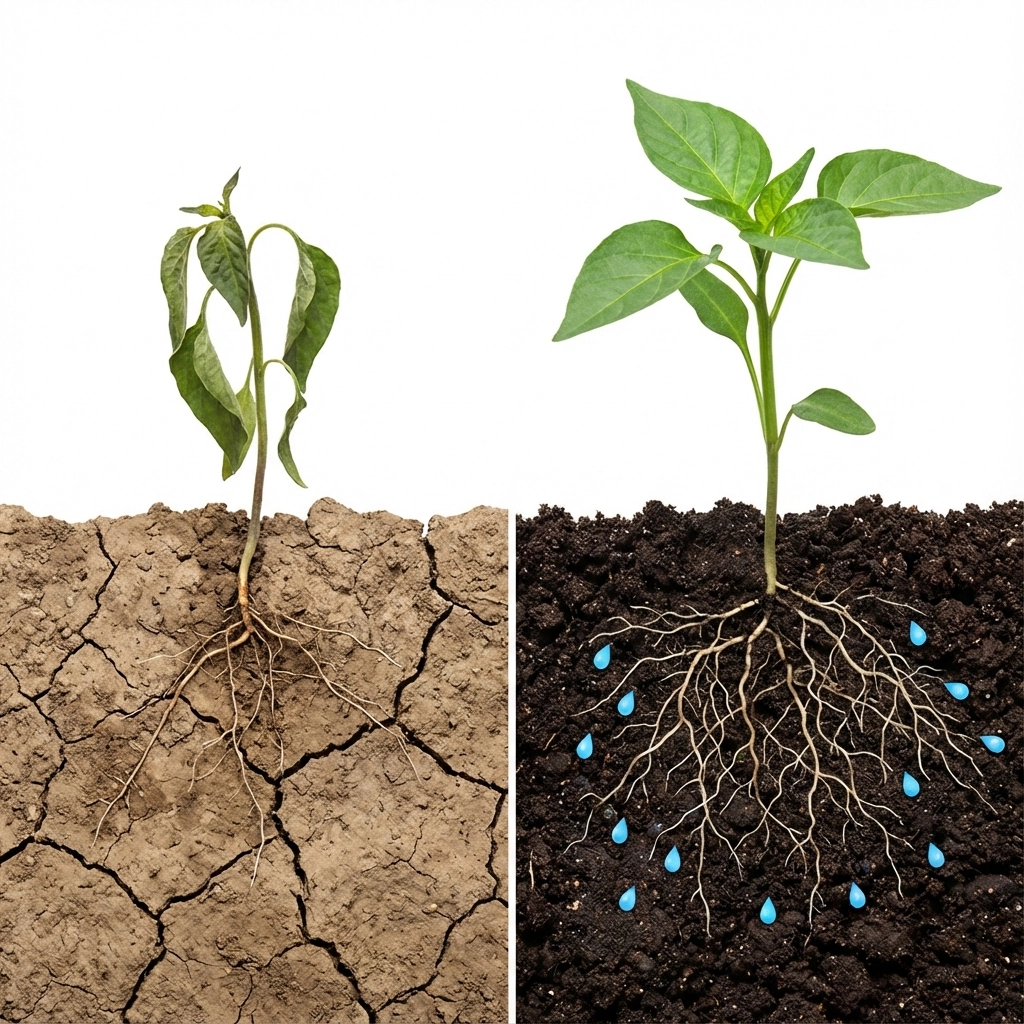
Reverse osmosis (RO) water presents the opposite problem: complete mineral depletion. While RO systems effectively remove contaminants, they also strip away all beneficial minerals, creating "empty" water that can actually leach existing minerals from soil and plant tissues.
Plants watered with mineral-free water experience osmotic stress as their cellular fluids become more concentrated than the surrounding water. This forces plants to work harder to maintain proper water balance, redirecting energy from growth and production to basic survival functions.
Furthermore, RO water lacks the electrical conductivity necessary for optimal nutrient transport. Dissolved minerals provide the ionic strength required for efficient nutrient movement through plant vascular systems. Without these dissolved minerals, even perfectly balanced fertilizers become less bioavailable.
The Water-Mineral Connection in Plant Biology
Root Development and Water Acquisition
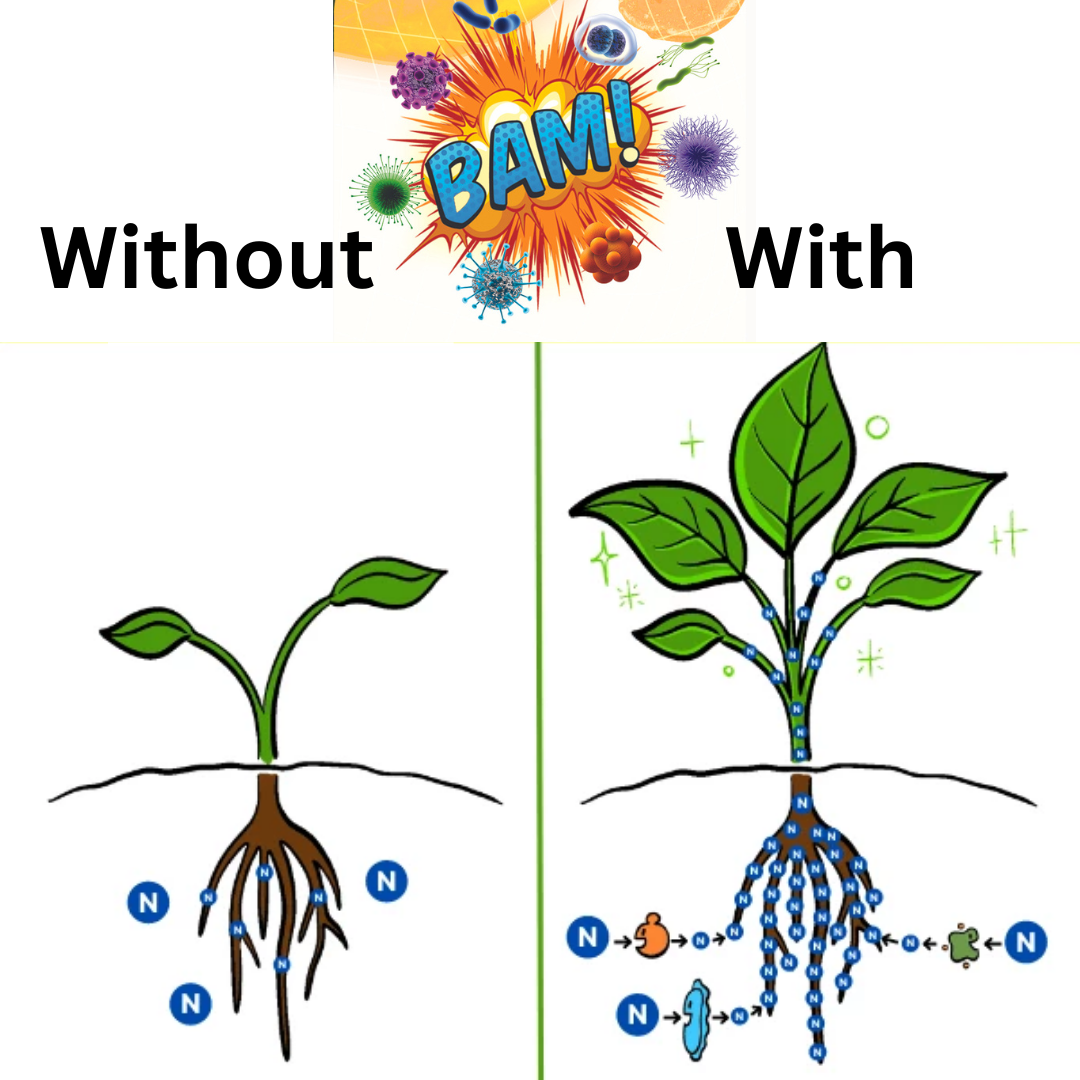
Trace minerals directly influence root architecture development. Calcium and magnesium promote lateral root growth, creating extensive root networks that can penetrate deeper soil layers and access additional water reserves. Research shows that plants with adequate trace mineral nutrition develop root systems up to 40% more extensive than mineral-deficient plants.
Cobalt specifically improves water movement within plant tissues and enhances photosynthetic efficiency. This trace mineral activates enzymes necessary for vitamin B12 formation and supports the vascular systems responsible for water transport from roots to leaves.
Soil Water-Holding Capacity
Trace minerals significantly impact soil physical properties affecting water retention. Proper mineral balance helps maintain soil aggregation and prevents particle segregation, improving overall water-holding capacity and aeration. Minerals bind strongly with organic matter, particularly in sandy soils, ensuring better water retention over extended periods.
Adequate trace mineral levels support beneficial microbial populations that produce polysaccharide compounds, creating soil aggregates with improved water infiltration and retention characteristics. These biological soil amendments prove more effective than synthetic alternatives for long-term soil water management.
Photosynthetic Water Utilization
Since photosynthesis requires water as a substrate, trace minerals supporting chlorophyll production: particularly iron and magnesium: directly impact water utilization efficiency. Plants with optimal trace mineral nutrition demonstrate higher photosynthetic rates per unit of water consumed, essentially maximizing the growth return on water investment.
Manganese activates crucial enzymes involved in photosystem II, where water molecules are split during the light reactions of photosynthesis. Without adequate manganese, plants cannot efficiently process water through the photosynthetic pathway, leading to reduced growth despite adequate water availability.
How Drops of Balance Addresses Both Problems
Drops of Balance provides a comprehensive solution by simultaneously removing harmful contaminants from tap water while adding essential trace minerals to both tap and RO water. This dual-action approach addresses the fundamental water quality issues that limit plant performance.
The concentrated mineral solution uses proprietary chelation technology to bind and neutralize chlorine, fluoride, and heavy metals while introducing bioavailable forms of essential trace minerals. This process creates optimal water quality for both plant irrigation and human consumption.
For Tap Water Treatment
When added to tap water, Drops of Balance immediately neutralizes chlorine and chloramines, protecting beneficial soil microorganisms. The solution's chelating compounds bind heavy metals, preventing their accumulation in plant tissues and soil systems.
Simultaneously, the formula introduces sulfated trace minerals in forms readily absorbed by plant roots. These minerals remain bioavailable throughout the watering cycle, unlike many synthetic alternatives that quickly become bound in soil complexes.
For RO Water Remineralization
RO water treatment requires a different approach focused on mineral replacement rather than contaminant removal. Drops of Balance transforms mineral-deficient RO water into a balanced solution containing optimal concentrations of essential trace minerals.
The remineralized water provides proper electrical conductivity for efficient nutrient transport while supplying the mineral cofactors necessary for enzymatic function. Plants watered with remineralized RO water demonstrate improved vigor, enhanced stress tolerance, and increased yield compared to those receiving mineral-free water.
Scientific Evidence and Application Rates
Research demonstrates that plants receiving balanced trace mineral nutrition through quality water show measurable improvements in multiple parameters. Studies indicate increased chlorophyll content, enhanced root development, improved stress tolerance, and higher overall biomass production.
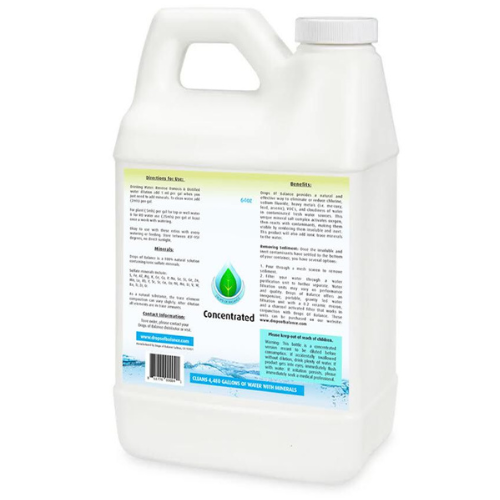
For tap water treatment, use 0.5 ml of Drops of Balance per gallon to neutralize contaminants and add essential minerals. RO water requires 0.25 ml per gallon to achieve optimal mineral balance without over-concentration.
Foliar applications using 2 ml per gallon can provide direct trace mineral supplementation while improving the uptake of other nutrients applied during the same treatment.
The Integrated Approach to Plant Nutrition
Understanding the water-mineral connection reveals why isolated approaches to plant nutrition often fail. Simply adding fertilizer to contaminated water or using pure RO water with standard nutrients ignores the fundamental importance of water quality in mineral availability and plant physiology.
The most effective plant nutrition strategy integrates water treatment with mineral supplementation, ensuring that plants receive clean water containing the trace elements necessary for optimal growth and productivity. This approach addresses both the immediate needs for clean water and the long-term requirements for sustainable soil health and plant nutrition.
By treating your water source with Drops of Balance, you're not just providing better hydration: you're creating the foundation for superior plant performance through the critical water-mineral connection that drives all plant biological processes.