
The Biggest Problem with RO Water!
Reverse osmosis (RO) water systems have gained popularity as a comprehensive solution for water purification, effectively removing contaminants, bacteria, and pollutants from tap water. However, this advanced filtration technology creates an unexpected problem: it produces what scientists call "empty water": water stripped of both harmful contaminants and essential minerals.
While RO systems excel at creating pure H2O, this very purity becomes their greatest drawback for long-term consumption. Understanding why demineralized water poses health risks and how proper remineralization addresses these concerns is crucial for anyone considering or currently using RO filtration systems.
The Science Behind Mineral Depletion
Reverse osmosis technology operates through an ultra-fine semipermeable membrane that blocks virtually all dissolved substances, including minerals. This process removes 92-99% of all minerals from water, including beneficial elements like calcium, magnesium, potassium, and trace minerals that naturally occur in water sources.
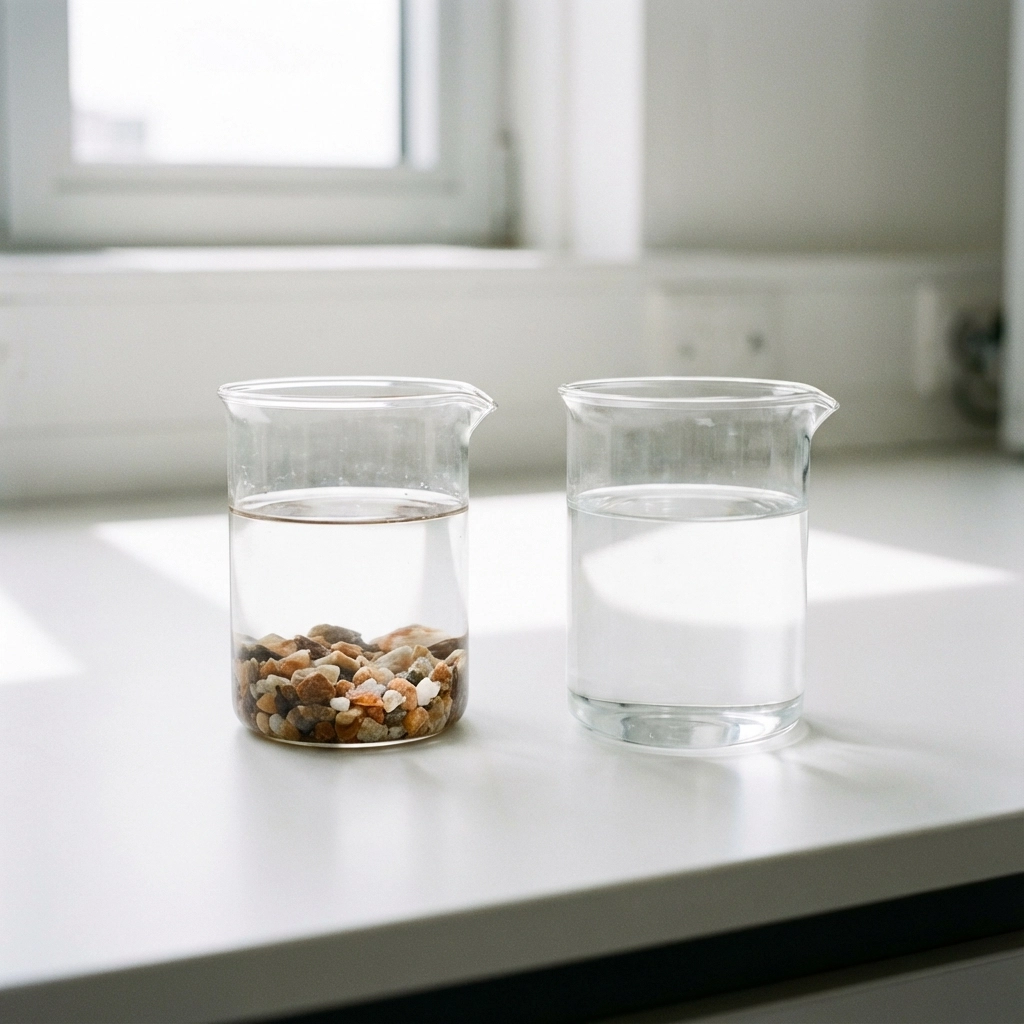
Unlike selective filtration methods that target specific contaminants, RO systems make no distinction between harmful pollutants and essential nutrients. The molecular-level filtration process treats calcium and magnesium: minerals vital for human health: the same way it treats lead or chlorine. This indiscriminate removal creates water that is chemically pure but nutritionally incomplete.
The resulting product is essentially laboratory-grade distilled water, lacking the mineral content that humans have evolved to expect from their water supply over thousands of years. This creates a fundamental mismatch between what our bodies need and what RO water provides.
Health Consequences of Demineralized Water Consumption
Scientific research has documented significant health implications associated with long-term consumption of mineral-free water. The World Health Organization has expressed concerns about the health effects of drinking demineralized water, citing multiple studies that demonstrate adverse physiological responses.
Acute Mineral Deficiency Symptoms
Studies have shown that individuals consuming RO water for just a few months can develop symptoms consistent with acute magnesium and calcium deficiency. These symptoms include:
- Cardiovascular disorders and irregular heart rhythm
- Chronic fatigue and general weakness
- Muscular cramps and tension
- Electrolyte imbalances affecting cellular function
Long-term Health Risks
Extended consumption of demineralized water has been linked to increased risk factors for several serious conditions:
- Hypertension and elevated blood pressure
- Coronary heart disease and cardiovascular complications
- Gastrointestinal disorders, including gastric and duodenal ulcers
- Chronic gastritis and digestive inflammation
- Compromised kidney function due to altered mineral regulation
Electrolyte Disruption
The absence of minerals in RO water can disrupt the body's natural electrolyte balance. When consumed regularly, mineral-free water may actually leach minerals from the body, potentially compromising the kidneys' normal function of regulating mineral levels in the bloodstream.
The Taste Factor: Why Empty Water Falls Flat
Beyond health concerns, demineralized water presents practical consumption challenges. RO water often tastes flat, bland, or even unpleasant to many consumers. This occurs because minerals contribute significantly to water's natural flavor profile. Without dissolved minerals, water lacks the subtle taste characteristics that make it palatable and refreshing.

This palatability issue creates a practical barrier to adequate hydration. When water tastes unappetizing, people naturally drink less, potentially leading to chronic mild dehydration: a condition that can compound the mineral deficiency problems already present with RO water consumption.
The Remineralization Solution
Recognizing these issues, water treatment specialists recommend remineralization as the essential final step in RO water processing. Remineralization involves adding back essential minerals that were removed during the filtration process, creating water that maintains RO's purification benefits while restoring nutritional value.
However, traditional remineralization approaches often fall short of completely addressing the problem. Standard remineralization filters typically focus on major minerals like calcium and magnesium but fail to restore the full spectrum of trace elements present in naturally mineral-rich water.
How Drops of Balance Addresses RO Water's Limitations
Drops of Balance offers a comprehensive solution to RO water's mineral deficiency problem. Unlike basic remineralization filters that add only primary minerals, Drops of Balance provides a complete spectrum of trace minerals and elements that restore water to a more natural, bioavailable state.
Complete Mineral Restoration
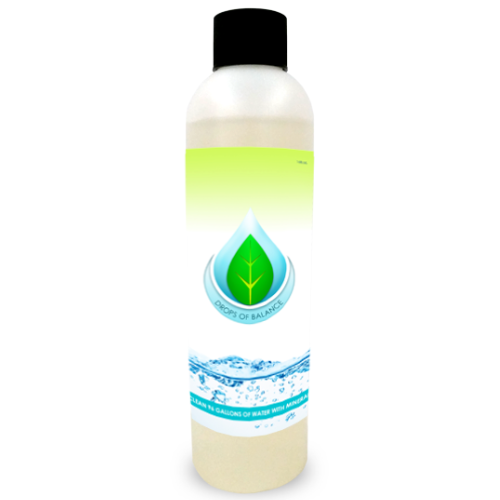
The concentrated mineral solution in Drops of Balance contains over 72 trace minerals derived from natural sources. These minerals work synergistically to restore not just the major elements like calcium and magnesium, but also the subtle trace elements that contribute to optimal hydration and cellular function.
Scientific Formulation
The mineral ratios in Drops of Balance are designed to match natural water sources, ensuring that the restored mineral content supports proper physiological function rather than simply adding isolated compounds. This approach addresses the WHO's concern that artificial remineralization cannot fully replicate natural water's complete mineral composition.
Easy Application
Adding Drops of Balance to RO water requires minimal effort: typically just 1.25 ml per gallon for drinking water remineralization. The concentrated formula means a small amount treats large volumes of water, making it both convenient and cost-effective.
Practical Implementation and Usage
For households using RO systems, incorporating Drops of Balance into daily water treatment becomes a simple routine. The product works equally well for drinking water and plant irrigation, making it versatile for complete household water treatment needs.
Dosage Guidelines
- For RO drinking water: 1.25 ml per gallon
- For plant watering: 0.25 ml per gallon
- For tap water treatment: 2.5 ml per gallon (removes contaminants while adding minerals)
Quality Restoration
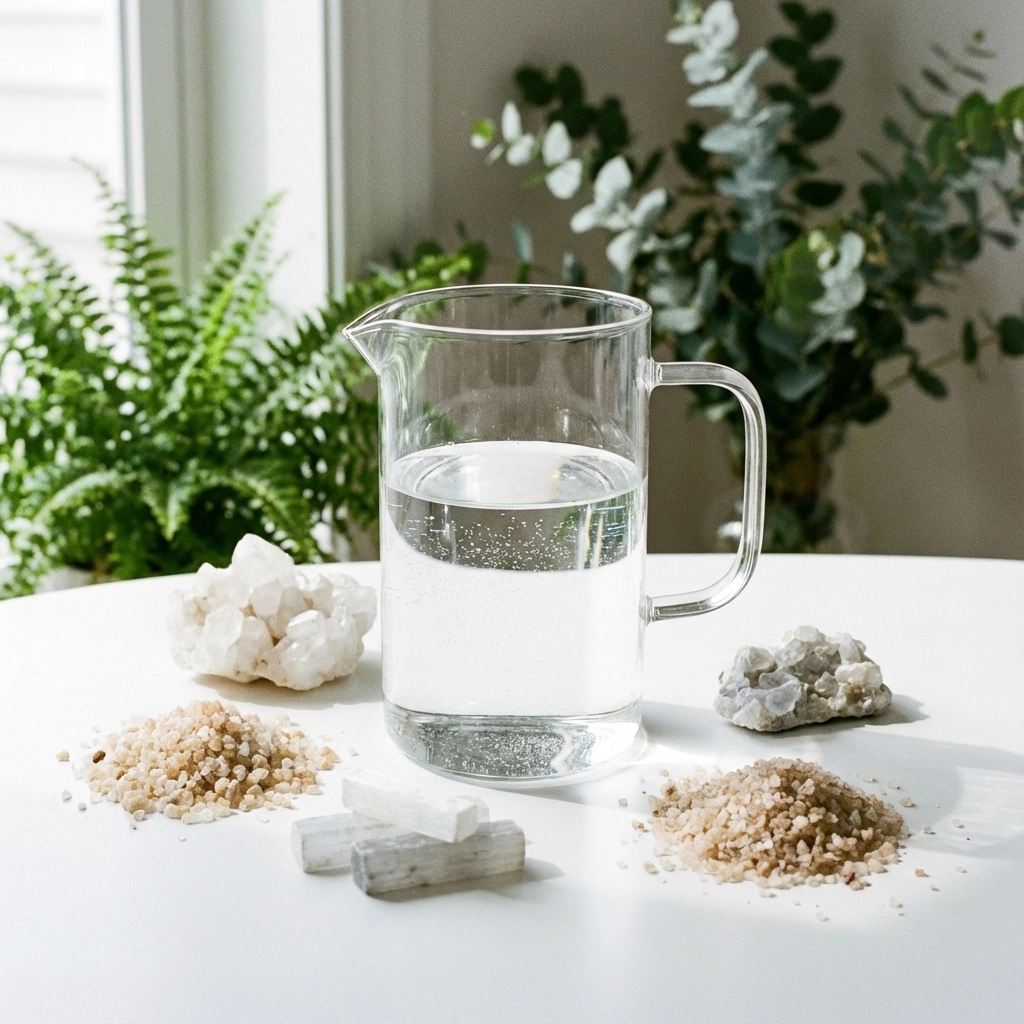
Users consistently report improved taste, better hydration satisfaction, and reduced concerns about mineral deficiency when using properly remineralized RO water. The restored mineral content creates water that tastes natural and satisfying while maintaining the contaminant-removal benefits of RO filtration.
The Bottom Line: Making RO Water Complete
RO water's biggest problem isn't technical failure: it's that the technology works too well, removing everything including essential minerals. While RO systems excel at creating pure water, this purity becomes a liability when consumed regularly without proper remineralization.
The solution isn't abandoning RO technology but completing the treatment process with comprehensive mineral restoration. By addressing both contaminant removal and mineral replacement, properly treated RO water can provide the best of both worlds: the purity benefits of advanced filtration with the nutritional completeness of naturally mineral-rich water.
For anyone using RO filtration systems, remineralization isn't optional: it's essential for maintaining long-term health while enjoying clean, safe water. Products like Drops of Balance make this remineralization process simple, effective, and scientifically sound, transforming empty RO water into complete, health-supporting hydration.