

Why Trace Minerals Will Change the Way You Grow Tomatoes
For many gardeners, the quest for the perfect tomato begins and ends with N-P-K. We are taught that Nitrogen (N), Phosphorus (P), and Potassium (K) are the "holy trinity" of plant nutrition. While these macro-elements are indeed the building blocks of plant structure and energy, focusing solely on them is akin to a human trying to survive on a diet of only carbohydrates, fats, and proteins while ignoring all vitamins and minerals.
In the scientific community, particularly within the study of Solanum lycopersicum (the tomato plant), it is increasingly understood that trace minerals, or micronutrients, are the true catalysts for biological efficiency. These elements, though required in minute quantities, govern the enzymatic reactions that dictate fruit flavor, nutrient density, and systemic resistance to pests. If you want to move beyond "standard" growth and achieve professional-grade results, you must understand the role of trace minerals in plant nutrition.
The Biological Necessity of Trace Elements
Tomatoes are heavy feeders with complex metabolic requirements. While N-P-K drives the bulk of vegetative growth and fruit size, trace minerals like Zinc, Boron, Copper, Iron, and Manganese facilitate the intricate biochemical pathways that define the quality of that growth.
1. Zinc and Hormone Regulation
Zinc is a fundamental component of various enzymes and is essential for the synthesis of auxins, plant hormones that regulate growth. Without sufficient zinc, tomato plants often exhibit stunted growth and small, distorted leaves. Zinc also plays a critical role in internode elongation; without it, your tomato vine will struggle to reach its full structural potential.
2. Boron and Fruit Set
Boron is often overlooked, yet it is vital for the structural integrity of cell walls and the movement of sugars within the plant. More importantly for tomato growers, boron is essential for pollen germination and pollen tube growth. If your tomato plants are dropping blossoms or producing fruit with "cat-facing" or hollow cavities, a boron deficiency is a likely culprit.
3. Manganese and Photosynthesis
Manganese is a key player in the photolysis of water, the process where water molecules are split during photosynthesis to release oxygen. Without this element, the efficiency of energy production drops significantly, leading to interveinal chlorosis (yellowing between the veins) and reduced sugar production in the fruit.
Overcoming Nutrient Lockout in Tomato Cultivation
One of the most frustrating experiences for an organic gardener is applying high-quality organic fertilizer only to see the plant continue to struggle. This is often the result of "nutrient lockout."
Nutrient lockout occurs when the soil chemistry, specifically pH levels or the presence of antagonistic elements, prevents the plant's roots from absorbing the nutrients present in the soil. Trace minerals, particularly in a sulfated form, act as chelating agents. They help stabilize the soil environment and facilitate the transport of macro-elements across the root membrane.
For example, Magnesium plays a pivotal role in preventing Potassium from blocking the uptake of other trace elements. By introducing a balanced mineral solution like Drops of Balance, you provide the plant with ionic minerals that are immediately bioavailable, bypassing the common bottlenecks found in traditional soil-based feeding.
The Problem with Tap Water and Soil Microbes
To understand why trace minerals are the missing link, we must look at the water we use. Most municipal water supplies are treated with chlorine or chloramines to kill bacteria. While this makes the water safe for human consumption, it is catastrophic for the beneficial microbes in your soil.
Healthy tomato growth relies on a symbiotic relationship between the roots and soil microorganisms. These microbes break down organic matter and convert minerals into a form the plant can actually digest. When you water your garden with untreated tap water, you are effectively "sterilizing" your soil.
Drops of Balance works by using a proprietary blend of sulfated minerals to neutralize these harmful chemicals. As the minerals interact with the water, they cause contaminants to precipitate out, while simultaneously enriching the water with the very trace elements the plant needs to thrive.

The Role of Microbial Inoculants (BAM!)
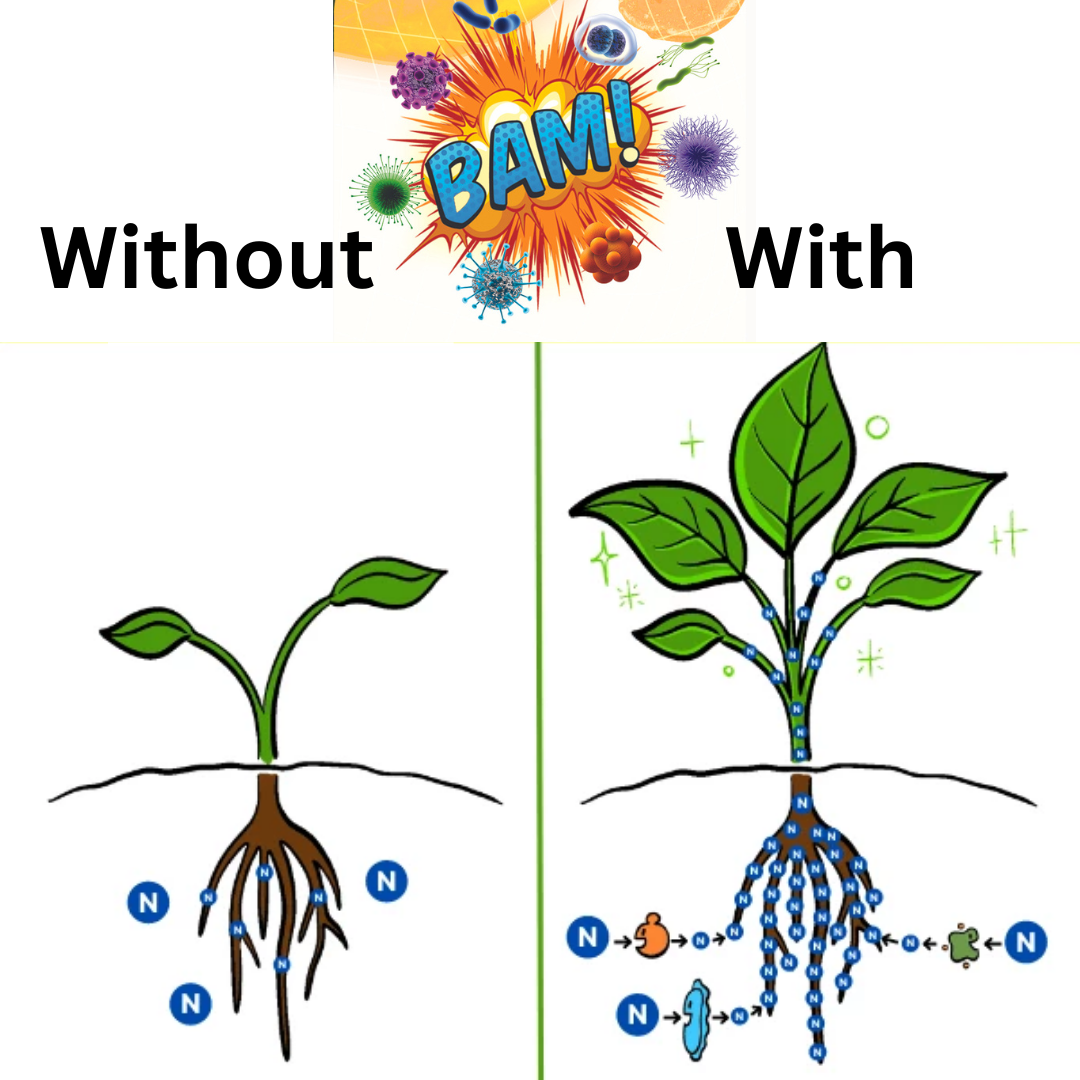
While minerals provide the fuel, microbes are the engine. To truly change the way you grow tomatoes, you must pair mineral density with microbial diversity. This is where BAM! (Beneficial Adaptive Microbes) becomes essential.
BAM! is a microbial inoculant designed to establish a dominant colony of beneficial bacteria and fungi in the rhizosphere. When trace minerals are introduced into a microbially active environment, the microbes "chelate" the minerals, wrapping them in organic acids that make them incredibly easy for the tomato plant to absorb.
This synergy leads to:
- Faster Growth Cycles: Reduced transplant shock and quicker establishment of root systems.
- Enhanced Flavor: Trace minerals are responsible for the production of secondary metabolites, such as terpenes and flavonoids, which give heirloom tomatoes their signature taste.
- Increased Yield: Better nutrient uptake translates directly to more fruit clusters per plant.

Mineral Density and Human Health
The scientific motivation for using trace minerals extends beyond the garden. There is a direct correlation between the mineral content of the soil and the nutritional value of the harvested fruit. Research indicates that modern industrial farming practices have significantly depleted the trace mineral content of our food over the last century.
By focusing on plant nutrition through mineral-rich water and soil treatments, you are essentially "bio-fortifying" your tomatoes. A tomato grown with a full spectrum of trace minerals will have higher concentrations of Vitamin C, Lycopene, and essential minerals like Iron and Zinc compared to a tomato grown with standard N-P-K fertilizers alone.
Strategic Application: A Step-by-Step Guide
To achieve optimal results in your tomato garden, follow this scientific approach to mineral supplementation:
- Water Treatment: Treat your irrigation water with Drops of Balance 2 oz or larger concentrate sizes. This removes chlorine/fluoride and adds an ionic mineral base. For plants, use approximately 0.5 ml per gallon of tap water.
- Microbial Integration: Once per week, incorporate BAM! Microbial Inoculant into your watering routine. This ensures the microbial "workforce" is present to process the minerals.
- Foliar Feeding: Tomatoes can absorb nutrients through their leaves. Using a diluted solution of Drops of Balance (approx 2ml per gallon) as a foliar spray can provide an immediate boost during critical growth stages, such as the transition from vegetative growth to flowering.
- pH Monitoring: Trace minerals are most available to tomatoes when the soil pH is between 6.2 and 6.8. The sulfated minerals in Drops of Balance help naturally buffer the water toward this optimal range.
Conclusion
The science of growing the "perfect" tomato is not found in a bag of high-nitrogen fertilizer. It is found in the microscopic interactions between ionic minerals, beneficial microbes, and the plant’s own internal enzymatic pathways. By transitioning from a macro-nutrient focus to a trace-mineral-centered philosophy, you are not just feeding a plant; you are optimizing a biological system.
Whether you are managing a small backyard garden or a large-scale organic operation, the evidence is clear: trace minerals are the key to unlocking the full genetic potential of your tomatoes. Experience the difference of mineral-dense cultivation and see why Drops of Balance is the preferred choice for growers who demand scientific excellence in their harvests.