
Why Your Houseplants Are Frowning (And the Tap Water Fix)
You know that sinking feeling when you notice your beloved spider plant looking... sad? Maybe it's sporting crispy brown tips like it just got a bad haircut. Or your dracaena's leaves are drooping like it's given up on life. You've been watering religiously, the lighting seems fine, but something's still off.
Here's the plot twist: the problem might not be what you're doing: it's what's in the water you're using.
When Plants Show They're Unhappy
Plants can't exactly text you to complain, but they're surprisingly expressive when something's wrong. The most common signs of houseplant distress include:
Brown or yellow leaf tips are perhaps the most telltale sign, especially on sensitive species like spider plants, peace lilies, and dracaenas. These plants are particularly vulnerable to water quality issues, and their leaf tips act like early warning systems.
Drooping or wilting leaves might seem like a watering problem: and sometimes it is: but when you're watering correctly and your plant still looks deflated, the water quality itself could be the culprit. Research shows that while overwatering is the most common cause of drooping (accounting for about 90% of cases), chemical compounds in tap water can stress root systems and interfere with nutrient uptake.
Stunted or slow growth happens when plants can't access the nutrients they need. Even if your soil is rich in minerals, certain chemicals in tap water can actually prevent roots from absorbing those nutrients effectively.
Leaf discoloration beyond just brown tips: think yellowing between the veins or overall pale, washed-out foliage: often indicates that your plant isn't getting the mineral nutrition it requires.

The Tap Water Trap Nobody Warns You About
Here's what most plant care guides won't tell you: municipal tap water is treated to be safe for humans, not necessarily optimal for delicate plant root systems. While it's perfectly fine for us to drink, that same water can be a chemical cocktail for your houseplants.
Chlorine is added to kill bacteria in water supplies, which is great for public health. But plant roots are sensitive living systems, and chlorine can damage the delicate root hairs responsible for water and nutrient absorption. At typical municipal water concentrations (0.5-2.0 ppm), chlorine can accumulate in soil over time, creating an increasingly hostile environment for beneficial soil microorganisms that plants depend on.
Fluoride is even more problematic. Added to drinking water for dental health, fluoride doesn't break down or evaporate: it's a persistent element that accumulates in soil. Studies have shown that fluoride concentrations as low as 0.1-1.0 ppm can cause toxicity symptoms in sensitive plant species. The compound interferes with photosynthesis and enzyme functions, leading to those characteristic brown leaf tips and margins.
Chloramine, an increasingly common alternative to chlorine, combines chlorine with ammonia to create a more stable disinfectant. While effective at killing waterborne pathogens, chloramine is actually more persistent in water and more toxic to plants than chlorine alone.
The damage these chemicals cause happens at the root level, literally. They compromise the plant's ability to absorb water and nutrients, weakening the entire system from the ground up.
The Myth That Won't Die (And Why It Doesn't Work)
If you've spent any time in plant parent forums, you've probably seen this advice: "Just let your tap water sit out overnight before watering your plants."
It sounds reasonable. After all, chlorine is a volatile compound, so some of it will indeed evaporate if you leave water exposed to air. Here's the problem: this method is incomplete at best and ineffective at worst.
What sitting water does remove: Standard chlorine gas (Cl₂) will partially dissipate over 24 hours if left in an open container. Emphasis on partially: you might reduce chlorine by 50-90% depending on surface area, temperature, and air circulation.
What sitting water doesn't remove: Fluoride is a stable ionic compound that does not evaporate. Period. You could leave that water sitting out for weeks, and the fluoride concentration would remain virtually unchanged. Chloramine is similarly stubborn: it can take days to weeks for chloramine to break down naturally, and even then, it doesn't completely dissipate.
So while the overnight sitting method might reduce some chlorine, it does nothing for the other problematic compounds in your tap water. Your plants are still getting exposed to the chemicals that cause the most damage.
The Real Solution: Transform Your Water
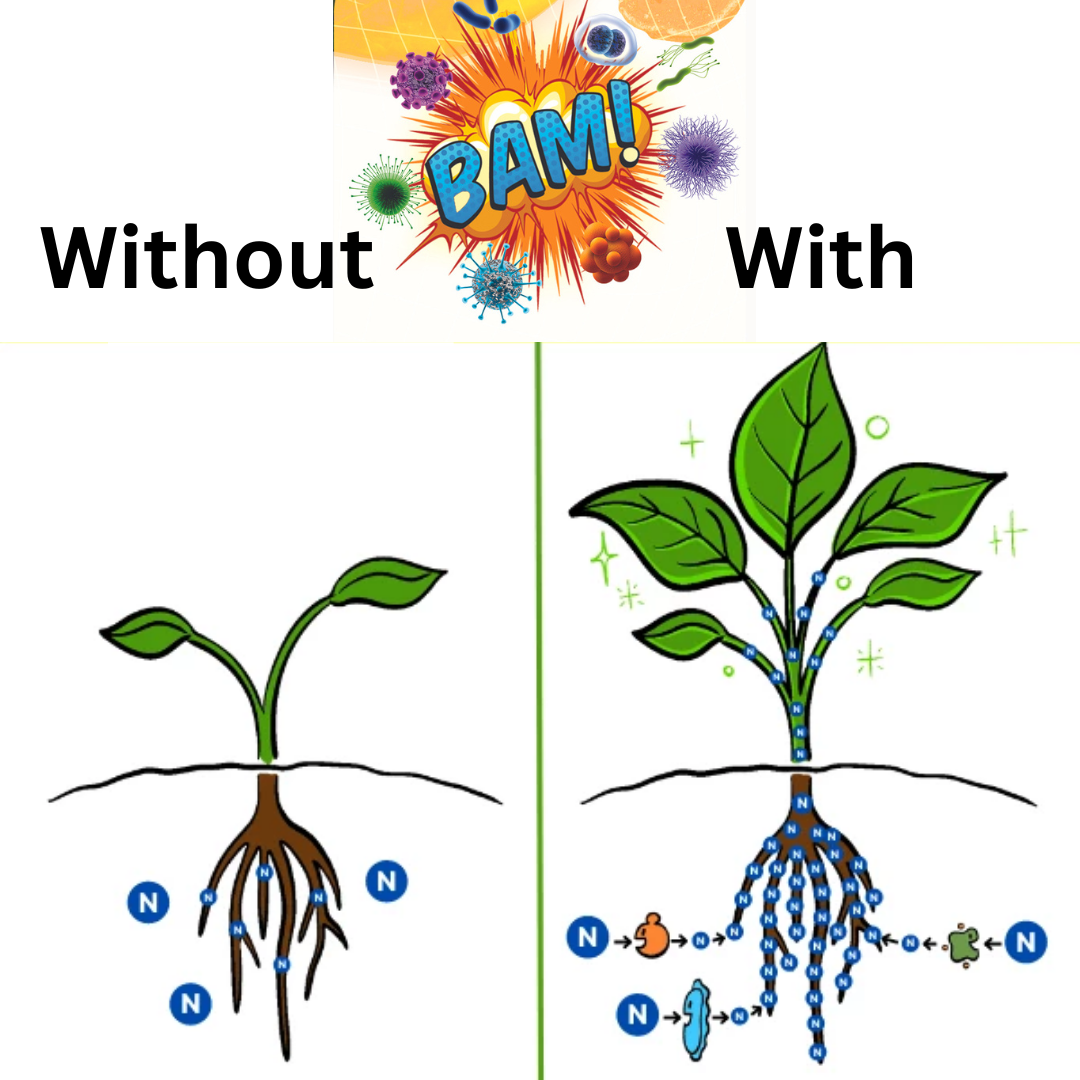
Rather than playing the waiting game with water that's only partially improved, there's a more effective approach: actually removing the harmful chemicals while simultaneously adding beneficial minerals your plants crave.
This is where water quality science gets interesting. Plants in nature don't drink distilled water: they thrive on mineral-rich spring water that's been naturally filtered through layers of rock and soil. This water contains trace minerals that support healthy growth and strong cellular function.
Drops of Balance replicates this natural process through a concentrated mineral solution that works on two fronts. First, it actively neutralizes and removes harmful chemicals including chlorine, fluoride, chloramine, and even heavy metals that might be lurking in older pipes. The EPA-certified efficacy means this isn't just marketing talk: it's scientifically verified removal.
Second, it remineralizes your water with the trace elements plants evolved to use: magnesium, calcium, potassium, and other micronutrients that support everything from chlorophyll production to cell wall development.
Think of it this way: you're swapping out a "chemical cocktail" for "mountain spring water": exactly what your houseplants would choose if they could.
The application is straightforward. Add a few drops to your watering can (the exact amount depends on the volume of water), let it work for a few minutes, and then water as usual. The formula begins working immediately to neutralize harmful compounds while releasing beneficial minerals.
From Frowning to Flourishing
The transformation isn't instant: plants need time to recover and respond: but many plant parents report seeing improvements within 2-4 weeks of switching their water treatment approach. Brown tips stop spreading. New growth comes in healthier and greener. Drooping leaves regain their turgor pressure and stand proud again.
The beauty of addressing water quality is that it's a foundational fix. You're not just treating symptoms: you're removing the underlying stressor that was holding your plants back. Combined with proper watering practices, appropriate light, and decent soil, quality water gives your plants everything they need to thrive.
For sensitive species like spider plants, peace lilies, calatheas, and dracaenas, the difference can be particularly dramatic. These plants are like the canaries in the coal mine: they show stress first, but they also respond most visibly to improved water quality.
Start Small, See Big Results
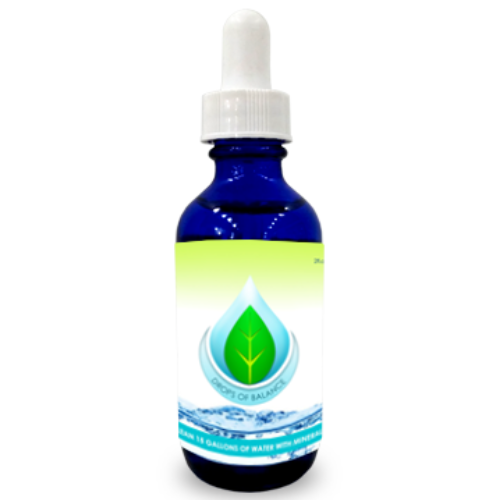
If you're skeptical (and honestly, healthy skepticism is good), you don't need to commit to overhauling your entire plant care routine. Start with a small 2 oz bottle that treats up to 8 gallons of water. Use it on your most sensitive plants first: the ones showing the most stress symptoms: and see how they respond.
Track the changes: take photos of those brown-tipped leaves before you start, then compare them to new growth after a month. The proof, as they say, will be in the (plant) pudding.
Your houseplants work hard to clean your air, brighten your space, and boost your mood. The least we can do is give them water that supports their health rather than undermines it. Because happy plants make for happy plant parents: and a home that's thriving, not just surviving.
Ready to give your green friends the quality water they deserve? Grab your starter bottle and watch those frowns turn upside down.