
Why Your Spinach Isn't What It Used to Be (And How to Fix It)
If you’ve ever wondered why healthy eating doesn’t always feel as nourishing as it should, you’re not imagining it. A lot of our food simply doesn’t carry the same mineral content it used to, and our water often doesn’t help much either.
The short version is simple: modern farming tends to wear down the soil, and modern water treatment often removes both contaminants and beneficial minerals. So even when you’re doing your best to eat well and drink more water, you may still be missing some of the good stuff your body and your plants need.
The Depletion of Agricultural Soils
A big part of the problem starts in the soil. Plants can only pull up what’s actually available in the ground, and after years of intensive farming, a lot of soil has been left tired and depleted.
Modern growing methods are great at producing bigger harvests, but bigger doesn’t always mean better. When the focus is mostly on fast growth, the deeper mineral profile of the soil can get ignored. Over time, that means crops may still look fresh and healthy while carrying less of the trace minerals that help support people, animals, and plant health overall.
That’s one reason many people feel like they’re eating plenty of vegetables but still not getting the same nourishment they expected.
Why Water Treatment Compounds the Problem
The same thing happens with water. Most people know to watch out for contaminants, but fewer people think about what gets taken out along with them.
Tap water is often treated with chemicals to make it safer, and many home filtration systems go even further by stripping water down to almost nothing. That can sound ideal on paper, but “clean” water isn’t always the same as mineral-rich water.
In many homes, the goal has become removing everything possible. The problem is that this can also remove naturally helpful minerals your body and your plants would normally benefit from. So while filtration can be useful, it can also leave water feeling a little empty if nothing is added back in.
The Human Cost: Common Mineral Deficiencies
When food and water are both lower in minerals, it adds up. You might still be eating salads, drinking water, and trying to make healthy choices, but your body may not be getting the same support it would have gotten from more mineral-rich food and water in the past.
This can show up in everyday ways: low energy, feeling run down, poor recovery, or just that sense that something is missing even when your habits look pretty good on the surface. And it’s not only about people. Plants can struggle too when they’re watered with mineral-poor water and grown in tired soil.
That’s why the conversation around health is getting bigger than just “eat clean.” More people are starting to ask a better question: is my food and water actually supplying the basics my body needs?
The Solution: Remineralization from the Ground Up
The good news is that this problem is pretty straightforward to understand, which also makes it easier to address. If modern life removes too many minerals from our water and food system, one practical step is to start putting those minerals back in.
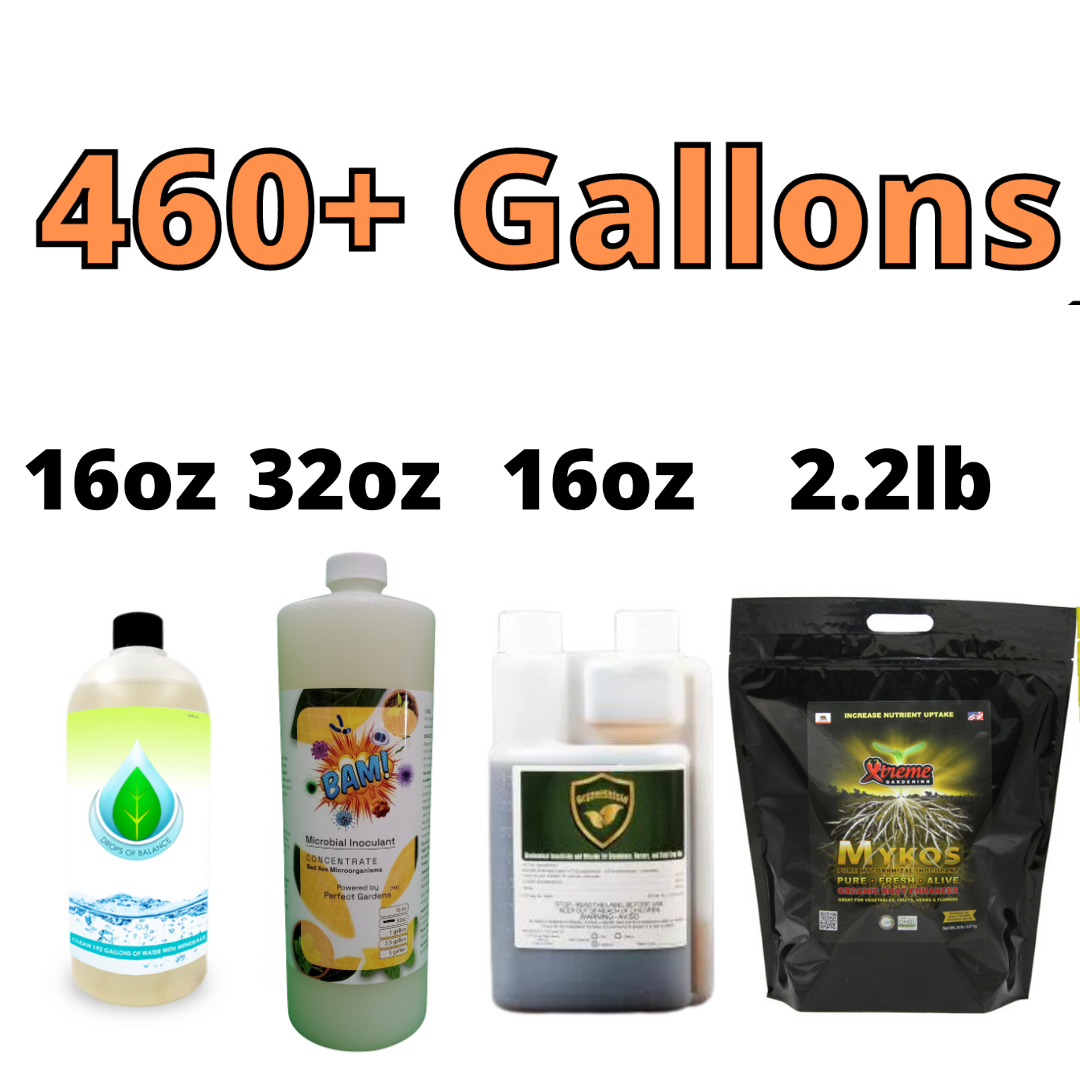
That’s where Drops of Balance comes in. It’s designed to help clean up water while also restoring beneficial trace minerals, so the water you drink — and the water you give your plants — does more than just pass through.
Trace Minerals for Plants and Soil Health
This matters in the garden too. When plants get mineral-rich water, they have a better chance of growing strong, supporting healthy soil life, and producing food that feels more vibrant and alive.
For home gardeners, homesteaders, and even people just trying to keep a few raised beds or houseplants happy, this can be a simple way to support better results from the ground up.
Bridging the Gap in 2026 and Beyond
We may not be able to control industrial farming or municipal water systems, but we can pay closer attention to what’s missing in our own homes. A simple shift toward mineral-rich water can support both everyday wellness and healthier plants.
If you’ve been thinking more about the quality of your water, this is a good place to start: not just with what you want removed, but with what you want added back. That applies to the glass on your counter, the vegetables in your garden, and even the soil you’re trying to bring back to life.
If you want to explore a simple way to support better water for both people and plants, you can browse the Drops of Balance collection and see what fits your setup.
The main idea is simple: cleaner water is great, but mineral-rich water can do a lot more.