
Fall Prep, Spring Success: The Beginner’s Guide to Soil Amendments
Hey Mark! Fall is officially here, and while most people are thinking about pumpkin spice and sweaters, we’re thinking about dirt. Or more accurately, the complex biological and chemical matrix we call soil. If you want a magazine-worthy garden next year, the work doesn't start in April, it starts right now.
In the world of organic gardening, fall is the "secret season." By adding a high-quality garden soil amendment today, you give the ecosystem months to break down nutrients, integrate minerals, and build the microbial networks necessary for explosive growth in the spring. Whether you are looking for the perfect fertilizer for tomatoes or just trying to keep your lawn green, understanding the science of soil amendments is the first step.
The Science of Soil: Why Amendments Matter
Soil is more than just a medium to hold plants upright. It is a living, breathing ecosystem. Scientifically, healthy soil consists of approximately 45% minerals, 25% water, 25% air, and 5% organic matter. When any of these components are out of balance, plant health suffers.
A garden soil amendment is any material added to the soil to improve its physical properties, such as water retention, permeability, water infiltration, drainage, aeration, and structure. Unlike fertilizers, which primarily provide immediate nutrients (NPK: Nitrogen, Phosphorus, Potassium), amendments focus on the long-term health and "tilth" of the soil.
The Three Pillars of Soil Health
- Soil Structure (Tilth): This refers to how soil particles (sand, silt, clay) bind together. Good structure allows roots to penetrate deeply and ensures oxygen reaches the root zone.
- Nutrient Density: This involves the Cation Exchange Capacity (CEC), which is the soil's ability to hold onto essential minerals and release them to plants.
- Microbial Activity: Beneficial bacteria and fungi (like mycorrhizae) act as the "digestive system" of the soil, converting raw minerals into bioavailable forms for plants.
Step 1: The Soil Test (No Guessing Allowed)
Before you start dumping bags of lime or peat moss into your beds, you need data. Scientific gardening relies on evidence, not intuition. A soil test will reveal your pH levels and nutrient deficiencies.
- pH Balance: Most vegetables prefer a slightly acidic to neutral pH (6.0 to 7.0). If your soil is too acidic, you might need lime; if it's too alkaline, sulfur might be necessary.
- Nutrient Levels: You’ll see exactly what’s missing, be it Phosphorus for root development or Magnesium for photosynthesis.
Once you have your results, you can check out our FAQ page to see how mineralized water interacts with different soil types.
Common Soil Amendments for Beginners
For a new gardener, the options can be overwhelming. Let’s break down the most effective amendments based on their scientific function.
Organic Matter (The All-Rounder)
Compost is the gold standard of organic gardening. It improves sandy soil by helping it hold water and loosens clay soil to improve drainage. More importantly, it provides a slow-release source of nutrients and feeds the soil's microbiome.
Structure Enhancers
- Gypsum: Scientifically known as calcium sulfate dihydrate, gypsum is excellent for breaking up compacted clay soils without significantly altering the pH. It helps pull salt out of the soil, which is vital if you live in an area with "hard" or chemically treated water.
- Perlite and Vermiculite: These are volcanic minerals. Perlite improves aeration (great for preventing root rot), while vermiculite excels at moisture retention.
Nutrient-Specific Amendments
If your soil test shows a specific deficiency, you can target it with:
- Bone Meal: High in phosphorus (the "P" in NPK), which is essential for blooming and root growth.
- Alfalfa Meal: A great source of nitrogen and trace minerals that encourages early growth.

Caption: A close-up of dark, rich compost being integrated into garden soil.
The Missing Link: Trace Minerals and Microbes
Many gardeners focus solely on NPK, but plants require a wide spectrum of trace minerals to reach their full genetic potential. This is where the synergy between water treatment and soil health becomes critical.
If you are watering your garden with untreated tap water, you are likely introducing chlorine and fluoride into the soil. These chemicals are designed to kill bacteria, which is great for pipes but devastating for the beneficial microbes in your garden.
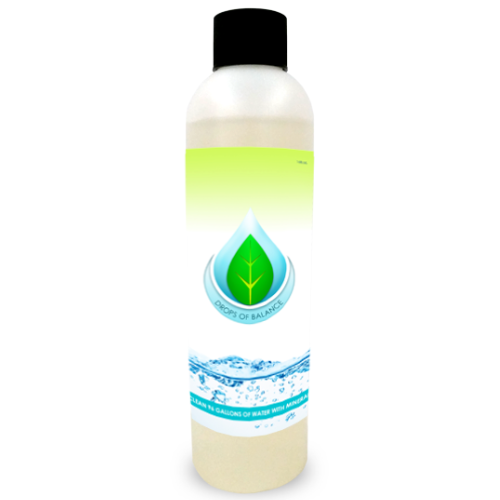
Using a solution like the Drops of Balance 8oz mineral concentrate removes these harmful toxins while adding back over 70 essential trace minerals. These minerals act as catalysts for enzymatic reactions within the plant, leading to better flavor, higher yields, and increased pest resistance.
The Role of Microbial Inoculants
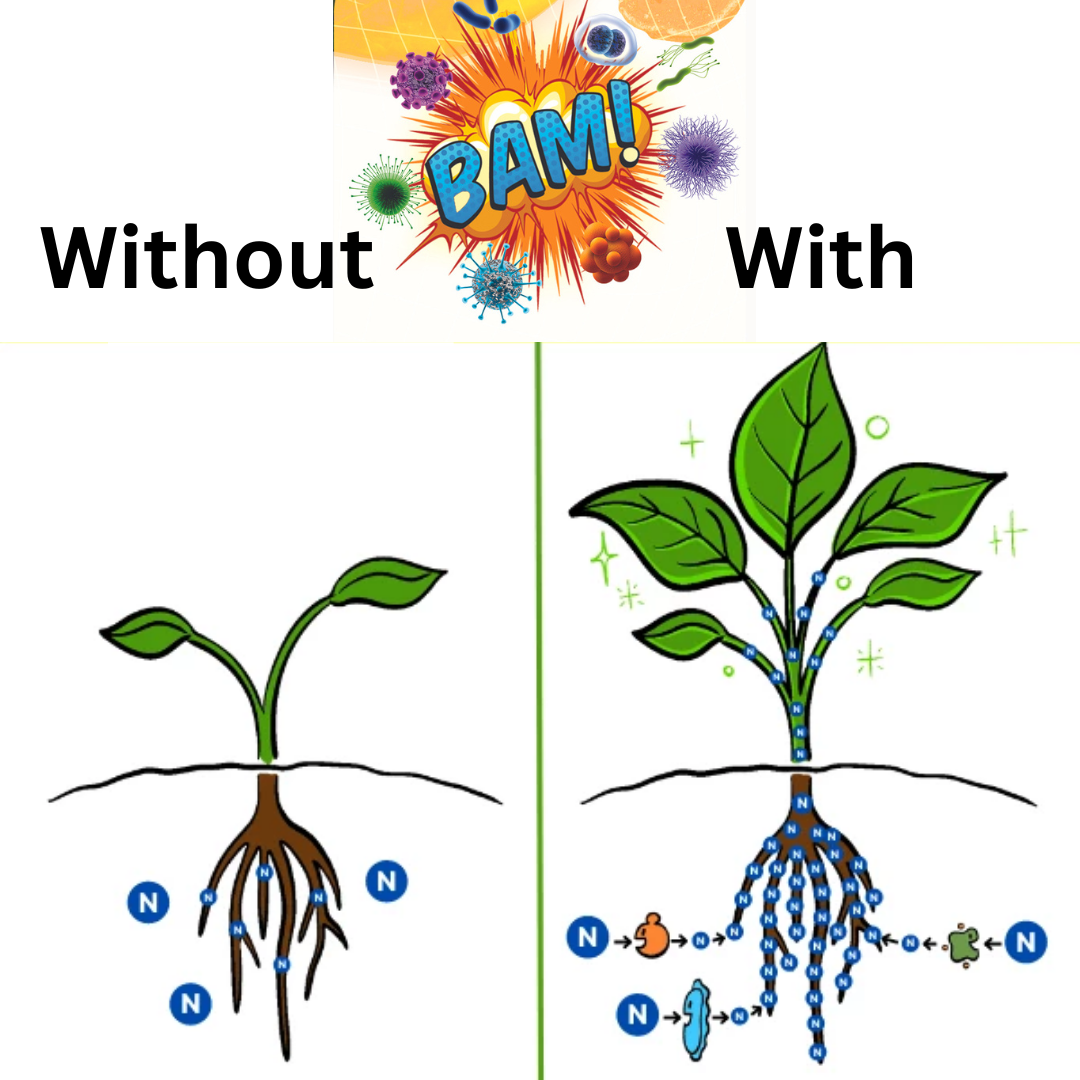
To truly supercharge your fall prep, you should introduce beneficial microorganisms. Products like the BAM! Microbial Inoculant contain a proprietary blend of bacteria and fungi that accelerate the decomposition of organic matter. When you add BAM! to your fall mulch or compost, you are essentially hiring a microscopic construction crew to build your soil structure over the winter.

Specialized Care: The Perfect Fertilizer for Tomatoes
Tomatoes are heavy feeders and are particularly susceptible to mineral deficiencies, such as blossom end rot (caused by calcium deficiency). If your goal is the perfect summer BLT, your fall prep should focus on deep mineralization.
Instead of relying on synthetic spikes, integrate a mix of compost, crushed eggshells (for slow-release calcium), and treat your soil with BAM! Microbial Inoculant. This ensures that by the time you plant your seedlings in May, the soil is a nutrient-dense reservoir.
How to Apply Amendments This Fall
There are two primary ways to prep your soil before the ground freezes:
1. The "No-Till" Top Dressing
In this method, you simply spread your amendments (compost, minerals, and mulch) over the surface of the soil. This mimics the natural forest floor. Over the winter, earthworms and rain will pull those nutrients down into the root zone. This method is preferred by many organic gardeners because it preserves the existing fungal networks (mycelium) in the soil.
2. Light Integration
If your soil is extremely compacted or "dead," you may want to lightly fork in your amendments to the top 2-4 inches of soil. This is the ideal time to add your Drops of Balance mineral solution to ensure the minerals are distributed throughout the topsoil.

Caption: A gardener spreading a layer of organic mulch over a garden bed in late autumn.
Winterizing Your Soil: The Final Step
Once you've added your minerals and microbes, don't leave the soil bare! Bare soil is prone to erosion and nutrient leaching from winter rains and snowmelt.
- Mulch: Use shredded leaves, straw, or wood chips.
- Cover Crops: Planting "green manure" like clover or winter rye can help fix nitrogen into the soil naturally.
Why Start Now?
The biological processes in the soil don't happen overnight. It takes time for microbes to colonize and for minerals to reach a state of equilibrium. By treating your garden as a scientific experiment and using high-quality water and soil treatment solutions, you aren't just growing plants: you’re building an ecosystem.
If you have questions about which products are right for your specific soil type, don't hesitate to contact us. We’re here to help you move from a beginner to a master gardener, one drop at a time.
Happy gardening, and here’s to your most successful spring harvest yet!